

If you’re wondering what the january birthstone is, the answer is garnet—a gem celebrated for its deep red colour, rich history, and surprisingly accessible price compared to rubies. This beautiful stone has adorned jewellery for thousands of years, from ancient Egyptian tombs to Victorian brooches. Garnet suits everyday wear in rings, pendants, and earrings, making it ideal for January birthdays, early wedding anniversaries, and meaningful milestone gifts.
What Is the January Birthstone?
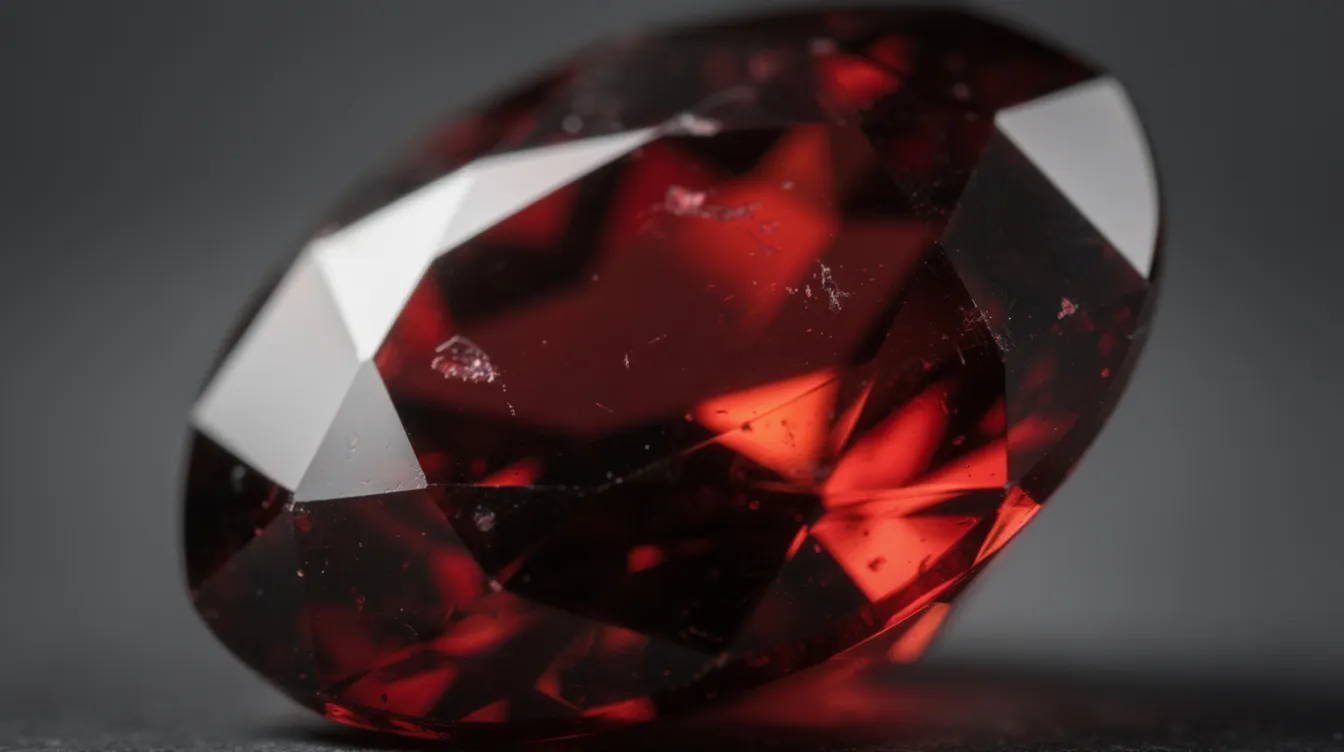
The official birthstone for january is garnet, most commonly seen in the deep crimson pyrope variety. The garnet birthstone gets its name from the medieval Latin word “granatus,” meaning “pomegranate,” a nod to the gem’s rounded crystals that resemble the red seeds of a pomegranate fruit.
-
Classic colour: While red garnet defines the January tradition, this gem naturally occurs in orange, pink, yellow, green, purple, brown, and even rare blue
-
Anniversary connection: Garnet is also the 2nd wedding anniversary stone, making it a sentimental choice for couples
-
Pomegranate link: The resemblance to pomegranate seeds inspired ancient cultures to associate garnet with life, rebirth, and eternal love
Garnet: A Group of Minerals
Garnet is not a single mineral but rather a group of related silicate minerals, each with unique chemical compositions and colours. Garnet is actually a group of several minerals, including pyrope, almandine, spessartine, grossular, and andradite. This diversity explains the wide range of garnet colours and qualities found in jewellery.
History and Lore of Garnet
Garnets have been treasured since the Bronze Age, serving both as gemstones and abrasives. Archaeological finds show that necklaces studded with red garnets adorned the pharaohs of ancient Egypt, symbolizing protection and status in the afterlife.
In ancient Persia, garnet was so highly valued that only the royal family was permitted to own and wear it. During the Battle of the Crusades, garnets were worn by both Christian and Muslim soldiers who believed the stones offered protection in battle. The ancient Romans also held garnet in high esteem, believing it protected travellers and that the stone would shine brighter in times of danger.
Key historical highlights:
-
Medieval Europe: Warriors and clergy prized garnet for bringing courage and divine favour
-
Bohemian garnets: Garnet deposits discovered in Bohemia during the 16th century led to the stone's widespread popularity across Europe, especially in ornate Victorian jewellery featuring intricate gold settings
-
Navajo Tribe traditions: Native American cultures incorporated garnet into ceremonial jewellery, valuing it as a talisman for protection and luck
-
Modern beliefs: Garnet is thought to enhance vitality, mental clarity, and emotional balance—though these remain symbolic rather than scientifically proven
Garnet Colours and Types
The term “garnet” describes a family of related minerals rather than a single stone, which explains its remarkable colour range. Each variety offers a distinct personality for January birthstone jewellery in garnet and rose quartz.
|
Garnet Type |
Colour |
Notable Features |
|---|---|---|
|
Pyrope |
Deep red |
Classic January birthstone shade |
|
Almandine |
Wine-red to brownish |
Often mixed with pyrope in rhodolite garnet |
|
Spessartine |
Reddish orange to yellow |
Vivid “Mandarin” varieties highly prized |
|
Grossular (Tsavorite) |
Vivid green |
Rivals emerald in brilliance |
|
Andradite (Demantoid) |
Bright green |
Exceptional fire and dispersion |
|
Colour-change |
Blue-green to purple-red |
First found in Madagascar in the 1990s |
|
Garnets are renowned for their high-intensity sparkle, often described as “fire,” which makes them especially captivating in jewellery. The red variety remains the most commonly used in jewellery due to its striking beauty and versatility. |
|
|
Where Is Garnet Found?
Garnet deposits exist on every inhabited continent, making it one of the world’s most geographically widespread gemstones. Historic Bohemia (modern Czech Republic) supplied Europe’s fine pyrope garnets from the 16th to 19th centuries.
Major sources today include:
-
East Africa: Tanzania and Kenya produce exceptional tsavorite; Namibia yields demantoid and vibrant spessartine; Madagascar supplies rare colour-change varieties
-
Asia: India and Sri Lanka contribute diverse garnet types
-
Americas: Brazil provides alluvial deposits; the United States produces specimens in Arizona and Idaho
-
Russia: The Ural Mountains were historically famous for demantoid
Much of today’s fine garnet comes from small-scale artisanal mining, particularly in East Africa where independent miners supply a significant share of the market today.
Meaning and Symbolism of the January Birth Gemstone
January’s birthstone meaning centres on protection, devotion, and renewed energy—fitting themes for the first month of the year. Ancient travellers believed garnet talismans kept them safe on long journeys and would glow more intensely in times of danger.
Garnet is associated with fresh starts and new beginnings, making it an ideal birthstone for January and a natural fit within broader monthly birthstones for protection and personal meaning.
Garnet is said to symbolize love, loyalty, health, and friendship for those born in January.
-
Protection: Historically worn as a shield against harm and emotional disharmony
-
Love and loyalty: Associated with faithfulness, enduring friendship, and survival instinct in relationships
-
New beginnings: Called a “stone of new beginnings,” aligning with New Year’s resolutions
-
Prosperity: Some traditions link garnet to focus, determination, and career success
-
Energy renewal: Believed to restore vitality after exhausting periods
These meanings are cultural and spiritual. Choose whichever associations resonate most with your personal story.
Garnet in Jewellery: Popular January Birthstone Styles
January birthstone jewellery ranges from delicate minimalist pieces to bold vintage-inspired designs. Garnet’s versatility makes it suitable for nearly any aesthetic.
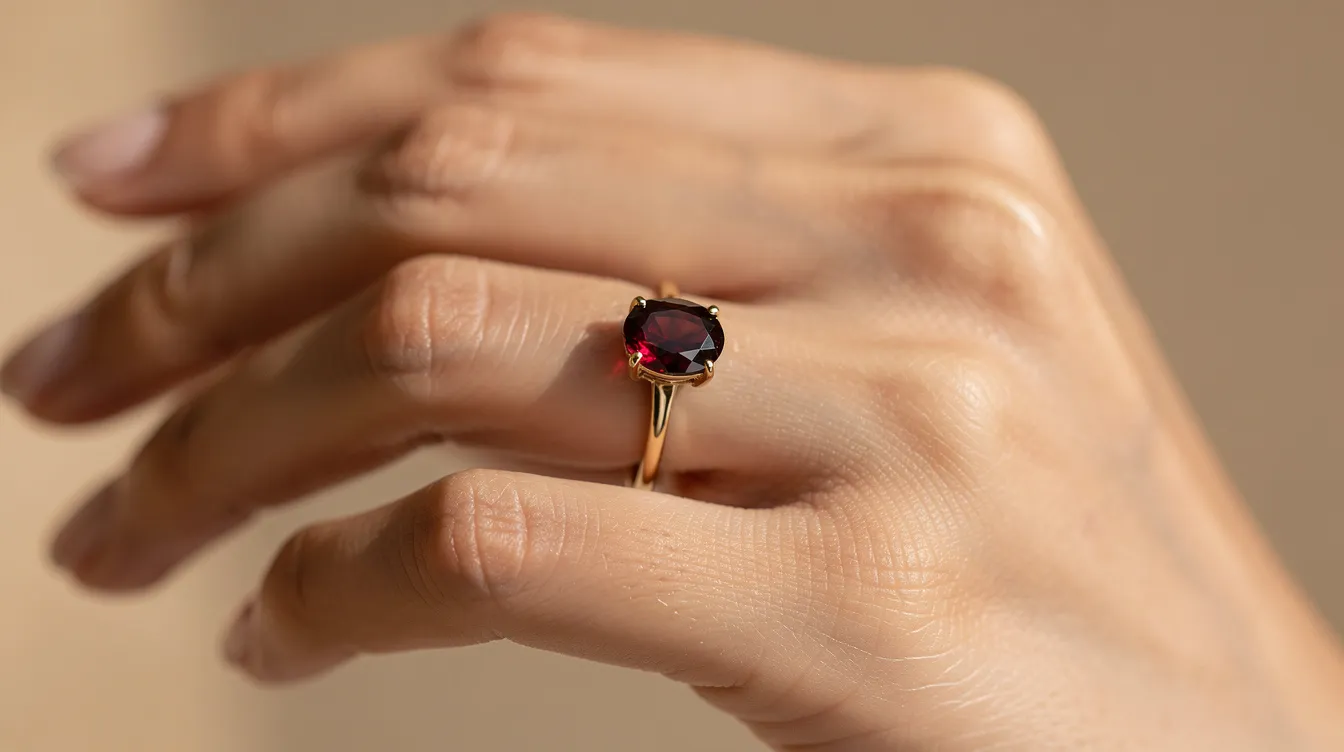
Rings: Solitaire settings showcase the gem’s depth; halo designs with diamonds add sparkle; cluster rings echo Victorian elegance
Necklaces and Pendants: Garnet necklaces vary widely, from simple chokers to elegant chains, often featuring striking pendants that highlight the gem’s fiery brilliance. Historical and ornate styles frequently showcase garnets set in intricate gold settings, enhancing their rich colour and sparkle.
Earrings: Versatile studs suit daily wear; elegant drops transition to evening; hoop styles with pavé-set garnets add modern flair
Bracelets: Tennis styles offer continuous sparkle; charm bracelets incorporate garnet as a personal symbol
Metal pairings: Yellow gold and rose gold enhance garnet’s warmth, while silver and white gold provide contemporary contrast. Garnet jewellery pairs beautifully with diamonds, sapphires, pearls, or other birthstones for multi-stone family pieces.
How to Style Garnet Jewellery
Garnet’s rich colours dress up or down effortlessly, working with both winter wardrobes and year-round looks.
-
Everyday: Small stud earrings or a simple pendant with knitwear, office outfits, or casual weekend attire
-
Evening: Larger cocktail rings, drop earrings, or layered necklaces for parties and formal events
-
Layering: Stack delicate garnet rings with plain metal bands; combine pendants at different lengths
-
Colour matching: Garnet looks striking against black, deep green, cream, navy, and soft grey
-
Mix metals: Pair rose gold garnet pieces with yellow accents for a curated, modern look
Hardness, Durability, and Everyday Wear
Garnet is durable for most jewellery but is more susceptible to damage than rubies, sapphires, and diamonds. It ranks between 6.5 and 7.5 on the Mohs scale of hardness, classifying it as a medium-hard gemstone.
-
Practical implications: Excellent for earrings, pendants, and bracelets; daily-wear rings may show light scratches over time
-
Resistance: Generally tolerates light exposure and normal household chemicals; avoid strong acids
-
Comparative hardness: Can scratch softer stones like pearls and opal but yields to diamonds and alexandrite
-
Storage advice: Garnet jewellery should be stored carefully to avoid scratches from harder gems, ideally in individual soft pouches or compartments
-
Active lifestyles: Consider garnet in necklaces or earrings rather than rings worn during manual work, and keep in mind its position on the gem hardness scale for everyday wear
How to Care for and Clean Garnet Jewellery
Simple at-home care keeps garnet jewellery sparkling for years.
-
Cleaning: Use warm soapy water with mild dish soap and a soft brush or cloth; rinse thoroughly and dry gently
-
Avoid: Steam cleaners and sudden temperature changes, especially if the stone has visible inclusions
-
Ultrasonic cleaners: Generally safe for untreated garnets; consult a professional if uncertain
-
Storage: Keep pieces in individual soft pouches so they don’t rub against harder stones or metal edges
-
Professional care: Periodic check-ups for settings, prongs, and clasps protect your investment
Alternative and Secondary January Birthstones
While garnet remains the traditional and most recognised January birthstone, some modern lists include alternatives.
Rose Quartz is considered an alternative or complementary birthstone for January.
Rose quartz appears on contemporary lists as a softer option, offering pale pink hues associated with unconditional love. Some buyers choose non-red garnets—like green tsavorite or orange spessartine—to personalise their January birthstone jewellery while honouring tradition, or opt for a gold-plated January necklace with garnet and rose quartz that blends both stones in one meaningful piece. These beautiful stones provide variety without straying from the garnet family.
When to Gift January Birth Gemstone Jewellery
Garnet jewellery makes a memorable gift for occasions throughout the year, not just in January.
-
Birthdays: Perfect for anyone born in January
-
New Year celebrations: Reflects fresh starts and renewed energy
-
Wedding anniversaries: Ideal for the 2nd anniversary; represents commitment and eternal love, especially when you choose January birthstone garnet jewellery that symbolises passion and friendship
-
Valentine’s Day: Symbolises loyalty, passion, and deep affection
-
Mother’s Day or Christmas: Thoughtful for mothers or grandmothers born in January
-
Milestones: Graduations, promotions, or personal achievements benefit from garnet’s symbolism of ambition
-
Family jewellery: Combine garnet with other birthstones in necklaces or stacking rings to honour loved ones born in different months, such as February’s amethyst birthstone
Key Facts About Garnet at a Glance
Quick reference for this january birth gemstone:
-
Mineral family: Garnet group (nesosilicates)
-
Colours: Red, orange, yellow, green, pink, purple, brown, blue, and colourless
-
Lustre: Vitreous (glassy)
-
Hardness: 6.5–7.5 Mohs
-
Major sources: East Africa, India, Sri Lanka, Brazil, Russia, USA, Bohemia
-
Treatments: Most gem-quality garnets are natural and untreated
-
Anniversary: 2nd wedding anniversary gem
-
Care: Clean with warm soapy water; avoid steam
Choosing Your Perfect January Birthstone Piece
Select garnet jewellery that reflects your personal style, budget, and the symbolism that resonates most with you. Consider your preferred colour—classic red or alternative shades—metal type, intended wear, and desired meaning.
Because garnet offers luxury colour at an accessible price compared to rubies, it’s ideal for first fine-jewellery purchases or upgrading from fashion pieces. If you’re building a wider birthstone collection, you might also explore June’s three birthstones—pearl, moonstone, and alexandrite alongside December favourites like turquoise, tanzanite, blue zircon, and blue topaz and other December birthstone options. Lovers of green gems can compare garnet’s vivid tsavorite varieties with other icons in guides such as jadeite vs emerald for green jewellery. For autumn birthdays, vibrant November gems like topaz and citrine birthstones are popular, with additional inspiration from curated November birthstone jewellery ideas and detailed looks at topaz and citrine symbolism. You can also balance your collection with softer June gems through another take on June birthstones—pearl, moonstone, and alexandrite, or focus on metal choices with a practical gold plated jewellery care and buying guide. Cool-toned enthusiasts often gravitate to December’s blue topaz, tanzanite, and turquoise or the singular charm of turquoise as a December birthstone, while February birthdays may prefer the regal glow of an amethyst February birthstone. Finally, sunny citrine as the November birthstone adds golden optimism to a birthstone wardrobe. Whether chosen for its January birth connection, its romance and lore, or simply its undeniable beauty, garnet is a timeless gem to enjoy all year round.
Frequently Asked Questions About January Birthstone Jewellery
What is the January birth gemstone?
The January birth gemstone is garnet, most famously known for its deep red color. However, garnet comes in a variety of hues including orange, green, yellow, and purple. This versatile gemstone symbolizes protection, love, and loyalty.
Why is garnet associated with the word "seed"?
The name "garnet" originates from the medieval Latin word "granatus," meaning "pomegranate seed." This is because the rounded garnet crystals resemble the bright red seeds of a pomegranate fruit.
What makes garnet special compared to other gemstones?
Garnet is unique for its high-intensity sparkle, often called "fire," and its rich history dating back to the Bronze Age. It has been used as a talisman for protection and is believed to bring mental clarity and emotional balance.
How hard is garnet and is it suitable for everyday wear?
Garnet ranks between 6.5 and 7.5 on the Mohs scale of hardness, making it a medium-hard gemstone. It is durable enough for earrings, pendants, and bracelets, but daily wear rings may show some light scratches over time. Proper care is recommended to maintain its beauty.
How should I care for garnet jewellery?
Garnet jewellery should be cleaned using a soft brush and warm soapy water. Ultrasonic cleaners are generally safe unless the stone has fractures or treatments. Steam cleaning is not recommended. Store garnet pieces separately to avoid scratches from harder gemstones.
What types of jewellery are popular with garnet?
Popular garnet jewellery includes rings (solitaire and cluster styles), necklaces (chokers and pendants), earrings (studs, hoops, and drops), and bracelets. Garnet pairs beautifully with metals like yellow gold, rose gold, silver, and white gold.
Are there alternative birthstones for January?
Yes, rose quartz is often considered an alternative or complementary birthstone for January. It features soft pink hues and symbolizes unconditional love, providing a gentler option alongside garnet.
What occasions are suitable for gifting garnet jewellery?
Garnet jewellery is an excellent gift for January birthdays, 2nd wedding anniversaries, Valentine’s Day, Mother’s Day, Christmas, and other milestones such as graduations or promotions. Its symbolism of loyalty and new beginnings makes it meaningful for many celebrations.
Can garnet jewellery be combined with other gemstones?
Absolutely. Garnet pairs well with diamonds, sapphires, pearls, and other birthstones, allowing for personalized multi-stone pieces that celebrate family or special occasions.
Where does garnet come from?
Garnet deposits are found worldwide, with major sources including East Africa (Tanzania, Kenya, Namibia), India, Sri Lanka, Brazil, Russia, and historically, Bohemia (now the Czech Republic). Many garnets today come from small-scale artisanal miners, especially in East Africa.
These FAQs provide a helpful guide to understanding and appreciating January birthstone jewellery, making it easier to choose and care for these beautiful and meaningful gems.
Leave a comment