

When choosing gemstones for jewelry, especially pieces you’ll wear regularly like engagement rings or everyday jewellery, understanding gemstone hardness becomes crucial for making informed decisions. The gem hardness scale, commonly known as the Mohs scale, serves as your roadmap to selecting stones that will maintain their beauty and structural integrity over time.
Many jewelry buyers focus solely on appearance and price, overlooking a fundamental property that determines how well their gemstones will withstand daily wear and tear. This comprehensive guide will walk you through everything you need to know about the Mohs hardness scale, from its scientific foundations to practical applications in choosing the perfect stones for your gemstone jewellery collection.
What you will learn:
-
How the Mohs scale of hardness measures scratch resistance and why it matters
-
Which gemstones are suitable for everyday wear versus occasional pieces
-
How to match gemstone hardness with appropriate jewelry settings
-
The difference between hardness and toughness in gemstone durability
-
Practical care tips for different hardness values and categories
What is the Gem Hardness Scale?
The gem hardness scale, officially known as the Mohs hardness scale, is a system developed by German mineralogist Friedrich Mohs in 1812 to measure a mineral’s resistance to scratching. This scale measures relative hardness using ten reference minerals, each representing a specific hardness level from 1 (softest mineral) to 10 (hardest gem). The Mohs scale is widely used by gemologists and the gemological institute community to classify and identify gemstones based on their hardness.
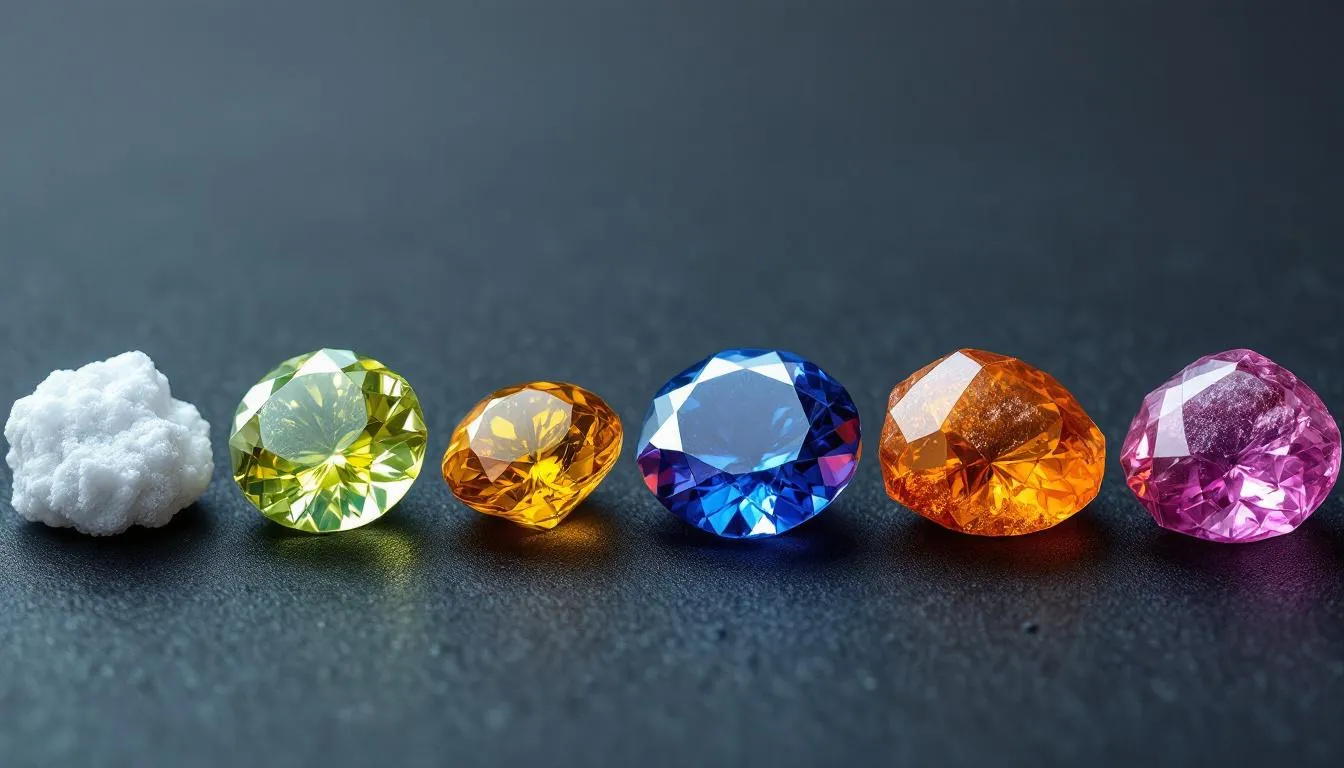
The scale works on a simple principle: harder materials can scratch softer ones, but softer material cannot scratch harder gemstones. For example, diamond (rated 10) can scratch all other materials on the scale, while quartz (rated 7) can scratch anything below it but will be scratched by topaz, corundum, and diamond.
Hardness vs. Toughness: Understanding the Difference
While hardness measures scratch resistance, toughness refers to a material’s ability to resist breaking, chipping, or cracking under impact. Toughness differs from hardness; a gem's toughness refers to its resistance to breaking or chipping upon impact. These properties don’t always correlate directly. For example, diamond ranks highest in hardness but can shatter along its cleavage planes if struck in the wrong direction. Conversely, jadeite rates only 6.5-7 in hardness but demonstrates exceptional toughness, historically used for tools and weaponry.
This distinction explains why some moderately hard gemstones like pearls (2.5-4.5 hardness) can still be suitable for certain jewelry applications when properly protected, while some harder stones might require careful setting design to protect against impact damage. Gemstones like opals and pearls are more delicate and require protective settings to maintain their integrity.
The 10 Reference Minerals
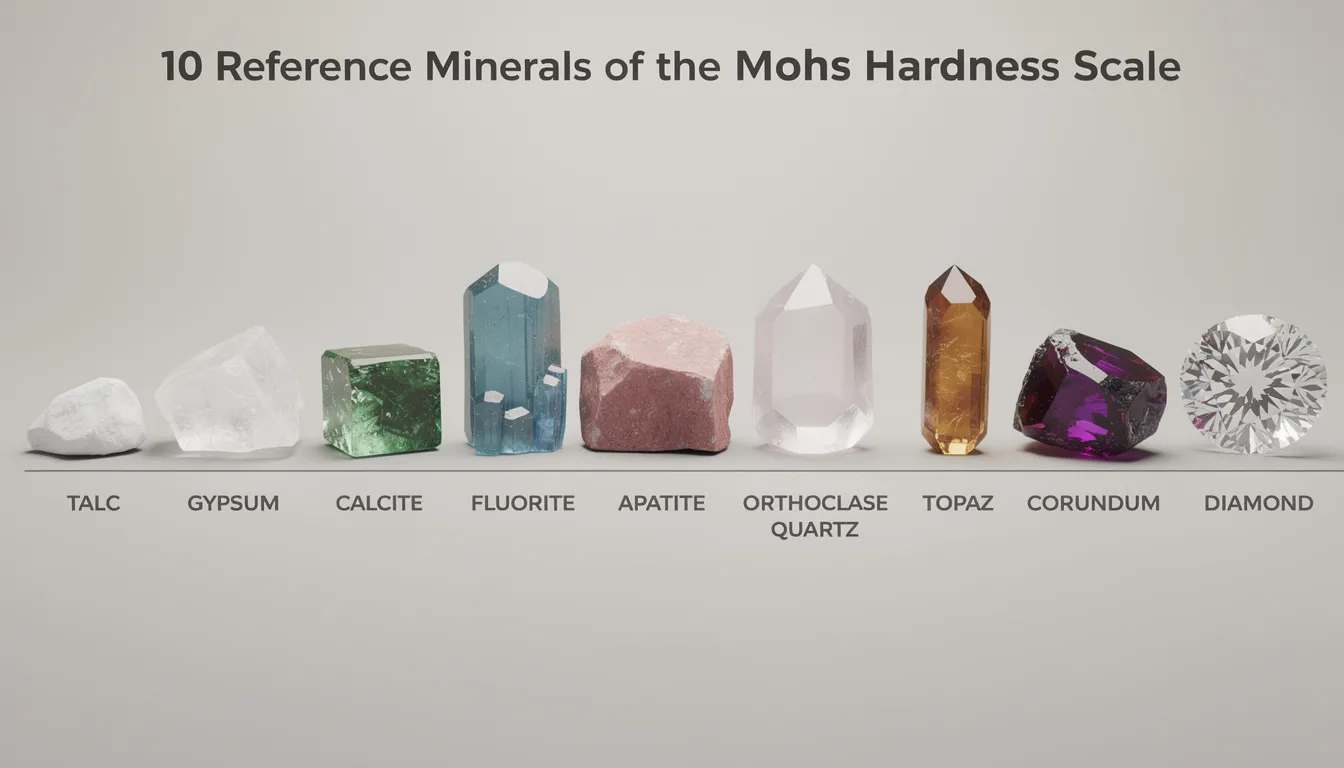
Here’s the complete Mohs scale with its reference minerals:
|
Hardness |
Mineral |
Common Examples of Intricate Sterling Silver Earrings |
|---|---|---|
|
1 |
Soapstone |
|
|
2 |
Gypsum |
Fingernail (2.5) - For more information on different types of gold plating for jewellery, see our complete guide on 5 types of gold plating for jewellery. |
|
3 |
Calcite |
Copper coin (3.5) |
|
4 |
Fluorite – explore elegant Sterling Silver Circle Stud Earrings for a timeless accessory option. |
Steel file (4-5) |
|
5 |
Apatite |
Glass (5.5) |
|
6 |
Orthoclase |
Steel knife (6.5) |
|
7 |
Quartz |
Household dust |
|
8 |
Topaz |
Hardened steel |
|
9 |
Corundum |
Tungsten carbide |
|
Gold-Plated Necklace with June Pearl & Moonstone Birthstones and Rose Flower |
Diamond |
Industrial diamond |
It’s important to understand that the Mohs scale represents relative hardness, not absolute hardness. The gaps between numbers aren’t equal - diamond is approximately four times harder than corundum (sapphire and ruby), while corundum is only twice as hard as topaz. This non-linear progression means that each step up represents increasingly significant improvements in scratch resistance.
How the Scale Measures Scratch Resistance
The Mohs hardness test involves attempting to scratch one mineral with another. If mineral A can scratch mineral B, then A is harder than B. This simple test doesn’t require specialized equipment, making it practical for gem identification and everyday applications in choosing stones for jewelry. The scale is used in industries beyond gemology, including construction and manufacturing, to determine material durability.
However, hardness refers specifically to scratch resistance, not a gemstone’s overall durability. A stone might be hard but still vulnerable to impact damage due to perfect cleavage planes or internal stress points. This distinction becomes crucial when selecting gemstones for different types of jewelry and protective settings.
Why Gem Hardness Matters for Jewelry
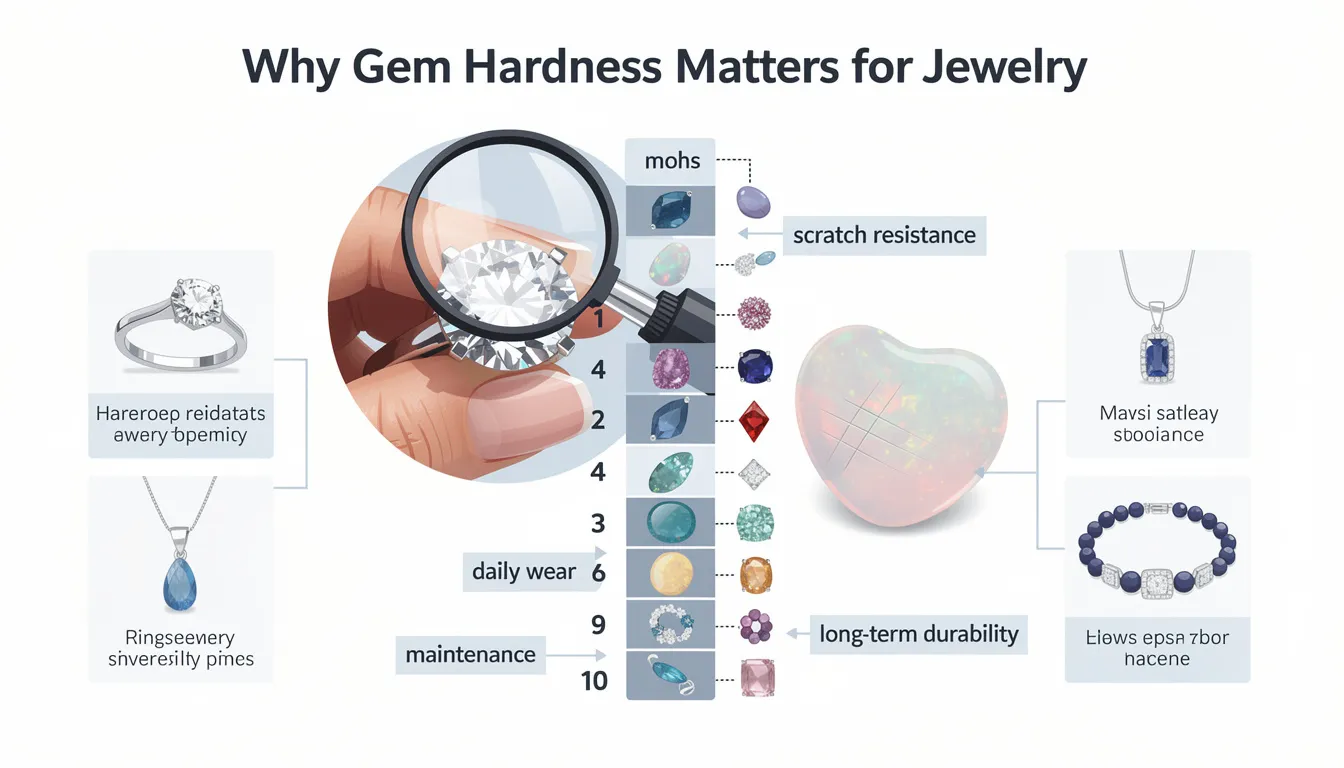
Understanding gemstone hardness plays a critical role in determining how well your jewelry will maintain its appearance and value over time. The practical implications extend far beyond simple scratch resistance, affecting everything from daily maintenance to long-term gemstone durability.
Impact on Everyday Jewellery
Most people don’t realize that household dust contains tiny particles of quartz, which rates 7 on the Mohs scale. This means that any gemstone below 7 hardness will gradually develop surface scratches from normal exposure to dust during everyday wear. Softer stones require more careful handling and regular professional cleaning to maintain their polish and brilliance.
For engagement rings and other jewelry worn daily, choosing harder gemstones becomes essential. The constant contact with hard surfaces, accidental bumps, and exposure to common materials creates an environment where softer stones simply cannot maintain their beauty without frequent professional attention.
Relationship Between Hardness and Value
While many other factors influence gemstone value, hardness significantly affects a stone’s desirability in the jewelry market. Harder gemstones typically command higher prices not just for their rarity, but for their practical superiority in jewelry applications. Popular gemstones like emeralds, despite their beauty, often require careful consideration due to their moderate hardness of 7.5-8 and tendency toward internal fractures.
The gemstone market recognizes this relationship, with the hardest gemstones - diamonds, sapphires, and rubies - consistently maintaining premium positions. These stones offer the perfect combination of beauty and durability that buyers assess for significant jewelry purchases.
Maintenance and Care Requirements
Different hardness values require different care approaches:
Soft gemstones (1-6) need protective settings, gentle cleaning methods, and careful storage away from harder materials. They benefit from professional cleaning and may require re-polishing over time.
Moderate hardness stones (7-8) can handle regular wear but still need appropriate settings and periodic professional maintenance to address minor surface wear.
Hard gemstones (9-10) require minimal special care beyond standard jewelry maintenance, making them ideal for frequently worn pieces.
Hardness vs. Toughness: Understanding the Difference
While hardness measures scratch resistance, toughness refers to a material’s ability to resist breaking, chipping, or cracking under impact. These properties don’t always correlate directly. For example, diamond ranks highest in hardness but can shatter along its cleavage planes if struck in the wrong direction. Conversely, jadeite rates only 6.5-7 in hardness but demonstrates exceptional toughness, historically used for tools and weaponry.
This distinction explains why some moderately hard gemstones like pearls (2.5-4.5 hardness) can still be suitable for certain jewelry applications when properly protected, while some harder stones might require careful setting design to protect against impact damage. Gemstones like opals and pearls are more delicate and require protective settings to maintain their integrity.
Soft Gemstones (1-6 on Mohs Scale)
Soft gemstones, defined as those rating below 7 on the Mohs hardness scale, include some of the most beautiful and culturally significant stones in jewelry history. While these softer gemstones require more careful handling, they offer unique aesthetic qualities and can create stunning jewelry when properly designed and cared for. Providing care information to customers when selling softer gemstones can enhance their experience and reduce complaints.
Characteristics of Softest Minerals and Gemstones
The softest minerals and gemstones share several common characteristics that affect their use in jewelry:
-
Easy scratching: These stones will be scratched by quartz (found in household dust) and harder materials
-
Susceptibility to damage: More vulnerable to chips, cracks, and surface wear
-
Special care requirements: Need protective settings and gentle handling
-
Unique beauty: Often display distinctive optical properties not found in harder stones
Popular Examples of Soft Gemstones
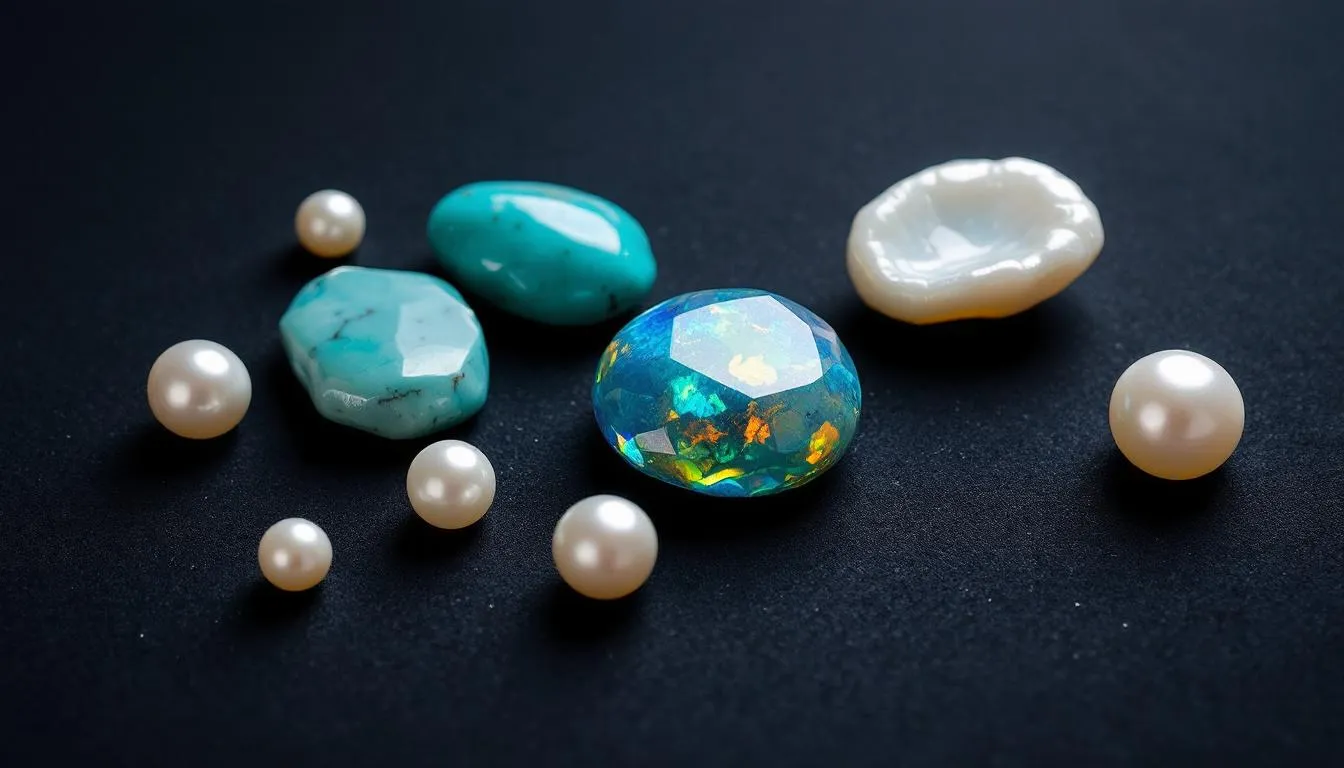
Pearls (2.5-4.5 hardness): These organic gems rank among the softest commonly used in jewelry. Despite their low hardness, pearls remain extremely popular for their lustrous beauty and cultural significance. They require careful storage away from other jewelry and gentle cleaning with soft cloths. Pearls should be the last thing you put on and the first thing you take off to minimize exposure to damage.
Turquoise (5-6 hardness): This vibrant blue-green stone has adorned jewelry for thousands of years. While beautiful, turquoise is easily scratched and often requires stabilization treatments to improve durability in jewelry applications.
Opal (5.5-6 hardness): Known for their spectacular play of color, opals present unique challenges due to their water content and tendency to crack. Opal jewellery requires protective settings and careful handling to prevent damage. Opals should be worn less frequently for longevity due to their lower hardness and sensitivity to temperature changes.
Lapis lazuli (5-5.5 hardness): This deep blue stone with gold flecks has been prized since ancient times. Its moderate softness makes it suitable for earrings and pendants but problematic for rings subjected to daily wear.
Special Care Requirements
Softer stones demand specific care approaches:
Storage: Keep soft gemstones separated from harder materials. Use individual soft pouches or compartments to prevent contact with other jewelry that could cause scratches.
Cleaning: Use only gentle soap and water with soft brushes. Avoid ultrasonic cleaners and harsh chemicals that could damage the stone’s surface or internal structure.
Handling: Minimize contact with hard surfaces and be extra careful when putting on or removing jewelry containing soft stones. Cleaning materials like hairsprays and perfumes can damage gemstone surfaces, so avoid contact during application.
Best Jewelry Applications
The softest gemstone types work best in jewelry designs that minimize exposure to damage:
Earrings: Protected position reduces contact with hard surfaces and everyday wear situations that could cause scratching or impact damage.
Pendants and necklaces: Hanging position provides natural protection while allowing sapphire jewellery styles to be displayed prominently alongside the stone’s beauty.
Protected ring settings: When used in rings, soft stones benefit from bezel settings or designs that position the stone below the ring’s profile, reducing direct contact with surfaces. Softer gemstones are best suited for earrings or pendants rather than rings or bracelets where they are more exposed. Rings undergo the most daily stress, so choose settings that offer adequate protection for the gemstone.
Occasional wear pieces: Soft gemstones excel in statement jewelry designed for special occasions rather than everyday jewellery.
Protective Settings for Softer Stones
Jewelry designers have developed specific setting techniques to protect softer gemstones:
-
Bezel settings: Completely surround the stone with metal, providing maximum protection
-
Partial bezels: Protect vulnerable edges while maintaining visual access to the stone
-
Flush settings: Position the stone below the surface level of the surrounding metal
-
Cluster designs: Surround soft center stones with harder accent stones that absorb potential impacts
Hard Gemstones (7-8 on Mohs Scale)
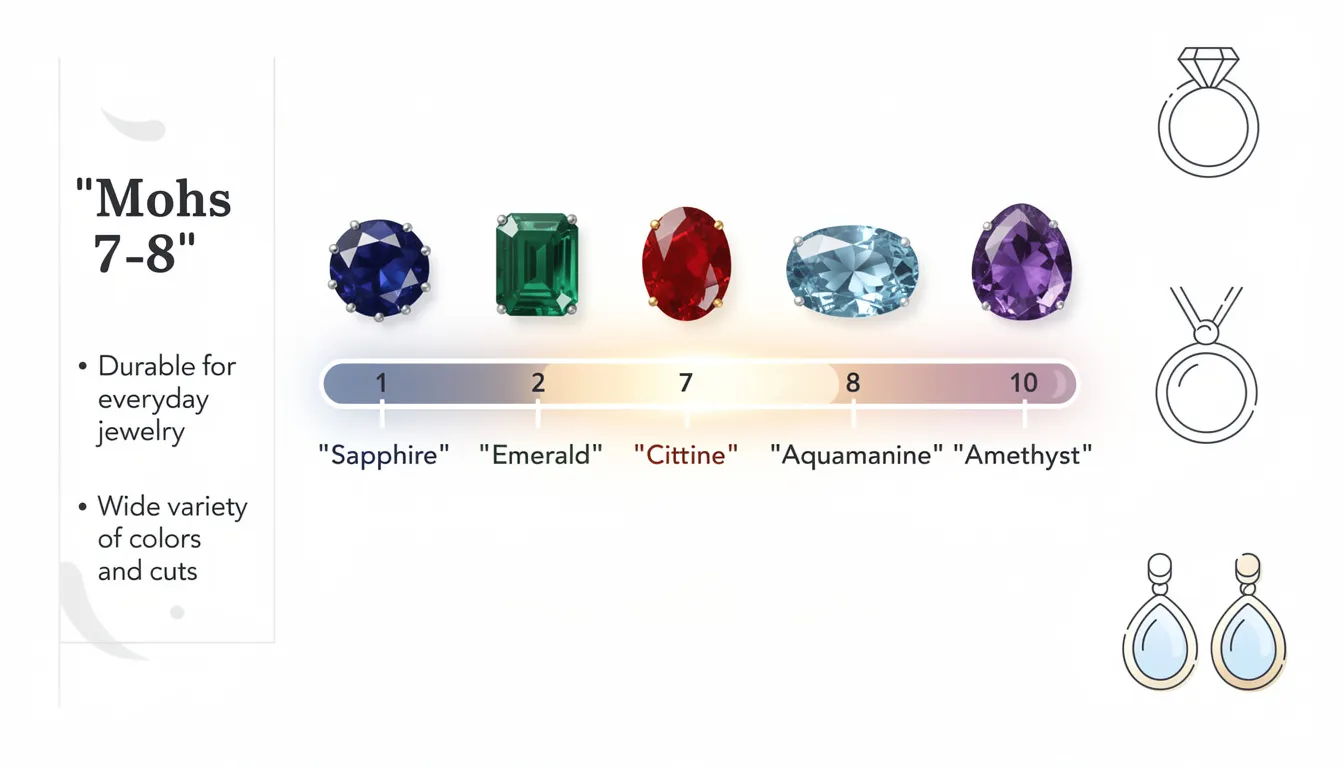
Gemstones rating 7-8 on the Mohs hardness scale represent the sweet spot for many jewelry applications, offering an excellent balance between durability and variety. These moderately hard gemstones can withstand regular wear while providing diverse options for color, cut, and style preferences.
Characteristics of Moderately Hard Gemstones
Hard gemstones in the 7-8 range share several beneficial properties:
-
Resistance to household dust: Won’t be scratched by common quartz particles in dust
-
Suitable for regular wear: Can handle daily exposure without rapid deterioration
-
Versatile setting options: Compatible with most jewelry designs and setting styles
-
Good value proposition: Often more affordable than the hardest gemstones while offering excellent durability
Popular Examples in the 7-8 Range
Quartz family (7 hardness): This large family includes amethyst, citrine, rose quartz, and smoky quartz. These stones offer excellent durability for their price point and come in virtually every color imaginable. Most gemstones in this family can handle everyday jewellery applications with minimal special care.
Emerald (7.5-8 hardness): Despite belonging to the beryl family alongside more durable aquamarine, emeralds present unique challenges due to their characteristic inclusions and tendency toward internal fractures. While hard enough for regular wear, they benefit from protective settings and careful handling.
Aquamarine (7.5-8 hardness): This pale blue to blue-green beryl offers excellent hardness with fewer inclusions than emerald, making it more suitable for everyday wear while maintaining the beauty of colored gemstones.
Tourmaline** (7-7.5 hardness)**: Available in virtually every color, tourmaline provides excellent options for colored stone jewelry with good durability characteristics. Popular varieties include pink tourmaline, green tourmaline, and the rare Paraiba tourmaline. For those interested in other timeless gemstone options, pearl jewellery offers classic beauty and elegance.
Topaz (8 hardness): Natural topaz comes in many colors, with blue topaz being particularly popular. Imperial topaz, in golden to pink hues, represents the most valuable variety. The high hardness makes topaz excellent for all jewelry applications. However, topaz, while it is relatively hard, can chip and split due to its perfect cleavage.
Balance of Beauty and Durability
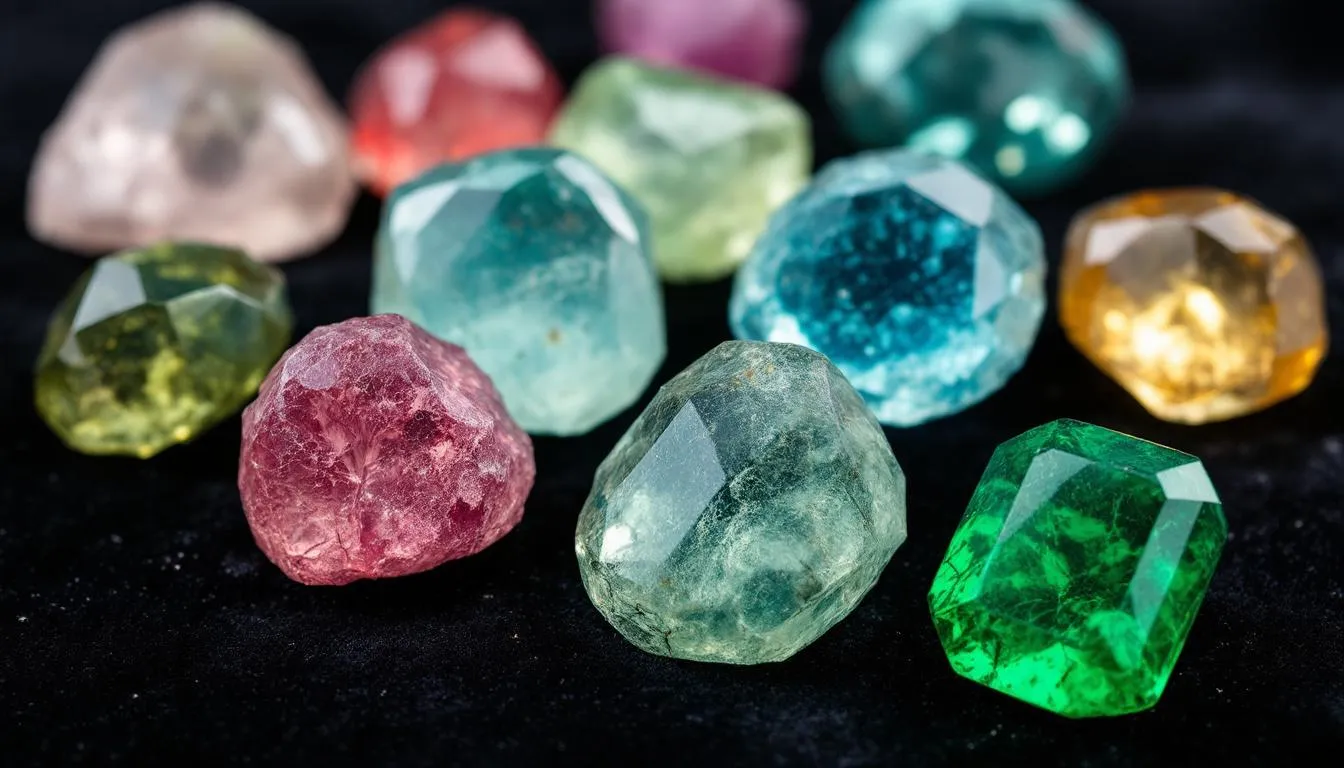
The 7-8 hardness range provides jewelry designers and buyers with extensive options that don’t require the premium pricing of the hardest gemstones. These stones offer:
Color variety: Unlike diamonds, which rely primarily on exceptional clarity and cut for beauty, harder gemstones in this range provide access to virtually every color in the spectrum.
Design flexibility: The good hardness allows for various cutting styles, from traditional faceted cuts to contemporary designer shapes, without excessive concern about fragility.
Price accessibility: Many beautiful options exist at price points significantly below sapphires, rubies, and diamonds, making quality gemstone jewelry accessible to broader markets.
Considerations for Different Settings
While harder gemstones can handle most setting styles, certain considerations optimize their performance:
Prong settings: Work well for stones in this hardness range, though six-prong settings provide better security than four-prong for valuable stones.
Channel settings: Excellent for stones like tourmaline and topaz that can handle the pressure of channel mounting without risk of damage.
Tension settings: Some stones in this range, particularly those with good clarity and no cleavage issues, can work in tension settings, though careful evaluation is required.
Care Instructions for Hard Gemstones
Stones in the 7-8 hardness range, such as sapphire gemstones, require moderate care:
Regular cleaning: Can handle standard jewelry cleaning methods, including gentle ultrasonic cleaning for most varieties (check specific stone requirements).
Storage: While more durable than softer stones, they still benefit from separation to prevent scratching by harder materials.
Professional maintenance: Annual professional cleaning and inspection helps maintain optimal appearance and catch any developing issues early.
Setting checks: Regular inspection of prongs and settings ensures continued security, especially important for stones with any natural inclusions or stress points.
Hardest Gemstones (9-10 on Mohs Scale)
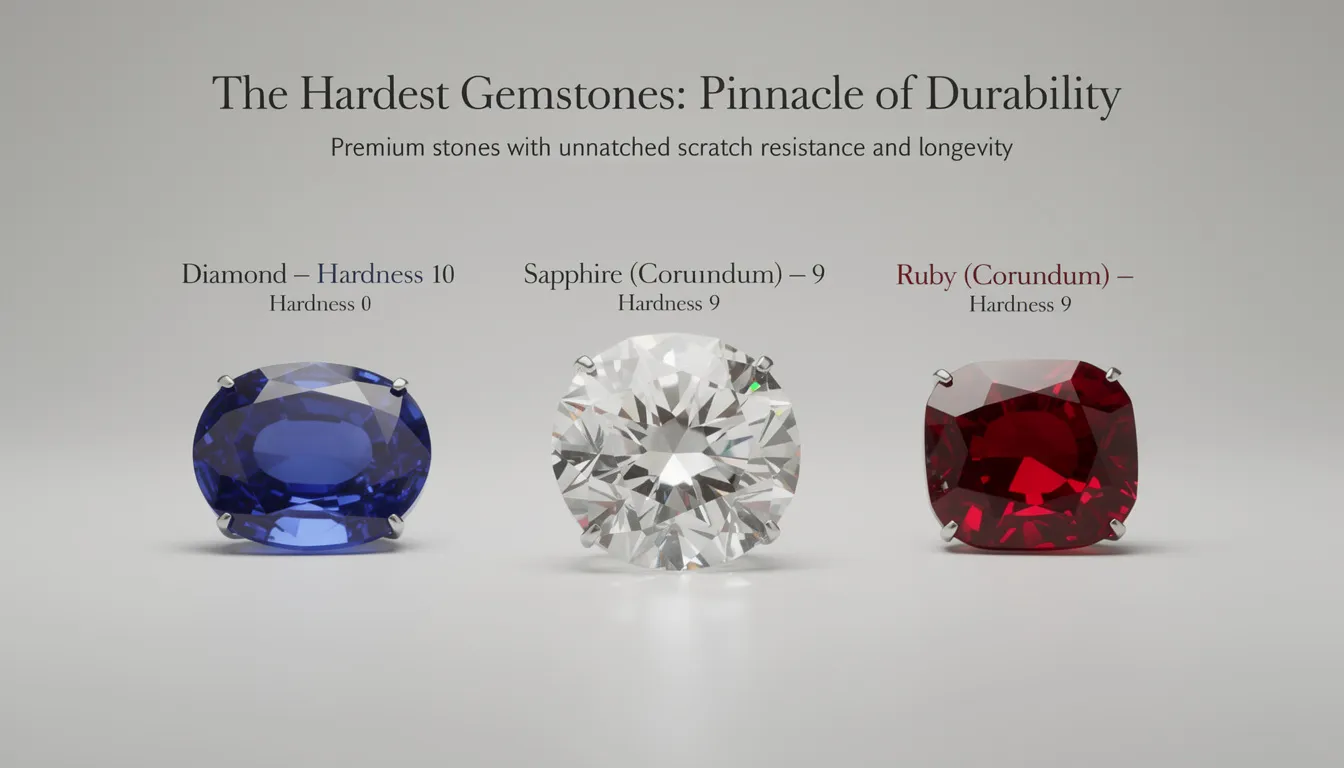
The hardest gemstones represent the pinnacle of durability in the jewelry world, offering unmatched scratch resistance and longevity. These premium stones - primarily corundum (sapphires and rubies) at 9 hardness and diamond at 10 - command top positions in both the jewelry market and consumer preferences for good reason.
Exceptional Scratch Resistance
Gemstones rating 9-10 on the Mohs scale demonstrate remarkable resistance to everyday damage. Only other diamonds can scratch a diamond, and only diamond can scratch corundum. This exceptional hardness means these stones maintain their polish and brilliance indefinitely under normal wear conditions.
The hardest natural substance, diamond, represents the ultimate standard for gemstone durability. Its perfect 10 rating means it can scratch any other material while being virtually immune to surface damage from normal use. Diamond is rated 10 on the Mohs scale, making it the hardest natural substance.
Corundum Family: Sapphires and Rubies
Ruby (9 hardness): The red variety of corundum, ruby combines exceptional hardness with vibrant color. The finest rubies exhibit a pure red color called “pigeon’s blood” and can command higher prices per carat than diamonds of equivalent quality. Certain gemstones like sapphires and rubies, which are rated 9 on the Mohs scale, are very durable and suitable for frequent wear. (For those interested in May's birthstone, consider the emerald gemstone or explore pearl jewellery and care tips.
Sapphire (9 hardness): All non-red varieties of corundum are called sapphires, including blue, pink, yellow, white, and the rare padparadscha (orange-pink). Blue sapphires remain the most popular, particularly for engagement rings where durability meets traditional beauty.
Both rubies and sapphires demonstrate excellent toughness alongside their high hardness, making them ideal for all jewelry applications. Their resistance to scratching, combined with good impact resistance, explains their historical use in both jewelry and industrial applications.
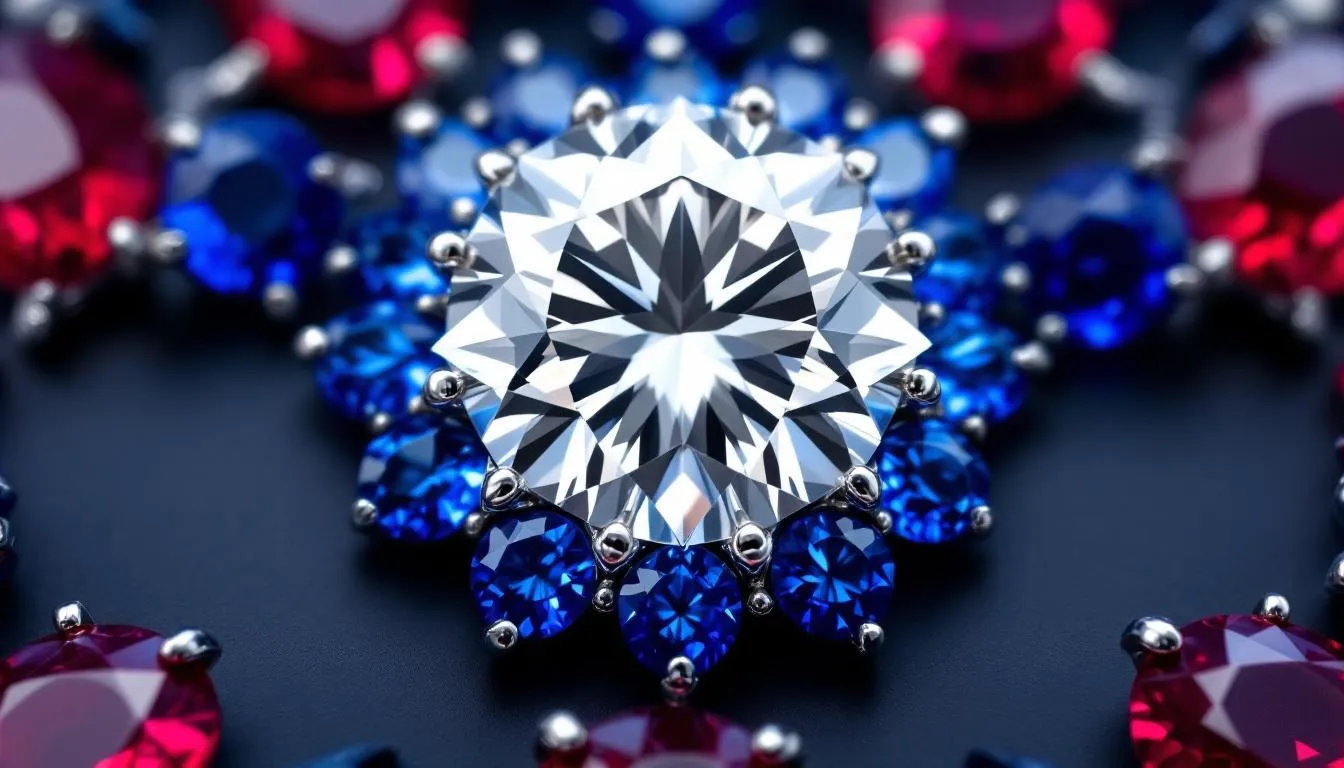
Diamond: The Ultimate Standard
Diamond’s perfect 10 rating on the Mohs hardness scale represents the pinnacle of scratch resistance available in natural materials. This exceptional hardness, combined with diamond’s brilliant optical properties, explains its dominance in engagement rings and luxury jewelry. For those interested in exploring other beautiful gemstones in jewelry, such as gold-plated necklaces featuring October opal & tourmaline birthstones, there are many elegant options available.
Key characteristics of diamond hardness include:
-
Immunity to scratching: Only other diamonds can scratch a diamond
-
Directional variation: While uniformly hard, diamond can be split along specific cleavage planes
-
Industrial applications: Diamond’s hardness makes it valuable for cutting tools and industrial applications beyond jewelry
-
Permanence: Properly cared for diamonds literally last forever without surface degradation
Ideal for Engagement Rings and Daily Wear
The exceptional hardness of 9-10 rated gemstones makes them perfect for engagement rings and other jewelry intended for daily wear. Consider these advantages:
Longevity: These stones will maintain their appearance for generations with minimal care, making them excellent for heirloom pieces.
Low maintenance: Require only basic jewelry care without special handling requirements or frequent professional maintenance. For example, handcrafted sterling silver and gold-plated jewellery are designed to be durable and easy to care for.
Setting versatility: Can handle any setting style, including contemporary tension settings that showcase the stone while relying on its hardness for security.
Investment value: The combination of beauty and durability helps maintain value over time, important for significant jewelry purchases.
Pricing Implications and Investment Value
The hardest gemstones typically command premium prices that reflect both their rarity and practical superiority:
Market positioning: Diamonds, sapphires, and rubies consistently rank among the most valuable gemstones, with prices reflecting their desirability and durability.
Cost per carat: While initial costs are higher, the longevity and minimal maintenance requirements of these stones often provide better long-term value than softer alternatives that require frequent care or replacement.
Resale value: The combination of durability and market recognition helps these stones maintain value better than softer gemstones that may show wear over time.
Insurance considerations: The hardness of these stones often results in lower insurance premiums due to reduced risk of damage during normal wear.
Practical Considerations for Hardest Gemstones
While these stones offer exceptional durability, buyers should understand their characteristics:
Cleavage planes: Even diamond can be damaged by impact along specific crystallographic directions, requiring some care despite high hardness.
Heat sensitivity: Some treatments used on sapphires and rubies can be affected by extreme heat, requiring communication with jewelers about any treatments.
Color considerations: While durability is exceptional, color quality varies significantly and affects value more than hardness alone.
Authenticity verification: The high value of these stones makes professional gemological verification important for significant purchases.
The hardest gemstones represent the ultimate choice for jewelry that must withstand decades of regular wear while maintaining its beauty. Whether choosing a diamond for an engagement ring or selecting sapphires for anniversary jewelry, these stones provide unmatched peace of mind regarding long-term durability and appearance retention. For those interested in exploring the unique significance and beauty of softer, symbolic gems, such as June birthstones like pearl, moonstone, and alexandrite, there are many meaningful options to consider as well.
Understanding the gem hardness scale empowers you to make informed decisions about gemstone selection based on your specific needs, lifestyle, and budget. From the careful consideration required for soft gemstones to the confidence that comes with choosing the hardest gem available, the Mohs scale provides the framework for selecting jewelry that will provide lasting beauty and satisfaction.
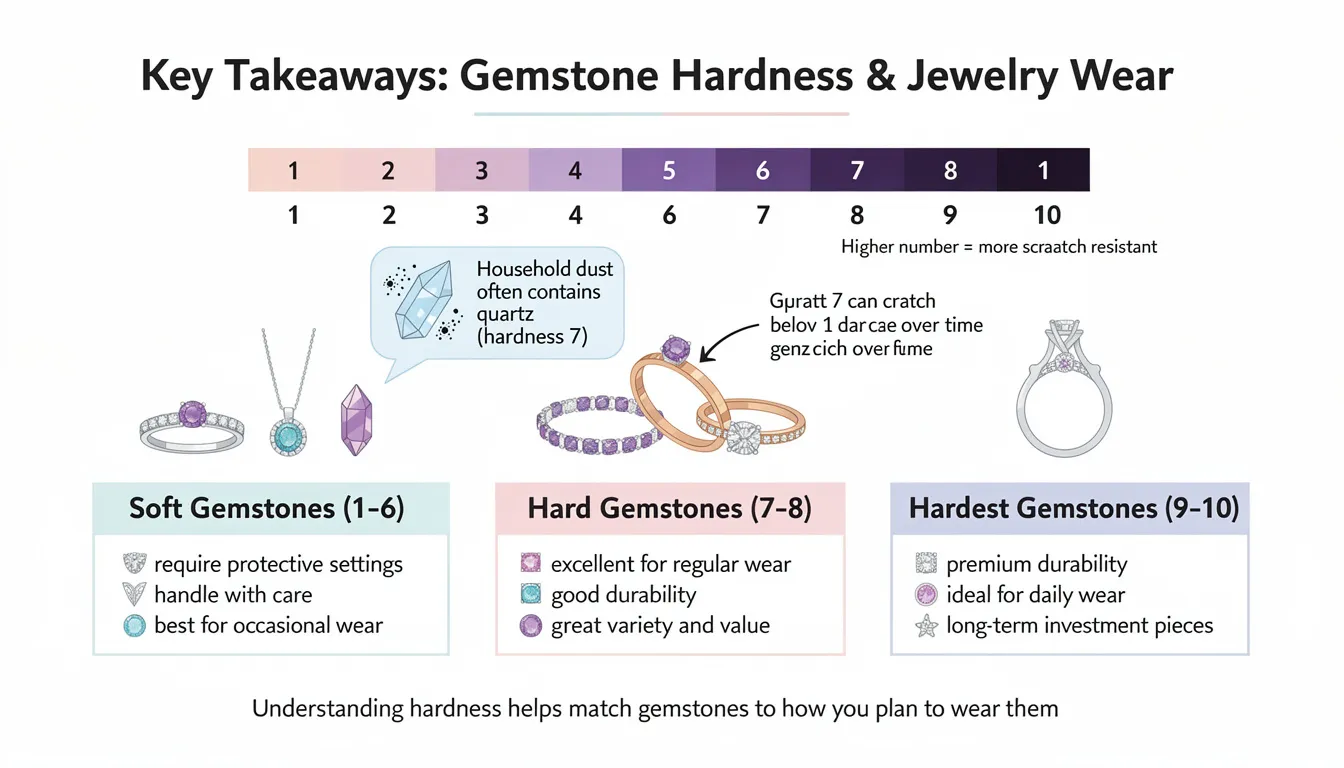
Key Takeaways
-
The Mohs hardness scale measures scratch resistance from 1-10, with higher numbers indicating greater ability to resist surface damage
-
Household dust contains quartz (7 hardness), making gemstones below this level vulnerable to gradual surface scratching
-
Soft gemstones (1-6) require protective settings and careful handling but offer unique beauty for appropriate applications
-
Hard gemstones (7-8) provide excellent durability for regular wear with good variety and value
-
The hardest gemstones (9-10) offer premium durability ideal for daily wear jewelry and long-term investment pieces
-
Understanding hardness helps match gemstone selection with intended use, from occasional wear pieces to everyday jewellery
When choosing gemstones for your jewelry collection, consider both the beauty that draws you to a particular stone and the practical implications of its hardness rating. Whether you’re selecting an engagement ring that will be worn daily for decades or choosing earrings for special occasions, the gem hardness scale provides essential guidance for making choices you’ll appreciate for years to come.
Frequently Asked Questions (FAQs)
What is the Mohs Hardness Scale and who developed it?
The Mohs Hardness Scale was developed by German mineralogist Friedrich Mohs in 1812. It measures the scratch resistance of minerals by ranking them from 1 (softest) to 10 (hardest). This scale is widely used by gemologists to classify and identify gemstones based on their hardness.
Why is diamond rated 10 on the Mohs scale?
Diamond holds the top rating of 10 on the Mohs scale, making it the hardest natural substance known. This exceptional hardness means that only other diamonds can scratch it, contributing to its popularity for engagement rings and everyday jewellery.
Is the Mohs scale linear?
No, the Mohs scale is not linear. The difference in hardness between minerals increases significantly as you move up the scale. For example, diamond is much harder than corundum (sapphire and ruby), even though it is only rated one point higher on the scale.
Are softer stones suitable for everyday wear?
Softer stones, those rated below 7 on the Mohs scale, are more prone to scratches and damage, making them less durable for everyday wear. These stones are better suited for earrings or pendants, which experience less impact and abrasion compared to rings or bracelets.
How does gemstone hardness affect jewelry settings?
Knowing a gemstone's hardness helps in selecting appropriate protective settings. Gems with low hardness or high cleavage require settings that minimize exposure and maximize protection, such as bezel or flush settings. Ring settings, in particular, should protect the gem from knocks and scrapes, considering rings undergo the most daily stress.
Can hard gemstones still be damaged?
Yes, even the hardest gemstones can be vulnerable to damage depending on their internal structure and cleavage planes. For example, topaz, while relatively hard, has perfect cleavage and can chip or split if struck sharply. Similarly, diamonds can shatter if hit along specific cleavage planes despite their hardness.
How should softer gemstones be cared for?
Softer gemstones require more careful cleaning and storage to prevent scratches and damage. They should be stored separately from other stones to avoid contact damage. Cleaning typically involves using a small dish of soapy water for gentle cleaning. Ultrasonic cleaners should be used with caution, as vibrations can break stones or affect their color.
Are there special considerations for delicate stones like opals and pearls?
Yes, gemstones like opals and pearls are more delicate and require protective settings to maintain their integrity. Opals should be worn less frequently due to their lower hardness and sensitivity to temperature changes. Pearls, being organic and soft, should be the last thing you put on and the first thing you take off to minimize exposure to damage. Avoid contact with cleaning materials like hairsprays and perfumes, which can dull their surfaces.
How is the hardness of a mineral tested?
Testing hardness is often done by scratching the mineral with another mineral of known hardness. If the test mineral scratches the other, it is harder. This practical method helps in identifying gemstones and assessing their suitability for different jewelry uses.
Why is understanding gemstone hardness important when choosing jewelry?
Understanding gemstone hardness is crucial for selecting durable jewelry pieces. It helps buyers assess wearability and longevity, ensuring the chosen gemstone matches the intended use. For example, diamonds, sapphires, and rubies (rated 9 on the Mohs scale) are very durable and suitable for frequent wear, while softer stones require protective settings and occasional use.
How does hardness relate to gemstone durability and wearability?
Hardness measures scratch resistance, but durability also depends on toughness, cleavage, and structural integrity. A gemstone might be very hard but still unsuitable for everyday wear if it is brittle or prone to chipping. Therefore, choosing the right gemstone requires a balanced look at all factors affecting wearability and durability.
Can the Mohs scale be used outside of gemology?
Yes, the Mohs scale is also used in industries like construction and manufacturing to determine material durability. Its simplicity and practicality make it a valuable tool beyond gemstone classification.
What care tips can help extend the life of gemstone jewelry?
-
Store gemstones separately to avoid scratches.
-
Use gentle cleaning methods like soapy water; avoid harsh chemicals.
-
Be cautious with ultrasonic cleaners, especially for softer or treated stones.
-
Avoid sudden temperature changes to prevent fractures and cracks.
-
Remove jewelry before applying hairsprays, perfumes, or engaging in activities that might damage the stones.
Why provide care information when selling softer gemstones?
Providing care information enhances customer experience and reduces complaints by educating buyers on how to maintain their jewelry. This is especially important for softer gemstones that require more delicate handling and protective settings to preserve their beauty and structural integrity over time.
These FAQs offer essential insights into gemstone hardness, care, and selection, helping buyers make informed decisions for lasting jewelry enjoyment.
Leave a comment