

In this blog, we will discuss how to clean sterling silver jewellery, and provide you with tips and tricks on how to do that effectively. Let us start with an introduction.
Sterling silver jewellery, with its timeless appeal and versatile charm, is a cherished possession for many. From delicate necklaces and silver chains to bold statement rings, bracelets, and earrings, its lustrous gleam adds a touch of elegance and makes silver shiny for any ensemble. However, like all precious metals, sterling silver requires proper care to maintain its captivating brilliance and colour. Over time, you might notice your favourite silver pieces losing their shine, a common occurrence known as tarnishing. This comprehensive guide is designed to help you understand how to clean sterling silver jewellery effectively, ensuring your treasured items remain as radiant as the day you first acquired them. We will explore best practices for cleaning silver jewellery, delve into polishing methods, and provide essential tips to prevent silver tarnishing. Our aim is to empower you with the knowledge to keep your sterling silver jewellery shiny and clean, preserving its beauty and colour for years to come.
What is Sterling Silver and Why Does it Tarnish?
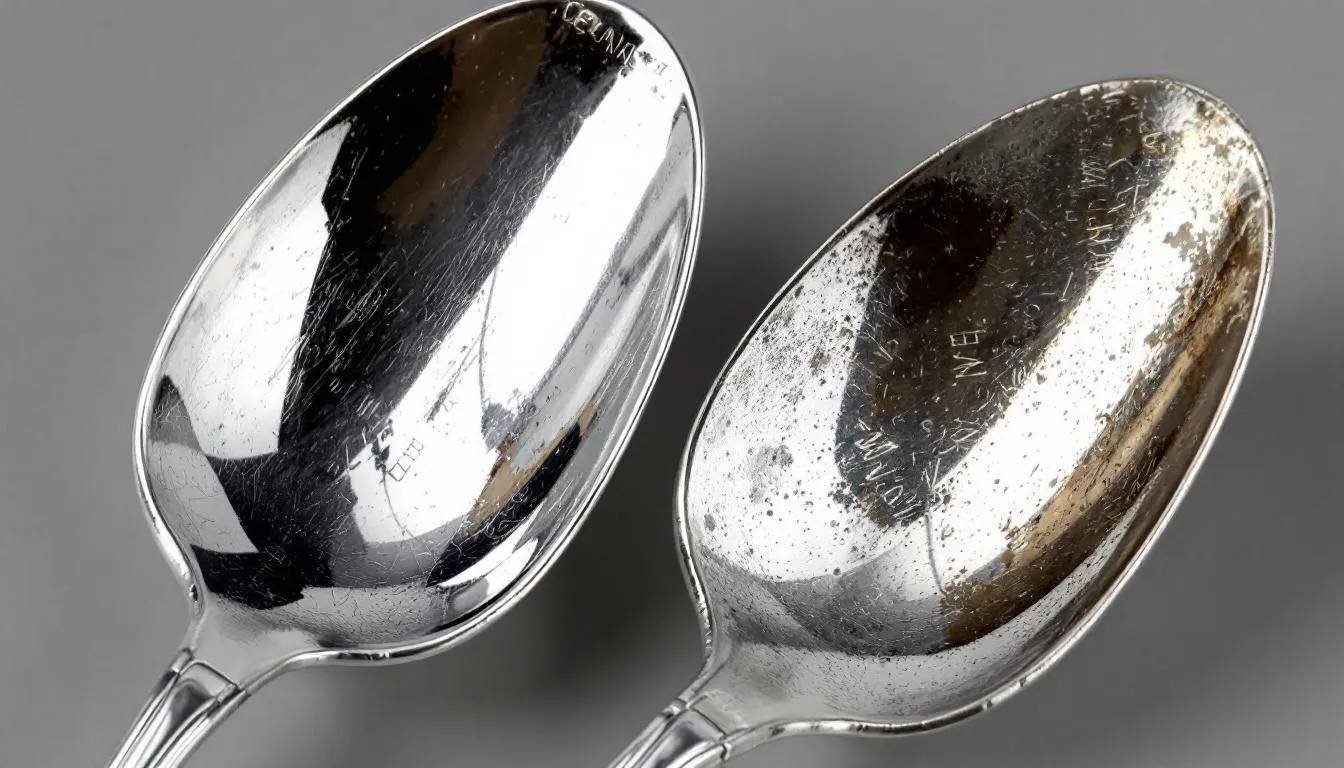
Sterling silver is a remarkable alloy, celebrated for its beauty and durability. It consists of 92.5% pure silver and 7.5% other metals, most commonly copper. This specific composition is why it is often referred to as '925 silver'. While pure silver is inherently soft, the addition of copper provides the necessary strength and resilience for crafting intricate and long-lasting pieces.
The unfortunate truth, however, is that this very copper content makes sterling silver prone to tarnishing. Tarnishing is a natural chemical reaction that occurs when the copper in the alloy reacts with sulphur-containing compounds present in the air, moisture, and even certain chemicals found in everyday products. Silver jewellery naturally tarnishes over time due to exposure to moisture, oxygen, and sulphur in the air. This reaction forms a thin, dark layer on the surface of the silver, diminishing its shine and giving it a dull, discoloured appearance. Factors such as humidity, pollution, and even the natural oils on your skin can accelerate this process, leading to tarnished silver jewellery.
At Saras Beads & Jewellery(R), we understand the importance of maintaining the pristine condition of your cherished pieces, including exquisite jewellery and gold jewellery such as rose gold. That's why our wide range of high-quality sterling silver jewellery is rhodium-plated. This innovative process adds an extra layer of protection, significantly reducing the likelihood of tarnishing and enhancing the natural brilliance and colour of the silver. Rhodium, a precious metal from the platinum family, not only provides a tarnish-resistant finish but also makes our jewellery hypoallergenic, ensuring comfort for even the most sensitive skin. This commitment to quality and customer satisfaction is why our customers commend our products and why we have so many repeat customers, as reflected in our positive Google reviews. Our ethically sourced and sustainable jewellery is designed to be timeless, offering you meaningful and sentimental pieces that will last for years to come.
How to Stop Silver Tarnishing: Proactive Care Tips
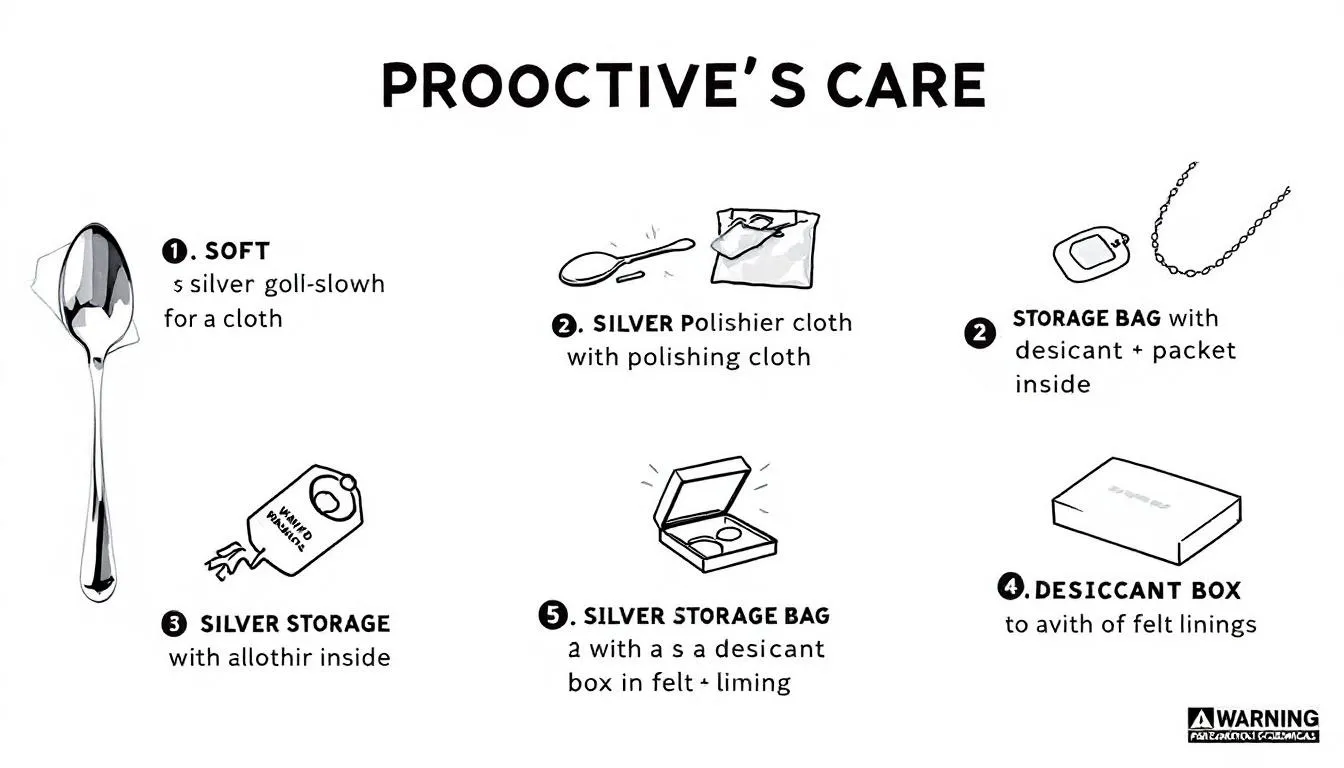
While knowing how to clean sterling silver jewellery is crucial, preventing tarnish in the first place is even better. Proactive care significantly reduces the frequency of cleaning and helps your pieces retain their brilliance and colour for longer. Here are expert tips for how to look after silver jewellery and keep it looking its best.
Tip 1: Wear Your Sterling Silver Jewellery Often
Surprisingly, one of the best ways to prevent sterling silver from tarnishing is regular wear. The natural oils from your skin act as a protective barrier, keeping the silver polished, shiny, and clean. So, don't keep your beautiful, unique pieces hidden away; let them be seen and admired! This applies to all our ethically sourced and sustainable jewellery, whether a delicate necklace, silver chains, bracelets, earrings, or a bold statement ring.
Tip 2: Avoid Harsh Chemicals and Contact with Water
Sterling silver is sensitive to chemicals found in many everyday products. To prevent tarnishing and damage, always remove your silver jewellery before:
-
Cleaning: Household cleaners, especially those with bleach or ammonia, can cause irreversible damage and accelerate tarnishing.
-
Bathing or Swimming: Chlorine in pools and hot tubs is particularly detrimental. Even tap water can contain chemicals that contribute to tarnish.
-
Applying Cosmetics: Perfumes, hairsprays, lotions, and makeup can leave residues that encourage tarnishing. Always apply these products before putting on your jewellery.
-
Avoid Contact with Soapy Water and Hot Water: When washing dishes or using soapy water, remove your silver pieces to protect their finish.
This simple jewellery care tip significantly impacts how to maintain your silver's shine and colour.
Tip 3: Store it Properly in a Dry Place
Proper storage is crucial for how to stop silver tarnishing. Exposure to air, humidity, and light are major contributors. Here's how to store silver jewellery to prevent tarnish: Silica sachets can be placed in jewellery boxes to absorb moisture and help slow down tarnishing.
-
Airtight Containers: Store pieces in airtight bags or containers to minimise air exposure. Small zip-lock bags are excellent. For handcrafted and artisan-made pieces, consider individual pouches to prevent scratching.
-
Anti-Tarnish Strips/Cloths: Place anti-tarnish strips or cloths inside storage containers. These absorb airborne pollutants, providing extra protection. Many high-quality jewellery boxes are also lined with anti-tarnish fabric.
-
Cool, Dry, Dark Place: Store jewellery in a cool, dry, and dark environment, away from direct sunlight and humidity. Bathrooms are generally not ideal due to fluctuating humidity levels.
-
Original Box: Whenever possible, store each piece separately in its original box. This prevents scratching and limits tarnish transfer, especially important for bespoke and custom-designed pieces.
Following these guidelines significantly extends the life and beauty of your sterling silver jewellery, ensuring it remains a timeless and fashionable accessory. These expert tips for caring for sterling silver jewellery make your routine effortless. Our rhodium-plated, tarnish-resistant jewellery is designed for low maintenance, but these practices ensure its longevity and continued brilliance. To explore the different types of gold plating available for jewellery, read our essential care tips, or read our guide on gold plated jewellery.
How to Clean Sterling Silver Jewellery: A Step-by-Step Guide
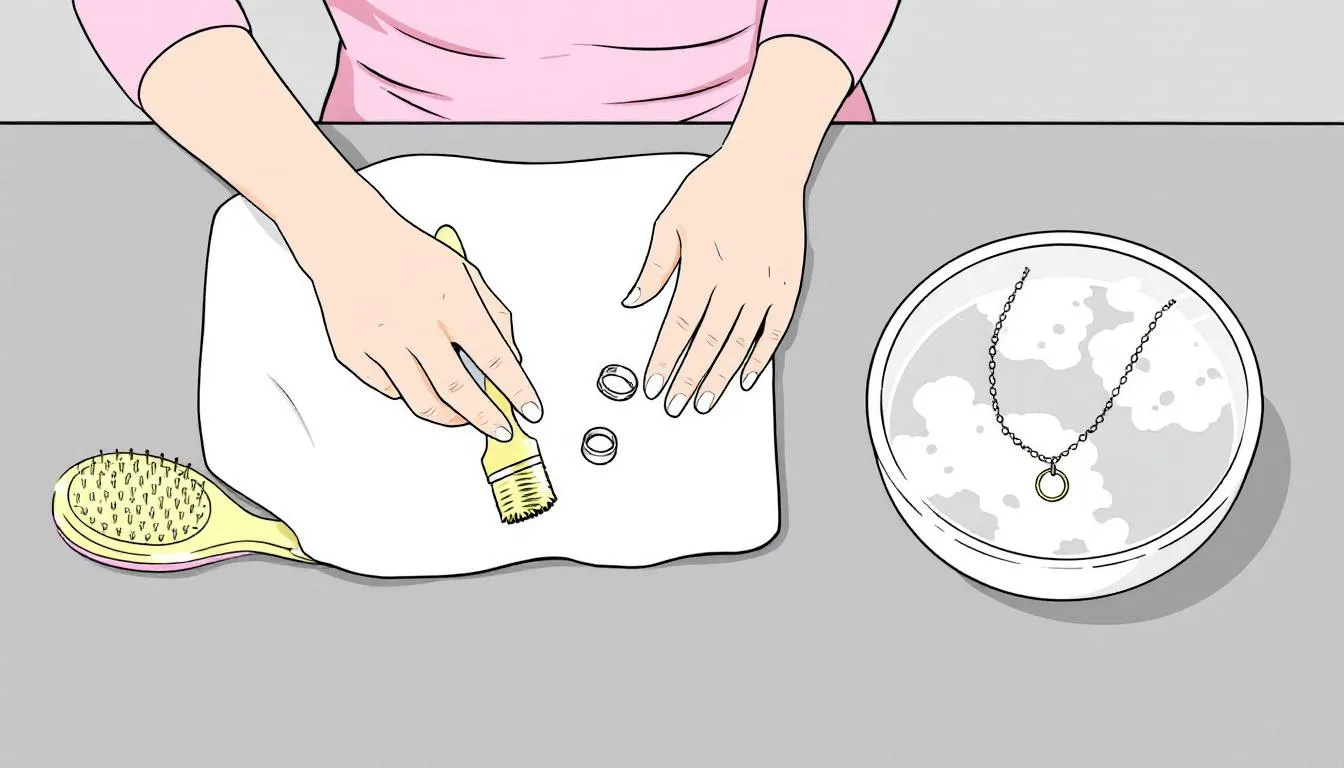
Knowing how to clean sterling silver jewellery is fundamental to preserving its beauty and extending its lifespan. While our rhodium-plated pieces offer enhanced tarnish resistance, occasional cleaning is still recommended to maintain their exquisite shine and colour. Here are some effective methods for cleaning silver jewellery and keeping your silver looking its best, from everyday cleaning to tackling more stubborn tarnishing. Proprietary silver cleaning kits, like baths and polishes, are also available and can be highly effective for maintaining the brilliance of your jewellery. Learning how to clean sterling silver jewellery properly will save you time and effort.
Method 1: Gentle Soap and Water Cleanse
This gentle approach is perfect for maintaining the lustre and colour of your delicate and bold pieces without the need for harsh chemicals. It's a simple yet effective way to clean sterling silver jewellery at home.
What you'll need:
-
Mild dish soap (phosphate-free is ideal)
-
Lukewarm water
-
A soft, lint-free cloth (microfibre or cotton)
-
A soft-bristled toothbrush (optional, for intricate designs)
-
Mild dish soap mixed in warm water is effective for routine care of silver jewellery.
Instructions:
-
Fill a small bowl with lukewarm water and add a small amount of mild dish soap. Stir gently to create a soapy solution.
-
Submerge your sterling silver jewellery in the solution. Allow it to soak for 5-10 minutes, which helps to loosen any dirt or residue.
-
Gently rub the jewellery with your soft cloth or a damp cloth. For pieces with intricate details or engravings, you can use a soft-bristled toothbrush to carefully clean crevices.
-
Rinse the jewellery thoroughly under clean water to remove all soap residue. Ensure no soap remains, as it can leave a film.
-
Pat the jewellery dry immediately with a clean, soft cloth. Using a lint-free cloth to dry silver jewellery helps avoid dust and threads. It's crucial to ensure the piece is completely dry before storing it to prevent water spots and further tarnishing.
Method 2: The Baking Soda and Aluminium Foil Method
For more heavily tarnished silver jewellery, a homemade silver cleaner UK solution using baking soda and aluminium foil can work wonders. Baking soda is a mild alkali that makes dirt and tarnish soluble in water, facilitating the cleaning process. This method uses a chemical reaction to reverse the tarnishing process, making it an excellent tarnished silver jewellery fix. It's particularly effective for how to remove tarnish from sterling silver jewellery UK without abrasive scrubbing. Additionally, a baking soda and water mixture can be used to create a gentle scouring paste for cleaning silver jewellery. Alternatively, a mixture of white vinegar and water can also effectively clean tarnished silver jewellery. In cases of severe tarnish, heavily tarnished silver items may require a second cleaning bath to fully restore their shine.
What you'll need:
-
A glass or ceramic bowl
-
Aluminium foil
-
Baking soda
-
Salt (optional, but can speed up the reaction)
-
Boiling water
-
Tongs or a non-metal utensil
-
A soft cloth
-
Line the bottom of your bowl with aluminium foil, ensuring the shiny side is facing up.
-
Place your tarnished sterling silver jewellery on top of the foil, making sure each piece is touching the foil.
-
Sprinkle a generous amount of baking soda over the jewellery. For every cup of boiling water, use about one tablespoon of baking soda. You can also add a teaspoon of salt for an enhanced reaction.
-
Carefully pour boiling water into the bowl until the jewellery is fully submerged. You'll notice a fizzing reaction and a sulphur smell – this is normal and indicates the tarnish is being converted back to silver.
-
Let the jewellery soak for 5-10 minutes, or longer for very heavy tarnish. The tarnish will transfer from the silver to the aluminium foil.
-
Using tongs, carefully remove the jewellery from the solution. Rinse it thoroughly under clean water.
-
Dry the jewellery immediately and buff it gently with a soft cloth to restore its shine. This method is a highly effective way to clean sterling silver jewellery and restore its original brilliance. For a quick alternative, cola can help to remove tarnish from silver but should not be used for extended periods as it may damage the jewellery.
Method 3: Using a Silver Polishing Cloth and Jewellery Cleaner
A dedicated silver polishing cloth is an indispensable tool for anyone looking for effective jewellery care tips. These cloths are typically impregnated with a gentle cleaning agent and anti-tarnish properties, making them perfect for polishing silver jewellery and removing light tarnish. They are also excellent for a quick buff to keep your silver jewellery shiny and clean between deeper cleans. Anti-tarnish polishing cloths can prolong the time between cleanings for silver jewellery. For added convenience, jewellery wipes are another great option for quick cleaning of all jewellery types, ensuring your pieces remain radiant with minimal effort. Additionally, the Connoisseurs Silver Jewellery Cleaner is effective for removing small scratches and dark marks, making it a valuable addition to your jewellery care routine.
What you'll need:
-
A silver polishing cloth (often two-sided: one for cleaning, one for buffing)
-
Silver jewellery cleaner (optional)
Instructions:
-
Gently rub your sterling silver jewellery with the cleaning side of the cloth. You'll see black marks appear on the cloth as it removes tarnish – this is normal.
-
Use the buffing side of the cloth to bring out a brilliant shine. This method is quick, easy, and requires no water, making it ideal for on-the-go polishing.
-
For tougher tarnish or small scratches, apply a small amount of silver jewellery cleaner according to the product instructions, then polish with the cloth.
Remember, regular polishing silver jewellery with a soft cloth can significantly reduce the build-up of tarnish and keep your pieces looking their best. Jewellery containing pearls or other gemstones should be cleaned with extra care to prevent damage. Our rhodium-plated jewellery, designed to be tarnish resistant, benefits greatly from this simple maintenance, ensuring its high quality and timeless appeal.
Caring for Other Silver Pieces and Gemstone Jewellery
When it comes to silver plated jewellery and other silver pieces with gemstones, including diamond jewellery and pieces with other gemstones or pearls, extra care is necessary. Avoid soaking these pieces in water or harsh cleaning solutions. Instead, gently wipe them with a damp cloth and use specialised jewellery cleaners designed for gemstone jewellery. Always avoid contact with abrasive materials and harsh chemicals to protect the delicate stones and plating. Looking for pieces to care for? Browse sterling silver jewellery.
Conclusion
Mastering the art of sterling silver jewellery care is an investment in the longevity and beauty of your cherished pieces. By understanding its composition, knowing how to clean sterling silver jewellery effectively, and implementing proactive prevention strategies, you empower yourself to maintain their captivating brilliance, shine, and colour for years to come. From simple home remedies to dedicated polishing cloths, the expert tips shared in this guide provide a comprehensive approach to keeping your silver sparkling. Remember, consistent care, proper storage, and avoiding harsh chemicals are your strongest allies in the fight against tarnish.
At Saras Beads & Jewellery(R), we pride ourselves on offering a wide range of high-quality, rhodium-plated sterling silver jewellery. Our pieces, whether minimalist or bold, are crafted to be timeless and meaningful, designed for longevity and ease of care. We believe every piece tells a story, and with the right attention, your sterling silver will continue to tell yours for generations. For those seeking additional cleaning solutions, Town Talk's Silver Sparkle liquid dip cleaner is an excellent option. It effectively removes tarnish and comes with a small brush for cleaning intricate details. Explore our collection of ethically sourced, tarnish-resistant sterling silver jewellery today and discover the perfect gift or a new favourite to add to your collection. Our commitment to quality and customer satisfaction is evident in every piece, making us a trusted choice for discerning jewellery lovers. Want to see the collection in person? Plan your visit to Saras Beads.
Frequently Asked Questions (FAQs)
How often should I clean my silver jewellery?
Regular cleaning is recommended to keep your silver jewellery shiny and free from tarnish. For pieces worn frequently, a gentle clean every few weeks is ideal. If your jewellery is worn less often, cleaning once every few months should suffice. Remember, regular cleaning prevents heavy tarnishing and reduces the need for more intensive treatments.
Can I use baking soda to clean all types of silver jewellery?
Baking soda is a mild, non-toxic alkali that works well for cleaning sterling silver and most silver jewellery. However, it should be used cautiously on pieces containing delicate gemstones such as pearls, opals, or turquoise, as the abrasiveness can damage these stones. For such pieces, a gentle damp cloth or specialised jewellery cleaner is recommended.
Is it safe to use boiling water when cleaning silver?
Boiling water can be used in some cleaning methods, like the baking soda and aluminium foil bath, to effectively remove tarnish. However, avoid using boiling water on jewellery with glued-in stones or delicate settings, as the heat can weaken adhesives and cause damage. Lukewarm water is safer for regular cleaning routines.
How do I prevent my silver jewellery from tarnishing quickly?
To slow down the tarnishing process, store your silver jewellery in a jewellery box or airtight container in a cool, dry place. Avoid exposure to moisture, perfumes, lotions, and chemicals. Wearing your silver pieces regularly also helps, as natural skin oils keep silver polished. Using anti-tarnish strips or cloths in storage can provide additional protection.
Can I clean silver plated jewellery the same way as sterling silver?
Silver plated jewellery requires extra care since the thin layer of silver can wear off with harsh cleaning. Use gentle methods like wiping with a soft, damp cloth and avoid abrasive cleaners or soaking. For tarnished silver plated pieces, a light polish with a silver polishing cloth is preferable to maintain the plating.
What is the best way to clean silver jewellery with gemstones?
When cleaning silver jewellery that contains gemstones such as diamonds, sapphires, or rubies, avoid soaking them in water or harsh chemicals. Use a soft cloth dampened with lukewarm soapy water to gently wipe the metal parts. For intricate designs, a soft-bristled brush can help clean crevices, but take care to avoid scrubbing the stones directly.
Can I use toothpaste to clean my silver jewellery?
Non-abrasive, non-gel toothpaste can be used as a DIY cleaner for silver jewellery. Apply a small amount to a soft cloth and gently rub tarnished areas. Rinse thoroughly with clean water and dry with a lint-free cloth. Avoid toothpaste on jewellery with delicate stones or plating to prevent damage.
How important is drying silver jewellery after cleaning?
Drying silver jewellery thoroughly with a lint-free cloth after cleaning is crucial to prevent moisture from causing new tarnish or water spots. Leaving jewellery damp can accelerate tarnishing and damage the finish. Always ensure your pieces are completely dry before storing them in a jewellery box or pouch.
What should I avoid when cleaning silver jewellery?
Avoid using abrasive materials, harsh chemicals like bleach or ammonia, and prolonged soaking in acidic solutions. Do not use ultrasonic cleaners on jewellery with glued stones or delicate settings. Also, avoid rinsing silver jewellery under running water without a plug in place to prevent accidental loss.
Can I use commercial silver jewellery cleaners safely at home?
Yes, commercial silver jewellery cleaners can be effective and safe when used according to the manufacturer's instructions. They are designed to remove tarnish and restore shine without damaging the silver. However, choose products suitable for your specific type of silver jewellery and avoid using them on pieces with delicate stones or plating without checking compatibility.
Leave a comment