Birthstones in August: Peridot, Spinel & Sardonyx
August is one of the few months that can claim three recognized birthstones: peridot, spinel, and sardonyx. This gives august babies a rich tapestry of options, from the bright grass green of peridot with its yellow hues to the vibrant hues of spinel and the distinctive banding of sardonyx.
These stones differ markedly in character. Peridot offers a singular yellowish green to olive green color derived from the mineral olivine, often displaying yellow hues within its spectrum. Spinel spans a broad spectrum—from intense reds rivaling ruby to cobalt blues and soft pastels. Sardonyx displays characteristic layered bands of reddish-brown alternating with white or black onyx, perfect for intricate carvings and cameos. Sardonyx has a hardness of 6.5 to 7 on the Mohs scale, making it relatively durable but still requiring care when worn.
The modern list of birthstones evolved through several key moments. The American National Retail Jewelers Association standardized the list in 1912, establishing peridot for August. Then in 2016, the American Gem Trade Association and Jewelers of America added spinel to enhance color variety and durability options for the month. Alongside August, each month’s birthstone traditions and protective meanings have evolved over centuries. This article covers what each august birthstone means, where these gems come from, and how to care for them.
What Are the Birthstones for August?
August officially has three birthstones—peridot serves as the universally accepted modern and traditional stone, spinel brings modern versatility since its 2016 recognition, and sardonyx represents the earliest documented choice with roots stretching back over 4,000 years.
The timeline matters for understanding these designations, especially when you compare August with other multi-stone months such as June and its three birthstones—pearl, moonstone, and alexandrite:
-
Sardonyx: The ancient birthstone, documented in biblical and classical references
-
Peridot: The traditional stone, gaining prominence in medieval and Renaissance jewellery
-
Spinel: The modern addition, recognized in 2016 to address historical undervaluation, much like June’s modern trio of pearl, moonstone, and alexandrite
The difference between “ancient,” “traditional,” and “modern” reflects how gem organizations updated options for accessibility and variety. Some jewelers still list plain onyx as an August stone, but sardonyx—the banded variety—is historically more accurate and widely recognized for the month.
Peridot: The Classic August Birthstone
Peridot is a captivating gemstone variety of olivine, often called the gem of the sun by ancient civilizations. The name peridot comes from the Arabic word 'faridat', meaning gem, highlighting its ancient etymology and cultural value. Its vivid yellow-green to lime color and rich symbolism as August’s classic peridot birthstone make it the best-known birthstone for august today.
The green color comes entirely from iron in its crystal structure—all peridot is naturally green, ranging from pale lime to rich olive green and the most prized bright grass green. This gem symbolizes strength, protection, and positivity, and serves as the traditional gift for 16th wedding anniversaries.
Peridot holds an extra-terrestrial mystique as one of the only gems that can form deep in the earth’s mantle under extreme conditions. It is brought to the earth’s surface through volcanic activity or can occasionally appear in pallasite meteorites—literally gemstones from space, and its durability is best understood through the Mohs gemstone hardness scale and jewelry wear.
Peridot Meaning & Symbolism
Peridot’s bright, sun-like color links naturally to themes of light, renewal, and emotional balance. The stone’s consistent green hue across different lighting enhances its symbolic purity, similar to how healing crystals used for emotional balance and trust are valued in modern crystal practice.
Ancient egyptians believed peridot could ward off evil spirits and night terrors, crafting it into protective talismans. Medieval Europeans embedded it in church treasures and crosses for protection against phantoms. The ancient greeks also valued it, and 13th-century texts praised it for quelling anger.
Modern associations include:
-
Protection from negative energies and jealousy
-
Boosting self-confidence and personal growth
-
Fostering harmony in relationships
-
Supporting emotional detox and balance
As the 16th anniversary stone, peridot represents enduring warmth and shared strength in long partnerships, a symbolism often expressed in gold-plated August peridot and gladiolus necklaces that pair the stone with its birth flower.
Peridot History & Famous Sources
Peridot’s documented use spans more than 3,500 years. The primary ancient source was Egypt’s red sea island historically called Topazios or Zabargad (St. John’s Island or John's Island), where mining occurred seasonally due to harsh terrain. Ancient egyptians referred to peridot as the evening emerald and gem of the sun, prizing its golden-green glow.
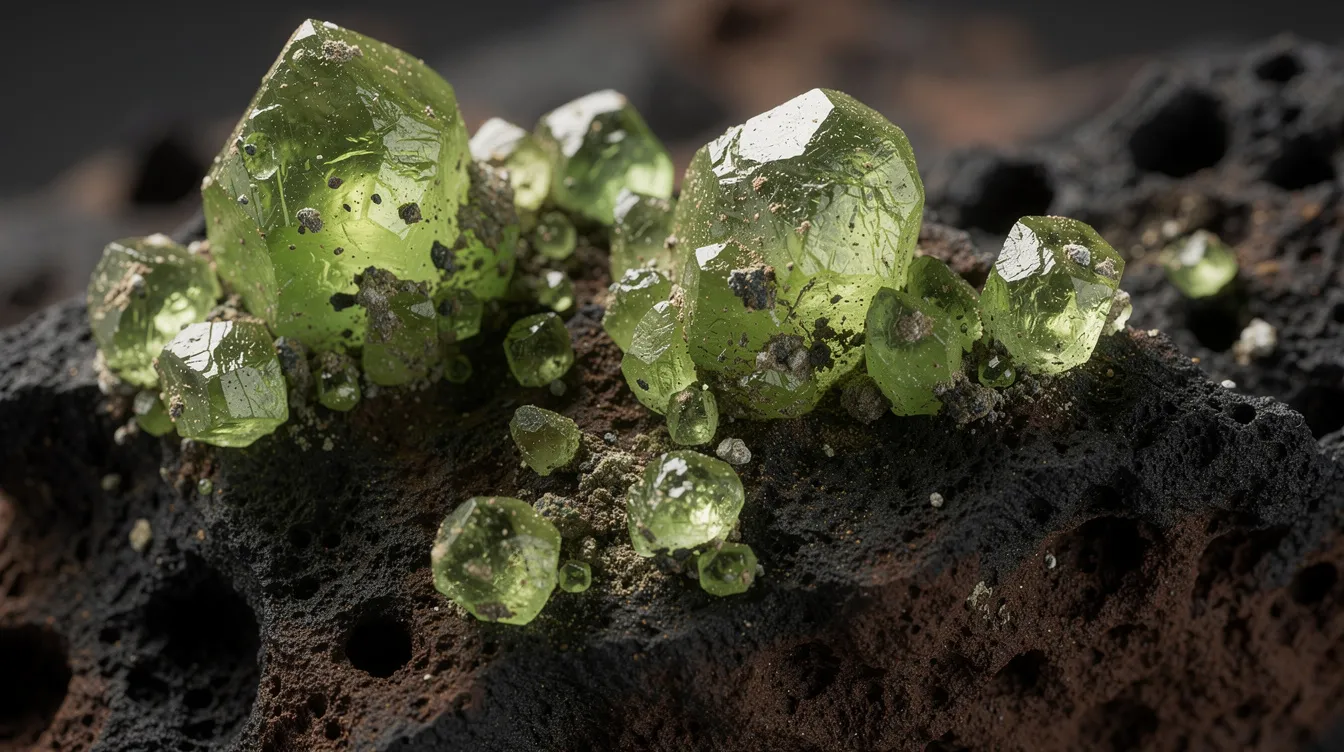
Later generations often confused peridot with emerald and topaz in royal collections. Cleopatra’s famed green jewels? Some historians believe many were peridot rather than true emerald, based on modern spectroscopic analysis.
Key historical sources include:
|
Location |
Significance |
|---|---|
|
Zabargad Island, Egypt |
Ancient source, 3,500+ years of mining |
|
Mogok, Myanmar |
Deep color, superb transparency; high-quality peridot crystals are sometimes found in crevices on the northern slope near Mogok, making it a notable locality for superior grade peridot |
|
San Carlos, Arizona |
Modern commercial hub |
|
Kashmir Himalayas |
Large, intense green crystals |
|
Peridot also appears in China, Tanzania, Vietnam, and rare meteorite samples, transported to earth’s surface through volcanic activity from 100+ km depths in earth’s mantle, and it remains the star of many August peridot birthstone jewellery collections designed to showcase its vibrant green. |
|
Famous Peridots & Collectible Pieces
Museum-quality peridots demonstrate the gem’s potential for size and beauty, setting benchmarks for collectors.
Notable specimens include:
-
Smithsonian Institution: A 310-carat faceted oval from Mogok with vivid grass-green color and eye-clean clarity
-
London Natural History Museum: A 146.1-carat square-cut stone with golden-green tone
-
Kremlin Diamond Fund: The 192.6-carat Romanov peridot, showcasing imperial green
Fine gem quality peridot above 10–15 carats with saturated green color and good clarity commands $50–200 per carat. Top specimens over 50 carats have fetched auction prices exceeding $100,000, and contemporary birthstone jewellery trends reshaping modern designs are making such gems the centerpieces of highly personalized pieces.
Where Peridot Is Found Today
Modern commercial peridot comes from several continents, each producing slightly different hues:
Arizona’s San Carlos Apache Reservation remains one of the world’s most productive sources, where apache families mine smaller, bright lime-green stones from ancient basaltic lava flows. This significant source provides approximately 80% of U.S. supply.
Pakistan’s Kashmir Himalayas yield larger crystals—sometimes exceeding 50 carats—with intense green color from high-altitude granite pegmatites in this mountainous region. These command premium prices for statement peridot jewellery.
Myanmar’s Mogok produces stones with deep color and superb transparency, though post-2020 conflicts have limited supply. Other gems found alongside peridot in these deposits include rubies and other gemstones.
Additional sources include China (yellowish hues), Vietnam, Tanzania, and occasional Hawaiian volcanic flows. While meteoritic peridot fascinates gem collectors, 95% of market stones are terrestrial, just as December’s blue topaz, tanzanite, and turquoise birthstones each have distinct geographic origins.
Caring for Peridot Jewelry
Peridot rates 6.5–7 on the mohs scale—softer than diamonds, sapphire, and spinel. This means peridot earrings and pendants work well for everyday wear, but rings need extra care.
Avoid:
-
Ultrasonic and steam cleaners
-
Harsh chemicals and acids
-
Rapid temperature changes
-
Rough impacts during sports or housework
Recommended care:
-
Clean with warm water, mild soap, and soft brush
-
Pat dry with lint-free cloth
-
Store separately from harder gems in soft pouches
-
Professional repolishing every 5–10 years restores lustre
Spinel: The Modern August Birthstone
The spinel birthstone was officially added in 2016, giving August a more durable, color-diverse option. This gem offers excellent durability at 8 on the mohs scale—harder than peridot and ideal for everyday wear.
Spinel’s color range spans red, pink, blue, purple, orange, and black, with diamond-like brilliance from its cubic crystal structure. For centuries, red spinel was confused with ruby—several famous “rubies” in royal jewels were later identified as spinel.
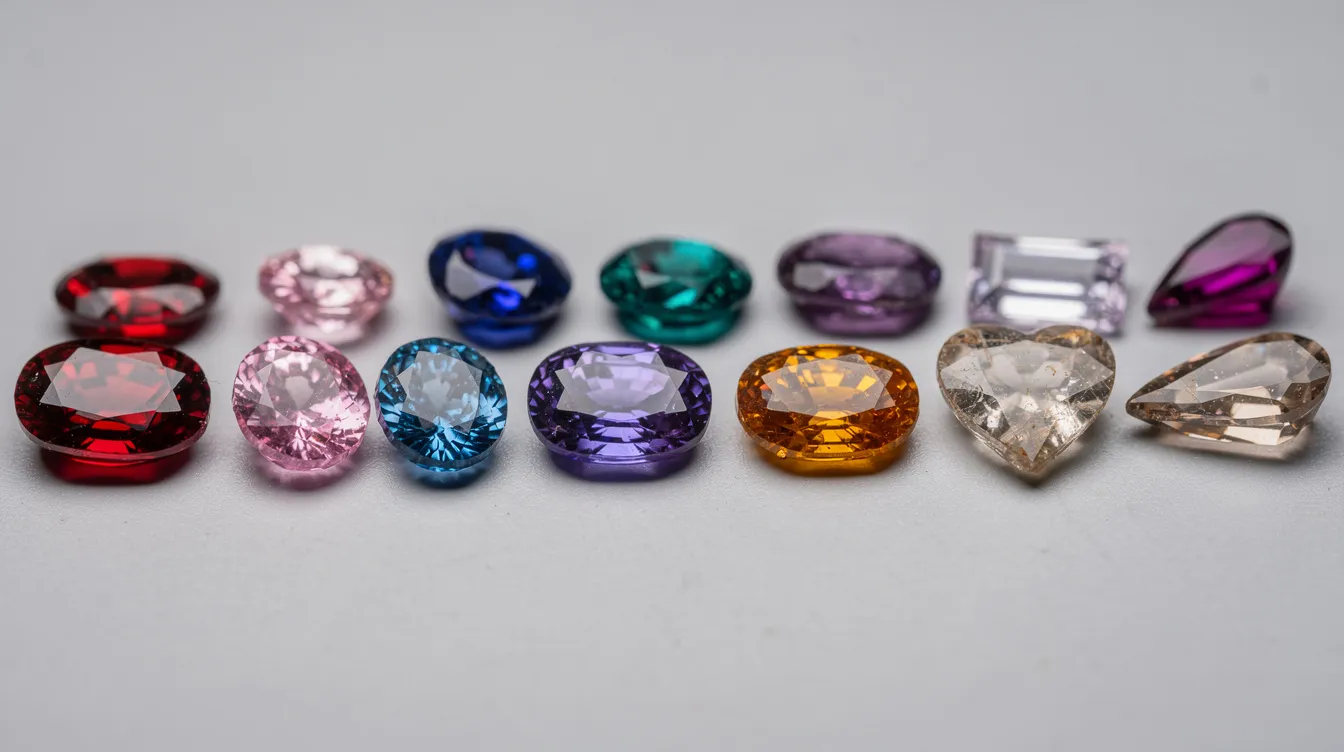
Spinel Meaning, Colors & Symbolism
Spinel symbolizes energy renewal, resilience, and inspiration. Its meanings often follow color, much like amethyst’s rich February birthstone symbolism is closely tied to its royal purple hue:
|
Color |
Symbolism |
|---|---|
|
Red |
Vitality, courage |
|
Pink |
Love, compassion |
|
Blue |
Calm, mental clarity |
|
Purple |
Spiritual insight |
|
Black |
Grounding, protection |
|
Historically, red spinel was believed to staunch blood loss and calm anger, making it a protective stone in battle. Spinel is associated with the 22nd wedding anniversary, representing relationship revitalization. |
|
Spinel in History & Famous Jewels
Red spinel long masqueraded as ruby in crown jewels, creating some of history’s most famous cases of mistaken identity.
The Black Prince’s Ruby in Britain’s Imperial State Crown is actually a 170-carat red spinel, set above the 317-carat Cullinan II diamond. Acquired in 14th-century Spain, it remains a centerpiece of royal regalia.
The Timur Ruby—361 carats inscribed with Mughal emperors’ names—was also identified as spinel, not ruby.
Advances in gemology during the 18th–19th centuries allowed experts to distinguish spinel from ruby by refractive index. This re-identification boosted collector interest, with a 2015 record sale of $1.3 million for a 10-carat Myanmar red spinel.
Where Spinel Is Found
Spinel is mined across Asia and East Africa, often in the same alluvial deposits as ruby and sapphire, just as ruby shines as July’s fiery birthstone in its own right:
-
Myanmar Mogok: Top-quality red and pink spinel with exceptional lustre
-
Sri Lanka: Pastel blue, pink, and violet from river gravels near Ratnapura
-
Vietnam Luc Yen: Collectible cobalt blue and hot pink, holding 50% market share
-
Tanzania/Madagascar: Wide color range, increasingly important sources
This alluvial association with corundum explains centuries of historical mix-ups between spinel found alongside rubies, and mirrors how December birthstones like tanzanite, turquoise, zircon, and blue topaz are grouped together despite very different origins.
Spinel Jewelry Care & Durability
Spinel’s hardness (8 on the mohs scale) and toughness make it excellent for special occasions and everyday wear—including engagement rings. Fans of richly symbolic gems may also be drawn to sapphire as the September birthstone, celebrated for clarity, wisdom, and deep blue beauty.
Care guidelines:
-
Clean with warm soapy water and soft brush
-
Ultrasonic and steam cleaners generally safe for clean stones
-
Avoid sudden extreme temperature changes
-
Store separately to protect softer other gemstones
Spinel requires less maintenance than peridot due to its superior hardness and lack of cleavage planes.
Sardonyx: The Original August Birthstone
Sardonyx is the ancient August birthstone, composed of layered sard (brownish to reddish chalcedony) and onyx (white or black bands). This meaningful gemstone has been valued for over 4,000 years in Greek, Roman, and Near Eastern cultures.
Its distinctive banded appearance—alternating reddish-brown and white layers—made it a favorite for carved cameos and intaglios in ancient times. Symbolically, sardonyx connects to courage, discipline, and clear communication.
Sardonyx Meaning & Historical Significance
Sardonyx has long been connected to bravery, justice, and protection. Its rich history includes parallels with other protective birthstones like January’s garnet and rose quartz traditions, and features:
-
Roman signet rings: Hot wax doesn’t stick to polished sardonyx, making it ideal for sealing documents
-
Biblical tradition: Reported among stones in the three holy kings and High Priest’s breastplate, symbolizing spiritual strength
-
Cameo artistry: Layered structure enables contrasting relief carvings
Modern associations include courage to speak truth, stability in relationships, and happiness in marriage. Ancient egypt and other civilizations prized it alongside topaz and other stones for protective talismans, much as September’s sapphire birthstone traditions link deep blue gems with wisdom and protection.
Where Sardonyx Is Found
Sardonyx is widely available, contributing to its relative affordability at $5–100 per carat; many people also enjoy pairing it with floral motifs in birthstone-and-flower necklace collections:
-
India: Prime source for strongly contrasted red-white banding
-
Brazil/Uruguay: Varied patterns, strong contrasts
-
Madagascar: Quality banding
-
Germany (Idar-Oberstein): Historical carving center
-
United States: Oregon and Wyoming chalcedonies
True sardonyx specifically features reddish-brown and white banding—distinguishing it from plain black onyx or uniform chalcedonies and from other green stones such as jadeite and emerald, which are often compared for their distinct structures and appearances.
Caring for Sardonyx Jewelry
Sardonyx rates 6.5–7 on the mohs scale, similar to peridot. Many pieces are dyed or heat-treated to intensify color, requiring careful maintenance, just as October’s tourmaline birthstone jewellery benefits from mindful, gentle care.
Care tips:
-
Avoid ultrasonic and steam cleaners
-
Clean with warm water, mild soap, soft cloth
-
Don’t soak for extended periods
-
Store in separate pouches to protect carved details
-
Keep away from harsh chemicals that can affect dyes
Choosing the Right August Birthstone for You
Consider personal taste, symbolism, lifestyle, and budget when selecting among these three birthstones:
|
Stone |
Best For |
Price Range |
Durability |
|---|---|---|---|
|
Peridot |
Green lovers, sunny symbolism |
$20–150/ct |
Moderate (6.5–7) |
|
Spinel |
Durable everyday wear, color variety |
$100–10,000/ct |
Excellent (8) |
|
Sardonyx |
History lovers, cameos, budget-conscious |
$10–100/ct |
Moderate (6.5–7) |
|
Buying tips: |
|
|
|
-
Look for good color saturation in peridot (vivid green, no brown)
-
Seek vivid, unzoned color in spinel
-
Choose well-contrasted banding in sardonyx
-
Ensure secure settings appropriate to each stone’s hardness
-
Buy from reputable sellers who disclose treatments
Whether you’re born in august and choosing for yourself, or selecting a gift, these three birthstones offer something for every style—from peridot’s bring luck and sun-kissed positivity to spinel’s healing properties and durability, to sardonyx’s ancient connection to courage and clear communication.
Frequently Asked Questions About August Birthstones
How should I care for spinel jewelry?
Spinel is a durable gemstone with a hardness of 8 on the Mohs scale, making it ideal for everyday wear. To maintain its brilliance, clean spinel jewelry regularly with gentle soap and warm water to remove dirt and oils. It is stable when exposed to light and chemicals; however, avoid high heat as it can cause some colors to fade. When not wearing spinel pieces, store them separately in a fabric-lined box or pouch to prevent scratches.
What is the origin of the name "spinel"?
The name "spinel" comes from the Latin word spina, meaning thorn, which refers to the sharp, pointed shape of spinel crystals. Historically, spinel was often mistaken for ruby due to its vibrant red color and brilliance. Famous gems like the Black Prince's Ruby are actually red spinels, highlighting the gem's rich history and royal associations.
Where is spinel commonly found?
Major sources of spinel include Tajikistan, Myanmar, Sri Lanka, Vietnam, Tanzania, and Pakistan. These locations produce a variety of colors, making spinel a versatile and captivating gemstone for jewelry.
What makes sardonyx unique among August birthstones?
Sardonyx is the original August birthstone, known for its distinctive layered bands of reddish-brown sard and white or black onyx. In ancient times, it was a popular stone for Roman seals and signet rings because hot wax would not stick to it, making it ideal for official documents. Roman soldiers also wore sardonyx rings carved with the image of Mars for protection in battle, underscoring its symbolic strength.
Where can sardonyx be found today?
Sardonyx is found in several countries including India, Brazil, Germany, and the United States. Its hardness ranges from 6.5 to 7 on the Mohs scale, which makes it relatively durable but still requiring careful handling.
How should I clean and care for sardonyx jewelry?
Due to its moderate hardness and potential treatments, ultrasonic and steam cleaners should be used with caution on sardonyx. The safest cleaning method is warm soapy water with a soft cloth or brush. Avoid harsh chemicals and store sardonyx jewelry separately to protect its surface and intricate carvings.
What are the key care tips for peridot jewelry?
Peridot ranks between 6.5 and 7 on the Mohs hardness scale, making it softer than many other gemstones and susceptible to damage from acids and prolonged exposure to acidic perspiration. It is found in countries such as the United States, China, Ethiopia, Tanzania, Australia, Mexico, Germany, and Pakistan. The Egyptian island of Zabargad is the oldest recorded source of peridot and remains historically significant.
To care for peridot jewelry, avoid ultrasonic and steam cleaners, and clean gently with warm soapy water and a soft brush. Store peridot pieces separately to prevent scratches and damage. Peridot is often combined with other brightly colored gemstones in jewelry designs to enhance its vibrant hues.
Why is peridot called the "gem of the sun"?
Ancient Egyptians referred to peridot as the "gem of the sun" due to its bright yellowish green to olive green color and believed healing properties. Its radiant color symbolizes light, protection, and positivity, making it a meaningful gemstone for those born in August.
These FAQs provide essential guidance on the history, symbolism, and care of August's three birthstones—peridot, spinel, and sardonyx—helping you appreciate and preserve these meaningful gemstones.

 https://sarasbeads.co.uk


Leave a comment