

Quick Answer: What Is “Jewelry with Gemstones”?
Jewelry with gemstones refers to rings, necklaces, bracelets, and earrings set with natural or lab-grown stones such as amethyst, turquoise, citrine, and garnet. These pieces combine the beauty of coloured gemstones with carefully chosen metals to create wearable art that carries both aesthetic appeal and personal meaning. Jewelry with gemstones is cherished for its vibrant colors, symbolic meanings, and the unique character each stone brings to a piece.
This guide is for anyone interested in learning about jewelry with gemstones—whether you're a first-time buyer, a gift-giver, or a jewelry enthusiast. Understanding the different types of gemstones and their meanings helps you make informed, meaningful choices when selecting jewelry.
At Saras Beads & Jewellery—founded in 2021 —we specialise in handmade gemstone pieces crafted in sterling silver, 18K gold-plated metals, and beaded designs. Our founder Sarah Sabraoui draws on her Lebanese and Mediterranean heritage to create jewellery that feels both timeless and personal. Gemstones can be precious (diamond, ruby, sapphire, emerald) or semi precious (turquoise, moonstone, peridot, and many others), all selected for their colour, symbolic meanings, and durability.
What this guide covers:
-
The difference between precious and semi precious gemstones
-
Popular stones and their meanings, including birthstones
-
Types of gemstone jewellery we create
-
Ethical and hypoallergenic considerations
-
How to choose, gift, and care for your gemstone pieces
We offer free UK shipping on orders over £35, and you can shop online or visit our Parkside Yards store (Tuesday–Saturday 10:00–18:00, Sunday 11:00–17:00) to see our gemstone selection in person.
Summary: Popular Styles and Uses of Jewelry with Gemstones
Popular gemstone jewelry styles include classic solitaires, delicate layering pieces, bold cocktail rings, and statement necklaces. Birthstone jewelry is popular for its personal and meaningful touch, often in simple designs for daily wear. Everyday gemstone jewelry includes stud earrings, dainty pendants, simple rings, and delicate bracelets featuring stones like aquamarine and sapphire. For formal occasions, statement cocktail rings, chandelier earrings, and layered necklaces with rich colors such as amethyst and ruby are favored. Bridal gemstone jewelry often features timeless pearl necklaces and sapphire and diamond accents. Current trends include bold colors, personalization with initials or zodiac motifs, the use of ethical or lab-grown stones, and a renewed appreciation for handmade, high-quality jewellery.
|
Style/Use |
Description |
Popular Stones/Trends |
|---|---|---|
|
Solitaire Rings |
Single gemstone as the focal point |
Diamond, sapphire, emerald |
|
Layering Pieces |
Delicate necklaces or bracelets for stacking |
Amethyst, turquoise, moonstone |
|
Cocktail Rings |
Large, bold stones for statement looks |
Garnet, citrine, lapis lazuli – discover the 5 Modern Birthstone Jewellery Trends Transforming 2025 to see how these gemstones and others are being reimagined in contemporary jewellery. |
|
Statement Necklaces |
Eye-catching, often with multiple or large stones |
Jade, lapis lazuli, turquoise |
|
Birthstone Jewelry |
Personalized with stones representing birth months |
Garnet, amethyst, peridot, topaz |
|
Everyday Jewelry |
Stud earrings, dainty pendants, simple rings, delicate bracelets |
Aquamarine, sapphire, rose quartz |
|
Formal Jewelry |
Chandelier earrings, layered necklaces, bold rings |
Amethyst, ruby, pearl |
|
Bridal Jewelry |
Timeless classics, often pearls or blue stones |
Pearl, sapphire, diamond |
|
Current Trends |
Bold colors, personalization, ethical/lab-grown stones, zodiac motifs, chunky hoops, drops |
Lab-grown gems, vibrant colors |
Precious vs Semi-Precious Gemstones in Jewellery
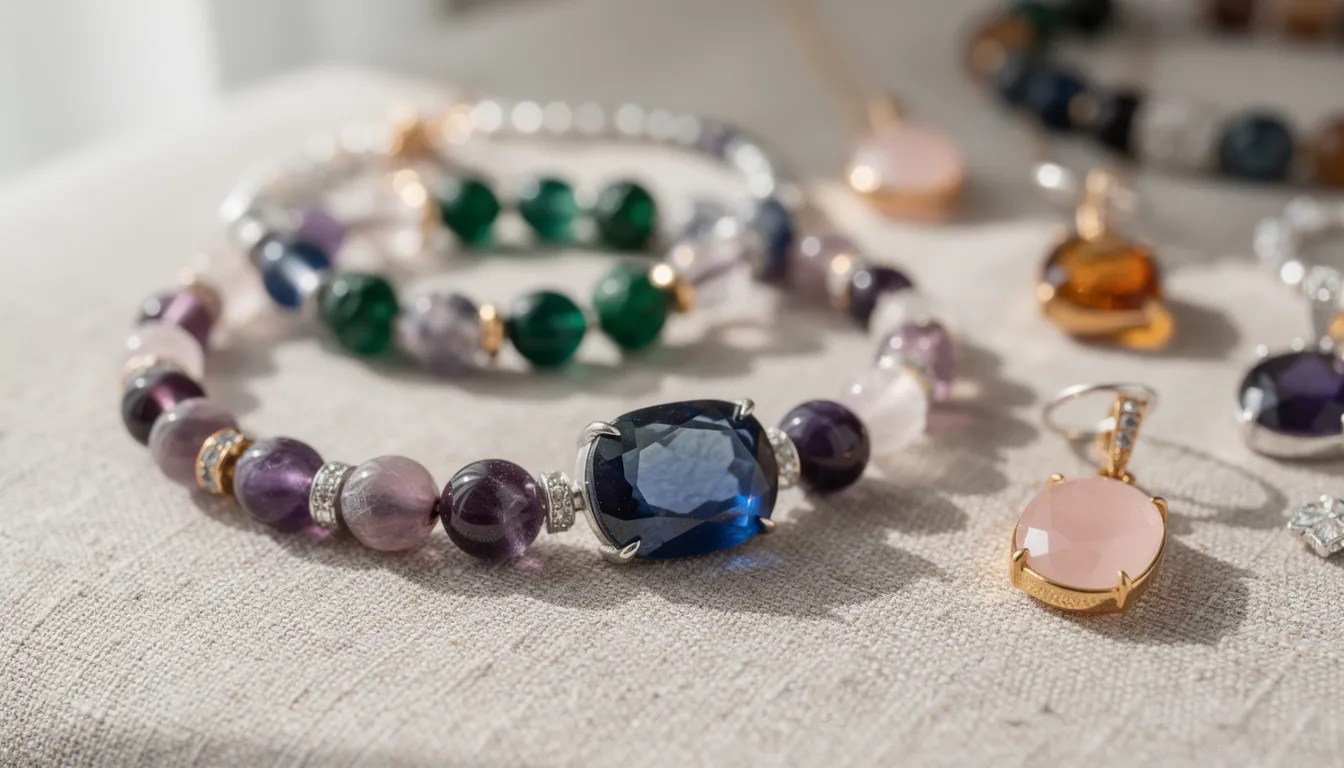
Gemstones can be classified as precious or semi-precious based on their rarity and quality. The traditional classification of gemstones distinguishes between precious and semi-precious stones. The four precious gemstones are diamond, ruby, sapphire, and emerald. All other gemstones are classified as semi-precious.
The distinction between precious stones and semi precious stones dates back to ancient times, when rarity and royal patronage determined which gems held the highest status. The “Big Four”—diamond diamonds, ruby gemstones, sapphires, and emeralds—became known as precious gemstones due to their exceptional hardness, brilliant optical properties, and scarcity. Everything else, from amethyst to zircon, falls into the semi precious gemstones category.
However, this classification can be misleading. Some semi precious stones are actually extremely rare and command prices rivalling their “precious” counterparts. Paraiba tourmaline, for instance, displays electric blue hues that make it one of the most sought-after rare gemstones in the world. Modern jewellers and customers increasingly focus on what truly matters: colour, personal meaning, and ethical sourcing rather than outdated labels.
At Saras Beads & Jewellery, we work primarily with semi precious stones that offer exceptional beauty at accessible prices. Stones like copper turquoise, amethyst, citrine, and garnet gemstones look and feel luxurious in everyday jewellery while remaining attainable for customers who want quality without compromise.
Comparing precious and semi-precious gemstones:
|
Factor |
Precious Gemstones |
Semi-Precious Gemstones |
|---|---|---|
|
Examples |
Diamond, ruby, sapphire, emerald |
Amethyst, turquoise, garnet, moonstone |
|
Rarity |
Generally very rare |
Varies widely—some are rarer than “precious” stones |
|
Price |
Typically higher |
More accessible, with wide range |
|
Hardness |
Usually 8+ on Mohs scale |
Ranges from 5 to 8 on Mohs scale |
|
Best use |
Investment pieces, engagement rings |
We avoid low-grade, heavily treated stones and prefer well-cut, vibrant gems with hardness ratings of at least 6–7 on the Mohs scale for rings and bracelets. This ensures your jewellery can handle the demands of daily life.
Next, let’s discover the most popular gemstones and what they symbolize.
Popular Gemstones and Their Meanings
For thousands of years, different cultures have attributed symbolic meanings to specific gemstones. Ancient civilisations from ancient Greece to medieval Europe believed that gems could influence health, fortune, and spiritual wellbeing. In many cultures across the natural world, stones have served as protective talismans, healing tools, and decorative objects that connect wearers to something larger than themselves.
While we don’t make medical claims at Saras Beads & Jewellery, many of our customers choose stones for personal or spiritual reasons alongside colour and style preferences. Understanding these associations can help you select pieces that resonate with your intentions—whether you want to manifest dreams, boost self confidence, or simply wear a colour that makes you happy.
Below is a table summarizing the most popular gemstones, their colors, symbolism, and notable uses:
|
Gemstone |
Color(s) |
Notable Uses/Notes |
|
|---|---|---|---|
|
Amethyst |
Pale lavender to deep violet |
Calm, clarity, spiritual awareness |
Meditation, February birthstone, ancient value |
|
Blue-green, green with copper veining |
Protection, strength, good fortune |
Travel, new beginnings, unique veining |
|
|
Moonstone |
Milky white with blue sheen |
Intuition, feminine energy, emotional balance |
Unique optical glow, spiritual jewelry |
|
Garnet |
Deep red, green, orange, rare varieties |
Protection, love, passion, creativity |
January birthstone, durable, affordable |
|
Citrine |
Pale yellow to brownish orange |
Wealth, prosperity, clarity, creativity |
"Merchant’s stone", artists, entrepreneurs |
|
Peridot |
Lime green |
Prosperity, growth, healing – explore sterling silver jewellery for timeless, elegant adornment. |
August birthstone, ancient protection |
|
Lapis Lazuli |
Intense royal blue with gold flecks |
Wisdom, truth, inner power |
Royalty, spiritual leaders, Mediterranean heritage |
|
Soft pink |
Love, heart-healing, self-love |
Romantic/self-love jewelry, emotional healing |
|
|
Black Onyx |
Deep black |
Stability, strength, protection |
Grounding, pairs with other stones |
|
Opal |
Rainbow play-of-color |
Creativity, inspiration, emotional expression |
Unique care, softer stone, October birthstone |
Amethyst
-
Color: Pale lavender to deep violet
-
Symbolism: Calm, clarity, spiritual awareness
-
Notable Uses: Meditation, February birthstone, highly valued by ancient civilizations
Turquoise and Copper Turquoise
-
Color: Blue-green, green with copper veining
-
Symbolism: Protection, strength, good fortune
-
Notable Uses: Travel, new beginnings, unique veining patterns
Moonstone
-
Color: Milky white with ethereal blue sheen
-
Symbolism: Intuition, feminine energy, emotional balance
-
Notable Uses: Spiritual jewelry, unique optical glow
Garnet
-
Color: Deep red (most common), green, orange, rare varieties
-
Symbolism: Protection, love, passion, creativity
-
Notable Uses: January birthstone, durable, affordable
Citrine
-
Color: Pale yellow to brownish orange
-
Symbolism: Wealth, prosperity, clarity, creativity
-
Notable Uses: "Merchant’s stone", popular among artists and entrepreneurs
Peridot
-
Color: Lime green
-
Symbolism: Prosperity, growth, healing
-
Notable Uses: August birthstone, ancient protection
Lapis Lazuli
-
Color: Intense royal blue with golden pyrite flecks
-
Symbolism: Wisdom, truth, inner power
-
Notable Uses: Treasured by royalty, spiritual leaders, Mediterranean heritage
Rose Quartz
-
Color: Soft pink
-
Symbolism: Love, heart-healing, self-love
-
Notable Uses: Romantic/self-love jewelry, emotional healing
Black Onyx
-
Color: Deep black
-
Symbolism: Stability, strength, protection
-
Notable Uses: Grounding, often used in protective jewelry
Opal
-
Color: Rainbow play-of-color
-
Symbolism: Creativity, inspiration, emotional expression
-
Notable Uses: Unique care required, October birthstone
Birthstone Jewellery by Month
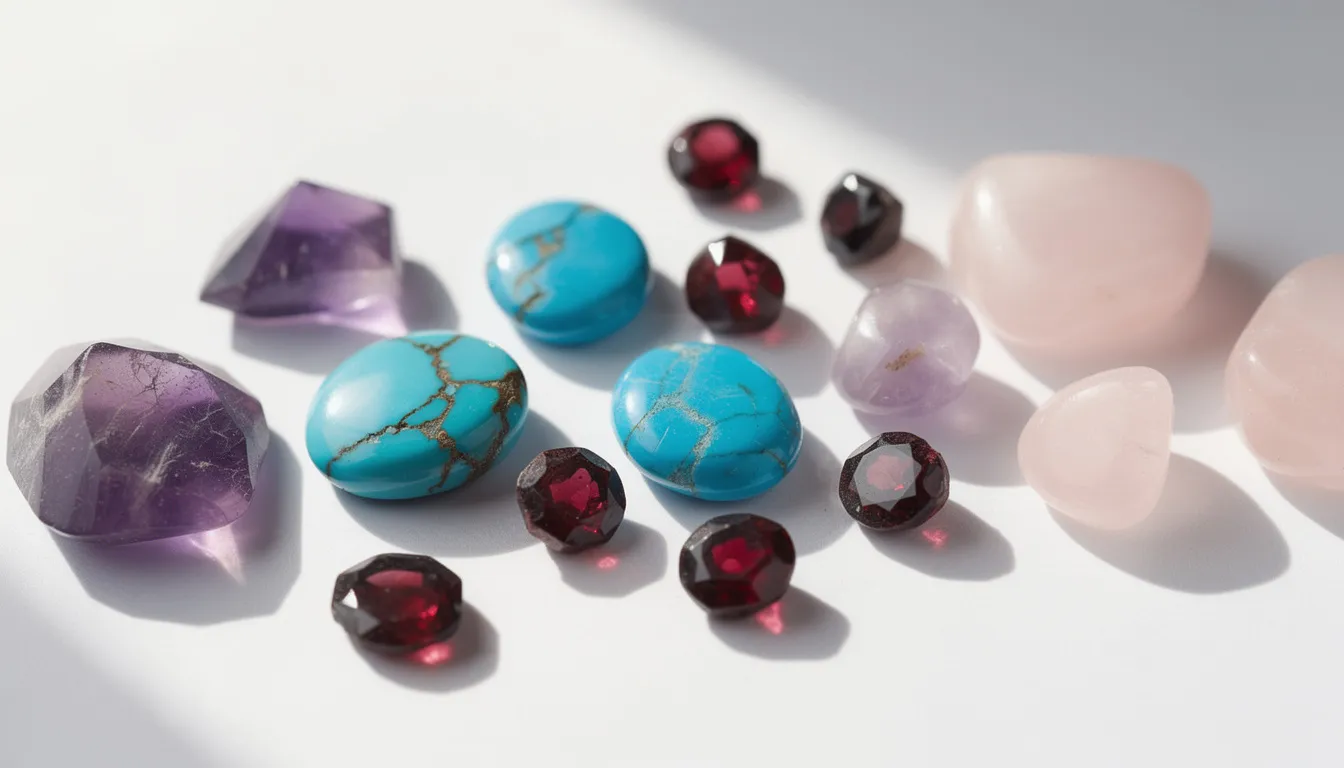
Modern birthstone charts became popular in the early 20th century when jewellers standardised associations between months and specific gemstones. Today, birthstone jewellery represents one of the most meaningful ways to personalise pieces for yourself or as gifts.
Monthly birthstone guide:
-
January – Garnet: Deep red stone symbolising energy, passion, and protection
-
February – Amethyst: Purple quartz for calm, clarity, and spiritual connection
-
March – Aquamarine: Aquamarine named for its sea-blue colour; includes aquamarine and light blue varieties
-
April – Diamond (or clear quartz alternatives): Brilliance and eternal love
-
May – Emerald: Rich green symbolising rebirth and love
-
June – Pearls or moonstone: Purity, intuition, and feminine energy
-
July – Ruby: Crimson passion, power, and vitality
-
August – Peridot: Fresh green for renewal and abundance
-
September – Sapphire: Wisdom, loyalty, and nobility in shades from blue to pink
-
October – Opal or tourmaline: Creativity and protection
-
November – Topaz or citrine: Warmth, optimism, and abundance
-
December – Turquoise, tanzanite, or zircon: Protection and spiritual growth
At Saras Beads & Jewellery, we focus on accessible semi precious birthstones like amethyst, garnet, peridot, citrine, turquoise, and topaz, set in sterling silver or gold-plated designs. Customers can request bespoke birthstone bracelets, initial necklaces with birthstones, or stacking rings tailored to specific months.
Protective and Spiritual Stones (Including the Evil Eye)
Many cultures from the Eastern Mediterranean to North Africa have used specific stones and symbols for protection throughout human culture. These traditions remain vibrant today, with protective jewellery serving as both meaningful talisman and stylish accessory.
The Evil Eye motif—a blue-and-white eye design—has protected against jealousy and misfortune across Mediterranean, Middle Eastern, and South Asian cultures for millennia. At Saras Beads & Jewellery, we incorporate this powerful symbol into gemstone bracelets and pendants, often pairing glass Evil Eye charms with complementary blue stones in our handmade beaded jewellery.
Protective stones in our collections:
-
Black Onyx – Grounding and stabilising, believed to absorb negative energy and provide strength during difficult times
-
Hematite – Recognised for its reflective surface and grounding properties, hematite adds contemporary edge while supporting focus and clarity
-
Lapis Lazuli – Historically associated with truth and courage, this royal blue stone has protected royalty and spiritual seekers since ancient times
-
Turquoise – One of the most ancient protection stones, associated with safe travel and good fortune across cultures from central America to the Middle East
-
Tiger’s Eye – Golden-brown stone believed to ward off negative energy and boost confidence
Sarah’s Lebanese and Mediterranean heritage directly informs our colour palettes and symbolic combinations. The deep blues, vibrant turquoises, and protective symbols in our collections reflect traditions passed down through generations.
Now that you know the meanings behind popular gemstones, let's explore the different types of jewelry we create with these stones.
Types of Gemstone Jewellery We Create
Gemstones appear across all jewellery categories, each offering different ways to showcase these beautiful gemstones. The key lies in matching stone characteristics to jewellery type—harder stones suit rings that face daily wear, while softer or more delicate stones shine in earrings and pendants protected from impact.
As a UK-based handmade brand, we design both delicate everyday pieces and slightly bolder statement gemstone jewellery. Everything we create is hypoallergenic and nickel-free, suitable for sensitive skin.
Necklaces & Pendants
-
Gemstone focals like oval copper turquoise on delicate chains
-
Small birthstone charm pendants for layering
-
Evil Eye pendants framed by tiny faceted gems
-
Statement pieces with larger cabochon stones
Bracelets
-
Beaded gemstone stretch bracelets in rose quartz, amethyst, and black onyx
-
Chain bracelets with small stone drops
-
Stacking sets combining multiple gemstone types
-
Adjustable cord bracelets with gemstone focals
Earrings
-
Studs in sterling silver and 18K gold-plated settings with moonstone, citrine, or garnet
-
Drop earrings featuring tear-shaped or oval stones
-
Huggie hoops with small gemstone charms
-
Statement chandeliers for special occasions
Rings
-
Stackable bands with small set stones
-
Minimalist solitaires with bezel-set cabochons
-
Adjustable beaded rings with gemstone accents
-
Statement rings featuring larger turquoise or moonstone
We frequently combine gemstones with metals like 925 sterling silver or 18K gold plating over brass for a modern, elevated look that suits both casual and formal settings.
Sterling Silver and 18K Gold-Plated Gemstone Pieces
Sterling silver (92.5% pure silver alloyed with copper for strength) remains a classic choice for gemstone settings. Its cool, bright tone pairs particularly well with blue stones like turquoise and lapis lazuli, purple amethyst, and the ethereal glow of moonstone. Silver’s versatility means it complements most gemstones while maintaining an accessible price point.
Our 18K gold-plated jewellery features a base metal (typically brass or sterling silver) coated with a thick layer of 18K gold. This process creates the warm, luxurious look of solid gold at a fraction of the cost—a cost effective option for those who love gold tones but prefer not to invest in solid gold pieces.
How we style gemstones in these metals:
-
Slim 18K gold-plated chains with tiny faceted gems in citrine or garnet drops
-
Sterling silver rings with cabochon cut gem turquoise or moonstone
-
Gold-plated huggie hoops with small birthstone charms that catch incandescent light beautifully
-
Mixed-metal pieces combining silver and gold elements with multi-coloured stones
All our metals are hypoallergenic and nickel-free, making them suitable for customers with sensitive skin. We test our materials carefully to ensure comfort alongside beauty.
Handmade Beaded Gemstone Jewellery
Beaded gemstone designs represent a key part of our identity at Saras Beads & Jewellery. Sarah began creating beaded pieces as a hobby before founding the brand in 2021, and that passion for colour and texture continues to inform everything we make.
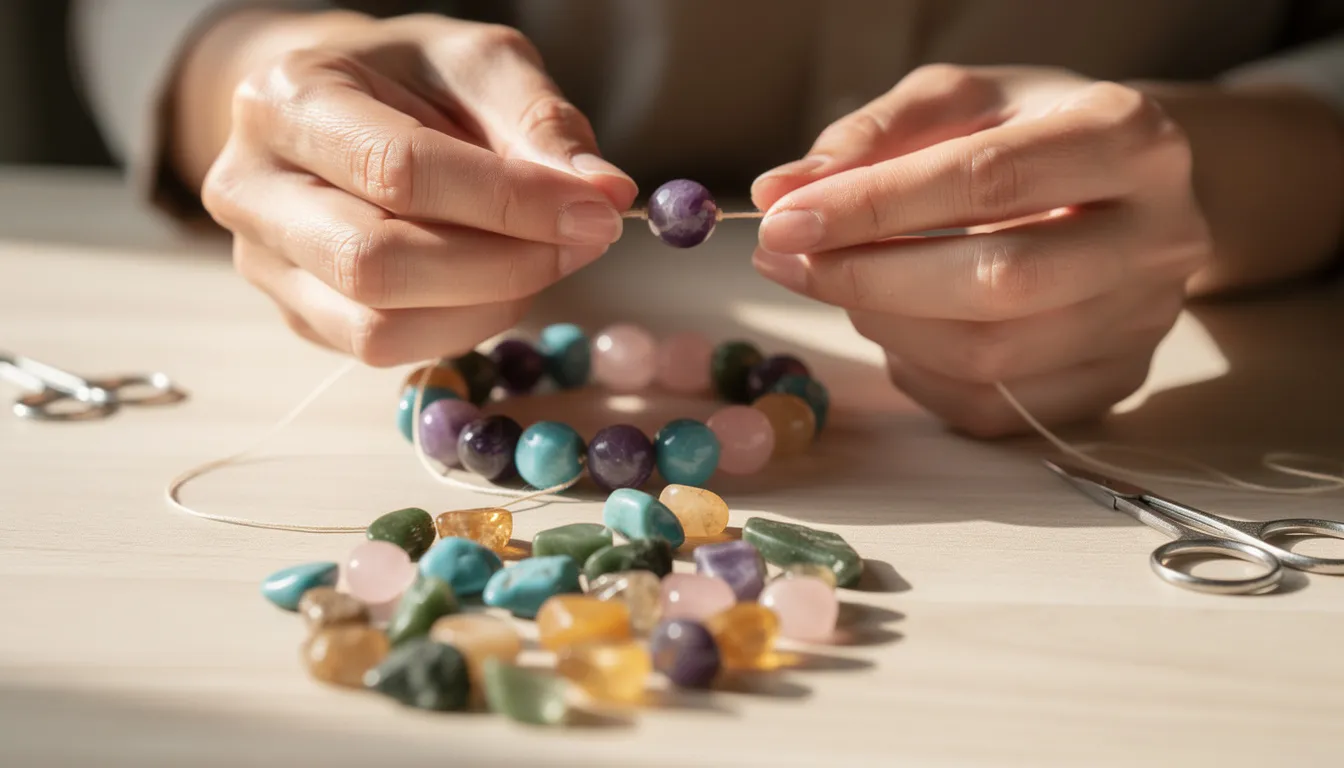
We hand-string semi precious gemstone beads including amethyst, rose quartz, amazonite, green quartz, and black onyx into bracelets, chokers, and long layering necklaces. Each piece involves careful selection of beads that complement each other in colour and size.
Common bead shapes and combinations: Explore the handcrafted gemstone jewellery collection to see how different beads are used to enhance positivity and wellbeing.
-
4mm round beads for delicate, minimalist designs
-
6mm faceted rondelle beads that reflect light with extra sparkle
-
Small crystals mixed with natural stones for textural interest
-
Metal spacers in gold or silver to break up gemstone patterns
-
Tiny pearls and glass beads for added dimension
Signature styles include:
-
Multicolour gemstone chakra-style stacks using seven coordinating stones
-
Evil Eye and lapis lazuli combinations drawing on Mediterranean protective traditions
-
Copper turquoise focal beads framed with gold-plated accents
-
Rose quartz and amethyst pairings for heart and mind balance
The artisanal craftsmanship behind beaded jewellery means no two pieces are exactly alike—each carries the slight variations that distinguish handmade work from mass production.
Special Focus: Copper Turquoise and Mediterranean-Inspired Designs
Copper turquoise is reconstituted or stabilised turquoise featuring natural copper veining, producing vivid blue green stones shot through with metallic bronze and copper patterns. Unlike other stones that might be enhanced subtly, copper turquoise embraces its dramatic veining as a design feature, creating pieces that feel both ancient and contemporary.
This stone echoes Mediterranean sea tones and ancient Levantine jewellery traditions. The combination of deep turquoise blues with warm metallic threads connects directly to Sarah’s Lebanese heritage—where the meeting of sea and earth, tradition and modernity, creates something uniquely beautiful.
Copper turquoise pieces we create:
-
Statement pendants with large oval or teardrop copper turquoise focals
-
Cocktail rings featuring cabochon-cut stones in silver or gold settings
-
Drop earrings pairing copper turquoise with complementary smaller stones
-
Beaded bracelets mixing copper turquoise rounds with gold-plated spacers
Complementary gemstones in our Mediterranean-inspired designs:
-
Lapis lazuli – Deep royal blue with golden flecks, echoing Phoenician trade routes
-
Carnelian – Warm orange-red tones suggesting Mediterranean sunsets
-
White moonstone – Cool luminescence balancing warmer stone tones
-
Green turquoise – Varying green colors within the turquoise family
These palettes create a sun-and-sea aesthetic that works beautifully year-round, whether you’re dreaming of coastal holidays or bringing Mediterranean warmth to grey winter days. Add a touch of elegance with a copper turquoise necklace to complete your look.
Evil Eye and Symbolic Gemstone Collections
Our Evil Eye jewellery combines glass Evil Eye charms with real gemstones for layered protective symbolism. This approach honours traditional craftsmanship while adding the natural beauty and energy of stones like blue agate, lapis, and turquoise.
Typical design layouts:
-
Beaded bracelets alternating gemstone rounds with small Evil Eye charms
-
Necklaces featuring a central Evil Eye pendant framed by faceted stones
-
Layering sets combining Evil Eye pieces with complementary gemstone strands
-
Earrings pairing tiny Evil Eye studs with gemstone drops
We sometimes incorporate other symbols like Hamsa hands or stars with gemstones to reflect broader Middle Eastern and Mediterranean protective traditions. These collections appeal to customers seeking everyday talismans and meaningful gifts for friends, partners, or family members starting new life chapters, such as the February Birthstone: Amethyst Gemstone.
The emotional appeal lies in wearing something that feels both beautiful and protective—jewellery that does more than simply adorn.
Next, let’s look at how we ensure our gemstone jewelry is both ethical and hypoallergenic.
Ethical and Hypoallergenic Gemstone Jewellery
The gemstone mining industry can involve environmental and social issues, from habitat disruption to labour concerns in the supply chain. At Saras Beads & Jewellery, we prioritise working with suppliers who follow responsible, traceable ethical sourcing wherever possible.
Gemstones are often cut and polished for use in jewelry. Our focus on semi precious stones and small-scale production allows closer oversight of quality and origin compared to mass fashion jewellery. We build relationships with suppliers rather than simply purchasing from the lowest bidder, ensuring we understand where our materials come from.
Our ethical and skin-friendly practices:
-
Sourcing from suppliers committed to responsible practices
-
Using hypoallergenic, nickel-free metals in all pieces
-
Avoiding cheap mystery-metal findings that can cause reactions
-
Steering clear of overly harsh surface treatments
-
Choosing stones that are minimally treated or transparently disclosed
-
Supporting artisanal production over mass manufacturing
Most gemstones undergo some form of processing—cutting, polishing, or stabilisation—but we avoid heavily dyed or irradiated stones where the treatment might affect durability or safety. Our sterling silver and carefully plated alloys suit most sensitive-skin customers, making gemstone jewellery accessible to those who previously avoided it due to reactions.
Natural, Treated, and Synthetic Gemstones
Understanding the differences between gemstone types helps you make informed purchasing decisions:
Natural gemstones are mined from the earth through traditional gemstone mining processes. They form over millions of years through natural geological formation process and carry the unique characteristics of their origin.
Treated gemstones have been enhanced through heating, oiling, or dyeing to improve colour or clarity. Many affordable semi precious stones in everyday jewellery are lightly treated for stability—this is standard practice and doesn’t diminish their beauty or value when done responsibly.
Synthetic gemstones are created in laboratories and are chemically identical to natural stones. These synthetic gems are chemically identical to natural stones but created in controlled environments. They offer a cost effective alternative for those seeking specific looks, like the sparkle of cubic zirconia as a diamond alternative.
At Saras Beads & Jewellery, we focus primarily on natural and gently treated stones. When we use synthetic options—such as cubic zirconia for added sparkle in certain designs—we do so transparently. Cubic zirconia is a relative newcomer compared to ancient gemstones but serves a valuable purpose for accessible, durable brilliance.
Treatments can affect how you should clean and store gemstones. Porous stones like turquoise require more delicate care than harder, non-porous options. Always follow specific care recommendations for your particular pieces.
Ready to choose the right gemstone jewelry for your style and needs? Let’s explore how to select the perfect piece for you or your loved ones.
Choosing the Right Gemstone Jewellery for You
Selecting gemstone jewellery involves balancing personal style, practical considerations, and the meanings that resonate with you. Here’s how to navigate those choices.
Consider your personal style:
-
Minimalist: Choose delicate pendants with single small stones, thin stacking rings, or simple stud earrings
-
Statement: Opt for larger focal stones, bold colours, or layered beaded pieces
-
Cool tones: Amethyst, lapis lazuli, aquamarine, moonstone
-
Warm tones: Citrine, garnet, carnelian, tiger’s eye
Practical considerations:
-
Rings: Best with stones 7+ on Mohs scale (withstands daily impact and scratching)
-
Bracelets: Best with stones 6.5+ on Mohs scale (handles regular wear against surfaces)
-
Earrings: Best with stones 5+ such as pearls on Mohs scale (protected position allows softer stones)
-
Necklaces: Best with stones 5+ on Mohs scale (less exposure to impact)
Workplace dress codes matter too. Lightweight studs and delicate pendants suit professional environments, while chunky beaded bracelets or statement rings might be perfect for creative settings or weekends.
Choosing by meaning:
-
Birthstones – Personal connection to your birth month or loved ones’ months
-
Protection stones – Black onyx, Evil Eye, turquoise for those seeking grounding
-
Love and heart-healing – Rose quartz, garnet for romantic or self-love intentions
-
Creativity and abundance – Citrine, opal for artists and entrepreneurs
We welcome bespoke orders for matching bridesmaid gemstone bracelets, personalised birthday gifts, or custom-stacked bracelets built around specific gemstones. Contact us through our website or visit our Southall store for consultation.
Gift Ideas with Gemstones
Gemstone jewellery makes meaningful gifts because it combines beauty with personal significance. Here are other examples of occasions matched with perfect gemstone choices:
Birthdays:
-
Birthstone necklaces featuring the recipient’s month stone
-
Stackable birthstone rings for milestone years
-
Beaded bracelets in their favourite colours
Anniversaries:
-
Romantic stones like garnet, rose quartz, or ruby-inspired red designs
-
Custom pieces incorporating both partners’ birthstones
-
Heart-shaped gemstone pendants
New job or move:
-
Protective stones and Evil Eye bracelets for good fortune
-
Turquoise pieces for travellers and those embarking on new journeys
-
Grounding black onyx for stability during transitions
Weddings:
-
Subtle moonstone or pearl earrings for brides
-
Matching gemstone bracelets for bridesmaids
-
Something blue in turquoise or lapis for tradition
Our online shop allows filtering by stone or colour, and we can adjust bracelet sizes or chain lengths on request. Free UK shipping on orders over £35 makes gifting easy, and local customers can visit our Southall store to see gemstone colours in person before purchasing.
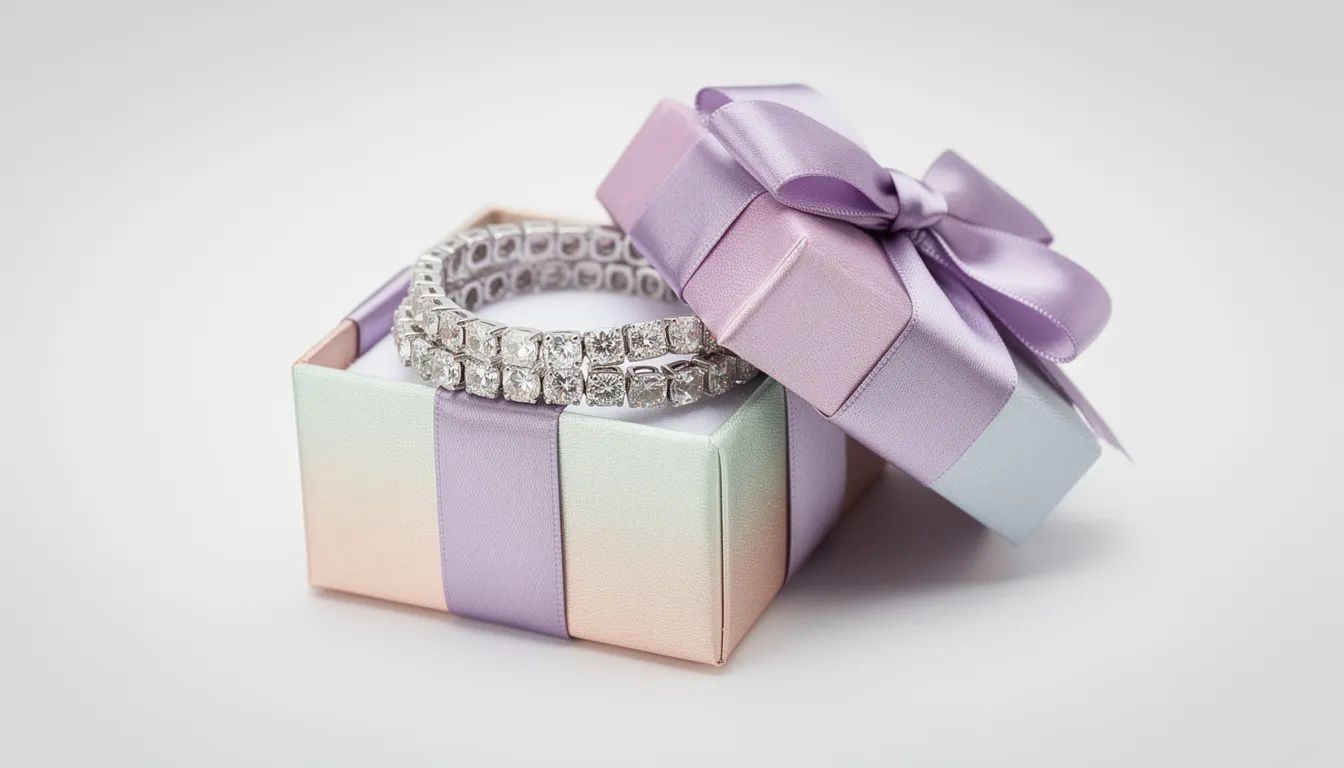
Once you’ve chosen your perfect gemstone jewelry, it’s important to care for it properly. Let’s look at how to keep your pieces looking their best.
Caring for Your Gemstone Jewellery
With proper care, gemstone jewellery can last many years while maintaining its vivid colour and bright finish. The key is understanding that different stones require different approaches.
General care rules
-
Remove gemstone pieces before swimming, showering, cleaning, or exercising
-
Apply perfumes, lotions, and hairspray before putting on jewellery, not after
-
Store items separately in soft pouches to prevent scratching
-
Clean pieces gently after wearing to remove oils and residue
Stone-specific cautions
|
Stone Type |
Hardness |
Care Approach |
|---|---|---|
|
Turquoise, opal |
5-6.5 |
Never soak; wipe with soft damp cloth only |
|
Moonstone, pearls |
6-6.5 |
Avoid chemicals; gentle wiping only |
|
7+ |
Mild soapy water is safe; dry thoroughly |
|
|
Lapis lazuli |
5-6 |
Avoid water; wipe with dry soft cloth |
Softer or porous stones should never be soaked or cleaned with harsh chemicals. Harder stones like amethyst and garnet can handle mild soapy water and gentle brushing, but always dry them completely.
Metal-specific tips
-
Sterling silver can tarnish over time; polish gently with a soft silver cloth
-
Gold-plated pieces should be treated more delicately to preserve the gold layer
-
Avoid abrasive cleaners on any metal surface
-
Store silver with anti-tarnish strips in humid climates
If you’re ever unsure how to care for a particular stone in any Saras Beads & Jewellery piece, please contact us. We’re happy to provide specific guidance for your jewellery.
Storing and Travelling with Gemstone Jewellery
Proper storage protects your investment and keeps pieces looking their best.
At-home storage tips:
-
Keep pieces away from direct sunlight, which can fade some stones over time
-
Avoid humid bathrooms for jewellery storage
-
Store each item in a separate pouch or compartment to prevent scratching
-
Keep small crystals and delicate chains detangled in individual sections
Travel advice:
-
Use a small jewellery roll or box with padded sections
-
Keep delicate gemstones and beaded bracelets in hand luggage rather than checked bags
-
Pack pieces individually wrapped in soft cloth if no proper case is available
-
Remove gemstone rings before applying hand sanitiser or creams
These simple habits extend the life of your gemstone jewellery significantly, ensuring pieces remain as beautiful as the day you first wore them.
Now that you know how to care for your jewelry, let’s see why shopping with Saras Beads & Jewellery is a unique experience.
The Hardest Gemstone: Diamond
Diamonds are renowned as the hardest naturally occurring material known to man. This exceptional hardness makes diamonds incredibly durable and resistant to scratching, which is why they are highly prized for use in jewelry with gemstones, especially in engagement rings and other pieces designed for daily wear. The hardness of diamonds is measured as a 10 on the Mohs scale, the highest rating possible, setting them apart from other precious and semi-precious stones.
The Versatile Corundum Family: Sapphires and Rubies
Sapphires belong to the corundum family of minerals and are celebrated for their wide range of colors. While the classic sapphire is a deep blue, sapphires can also be found in shades of pink, yellow, green, and even colorless. This versatility makes them a popular choice for various types of jewelry with gemstones.
Rubies are a striking variety of the corundum mineral, distinguished by their vivid bright red color. The rich red hue of rubies has made them symbols of passion, courage, and vitality throughout history. Both sapphires and rubies share similar physical properties, including impressive hardness, making them durable options for fine jewelry.
Diversity of Gemstones
There are believed to be as many as 315 different types of gemstones in existence. These range from the well-known precious stones like diamonds, rubies, sapphires, and emeralds to a vast array of semi-precious stones that vary in color, hardness, and rarity. While most gemstones are hard enough for use in jewelry, some softer minerals are still valued for their unique color or luster and are carefully incorporated into designs where durability is less critical.
Modern Gemstone Treatments
Gemstone treatments are common practices used to enhance the appearance and durability of stones.
-
Irradiation is a treatment used to create gemstone colors that do not exist naturally, expanding the palette of colors available for jewelry with gemstones.
-
Fracture filling improves the appearance of gemstones like diamonds, emeralds, and rubies by filling cracks or fissures with a substance that enhances clarity.
-
Some gemstones, such as emeralds, are often treated with oil or wax to fill surface-reaching fractures and improve their clarity and overall look.
-
Bleaching uses chemicals to reduce or lighten the color of gemstones before they may be dyed to achieve a desired shade.
Understanding these treatments is important for buyers, as they can affect the value, care requirements, and durability of the gemstones.
Popular Jewelry Settings
When it comes to showcasing gemstones, various settings offer both aesthetic appeal and protection:
-
Bezel settings fully encircle the gemstone with metal, providing excellent protection and a sleek, modern look.
-
Halo settings feature a central gemstone surrounded by a halo of smaller stones, enhancing the sparkle and visual impact of the piece.
-
Solitaire jewelry highlights a single gemstone as the focal point, commonly used in rings and pendants for a classic and timeless style.
-
Pave settings cover the surface of the jewelry piece with numerous small gemstones, creating a continuous sparkling effect.
Personalization and Vintage Styles in 2026
Personalization remains a top trend in jewelry with gemstones for 2026. Designs featuring initials, zodiac motifs, and birthstones allow wearers to express individuality and meaning through their pieces.
Vintage heirloom styles are also popular, often incorporating specific gemstone cuts and intricate metalwork that evoke classic aesthetics and timeless elegance.
Caring for Gemstone Jewelry
Proper care ensures the longevity and beauty of jewelry with gemstones:
-
Most gemstones can be safely cleaned by dipping in silver dip or gold dip; however, pearls should never be placed in silver dip due to their delicate nature.
-
Great care should be taken when cleaning jewelry set with opals, as these stones are softer and can be damaged by harsh chemicals or ultrasonic cleaners.
-
Ultrasonic cleaners can damage certain gemstones such as opals and pearls and should generally be avoided for these stones.
-
It is important to avoid exposing emeralds to excessive moisture, as this can affect their treated oils and overall appearance.
Historical and Cultural Significance of Gemstones
Gemstones have been desirable since ancient times, appealing to both rulers and common folk.
-
Emeralds were believed to offer protection against evil spells and were thought to grant the ability to see the future.
-
Rubies were historically associated with invincibility in battle and were even inserted into the flesh of warriors for protection.
-
Sapphires have been linked with the heavens and enlightenment in Buddhist culture, symbolizing wisdom and spiritual insight.
Symbolism of Popular Gemstones
Many gemstones carry symbolic meanings that influence their selection:
-
Alexandrite symbolizes adaptability and confidence, famed for its remarkable color-changing ability.
-
Aquamarine represents tranquility and harmony, believed to enhance communication and calm emotions.
-
Citrine is associated with success and positivity, often called the 'Merchant's Stone' for its link to financial prosperity.
-
Morganite expresses love and emotional healing, promoting peace and compassion.
-
Opal connects with creativity and inspiration, helping balance emotions while protecting against negativity.
-
Pearls symbolize purity and wisdom, reflecting integrity and calmness.
-
Peridot signifies protection and prosperity, believed to repel negative energy and encourage growth.
-
Ruby gemstones embody love, passion, and courage, inspiring confidence and vitality in relationships.
-
Tourmaline represents protection and emotional balance, shielding against negative energy and fostering inner calm.
-
Zircon symbolizes clarity and wisdom, boosting self-confidence and promoting clear thinking.
Ethical and Socio-Economic Considerations in the Gemstone Industry
In 2026, ethical and lab-grown gemstones are gaining popularity as sustainable alternatives to mined stones, reflecting growing consumer awareness.
The socio-economic dynamics of the gemstone industry are shaped by market forces and consumer preferences. Many mines, especially in developing countries, face challenges such as inadequate safety measures, low wages, and poor working conditions. Mining operations often occur in remote or underdeveloped areas lacking infrastructure and access to essential services like healthcare and education.
Environmental degradation from mining activities poses long-term threats to ecosystems and biodiversity. Additionally, the lack of standardized certification processes and prevalence of illicit practices undermine market integrity and consumer trust.
The unequal distribution of profits along the gemstone supply chain often fails to improve socio-economic inequalities in mining regions. Addressing these challenges requires collaboration among governments, industry leaders, and communities to promote sustainable practices and equitable outcomes.
2026 Gemstone Jewelry Trends
Gemstone jewelry in 2026 is characterised by bold self-expression and vibrant colors. Statement pendants featuring large natural gemstones such as jade or lapis lazuli are particularly trendy, offering eye-catching pieces that blend classic beauty with contemporary style.
Shopping Gemstone Jewellery with Saras Beads & Jewellery
Gemstone jewellery offers something that mass-produced accessories cannot: colour that carries meaning, craftsmanship that shows care, and pieces that connect you to traditions spanning thousands of years across human culture. From the protective symbols of the Mediterranean to the personal significance of birthstones, every gem tells a story.
What sets us apart as a UK-based handmade brand is our commitment to carefully chosen stones, hypoallergenic metals, and designs inspired by Sarah’s Lebanese and Mediterranean heritage. Whether you shop online or visit our Southall store, you’ll find jewellery created with intention—pieces meant to be worn, loved, and passed down.
Why shop with us:
-
Handmade pieces using ethically sourced semi precious and precious and semi-precious stones
-
Hypoallergenic, nickel-free sterling silver and 18K gold-plated designs
-
Free UK shipping on orders over £35
-
Priority shipping options available at checkout
-
Bespoke and custom orders available via contact form or in-store consultation
-
Physical store in Southall
Explore our collections—birthstones, Evil Eye, copper turquoise, beaded designs, sterling silver, and 18K gold-plated pieces—to find or create jewellery that tells your story. Every gemstone holds possibility; yours is waiting to be discovered.
Browse our gemstone collections or contact us for your next meaningful piece.
Frequently Asked Questions (FAQs) About Jewelry with Gemstones
Q1: What is the difference between precious and semi-precious gemstones?
Precious gemstones include diamond, ruby, sapphire, and emerald, known for their rarity, hardness, and brilliance. Semi-precious gemstones encompass a wide variety of other stones like amethyst, turquoise, garnet, and moonstone. Although traditionally considered less valuable, many semi-precious stones are rare and prized for their unique colors and meanings.
Q2: How can I tell if a gemstone is natural, treated, or synthetic?
Natural gemstones are mined from the earth and may have inclusions or slight imperfections. Treated stones have undergone enhancements such as heating or oiling to improve color or clarity. Synthetic gemstones are lab-grown but have the same chemical composition and physical properties as natural stones. Gemologists use specialized equipment to distinguish among these types.
Q3: How should I care for my gemstone jewelry?
Care depends on the type of gemstone. Generally, remove gemstone jewelry before swimming, cleaning, or exercising. Softer stones like turquoise and opal require gentle cleaning with a soft, damp cloth, avoiding harsh chemicals. Harder stones like amethyst and garnet can be cleaned with mild soapy water. Always store pieces separately to prevent scratching.
Q4: Are gemstones suitable for everyday wear?
Many gemstones are durable enough for daily use, especially those with a Mohs hardness of 7 or higher, like sapphire, ruby, and diamond. Softer stones such as opal or pearl are better suited for occasional wear to prevent damage. Choosing the right setting, such as bezel or protective prongs, also enhances durability.
Q5: What are birthstones, and how do I choose one?
Birthstones are gemstones associated with each month of the year, often chosen for their symbolic meanings and personal significance. Selecting your birthstone jewelry can be a meaningful way to celebrate your birth month or connect with loved ones. Popular birthstones include garnet for January, amethyst for February, and sapphire for September.
Q6: Can I wear multiple gemstone colors together?
Yes! Combining different colored gemstones can create vibrant, personalized jewelry. Consider color harmony and balance—cool tones like amethyst and aquamarine pair well together, as do warm tones like citrine and garnet. Layering pieces with complementary stones offers a stylish and meaningful look.
Q7: Are lab-grown gemstones ethical?
Lab-grown or synthetic gemstones provide an ethical alternative to mined stones by reducing environmental impact and avoiding labor concerns associated with mining. They offer the same beauty and physical properties as natural gems at often more accessible prices, making them a popular choice for conscious consumers.
Q8: How do gemstone treatments affect value?
Treatments like heat enhancement or oiling can improve a gemstone’s appearance and durability but may affect its value. Untreated stones are typically more valuable, especially in rare or high-quality specimens. Transparency about treatments is important when purchasing gemstone jewelry.
Q9: What metals are best for setting gemstone jewelry?
Sterling silver and 18K gold-plated metals are popular for their beauty, durability, and hypoallergenic properties. Silver’s cool tone complements blue and purple stones, while gold-plated metals enhance warm colors like citrine and garnet. Choosing a metal that suits your style and skin sensitivity ensures comfort and longevity.
Q10: Where can I buy quality gemstone jewelry?
Look for reputable jewelers who provide information about gemstone origin, treatment, and care. Handmade brands like Saras Beads & Jewellery offer ethically sourced stones, hypoallergenic metals, and personalized designs. Shopping from trusted sources ensures authenticity and quality craftsmanship.
If you have more questions or need personalized advice, feel free to contact us or visit our store. We're here to help you find the perfect jewelry with gemstones that reflects your style and story.
Leave a comment