Gemstone for June: Pearl, Alexandrite and Moonstone
Introduction to June Gemstones
What is the gemstone for June? Unlike most months with one or two options, June is among the few with three official birthstones: pearl, alexandrite, and moonstone. This trio gives June babies exceptional flexibility across different aesthetics, price points, and symbolic meanings.
A birthstone is a gemstone traditionally associated with a person's birth month, believed to bring good luck or special meaning to those born in that month.
Each June birthstone offers something distinct. Pearl is the only organic birthstone in the entire calendar, formed inside living creatures rather than within the Earth’s crust. Alexandrite displays a rare color-changing effect, shifting from bluish green in daylight to purplish red under incandescent light. Moonstone captivates with its ethereal blue sheen that appears to float across the stone’s surface.
Modern birthstone lists were standardized in the 20th century, though some June gemstone traditions trace back to the 15th century and earlier. This layered history explains why June proudly claims three birthstones today.
Why June Has Three Gemstones
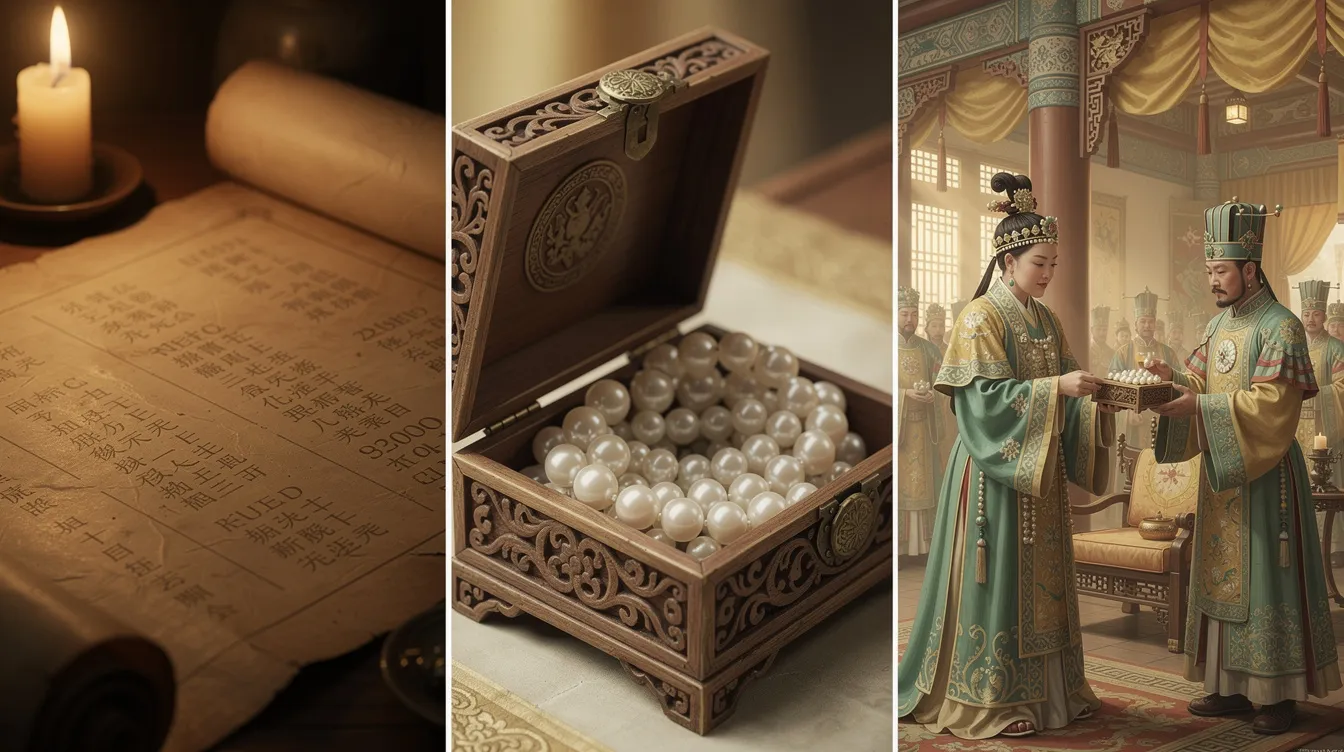
The existence of three birthstones for June reflects centuries of evolving gem lists, availability shifts, and cultural preferences. Pearl stands as the oldest—the traditional June birthstone documented in ancient times, with Chinese royalty receiving pearls as gifts as far back as 2300 BC.
Moonstone entered June’s roster as an accessible alternative when natural pearls remained rare luxuries available only to royalty. Before cultured pearls became widely available in the early 1900s, ordinary people needed a beautiful gemstone they could actually afford. Alexandrite joined the modern US birthstone list in the 1950s, adding a contemporary luxury option after its 1830s discovery in Russia. All three June birthstones are recognized by the American Gem Society.
This progression from ancient birthstones to modern birthstones shows how availability, fashion, and cultural changes shaped June’s unique three-gemstone status, echoing broader traditions around 12 monthly birthstones for protection.
Traditional June Birthstone
The traditional June birthstone is the pearl, a gem that has captivated people for thousands of years with its natural beauty and deep symbolism. In ancient times, pearls were treasured not only for their luminous appearance but also for what they represented—purity, innocence, and wisdom. Unlike most gemstones, the pearl is one of the few gems created by a living creature, making it truly unique among birthstones. Pearls were believed to bring good fortune and prosperity, and their mystical allure led to the use of pearl powder in traditional remedies, where it was thought to promote health and longevity. As the classic stone for June, pearls continue to be cherished gifts for those celebrating June birthdays, embodying the timeless elegance and purity that have made them a symbol of special occasions for centuries—qualities explored in depth in our guide to why pearl jewellery never goes out of style.
Modern June Birthstones
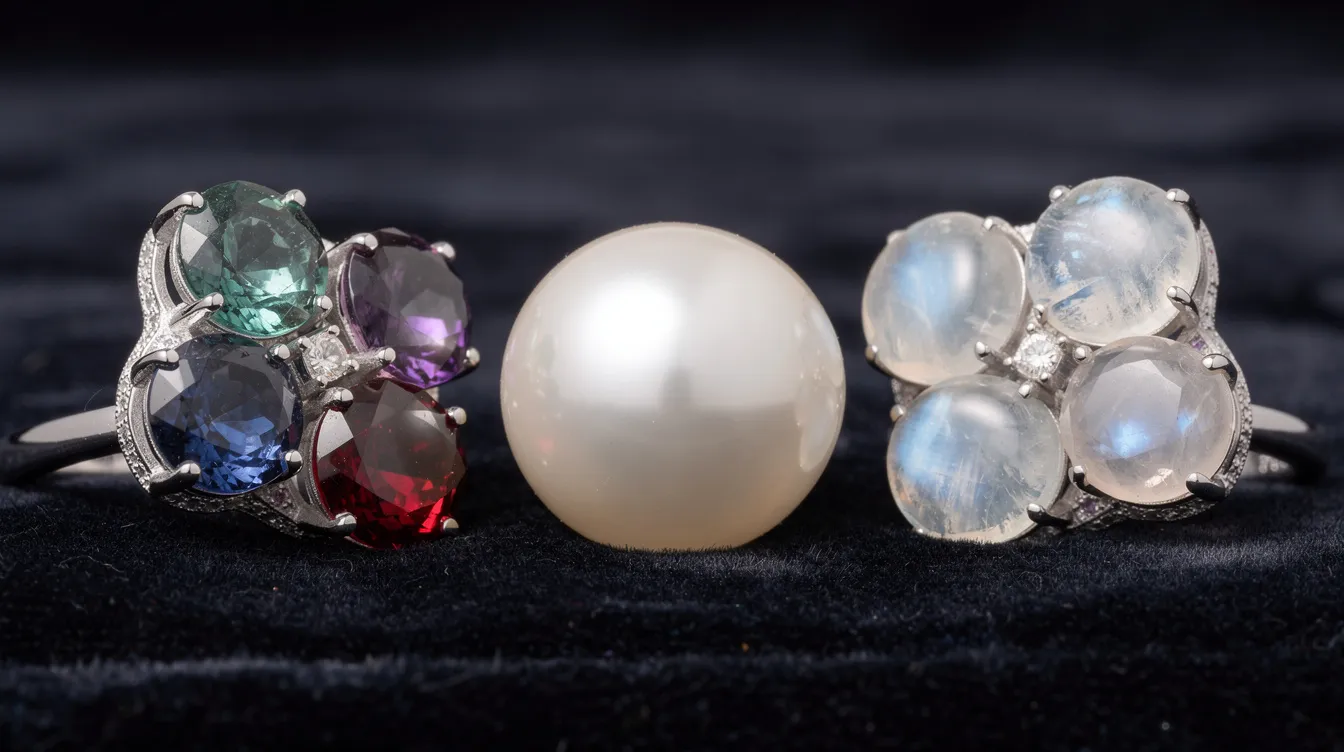
While the pearl remains the traditional June birthstone, modern birthstone lists have expanded to include two other stunning gems: alexandrite and moonstone. Alexandrite is a beautiful gemstone renowned for its remarkable ability to change color—appearing bluish green in daylight and transforming to a purplish red under incandescent light. This rare optical phenomenon makes alexandrite one of the most sought-after birthstones for June, adding a sense of magic and intrigue to any piece of jewelry.
Moonstone, another modern birthstone for June, is celebrated for its soft, glowing appearance that seems to capture the gentle light of the moon. Its ethereal shimmer, known as adularescence, gives moonstone a dreamy quality that has enchanted jewelry lovers for generations. Both alexandrite and moonstone are prized for their beauty and rarity, making them popular choices for unique and meaningful June birthstone jewellery. Whether set in rings, pendants, or earrings, these stones bring a touch of wonder and individuality to any collection.
Pearl: Classic Gemstone for June
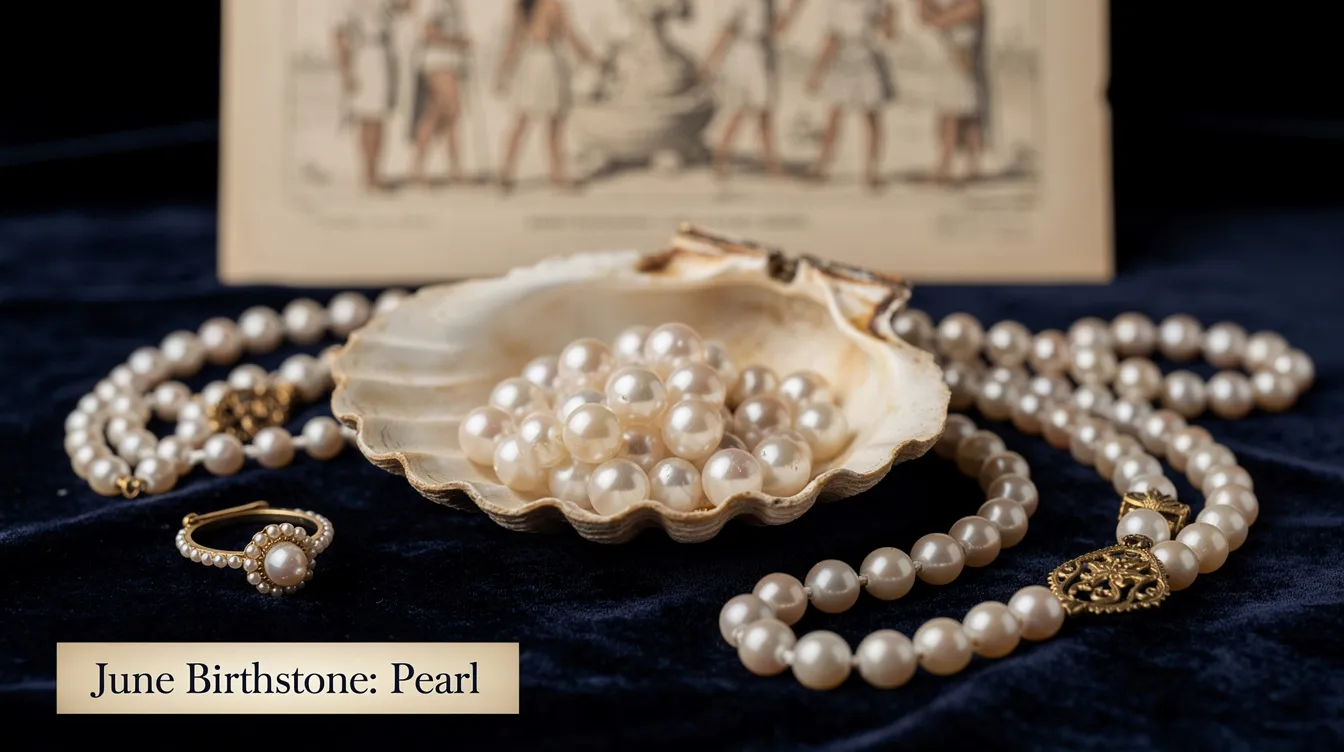
Pearl remains the most historically significant gemstone for June, with prestige dating back over two millennia. The traditional birthstone for June, pearl is unique because it forms inside living mollusks—oysters and mussels—rather than crystallizing underground like other gemstones. This makes pearl an organic gem, distinct from minerals formed in the earth.
Cultured pearls became widely available in the early 1900s, transforming what was once a royal luxury into accessible June birthstone jewellery for everyday wear, such as gold-plated necklaces with June pearl and moonstone birthstones.
Pearl Meaning & Symbolism
Pearl pearls carry rich symbolic associations: purity, humility, integrity, wisdom, and long life. Ancient Greeks linked them to Aphrodite, calling them “tears of the gods.” In ancient Rome, Julius Caesar passed laws restricting pearl wearing to aristocrats only, cementing their status as power symbols. Pearls have long been regarded as a symbol of wealth.
Chinese traditions describe dragon-guarded pearls representing mystery and celestial significance. Medieval Europeans viewed pearls as virtue symbols tied to chastity and social standing. Today, pearl jewelry remains popular for weddings, graduations, and June birthdays because of its “new beginnings” symbolism.
How Pearls Form & Where They Are Found
Pearls form when a small irritant—typically a parasite or organic debris, not a grain of sand—enters an oyster or mussel. The mollusk secretes nacre (calcium carbonate and protein) around the irritant, building layers over months or years. These layers are called nacreous layers, which give pearls their luster.
Major pearl-producing regions today include:
-
Saltwater: Japan and China (Akoya), French Polynesia (Tahitian black pearls), Australia (South Sea)
-
Freshwater: Rivers and lakes in China supply the vast majority of affordable cultured pearls
Historically significant natural pearl beds existed in the Persian Gulf, Red Sea, and Central America, but centuries of harvesting have largely depleted these sources. Modern pearl farming emphasizes clean, unpolluted waters and sustainable practices, and understanding the gem hardness scale for durability and selection helps you choose appropriate settings that protect softer organic gems like pearls.
Pearl Colors, Types & Jewelry Styles
While white and cream represent the classic look, pearls occur in black, silver, gold, blue, pink, lavender, and even orange tones. Main types include:
|
Type |
Size |
Characteristics |
|---|---|---|
|
Akoya |
7-8mm |
High luster, classic white/cream |
|
Tahitian |
8-14mm |
Dark with exotic green/blue overtones |
|
South Sea |
10-15mm+ |
Largest cultured pearls, golden or silver |
|
Freshwater |
Varies |
Most affordable, diverse shapes/colors |
|
Freshwater pearls are often found as 'baroque pearls,' which are valued for their unique, irregular shapes. |
|
|
Common June birthstone jewellery formats include single-strand necklaces, stud earrings, simple pendants, and delicate bracelets—timeless options for daily wear.
Pearl Care, Durability & Storage
Pearl hardness measures approximately 2.5–3.0 on the Mohs scale, making them softer than most other gemstones and prone to scratching. Pearls require special care:
Apply perfume, hair products, and cosmetics before putting on pearl jewelry (“last on, first off”). Wipe pearls after each wear with a soft, slightly damp cloth to remove skin oils. Acidic perspiration can damage pearls over time, so regular cleaning is important. Never use ultrasonic and steam cleaners, harsh detergents, or chemical dips.
Store pearls separately from harder stones to prevent scratching, using a soft pouch or lined box. Never store in a plastic bag—nacre needs minimal moisture exchange and can dehydrate in airtight conditions.
Moonstone: Mystical Gemstone for June
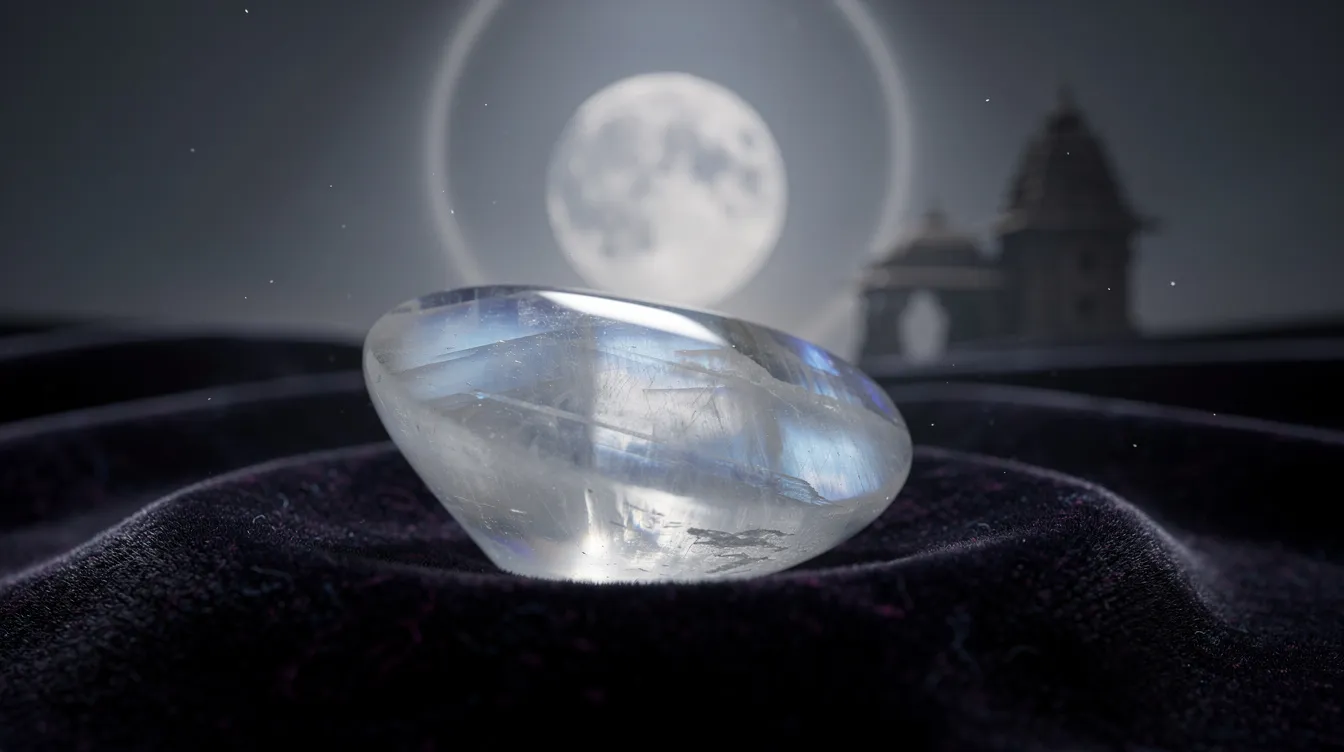
Moonstone offers June-born people a mystical alternative to pearl’s classic elegance. This feldspar mineral, which belongs to the feldspar group of minerals, displays adularescence—a ghostly, floating sheen that earned comparisons to solidified moonbeams in Hindu mythology, making it especially captivating in elegant moonstone necklace designs.
Moonstone jewellery became especially fashionable during the Art Nouveau period (late 1800s to early 1900s), with revivals in the 1960s and 1990s among those drawn to bohemian aesthetics—a spirit reflected in our Luminous Dreams: Moonstone Magic collection.
Moonstone Color & Optical Effect
Typical June moonstone ranges from nearly transparent to milky white, displaying soft blue, silver, or multicolored sheen across its surface. This adularescence results from light scattering within thin mineral layers inside the stone, creating an illusion of glowing, floating light. Some rare moonstones can also display a 'cat's eye effect,' which is highly prized by collectors.
The finest moonstones for June birthstone jewellery show strong, centered blue sheen against a colorless background. Stones with multicolored adularescence displaying greens and peaches are also valued, though heavily milky specimens represent lower quality, especially in statement pieces like moonstone cabochon rings.
Moonstone Meaning & Traditions
Moonstone symbolizes love, passion, good fortune, feminine energy, and emotional balance. Both ancient Romans and Greeks linked moonstone to lunar deities, incorporating it into ceremonial contexts.
Hindu tradition provides particularly evocative mythology, describing moonstone as made of solidified moonbeams—hence the name—connecting the stone to intuition, dreams, and mental clarity. Moonstone has been revered as a sacred stone in various cultures. Moonstone is believed to support fresh starts, making it meaningful for life transitions and new relationships.
Where Moonstone Comes From
Principal sources include Sri Lanka and India as historic producers, plus deposits in Brazil, Madagascar, Myanmar, Tanzania, and US locations like New Mexico, North Carolina, and Virginia. Sri Lankan material produces transparent stones with strong blue sheen in small quantities, while Indian moonstone often displays multicolored, misty appearance. Rainbow moonstone is a popular variety known for its vibrant play of colors and is frequently featured in sterling silver necklaces with moonstone pendants.
Moonstone Durability & Care
Moonstone measures 6–6.5 on the Mohs scale—harder than pearl but with perfect cleavage that makes it prone to chipping if struck, as its cleavage planes can easily split under impact. Clean only with warm soapy water and a soft brush. Avoid ultrasonic and steam cleaners due to high heat and vibration risks.
Store moonstone jewellery separately from harder stones to prevent scratching. Moonstone rings require careful daily wear; pendants and earrings represent safer long-term choices.
Moonstone Jewellery
Moonstone jewellery is a favorite among those with June birthdays, thanks to its enchanting glow and symbolic associations. Often set in silver or gold, moonstone pieces are sometimes accented with other gemstones like diamonds or pearls, creating jewelry that is both elegant and distinctive. Beyond its visual appeal, moonstone is believed to promote emotional balance and mental clarity, making it a thoughtful gift for anyone seeking harmony and insight in their life. Whether you’re searching for a meaningful present for a June baby or simply want to add a touch of magic to your own jewelry box, moonstone jewellery offers a beautiful way to celebrate the unique energy of this special stone.
Alexandrite: Rare, Color-Changing Gemstone for June
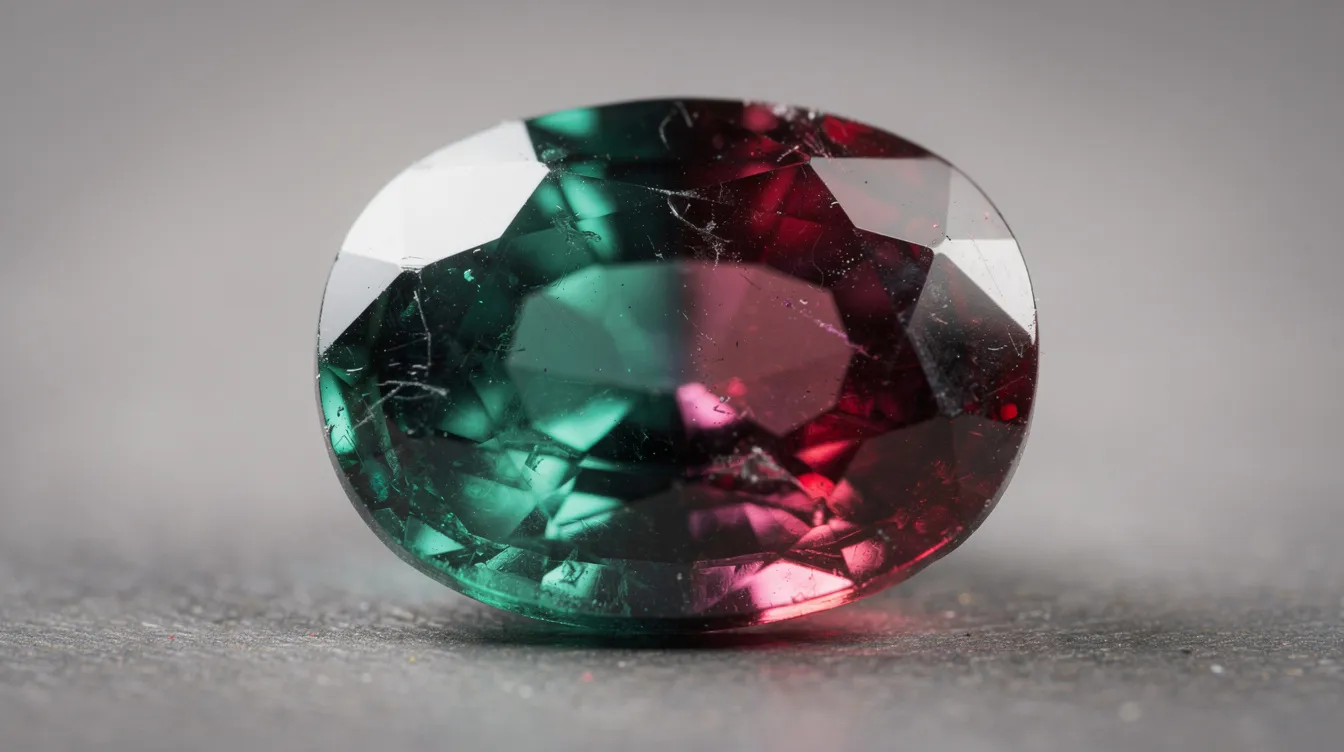
Alexandrite is the rarest of June’s three gemstones, prized for its dramatic color change from greenish in daylight to reddish or purplish red under incandescent light. This variety of chrysoberyl often commands prices exceeding ruby and diamond when found in fine quality. Alexandrite belongs to the chrysoberyl family of minerals and is one of June’s three celebrated birthstones, alongside pearl and moonstone, each explored in our overview of what the 3 June birthstones represent.
Because natural alexandrite remains scarce, lab-grown alternatives offer June-born people the color-change effect at approachable price points, expanding the options outlined in our guide to June birthstones pearl, moonstone, and alexandrite.
Alexandrite Discovery & History
Alexandrite’s story begins in the early 1830s in Russia’s Ural mountains, discovered within emerald mines around 1830–1834. The stone was named for the future Czar Alexander II, and its red and green colors matched imperial Russia’s military insignia—boosting its prestige among 19th-century European nobility. Alexandrite soon became a symbol of prestige in imperial Russia.
Original Russian alexandrites became legendary for their vivid color change, establishing quality benchmarks still referenced today.
Alexandrite Color Change & Symbolism
This beautiful gemstone displays green to bluish green in daylight or fluorescent light, shifting to red, purplish red, or raspberry tones under incandescent light. This effect occurs because alexandrite’s crystal structure absorbs light differently depending on wavelength—one of few gems demonstrating such dramatic transformation. This phenomenon is known as pleochroism.
Symbolically, alexandrite represents duality, adaptability, creativity, and good luck. Its rarity makes it appealing for engagement rings, anniversary pieces, and milestone June birthdays.
Where Alexandrite Is Found Today
Most historic Ural mountains deposits are exhausted. Modern sources include Brazil (notably Minas Gerais), Sri Lanka, and East Africa (Tanzania, Madagascar), though color change in newer deposits often appears less dramatic than classic Russian stones. Sri Lankan alexandrite is known for its unique color change, though it may differ from Russian stones.
High-quality natural alexandrite remains scarce—stones over one carat with strong color change command premium prices.
Alexandrite Durability & Care
Alexandrite’s hardness (8.5 on the Mohs scale) and excellent toughness make it durable for daily wear, including rings. Its high refractive index also contributes to its brilliance and striking color-changing effect. Clean with warm soapy water; steam cleaners are generally safe unless the stone has significant inclusions.
Because alexandrite is valuable, professional setting and periodic inspections protect your investment in this rare gem.
Pearl, Alexandrite & Moonstone: Comparing June’s Trio
With three birthstones to choose from, June offers an exceptional variety for those seeking the perfect gem. Each of June’s three birthstones brings something unique to the table: pearls are celebrated for their classic beauty and association with purity, making them a timeless choice for elegant jewelry such as gold-plated pearl and moonstone birthstone necklaces, while moonstone’s ethereal glow shines in designs like the Moonlit Magic gold-plated moonstone necklace. Alexandrite stands out for its rarity and mesmerizing color-changing effect, appealing to those who love a sense of mystery and transformation. Moonstone, with its soft glow and connection to emotional balance and mental clarity, is ideal for anyone drawn to mystical or spiritual symbolism. Whether you’re captivated by the traditional allure of pearl, the modern magic of alexandrite, or the serene beauty of moonstone, there’s a June birthstone to match every personality and style.
Choosing the Best June Gemstone for You
Consider these factors when selecting your gemstone for June:
-
Pearl: Classic, soft glow, organic origin—ideal for timeless elegance at accessible price points. Some people also consider the healing properties associated with pearls when making their choice.
-
Moonstone: Mystical shimmery sheen—perfect for artistic or bohemian styles. Some people also consider the healing properties associated with moonstone when making their choice.
-
Alexandrite: Rare color-changing luxury—best for collectors or statement pieces. Some people also consider the healing properties associated with alexandrite when making their choice.
Budget, desired durability, and color preference guide the choice. Lab-grown alexandrite and moonstone alternatives offer the June gemstone aesthetic at lower cost while remaining meaningful birthstone jewellery.
Occasions to Gift June Gemstone Jewelry
June gemstones suit occasions beyond June birthdays—weddings, anniversaries (pearl for 30th, alexandrite for 55th, moonstone for third), Mother’s Day, graduations, and December holidays all work. Each of these stones is also recognized as an anniversary gemstone for its respective milestone year.
Match personality to stone: classic recipients appreciate pearl jewelry, romantic or spiritual personalities gravitate toward moonstone, and bold individuals drawn to unique items treasure alexandrite. This thoughtful matching transforms birthstone gifts into deeply personal statements.
Celebrating June Birthdays
June birthdays are truly special, thanks to the month’s trio of beautiful birthstones. Gifting a piece of birthstone jewellery—whether it’s a classic strand of pearls, a dazzling alexandrite ring, or a luminous moonstone necklace pendant—is a heartfelt way to celebrate someone’s unique qualities. Custom jewelry that incorporates one or more of June’s birthstones can make the occasion even more memorable, offering a personal touch that will be cherished for years to come. With so many options, from moonstone jewellery to timeless pearl pieces and rare alexandrite accents, June is the perfect month to honor loved ones with a gift that reflects their individuality and the rich tradition of June birthstones, as well as the wider symbolism of 12 monthly birthstones for protection.
Frequently Asked Questions About June Birthstones
What makes pearls unique among gemstones?
A: Pearls are the only gemstones formed by living creatures. They develop inside the soft tissue of mollusks such as oysters and mussels, rather than forming within the Earth’s crust like other gemstones. This organic origin contributes to their distinctive luster and symbolism, much as the fiery red tones of the July birthstone ruby gemstone convey passion and vitality.
How should I care for and clean my pearl jewelry?
A: The best way to clean pearls is gently, using a soft, damp cloth after each time they are worn. This helps remove oils and residues that can dull their surface. Avoid harsh chemicals, ultrasonic cleaners, and steam cleaners to preserve their delicate nacre. Proper care ensures pearls maintain their natural beauty and longevity, just as thoughtful maintenance protects the rich hues of the February birthstone amethyst.
What historical significance do pearls hold?
A: Ancient Greek civilizations believed pearls were teardrops fallen from heaven, imbuing them with a divine aura. In ancient Vedic scriptures, pearls were said to bestow long life and prosperity. These rich cultural associations have made pearls symbols of purity, wisdom, and good fortune across many societies, much like the August birthstone peridot gemstone is linked to harmony and good health.
Are pearls only white?
A: No, pearls naturally occur in a variety of colors beyond the classic white. These include black, cream, gold, blue, pink, and even purple hues. The diverse palette allows for a wide range of pearl jewelry styles to suit different tastes and occasions, just as the vivid green tones of the May birthstone emerald gemstone inspire distinct design choices.
What is special about moonstone as a June birthstone?
A: Moonstone is the best-known gem of the feldspar mineral group, renowned for its captivating adularescence—a glowing sheen that seems to float across the surface. It is closely associated with lunar energy and is considered a ‘traveler’s stone,’ believed to offer protection during nighttime journeys. Moonstone is often chosen for its symbolism of strength and balance, making it meaningful for those seeking emotional harmony—similar to the calming energy associated with the February birthstone amethyst gemstone.
How durable is moonstone?
A: Moonstone ranks 6 to 6.5 on the Mohs scale of hardness but has poor toughness due to its perfect cleavage, which makes it prone to chipping. Careful handling and cleaning with warm soapy water and a soft brush are recommended. Ultrasonic and steam cleaners should be avoided.
What makes alexandrite a rare and valuable gemstone?
A: Alexandrite is prized for its dramatic color change—most prized stones show a vivid green to bluish green in daylight and shift to intense red to purplish red under incandescent light. This rare optical phenomenon makes alexandrite highly sought after, just as the three amazing December birthstones are valued for their own distinctive colors and symbolism.
Where was alexandrite first discovered?
A: Major alexandrite deposits were first discovered in the 1830s in Russia’s Ural Mountains. The stone was named after the future Czar Alexander II, and its colors mirrored the Russian imperial military colors.
Where does most alexandrite come from today?
A: Today, most alexandrite is sourced from Brazil, Sri Lanka, and East Africa. While these newer deposits provide more availability, stones from these regions sometimes have less dramatic color changes compared to the classic Russian alexandrites.
What is the gemstone for June zodiac signs?
A: The gemstone for June zodiac signs varies: Gemini (May 21–June 20) is often associated with pearl and alexandrite, while Cancer (June 21–July 22) is linked to moonstone and pearl. These June birthstones are chosen for their unique symbolism and connection to each zodiac sign, much like the varied December birthstone options for December celebrations reflect different personalities and styles.

 https://sarasbeads.co.uk


Leave a comment