

Introduction to the February Birthstone
Amethyst is the official february birthstone, renowned for its captivating deep purple shades and a rich history that spans centuries. A birthstone is a gemstone traditionally associated with a particular month of birth. Amethyst is the birthstone for February, making it a popular choice for birthday gifts during this month. The word amethyst originates from ancient Greek, symbolizing a remedy against drunkenness, reflecting its historical significance. Amethyst jewellery, including the elegant amethyst ring, remains a popular and meaningful choice for february birthday gifts. As a birthstone, amethyst represents love, luxury, and wisdom, making it a thoughtful and cherished gift for loved ones. Its unique purple variety is prized for both its beauty and rarity, captivating all who wear it. This guide is perfect for anyone looking to buy a meaningful February birthday gift, jewelry enthusiasts, or those interested in the history and symbolism of gemstones.
Properties of Amethyst and Its Place on the Mohs Scale
Physical Properties and Hardness
Amethyst belongs to the quartz family, celebrated for its durability and versatility. Ranking 7 on the mohs scale of hardness, it is suitable for everyday wear while still requiring careful handling to avoid scratches.
Amethyst Varieties
Available in a range of carat weights, its colour varies from light lilac to dark amethyst, encompassing varieties such as the pale pinkish-lavender 'Rose de France' and the deepest purple 'Siberian'.
Symbolic Meanings and Healing Properties
This gemstone is believed to promote mental clarity, calmness, and inner strength, making it a symbol of personal empowerment. Amethyst is also associated with healing properties, offering balance and harmony to those who seek it.
Where Amethyst is Found: Global Sources of the February Birthstone
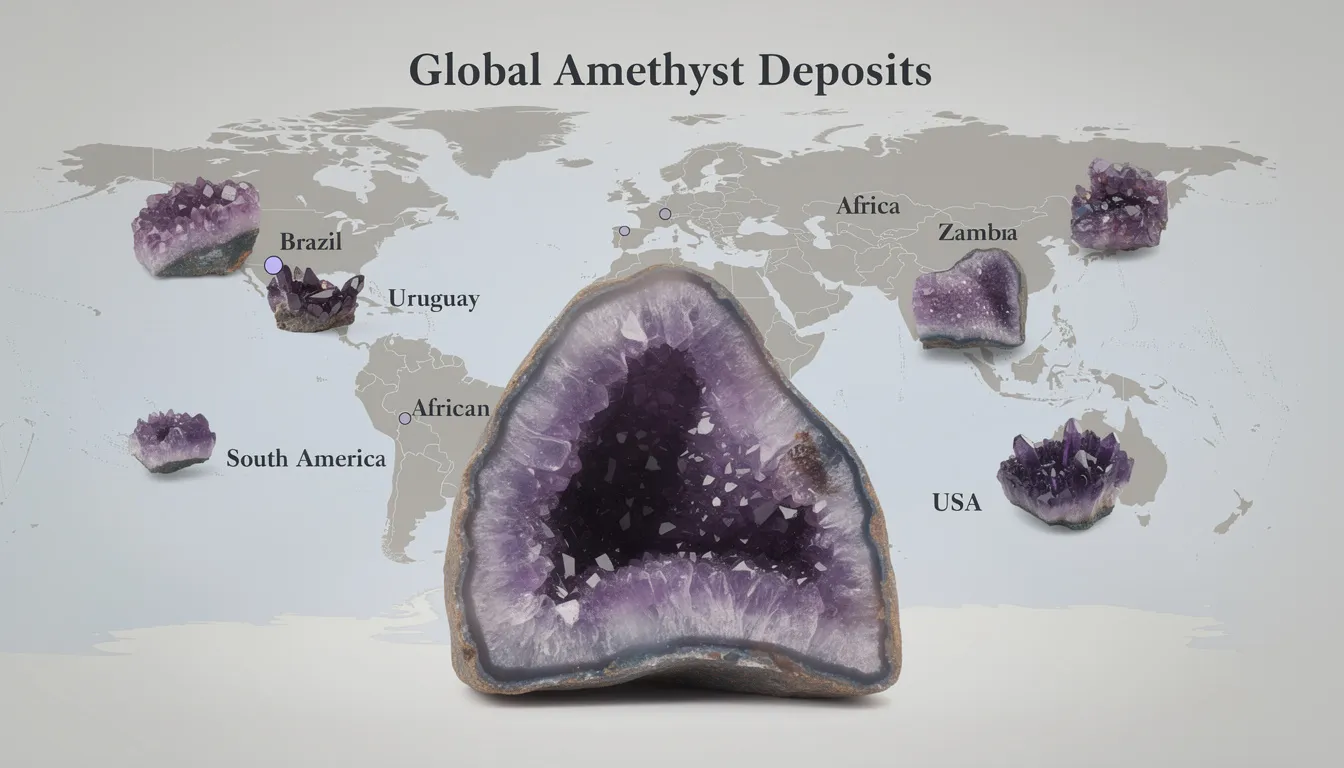
Amethyst is found across the world, including south america—particularly in rio grande—and other countries such as africa and asia. The gemstone often forms inside hollow, crystal-lined geodes in volcanic rocks, resulting in unique and varied purple shades. Amethyst found in different regions carries distinct characteristics, making each piece unique and valuable. The most prized amethyst is typically found in brazil, uruguay, and zambia, known for their abundance and high quality. In the usa, notable deposits exist in arizona and north carolina, contributing to the global availability of this exquisite gem.
Symbolism and Meaning of the Birthstone Amethyst
Historical Symbolism
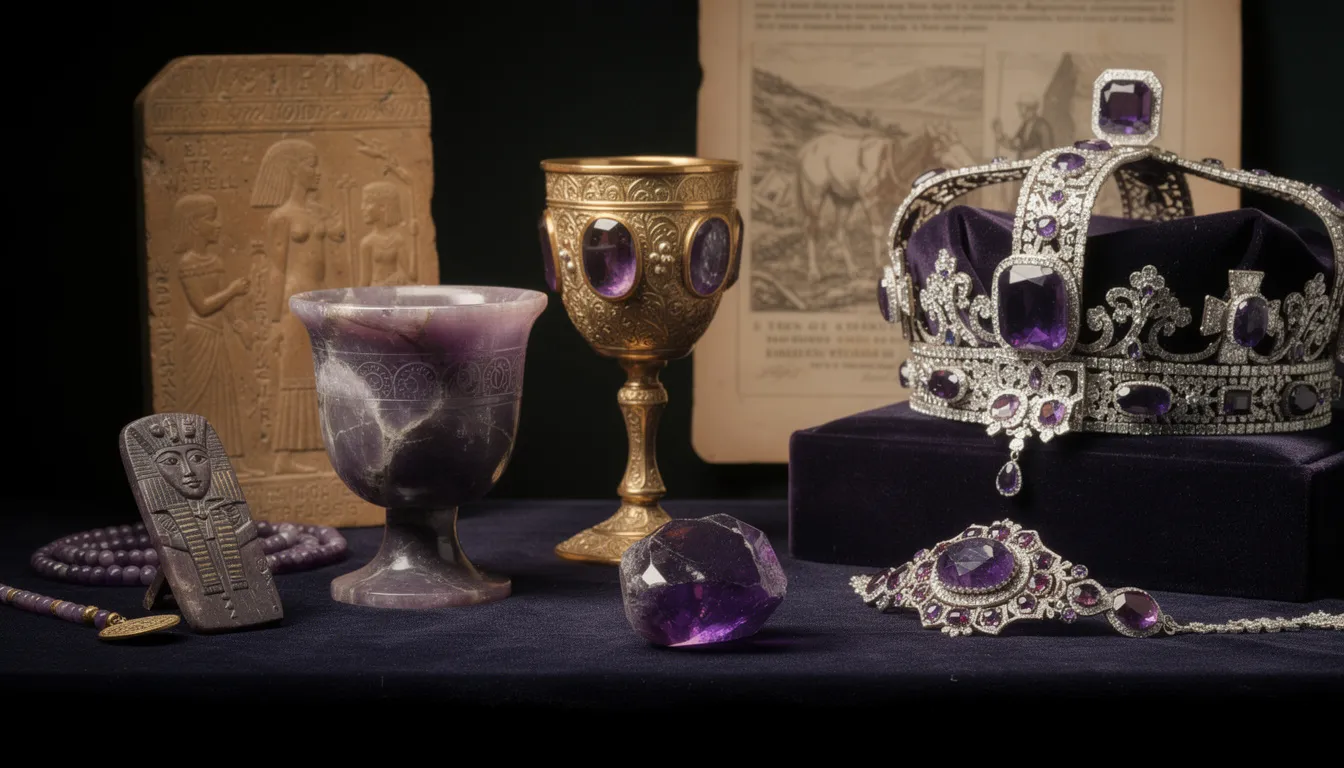
Steeped in history and symbolism, amethyst has been prized since ancient times. It was believed to ward off drunkenness and was often carved into drinking vessels in ancient Greece and Rome. Historically, amethyst was considered as valuable as diamonds before large deposits were discovered in the 19th century. It was a favorite gemstone of royal families, including Queen Victoria, and is featured in the British Crown Jewels. The ancient Egyptians revered amethyst, using it in jewelry and burial amulets for protection in the afterlife.
Spiritual and Emotional Significance
Amethyst is linked to spiritual and emotional well-being, associated with sobriety, mental clarity, and protection against negative energies. It is connected to the crown and third-eye chakras, symbolising higher consciousness, spiritual awareness, and enlightenment. The stone is said to bring serenity and peace of mind, helping those who suffer from insomnia by producing pleasant dreams. Its calming properties make it a popular choice for stress relief and meditation, inspiring personal growth and tranquillity, often incorporated into chakra bracelets.
Saint Valentine reportedly wore an amethyst ring carved with an image of Cupid, symbolizing love and devotion, adding to the gemstone’s romantic significance. Amethyst is also the traditional gift for the 6th wedding anniversary, embodying lasting love and commitment.
Amethyst in Religion and Culture
Catholic bishops historically wore amethyst rings to symbolize piety and spiritual wisdom, further illustrating the gem's profound cultural and religious importance.
Comparing the February Birthstone Amethyst with Blue Topaz and Other Gems
Amethyst stands out among birthstones for its rich purple colour and storied past. It is often compared to [other february birthstones and gemstones prized for their rarity and beauty](https://sarasbeads.co.uk/products/january-garnet-rose-quartz-birthstone), such as:
-
Peridot
-
Diamonds
-
Sapphires
-
Emeralds
-
Tourmaline
-
Turquoise
-
Pearl
Amethyst’s unique hue and spiritual symbolism set it apart, making it a perfect choice for those born in february. Its enduring appeal rivals other popular gemstones, offering both elegance and meaningful significance.
Caring for Amethyst Jewellery: Tips to Preserve Its Beauty
To maintain the beauty and durability of amethyst jewellery, special care is essential:
-
Store amethyst pieces separately in a soft pouch or lined jewelry box
-
Clean gently with warm, soapy water and a soft brush
-
Avoid ultrasonic cleaners and harsh chemicals
-
Keep away from prolonged direct sunlight
-
Handle with care to avoid impacts and extreme temperature changes
Regular cleaning and proper storage will ensure your amethyst remains radiant for years to come.
Types of Amethyst Jewellery for Every Occasion
Popular Amethyst Jewelry Types
Amethyst jewellery is available in a wide range of styles, from elegant rings and earrings to statement necklaces and pendants. The gemstone is often paired with other precious stones such as diamonds, sapphires, emeralds, and ruby to create stunning, unique pieces.
Metal Settings for Amethyst
It can be set in various metals including gold, silver, and platinum, allowing for a variety of looks and personal preferences.
Amethyst as a Gift
Amethyst jewellery suits both special occasions like weddings and anniversaries and everyday wear due to its versatility. It is a thoughtful and cherished gift—especially for those born in february or january.
Conclusion on Amethyst: The Timeless February Birthstone
Amethyst is a unique and captivating gemstone, prized for its beauty, durability, and rich historical and spiritual significance. Steeped in symbolism, it makes a meaningful and timeless gift for february birthdays and special occasions, including august celebrations. With proper care, amethyst jewellery can last for generations, becoming a treasured possession. Whether you seek a statement piece or a heartfelt gift, amethyst offers elegance, meaning, and enduring appeal.
For exquisite amethyst jewellery and more, explore the stunning collections at Saras Beads & Jewellery. Visit sarasbeads.co.uk today to find the perfect amethyst ring or necklace that celebrates the vibrant beauty and rich heritage of this remarkable february birthstone. Give a gift that sparkles with love and history—choose amethyst from Saras Beads & Jewellery.
Frequently Asked Questions about Amethyst
Q: What historical significance does amethyst have?
A: Amethyst has a rich history and has long been associated with royalty. In medieval Europe, it was used in the regalia of kings and queens as a symbol of power and wealth. Its deep purple hues were highly prized and often reserved for the nobility, reflecting its status as a gemstone of royalty.
Q: How do I select high-quality amethyst jewelry?
A: When choosing amethyst jewelry, look for stones with rich, vibrant purple hues, which are the most valued. It's important to check for clarity and consistency in color, avoiding stones with visible inclusions or uneven coloring. A well-cut amethyst with a consistent deep purple shade will enhance the beauty and value of the piece.
Q: Is amethyst durable enough for everyday wear?
A: Yes, amethyst rates 7 on the Mohs scale of hardness, making it suitable for everyday wear in rings, necklaces, and other jewelry. While it is relatively durable, it still requires careful handling to avoid scratches and damage from harsh impacts.
Q: Does amethyst have any spiritual or protective properties?
A: Amethyst is considered a powerful protective stone. It is often used to guard against negative energies and psychic attacks. Many believe that wearing amethyst promotes mental clarity, emotional balance, and spiritual awareness, making it a popular choice for those seeking protection and calmness.
Q: What gives amethyst its distinctive purple color?
A: The beautiful purple color of amethyst comes from trace amounts of iron within the quartz crystal structure, combined with natural irradiation over time. This unique combination creates the gemstone’s signature violet to deep purple hues that make it so distinctive and sought after.
Leave a comment