

Welsh Gold: History and Rarity
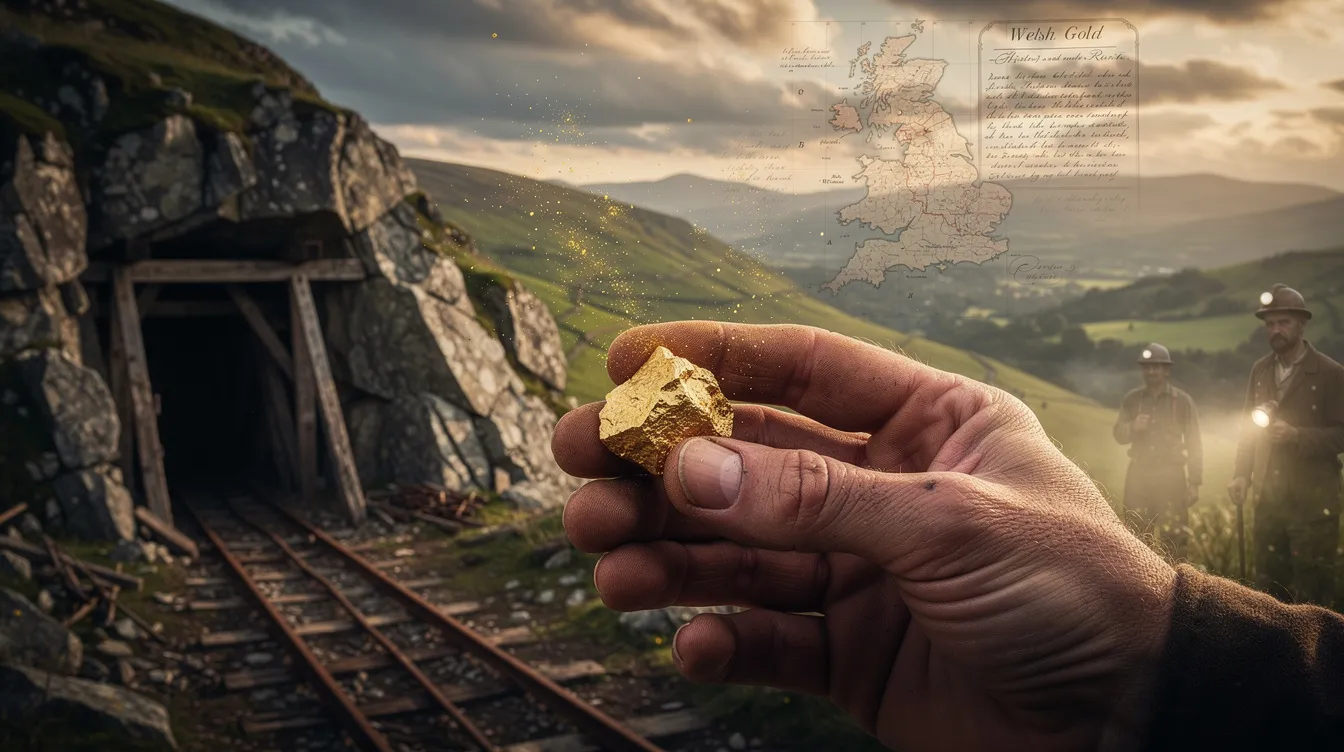
Welsh gold boasts a rich history dating back over 2000 years, with Celtic bards’ ancient songs and historical records highlighting its magical significance and cultural importance. The Clogau Gold Mine in North Wales, a key site during the gold rush period, produced an impressive 78,507 troy ounces (2,442 kg) of gold, underscoring the historical significance of Welsh gold mining. Today, mining in Wales has ceased, rendering Welsh gold scarcer than ever before. This scarcity, combined with its storied past, contributes to Welsh gold’s status as the rarest and most desirable gold in the world. Its current value reaches approximately £2,500 per gram, making it a highly sought-after metal for collectors and jewellery enthusiasts alike. Auction results from November 2017 further illustrate this rarity, with some lots selling for £44,000, far exceeding the expected price of around £9,000. Even small pieces weighing about 3 grams, anticipated to fetch £600-700, sold for as much as £4,000, highlighting the high demand and premium placed on Welsh gold.
Pure Welsh Gold: Composition and Authenticity
Pure Welsh gold is defined as gold that is at least 99.9% pure, often marked with hallmarks such as 999 or 9999. This level of purity is rare because Welsh gold is typically mixed with other metals such as nickel and cadmium to enhance durability, as pure gold is too soft for everyday jewellery use. Standard Welsh gold jewellery often contains up to 10% pure Welsh gold, with the remainder sourced ethically from other gold suppliers. This blending ensures the pieces maintain strength and wearability while retaining the unique appeal of Welsh gold, while alternatives such as different types of gold plating for jewellery can offer a similar aesthetic at lower cost. Authentic Welsh gold jewellery is usually stamped with a hallmark indicating its gold content and may come with a certificate of authenticity to verify its provenance. Due to its scarcity and purity, pure Welsh gold pieces command significant premiums, and buyers should be prepared to pay accordingly for genuine items.
Welsh Gold and the Royal Family Tradition
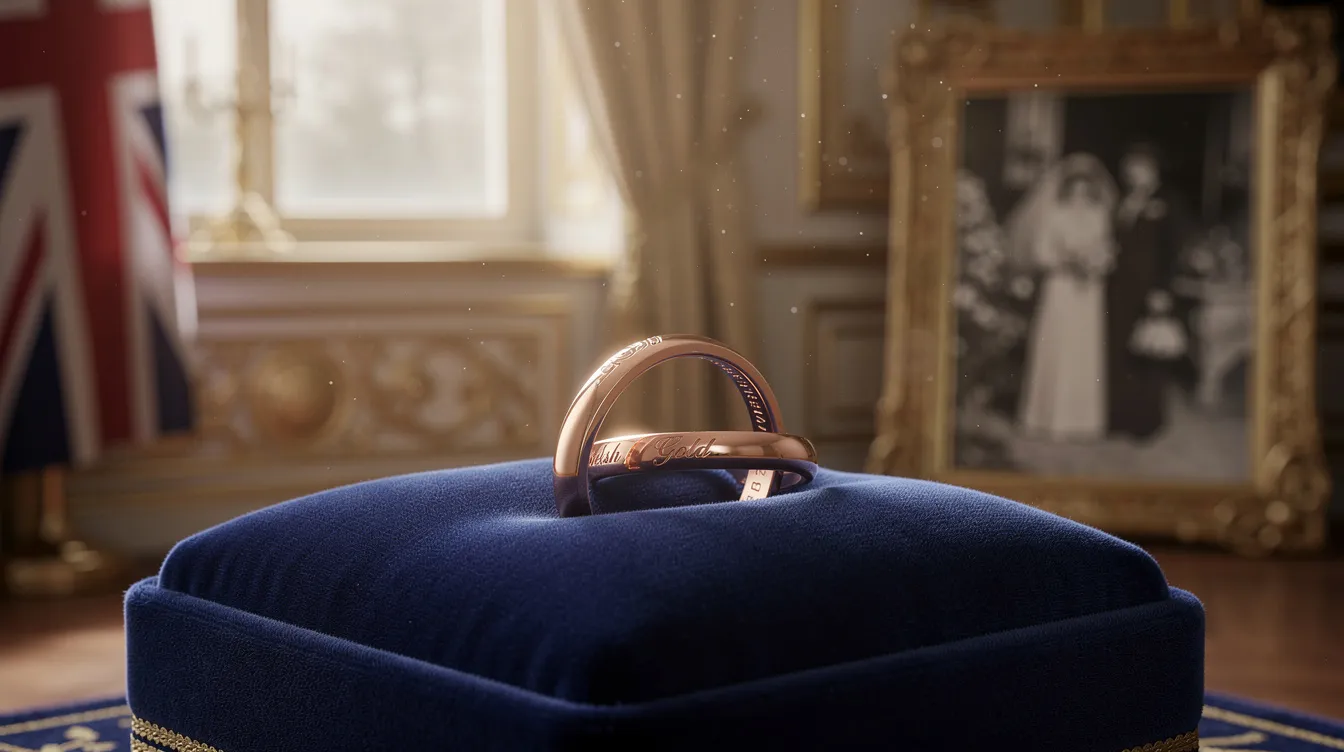
Welsh gold holds a special place in British culture due to its longstanding association with the Royal Family. Since 1923, Welsh gold has been the traditional metal used for royal wedding rings, beginning with The Queen Mother and continuing through subsequent generations. This tradition was upheld in recent royal weddings, including those of Prince William to Catherine Middleton in 2011 and Prince Henry to Meghan Markle in 2018. The use of Welsh gold in these ceremonies adds cultural and sentimental value, connecting generations of royals and enhancing the metal’s prestige. Members of the royal family are believed to cherish this tradition, which symbolizes love and continuity. This royal association further elevates Welsh gold’s desirability and status worldwide.
Understanding Gold Carats: 9ct and 18ct Gold
Gold purity is traditionally measured in carats, with 24ct representing pure gold. 18ct gold contains 75% pure gold mixed with 25% other metals, usually stamped as 750. This composition offers a balance of luxury and durability, as pure gold alone is too soft for everyday jewellery use. Similarly, 9ct gold contains 37.5% pure gold blended with other metals like lead and nickel, providing a more durable option suitable for daily wear, much like robust sterling silver men’s jewellery collections that are designed for frequent use. Both 9ct and 18ct gold are widely used in jewellery, with 9ct offering greater strength and affordability, while 18ct provides richer colour and a more luxurious feel, and many modern stackable sterling silver and mixed-metal rings combine these metals creatively.
Welsh Gold Jewellery: Small Amounts and Labeling
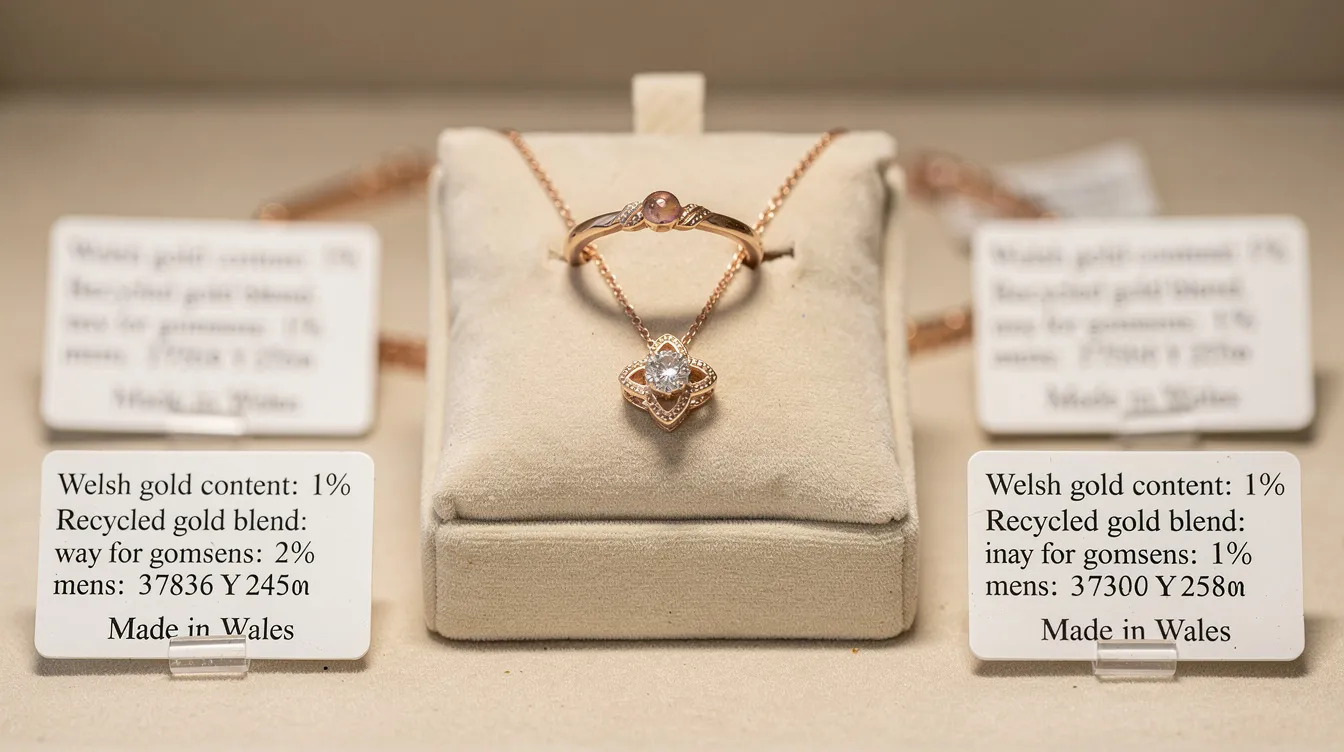
Many jewellery pieces labelled as containing Welsh gold actually include only a small amount of the precious metal, often blended with other gold sources, similar to how gold-plated earrings with semi-precious stones pair thin layers of gold with other materials. Consumers should be cautious and ask sellers for an assay or certificate of authenticity to verify the Welsh gold content. Clear and transparent phrasing from sellers is important to avoid confusion or misleading claims, and buying from jewellers who follow National Association of Jewellers standards can provide extra reassurance. When buying Welsh gold jewellery, it is vital to prioritize verified metal content over marketing terms to ensure the piece’s true value and provenance, and general jewellery education from expert articles on materials and trends can also help buyers make informed choices.
Investment and Collecting Welsh Gold
Pure Welsh gold pieces command significant premiums due to their rarity and cultural significance, in contrast to elegant yet more accessible handmade 18 karat gold-plated rings with stones. Buyers interested in investing in Welsh gold should manage expectations regarding resale value and seek specialist assays before making expensive purchases, especially when comparing pure gold items with more affordable gold-plated jewellery options. Authenticity certificates and hallmark verification are crucial for protecting investment value. Given the high prices, Welsh gold jewellery is often considered more of a collector’s item or heirloom than a conventional investment. The scarcity of Welsh gold means that finding new sources is unlikely, and the metal’s value may continue to increase over time.
Caring for Welsh Gold and Gold Jewellery
Gold jewellery, especially those with higher purity like Welsh gold or 18ct gold, requires proper care to maintain its finish, just as understanding the different types and grades of silver metal is important for caring for silver pieces. Pure gold is soft and can be scratched or bent easily, so it is traditionally mixed with other metals to improve hardness, or used as a plating over sturdier bases in co-ordinated gold-plated jewellery sets. Vermeil pieces, which are gold-plated sterling silver, need replating over time to keep their finish looking fresh. It is also important to store gold jewellery properly, ideally in a soft pouch or tree-shaped holder, to avoid damage. Regular cleaning and professional inspections can quickly detect any problems such as weak clasps or worn links, helping to extend the life of treasured pieces, including delicate sterling silver stud earrings with central gems.
Conclusion: The Unique Appeal of Welsh Gold
Welsh gold’s rarity, rich history, and royal connections make it a truly special metal in the world of jewellery. While it shares the same physical properties as other gold, its scarcity and cultural significance create an infinity of value for collectors and enthusiasts. Whether as a cherished heirloom or a symbol of love, Welsh gold continues to captivate hearts worldwide. When considering Welsh gold jewellery, people should focus on authenticity, proper care, and understanding the metal’s unique place in history and culture.
Frequently Asked Questions (FAQs)
What does "pure Welsh gold" mean?
Pure Welsh gold is defined as gold that is at least 99.9% pure, often stamped with hallmarks such as 999 or 9999. This level of purity distinguishes it from other gold types and highlights its rarity and value.
How does 18ct gold differ from pure gold?
18ct gold contains 75% pure gold mixed with 25% other metals, typically stamped as 750. This blend offers a balance of luxury and durability, as pure gold alone is too soft for everyday jewellery use.
Is 9ct gold durable enough for daily wear?
Yes, jewellery made from 9ct solid gold is generally considered more durable than lower carat gold items because it contains a higher percentage of pure gold combined with other metals. This composition helps resist wear and tear over time.
How can I verify the authenticity of Welsh gold jewellery?
Authentic Welsh gold pieces are usually stamped with hallmarks indicating their gold content and often come with certificates of authenticity. Buyers should request these documents and look for reputable sellers to avoid misleading claims.
Why is Welsh gold so valuable?
The value of Welsh gold comes from its rarity, historical significance, and royal family associations. Its scarcity due to ceased mining operations and its cultural importance contribute to its premium price.
How should I care for Welsh gold jewellery?
Welsh gold jewellery should be stored carefully, cleaned regularly, and inspected for any wear or damage. Vermeil pieces may require replating to maintain their finish. Avoid exposure to harsh chemicals and store pieces separately to prevent scratching.
Can Welsh gold be used for investment purposes?
While Welsh gold is valuable and rare, it is often considered more of a collector’s item or heirloom than a traditional investment. Buyers should seek expert verification and be aware of the premium prices when purchasing.
What metals are mixed with Welsh gold to improve durability?
Common metals mixed with Welsh gold include nickel, lead, and cadmium. These metals help increase hardness and wear resistance, making the jewellery suitable for everyday use.
Leave a comment