

Piercing: A Gateway to Self-Expression and Style
Discover the exciting world of piercing, where self-expression meets style. Whether you prefer classic looks or the latest trends, piercing offers a versatile way to enhance your appearance. Sterling silver piercing jewellery and gold-plated options remain favourites for their timeless appeal and affordability, making them perfect choices for both beginners and seasoned enthusiasts.
While sterling silver and gold-plated options are visually appealing, it's important to note that silver jewellery is generally not recommended for new or unhealed body piercings due to its tendency to oxidise when in contact with body fluids, potentially causing irritation and discolouration.
Piercing jewellery comes in many forms, from delicate stud earrings to bold nose studs, each designed to complement different parts of the body. Choosing the right piece involves considering factors such as material, style, and the specific piercing location, ensuring both comfort and aesthetic harmony.
Beyond aesthetics, piercing can boost confidence and add a unique touch of elegance to your everyday look. Whether you aim for subtle sophistication or a statement-making accessory, the right piercing jewellery can elevate your personal style effortlessly.
This guide provides everything you need to know about choosing, caring for, and selecting the safest silver piercing jewelry, perfect for both new enthusiasts and experienced collectors.
Exploring the Spectrum: Styles and Types of Piercing Jewellery
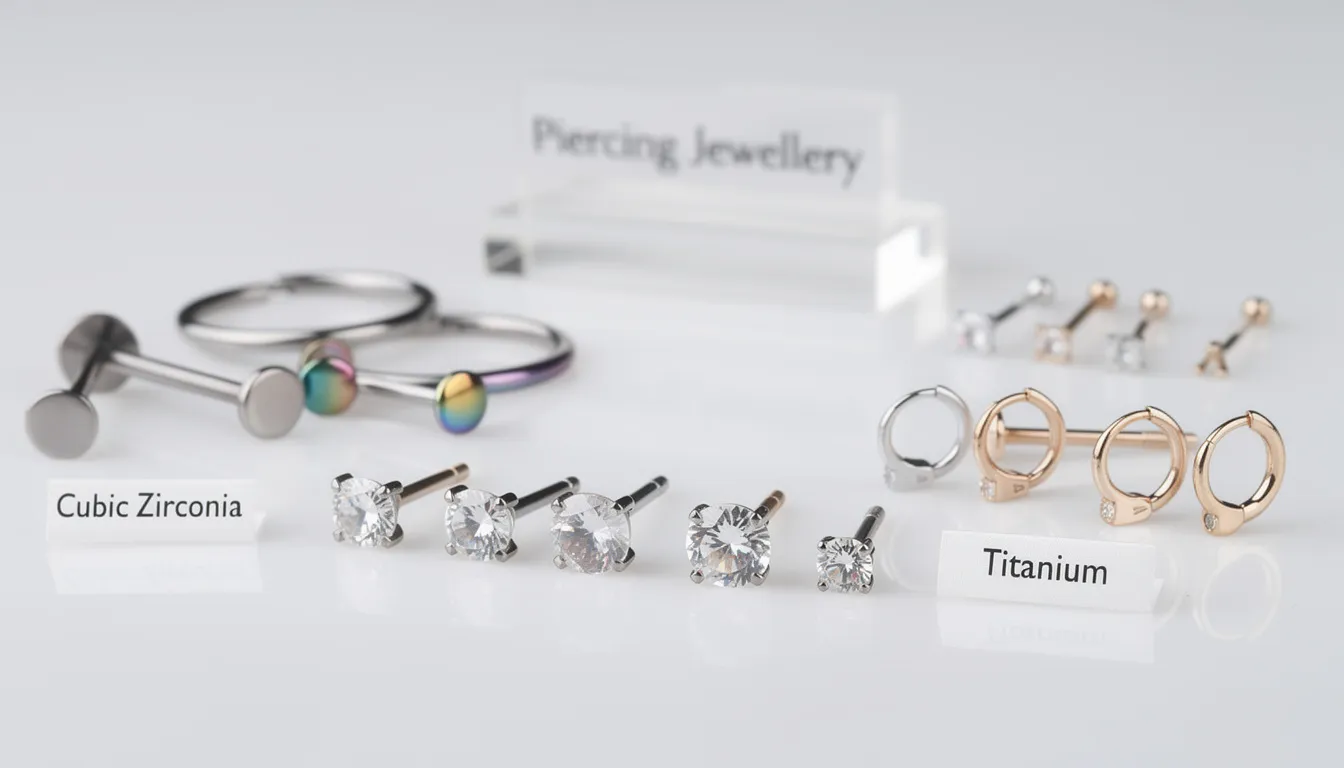
Piercing jewellery is available in a wide array of styles and materials, catering to diverse tastes and needs. Popular options include cubic zirconia pieces that offer sparkle without the high cost of gemstones, titanium for its strength and hypoallergenic properties, and platinum for a luxurious, durable finish.
Materials play a crucial role in the quality and safety of piercing jewellery. Sterling silver is prized for its classic shine, while gold and stone add warmth and natural beauty. Each material requires specific care to maintain its appearance and longevity.
Current trends range from minimalist designs, perfect for everyday wear, to bold, eye-catching pieces that serve as focal points. Whether you prefer small studs or elaborate hoops, incorporating these styles into your collection allows you to express your individuality and keep up with fashion movements.
The Building Blocks: Materials Behind Your Piercing Jewellery
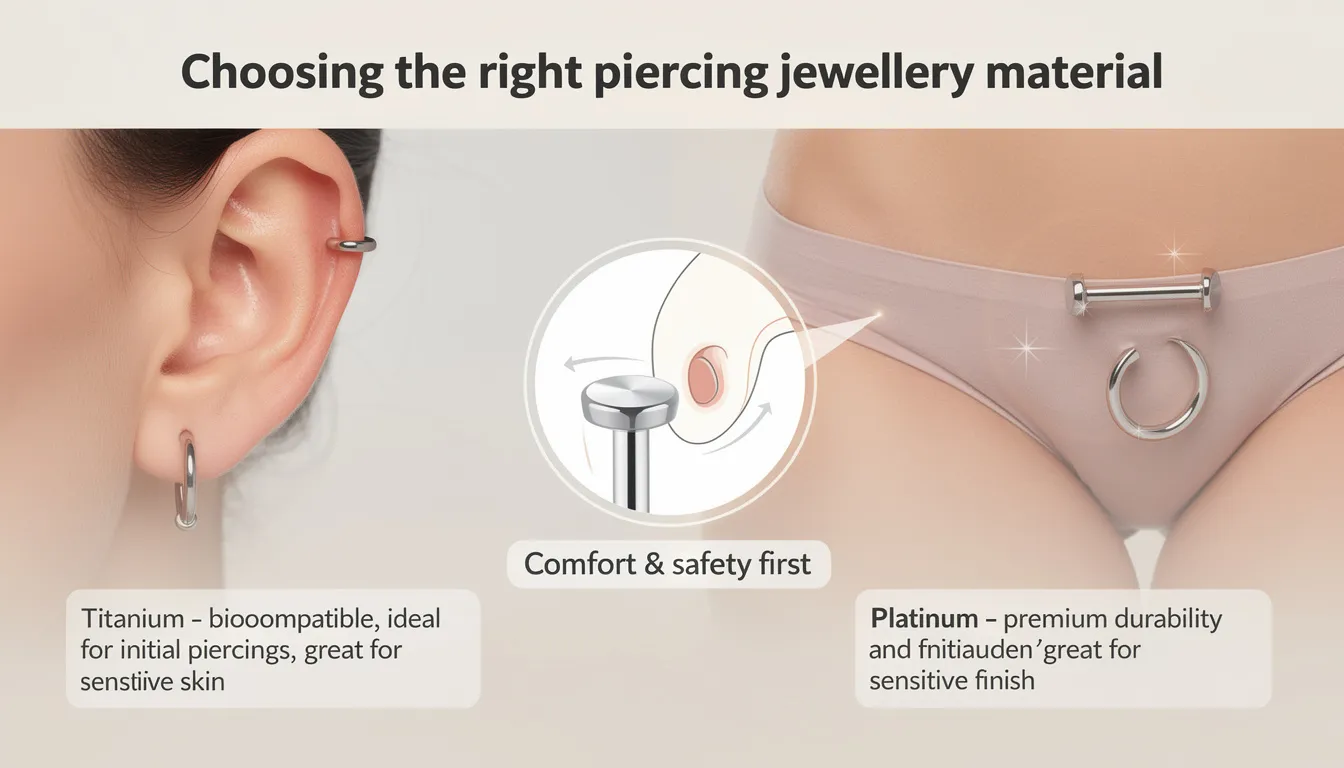
Choosing the right material for your piercing jewellery is essential for comfort, safety, and style. Titanium is highly regarded for its biocompatibility, making it ideal for initial piercings and sensitive skin. Platinum offers a premium option with exceptional durability and a brilliant finish.
Sterling silver remains a popular choice for healed piercings due to its affordability and classic look, though it requires regular maintenance to prevent tarnishing. Gold, especially 14k to 18k, balances beauty and hypoallergenic qualities, suitable for various piercing types.
Understanding the benefits of each material helps you make informed decisions, ensuring your jewellery not only looks great but also supports the health of your piercing.
Key Considerations When Selecting Silver Piercing Jewelry
-
Silver jewelry should never be worn in fresh or healing piercings due to risks of irritation, oxidation, and permanent skin discoloration.
-
For new piercings, use implant-grade titanium, niobium, or surgical-grade stainless steel.
Dressing Your Piercing: Jewellery for Every Occasion
Piercing jewellery can be tailored to suit any occasion, from casual daily wear to formal events. For everyday use, subtle studs and small hoops in silver or gold provide a polished yet understated look.
Special occasions call for more elaborate pieces featuring cubic zirconia or gemstone accents that add sparkle and sophistication. Matching your piercing jewellery to your outfit and event enhances your overall appearance and confidence.
Personal style and preference are key when selecting jewellery for different occasions. Whether you want to connect your look with a specific theme or simply add a touch of elegance, the right piercing jewellery can make all the difference.
Shine Bright: Essential Care Tips for Piercing Jewellery
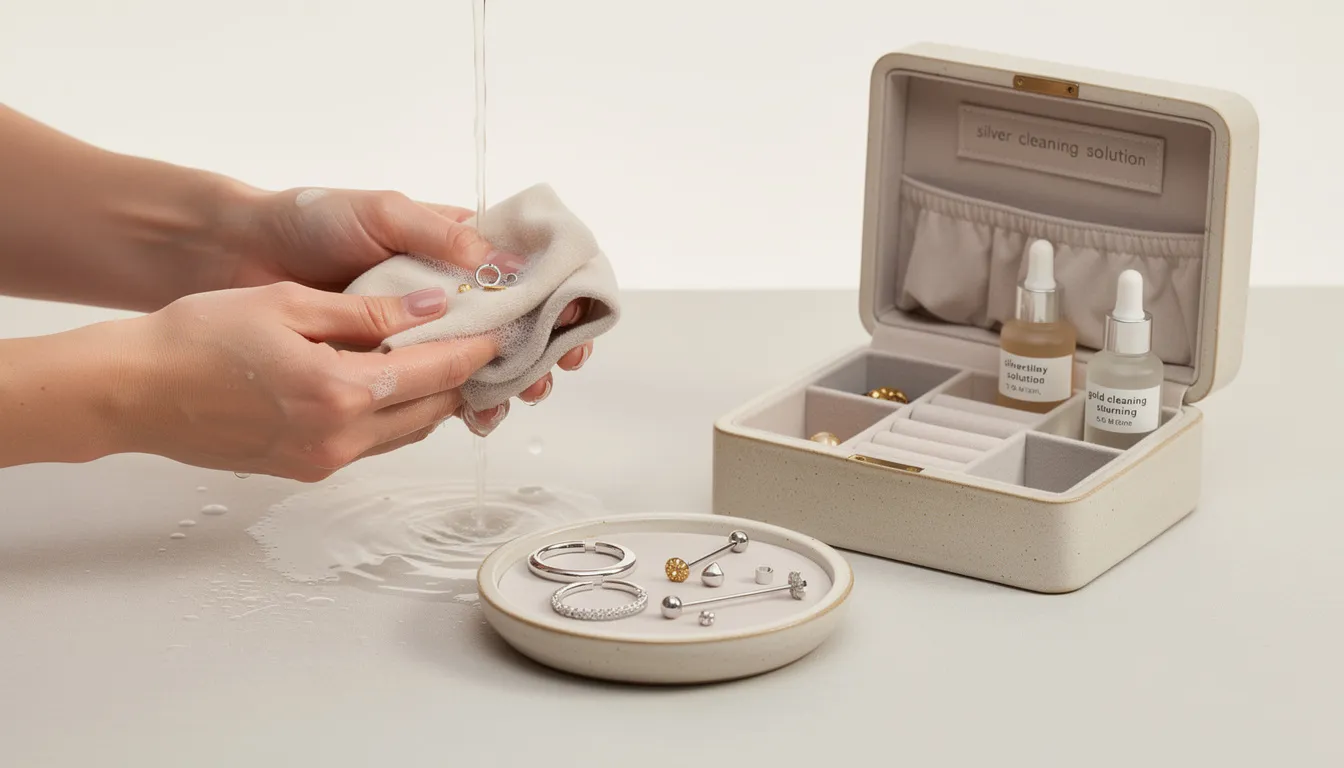
Proper care is vital to keep your piercing jewellery in excellent condition and to prevent infections. Regular cleaning with mild soap and soft materials helps maintain the shine and hygiene of your pieces.
Storage in a clean, dry place protects jewellery from damage and tarnish. Specialized cleaning solutions designed for metals like sterling silver and gold are recommended to extend the life of your jewellery.
By adopting a consistent care routine, you benefit from jewellery that remains beautiful and safe to wear, ensuring your piercings stay healthy and your style stays flawless.
Restoring Radiance: Solutions for Piercing Repair and Renewal
Piercing repair options include re-piercing and re-jewelling, which can restore the look and health of your piercing if it becomes damaged or irritated. Choosing the right repair method depends on the severity of the issue and your personal preferences.
Benefits of piercing repair include preventing further damage, promoting faster healing, and maintaining the aesthetic appeal of your jewellery. Consulting a professional ensures that repairs are done safely and effectively.
Proper repair care is essential for long-term piercing health, helping you enjoy your body jewellery with confidence and comfort.
Silver Piercing: Important Considerations and Guidelines
Is silver okay for piercings?
Silver jewellery, particularly sterling silver, is a popular choice for healed piercings due to its classic look and affordability. However, silver is not ideal for new or healing piercings because it can oxidize when exposed to body fluids, potentially causing skin discoloration and irritation. Additionally, some individuals may be allergic to the alloy metals mixed with silver, such as copper or nickel. For these reasons, silver is best reserved for piercings that have fully healed, and it is important to maintain proper care to prevent tarnishing and maintain hygiene.
What is the 3 2 rule for piercings?
The "3 2 rule" for piercings is a helpful guideline often used by professional piercers to ensure proper healing and jewellery selection. It generally means waiting at least three months before changing the initial jewellery and choosing jewellery that is at least two millimeters longer than the piercing to accommodate swelling and healing. This rule helps prevent irritation, promotes proper healing, and reduces the risk of infection by avoiding premature jewellery changes and ensuring a comfortable fit.
What metal is not good for piercings?
Certain metals are not recommended for body piercings due to their potential to cause allergic reactions, irritation, or infections. Metals such as nickel, copper, brass, bronze, lead, and low-quality plated metals should be avoided. These metals can cause skin discoloration, allergic dermatitis, or even metal poisoning in severe cases. Silver, while beautiful, is also not suitable for fresh piercings due to its tendency to oxidize. Instead, implant-grade metals like titanium, niobium, surgical-grade stainless steel, and high-karat gold are recommended for their biocompatibility and safety.
What is the 32 piercing rule?
The "32 piercing rule" is another guideline used within the piercing community to promote safe and healthy piercing practices. It emphasizes waiting a minimum of 32 days before changing or removing initial piercing jewellery to allow adequate healing time. This period helps reduce the risk of infection and complications. While healing times vary depending on the piercing location, following this rule or consulting with a professional piercer ensures that the piercing has stabilized enough to safely handle jewellery changes without causing damage or irritation.
Frequently Asked Questions About Silver Piercing Jewellery
What is silver piercing jewellery made of?
-
Silver piercing jewellery is typically made from sterling silver, which is 92.5% pure silver mixed with other metals like copper to enhance durability.
-
Some pieces may be made from fine silver (99.9% pure), but this is softer and less common for everyday wear.
-
Fine silver (99.9% pure) is softer, making it less durable but more hypoallergenic than sterling silver.
-
Argentium silver is a modern alloy with over 93.5% pure silver, reduced copper, and added elements for enhanced tarnish resistance and hypoallergenic properties.
-
Avoid silver-plated or low-quality silver jewellery for piercings as the plating can wear off and cause irritation.
Is silver safe for new piercings?
-
Silver is generally not recommended for initial or healing piercings because it can oxidize quickly when in contact with body fluids.
-
This oxidation can cause skin discoloration, irritation, and increase the risk of infection.
-
For new piercings, materials like implant-grade titanium, niobium, or surgical-grade stainless steel are safer options.
Can silver cause allergic reactions?
-
Yes, some people may experience allergic reactions to the alloy metals mixed with silver, such as copper or nickel.
-
Symptoms include redness, swelling, itching, and discomfort around the piercing site.
-
Choosing high-quality sterling silver or fine silver can reduce the risk, but those with metal sensitivities should consider hypoallergenic alternatives.
How do I care for my silver piercing jewellery?
-
Clean your silver jewellery regularly with mild soap and warm water using a soft cloth or brush.
-
Avoid harsh chemicals and abrasive materials that can damage the silver’s surface.
-
Store silver jewellery in a dry, airtight container to prevent tarnishing.
-
Use specialized silver cleaning solutions occasionally to restore shine.
Can I wear silver jewellery in all types of piercings?
-
Silver jewellery is suitable for healed piercings but is best avoided in fresh or sensitive piercings.
-
It can be worn in various locations such as nostril, daith, helix, tragus, and septum once fully healed.
-
Avoid wearing silver in mucosal piercings (like tongue or lip) due to higher moisture and risk of oxidation.
What designs are popular in silver piercing jewellery?
-
Popular designs include septum clicker rings with Gothic or chevron motifs.
-
Stud earrings often feature cubic zirconia or black spinel gemstones for added sparkle.
-
Minimalist silver hoops, delicate chains, and elegant sterling silver flower stud earrings with gemstone accents are trendy for cartilage and daith piercings.
Where can I purchase quality silver piercing jewellery?
-
Look for reputable brands and suppliers that provide implant-grade or high-quality sterling silver jewellery.
-
Trusted sources include specialized piercing shops, established online retailers, and well-known body jewellery brands.
-
Avoid cheap or unverified sellers to reduce the risk of allergic reactions or infections.
How can I add silver piercing jewellery to my wishlist or collection?
-
Many online stores and brands offer wishlist features to save your favorite pieces.
-
Consider building a collection that includes a variety of styles such as studs, hoops, and clicker rings.
-
Regularly check stock updates from trusted companies to find new silver piercing jewellery products.
What does the term 'sterling silver' mean in piercing jewellery?
-
Sterling silver means the metal contains 92.5% pure silver and 7.5% other metals, usually copper.
-
This composition balances beauty and durability, making it suitable for everyday wear in healed piercings.
-
It is important to verify the quality and source of sterling silver jewellery to ensure safety.
How is silver piercing jewellery measured?
-
Silver piercing jewellery is measured by gauge (thickness) and diameter or length, depending on the type.
-
Common gauges for nose studs and earrings range from 18G to 20G.
-
Proper measurement ensures a comfortable fit and reduces the risk of irritation or injury.
Leave a comment