

Working with semi precious stones for jewellery opens up a world of natural colour, texture, and creative possibility. Whether you’re crafting your first beaded bracelet or building a collection of handmade pieces to sell, understanding these beautiful materials is the foundation of great jewellery making.
This guide walks you through everything you need to know—from the history and types of semi precious gemstones to practical design tips, care instructions, and ethical sourcing considerations.
What are semi precious stones for jewellery?
The classification of gemstones into precious and semi precious categories traces back to ancient Greek traditions and persists in modern Western gemology. Gemstones are naturally occurring minerals prized for their unique physical and chemical properties, which contribute to their beauty and desirability in jewelry. Traditionally, precious stones are strictly limited to four gems: diamond, ruby, sapphire, and emerald. Sapphires, in particular, are celebrated for their range of colors and significance in jewelry making. These earned their status due to exceptional rarity, vibrant translucency, and centuries of historical prestige. All other gemstones fall under the semi precious category, regardless of their individual beauty or market value.
Here’s what many people don’t realise: this distinction is increasingly viewed as outdated by contemporary gemologists. Many semi precious stones can be rarer and more valuable than low-quality precious gems. For example, tanzanite is found only in a single 4-square-kilometre area in Tanzania, making it scarcer than sapphire in certain contexts. Similarly, top-quality alexandrite can exceed $50,000 per carat. The highest quality semi precious stones, with exceptional clarity, vibrant color, and expert craftsmanship, can sometimes surpass lower quality precious stones in value.
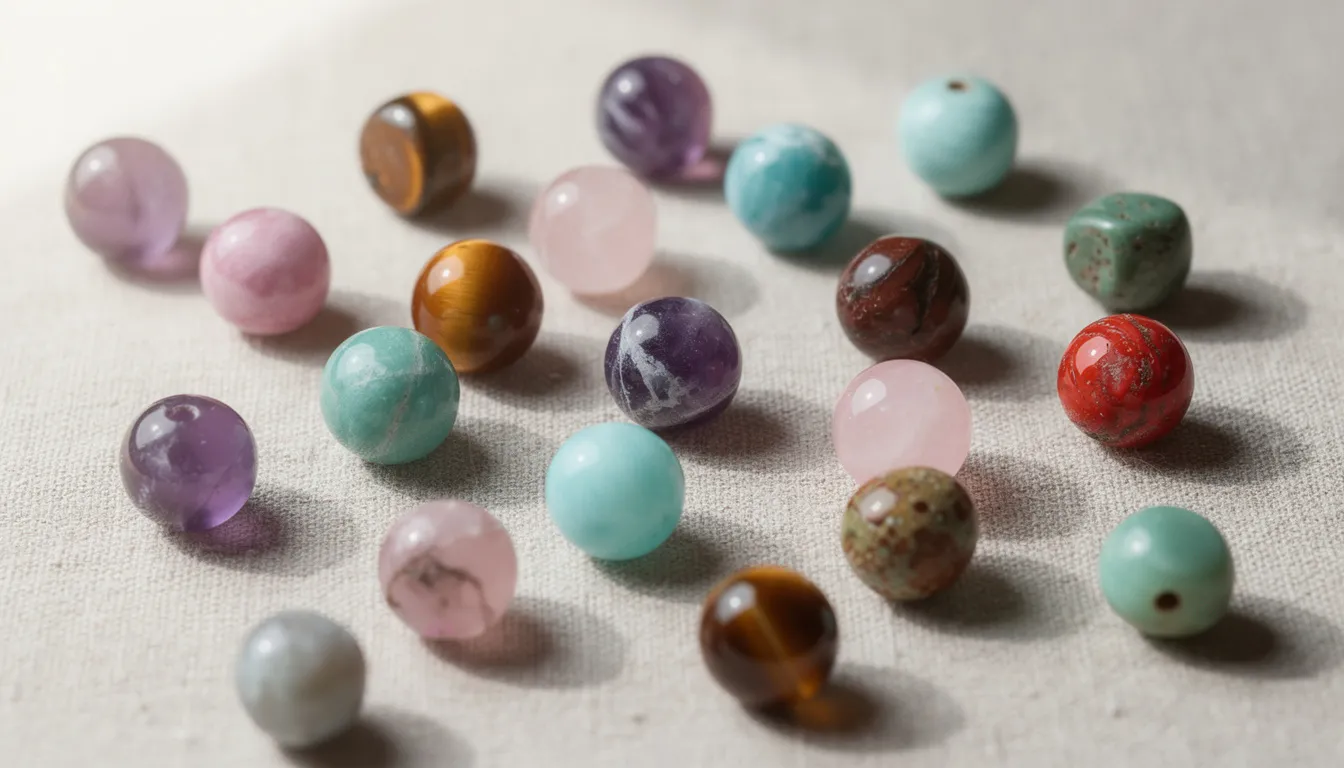
For jewellery making purposes, semi precious stones offer an extraordinary range of options:
-
Quartz family: Amethyst, rose quartz, citrine, smoky quartz, clear quartz
-
Beryl varieties: Aquamarine, morganite, and the extremely rare and valuable red beryl
-
Chalcedony stones: Agate, jasper, carnelian, onyx
-
Classic favourites: Garnet, peridot, turquoise, lapis lazuli, jade, opal
-
Unique specimens: Tiger eye, moonstone, labradorite, aventurine, howlite, hematite
Semi precious stones such as amethyst, citrine, opal, turquoise, and garnet are cherished for their vibrant colors and diversity, making them highly sought after for use in jewelry.
These stones are cut into semi precious gemstone beads, cabochons, and faceted gems specifically designed for necklaces, bracelets, earrings, and rings. Unlike diamonds or emeralds that often require professional settings, many gemstones in this category are accessible to hobbyists and small-scale jewellers working from home studios. Jewelers play a crucial role in sourcing, cutting, and setting both precious and semi precious stones, ensuring the highest quality craftsmanship in finished jewelry pieces.
A brief history of semi precious stones in jewellery
Humans have adorned themselves with coloured stones for over 5,000 years. Gemstones have captivated humanity since the dawn of civilization, embodying beauty, science, and spirituality. Long before the formal precious and semi precious distinction existed, civilisations prized these natural materials for their beauty, rarity, and perceived spiritual properties, especially in the context of jewelry.
The historical record reveals fascinating patterns across cultures and eras:
-
Ancient Egypt (circa 3000 BCE): Egyptians used carnelian, lapis lazuli, and turquoise extensively in amulets, inlay work, and ceremonial jewellery. Lapis lazuli, sourced from what is now Afghanistan, was considered more valuable than gold in some contexts.
-
Greece and Rome (500 BCE–300 CE): Artisans carved agate and onyx into intricate cameos and intaglios, creating wearable miniature artworks that depicted gods, rulers, and mythological scenes.
-
China and Mesoamerica: Jade and jadeite held central importance in both Chinese and Mesoamerican cultures for millennia, used in ceremonial objects, burial goods, and decorative objects worn by royalty.
-
Medieval and Renaissance Europe: Garnet, amethyst, and rock crystal appeared in religious jewellery and royal regalia. The belief that amethyst promoted sobriety—rooted in Greek mythology where Dionysus’s wine supposedly turned into the purple stone—made it popular among clergy.
-
Victorian Era: The “language of gems” assigned symbolic meanings to many gemstones. Moonstone represented love and intuition, garnet symbolised fidelity, and sentimental jewellery featuring these stones flourished.
The 19th and 20th centuries brought a boom in gemstone cutting technology, global trade networks, and the formalisation of birthstones. The modern birthstone list, established in 1912, includes many semi precious stones like amethyst (February), aquamarine (March), peridot (August), and citrine (November)—cementing their place in contemporary jewellery culture and inspiring dedicated birthstone jewellery collections for August peridot. Gemstones have always been associated with celebration and gifting, often given as gifts for birthdays and special occasions.
Main types of semi precious stones for jewellery making
This section provides an overview of popular gemstones and their typical uses in jewellery making projects. Each stone brings unique colour, character, and design possibilities.
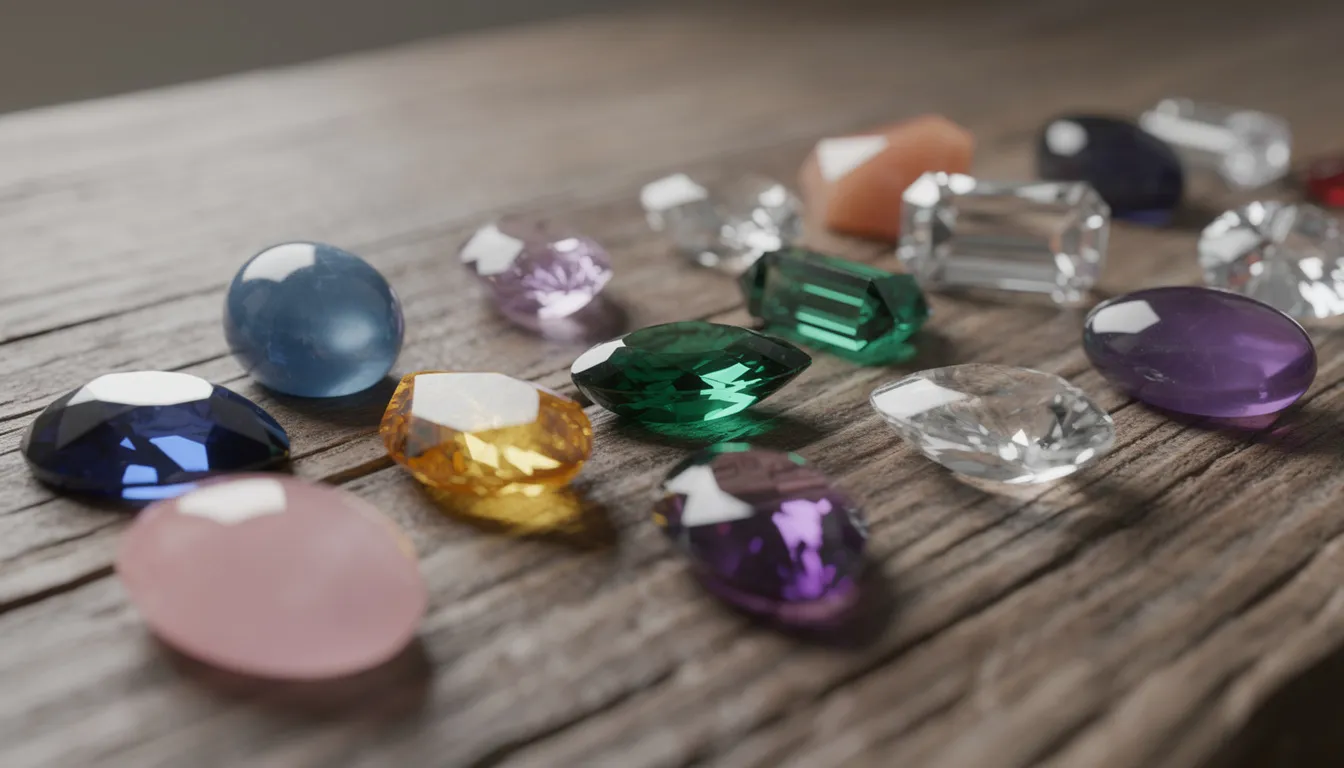
Quartz Family
-
Amethyst: This purple quartz ranges from pale lavender to deep violet. Available as faceted rounds, smooth beads, and cabochons, amethyst works beautifully in February birthstone rings, pendants, and stackable bracelets. Hardness: 7 on the Mohs scale.
-
Rose quartz: Known for its soft pink colour, rose quartz suits romantic and minimalist designs and is also recognised as a meaningful January birthstone alternative alongside garnet. Often cut into smooth rounds, hearts, and chips for bracelets and delicate necklaces. Its translucent quality adds gentle warmth to any piece.
-
Clear quartz: Sometimes called “rock crystal,” clear quartz offers sparkle and versatility. Use it as a neutral spacer between coloured stones or let faceted clear quartz beads catch the light in earrings and pendants.
-
Citrine: Ranging from pale yellow to deep amber, citrine brings sunny warmth to jewellery. This November birthstone works well in both faceted and smooth forms for rings, pendants, and mixed-stone necklaces, and its golden tones feature in November birthstone jewellery ideas with topaz as well as guides on choosing the best November birthstone and Citrine birthstone collections that symbolise optimism and success.
Beryl Varieties
-
Aquamarine: Part of the beryl family alongside emeralds, aquamarine displays blue green to pale blue tones. Its clarity makes it ideal for faceted cuts in rings and pendants where light return matters.
-
Morganite: A pink to peach variety of beryl, morganite is prized for its delicate hues and is often used in romantic and feminine jewellery designs.
-
Red beryl: An extremely rare and valuable member of the beryl family, red beryl is highly sought after for its vibrant red color and is considered one of the rarest gemstones suitable for jewellery.
Chalcedony Stones
-
Agate: This banded chalcedony occurs in virtually every colour combination. Sliced agate makes dramatic pendants, while round beads create textured statement necklaces.
-
Jasper: An opaque variety of chalcedony, jasper displays earthy patterns in red, green, brown, and multicoloured varieties. Dalmatian jasper, picture jasper, and ocean jasper are popular choices for organic-looking designs.
-
Carnelian: Known for its warm orange to reddish-brown tones, carnelian is often used in beads and cabochons for vibrant, earthy jewellery.
-
Onyx: Typically black, onyx is valued for its sleek, bold appearance and is often used in both men’s and women’s jewellery.
Classic Favourites
Sapphires are a classic example of precious stones, prized for their variety of colors and significance in jewelry making. In contrast, the following semi precious stones for jewellery offer a diverse range of colors, textures, and cultural meanings:
-
Garnet: While most associate garnet with deep red, it actually occurs in green colors, orange, and even colour-change varieties. Red garnets are classic choices for January birthstone jewellery, statement rings, and vintage-inspired designs, and many designers highlight garnet as the January birthstone symbolising love and deep connection.
-
Peridot: This lime-green gem (August birthstone) offers vibrant colour that pairs well with both silver and gold metals, and features prominently in August birthstone peridot jewellery collections. Faceted peridot in small sizes makes excellent accent stones in earrings and delicate pendants.
-
Turquoise: This opaque blue to green stone has been used in jewellery since ancient times. Perfect for boho-style bracelets, statement necklaces, and southwestern-inspired designs. Turquoise works best as cabochons, smooth beads, and nuggets.
-
Lapis lazuli: Deep blue with golden pyrite flecks, lapis lazuli creates striking contrast against sterling silver. Use round beads or cabochons for necklaces, cufflinks, and bold earrings.
-
Jade: Available in green (nephrite and jadeite), white, and other colours, jade carries cultural significance across many traditions. Smooth beads and carved pendants are traditional forms.
-
Opal: Famous for its play-of-colour effect, opal is a captivating choice for unique jewellery.
-
Moonstone: Known for its pearly blue glow called adularescence, moonstone adds a mystical touch to jewellery designs and is one of the key June birthstones alongside pearl and alexandrite.
Unique Specimens
-
Tiger eye: Recognised for its golden to brown chatoyancy, tiger eye adds a dynamic shimmer to bracelets and pendants. Certain gemstones, such as chrysoberyl, exhibit a unique optical phenomenon called 'cat's eye' or chatoyancy, which is highly prized for its rarity and desirability among semi precious stones for jewellery.
-
Moonstone: Celebrated for its ethereal, translucent glow with a shimmer called adularescence, moonstone is associated with feminine energy and emotional balance.
-
Labradorite: Prized for its dark grey appearance and stunning flashes of blue, green, and gold, a phenomenon called labradorescence.
-
Aventurine: Green aventurine contains small crystals that create subtle shimmer. This affordable stone suits everyday bracelets and meditation jewellery.
-
Howlite: Naturally white with grey veining, howlite is often dyed to imitate turquoise. The natural white variety makes excellent accent beads in minimalist designs.
-
Hematite: Metallic grey-black hematite adds weight and a sophisticated edge to designs. Often used in men’s jewellery and grounding-focused pieces.
Don’t overlook organic materials that function similarly to semi precious stones in jewellery projects:
Amber (fossilised tree resin)
Coral
Shell
Mother-of-pearl
All offer unique textures and colours that complement stone beads beautifully.
Shapes, cuts and finishes: how form changes your design
The same real stone looks dramatically different depending on how it’s shaped, cut, and finished. Understanding these variations helps you select loose gemstones that match your design vision.
Bead and Stone Shapes for Jewellery
-
Rounds: The most versatile shape, available from tiny 2mm to statement 14mm+ sizes
-
Rondelles: Flattened disc shapes that stack beautifully in graduated designs
-
Chips: Irregular fragments that create organic, natural-looking textures
-
Nuggets: Tumbled irregular shapes offering a raw, earthy aesthetic
-
Coins and ovals: Flat shapes ideal for featured positions in necklaces
-
Teardrops and hearts: Perfect for earrings and pendant drops
-
Focal pendants: Larger single pieces designed as centrepieces
Smooth vs Faceted Finishes
-
Smooth (polished): Creates a sleek, sophisticated look with gentle light reflection. Feels comfortable against skin and suits organic, calming designs.
-
Faceted: Cut with multiple flat surfaces that catch and reflect light, adding sparkle. Best for transparent stones where you want maximum brilliance.
Transparent stones like amethyst, citrine, and peridot are often faceted for light return, while opaque stones like turquoise, jasper, and lapis lazuli shine in smooth or cabochon form.
Understanding Cabochons
Cabochons feature a flat back and domed top, making them ideal for bezel settings, wire wrapping, and statement rings or pendants. Stones with interesting surface patterns (like agate banding or cat’s eye chatoyancy) display best in cabochon cuts.
Size Considerations
-
Small (3–4mm): Delicate, lightweight pieces; excellent for seed bead mixing and subtle sparkle, especially when paired with stones chosen for appropriate durability on the Mohs gemstone hardness scale.
-
Medium (6–8mm): Balanced weight and visual impact; works for most bracelets and necklaces
-
Large (10mm+) and larger sizes: Bold statement pieces; heavier drape and dramatic presence
Designing jewellery with semi precious stones
Semi precious stones add natural colour, organic pattern, and satisfying weight to handmade jewellery. Unlike glass or plastic, real stone carries an inherent value that customers and gift recipients appreciate.
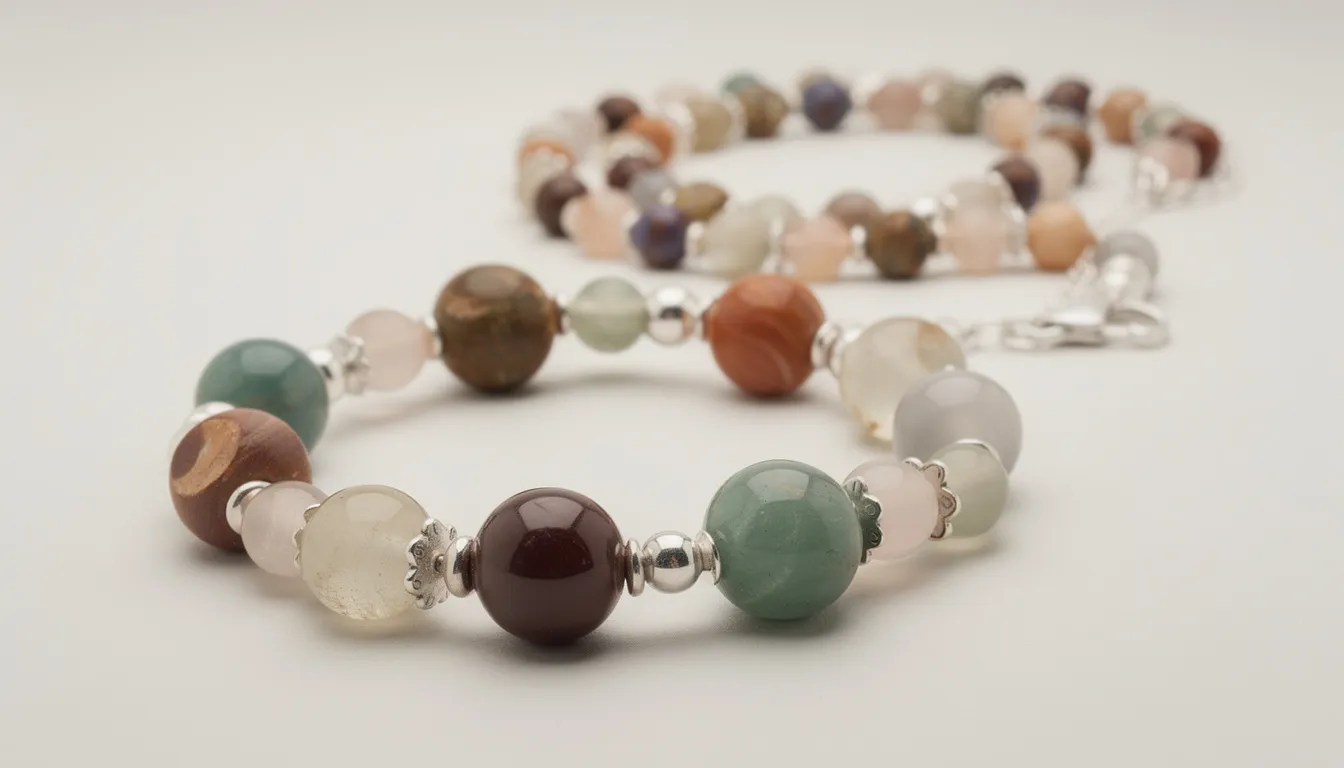
Minimalist Designs
-
Small faceted rounds in single colours
-
4mm amethyst, aquamarine, or rose quartz on delicate chains
Boho Styles
-
Mixed chips, nuggets, and irregular beads
-
Turquoise, jasper, and amazonite combinations
Classic Combinations
-
Smooth rounds with uniform sizing
-
Pearls paired with garnet or lapis lazuli
Statement Pieces
-
Large focal stones, coin beads, and dramatic colour contrasts
Pairing Stones with Metals
-
Sterling silver: Complements cool-toned stones such as amethyst, lapis lazuli, aquamarine, moonstone
-
Yellow gold: Enhances warm stones like citrine, garnet, carnelian, tiger eye
-
Rose gold: Flatters pink and peachy tones such as rose quartz, morganite, rhodonite
-
Mixed metals: Work for modern, eclectic designs
Working with Natural Patterns
-
Banded agate creates focal interest without additional embellishment
-
Speckled jasper varieties (Dalmatian, leopard skin) add playful texture
-
Mossy aventurine and moss agate evoke nature and greenery
-
Let these patterns lead your design rather than competing with them
Concrete Project Ideas
-
Stackable elastic bracelets using 6mm rounds in complementary colours
-
Wire-wrapped pendants featuring a single statement cabochon
-
Beaded necklaces alternating gemstone beads with metal spacers can evolve into semi-precious gemstone necklace styles for every occasion or a single handmade mixed semi-precious stone necklace that showcases multiple colours in one statement piece.
-
Birthstone earrings using faceted briolettes or small rounds
-
Chakra-style bracelets incorporating seven stones in rainbow progression
Combining Materials
Balance texture, cost, and visual impact by mixing semi precious stones with:
-
Seed beads for colour blocking and pattern work
-
Crystal beads for added sparkle without high cost
-
Glass beads for matching colours exactly
-
Pearls for classic elegance
-
Metal spacers for structural breaks and professional finish
When designing for sale, remember that semi precious stones comprise over 90% of coloured stone jewellery sales globally. Your customers want natural materials with character—that’s the advantage you offer over mass-produced alternatives.
Caring for semi precious stone jewellery
Different stones have different hardness levels and care requirements, but simple habits keep jewellery looking new for years. Sharing this information with customers adds value to every piece you sell or gift.
General Care Guidelines
-
Remove jewellery before swimming, showering, or bathing
-
Take pieces off before cleaning with household chemicals
-
Remove before exercising or physical labour
-
Apply perfume, lotions, and hairspray before putting on jewellery
Understanding Stone Hardness
-
Softer stones (Mohs 5-6): Turquoise, malachite, fluorite, and opal scratch more easily and react to chemicals
-
Medium-hard stones (Mohs 6.5-7): Moonstone, peridot, and quartz varieties handle daily wear better
-
Harder stones (Mohs 7.5+): Topaz and garnet resist scratching well
Safe Cleaning Methods
-
Use lukewarm water with mild soap (dish soap works well)
-
Clean gently with a soft cloth or very soft brush
-
Avoid ultrasonic cleaners for most semi precious stones
-
Never use harsh chemicals, bleach, or abrasive cleaners
-
Dry thoroughly before storing
Storage Best Practices
-
Keep pieces separate in soft pouches or compartmented boxes
-
Prevent harder stones from scratching softer ones
-
Store away from direct sunlight—stones like amethyst and rose quartz can fade over time
-
Avoid extreme temperature changes, especially for opals
For Sellers and Gift-Givers
-
Include a small care card with specific notes for the stones used
-
Mention if any stones require extra-gentle handling
-
Explain that natural stone beads may vary slightly from piece to piece
-
This transparency builds trust and demonstrates expertise
Ethical and sustainable considerations
Modern consumers increasingly care about where their jewellery materials originate. Understanding ethical sourcing helps you make informed purchasing decisions and communicate value to customers who prioritise sustainability.
Supply Chain Concerns
The gemstone supply chain presents several concerns that responsible jewellery makers should consider:
-
Mining conditions and worker safety vary dramatically by region and operation
-
Fair pay for miners and cutters is not guaranteed across all sources
-
Environmental impact of mining includes habitat disruption and water usage
-
Lack of traceability makes verifying claims difficult for many gems
Finding Responsible Suppliers
-
Look for suppliers who provide information on stone origin and cutting location
-
Ask about treatments and enhancements—reputable sellers disclose these openly
-
Consider suppliers who participate in certification programmes
-
Clear provenance is increasingly valued by jewellery buyers and collectors
Practical Steps for Ethical Sourcing
-
Choose semi precious stones from regions with better-documented labour practices
-
Consider recycled metals for findings and settings
-
Explore upcycled and vintage stones for unique pieces
-
Support small-scale artisan miners when possible
Alternative Materials
-
Synthetic and lab-created stones (lab amethyst, lab quartz, lab spinel) offer consistent colour with reduced mining impact
-
These options work well where environmental concerns outweigh the desire for natural origin
-
Always disclose when using lab-created stones—transparency matters
An important statistic to know: approximately 70% of turquoise on the market is reconstituted or stabilised. This isn’t necessarily problematic, but it underscores why asking questions and understanding your supply chain matters.
Some rare gemstones now come with blockchain-tracked provenance, particularly extremely rare specimens like Paraíba tourmaline. While this technology isn’t widespread for affordable semi precious stones yet, it signals where the industry is heading.
Choosing the right semi precious stones for your next jewellery project
Selecting stones for a specific project comes down to balancing several factors. Here’s a framework to guide your decisions.
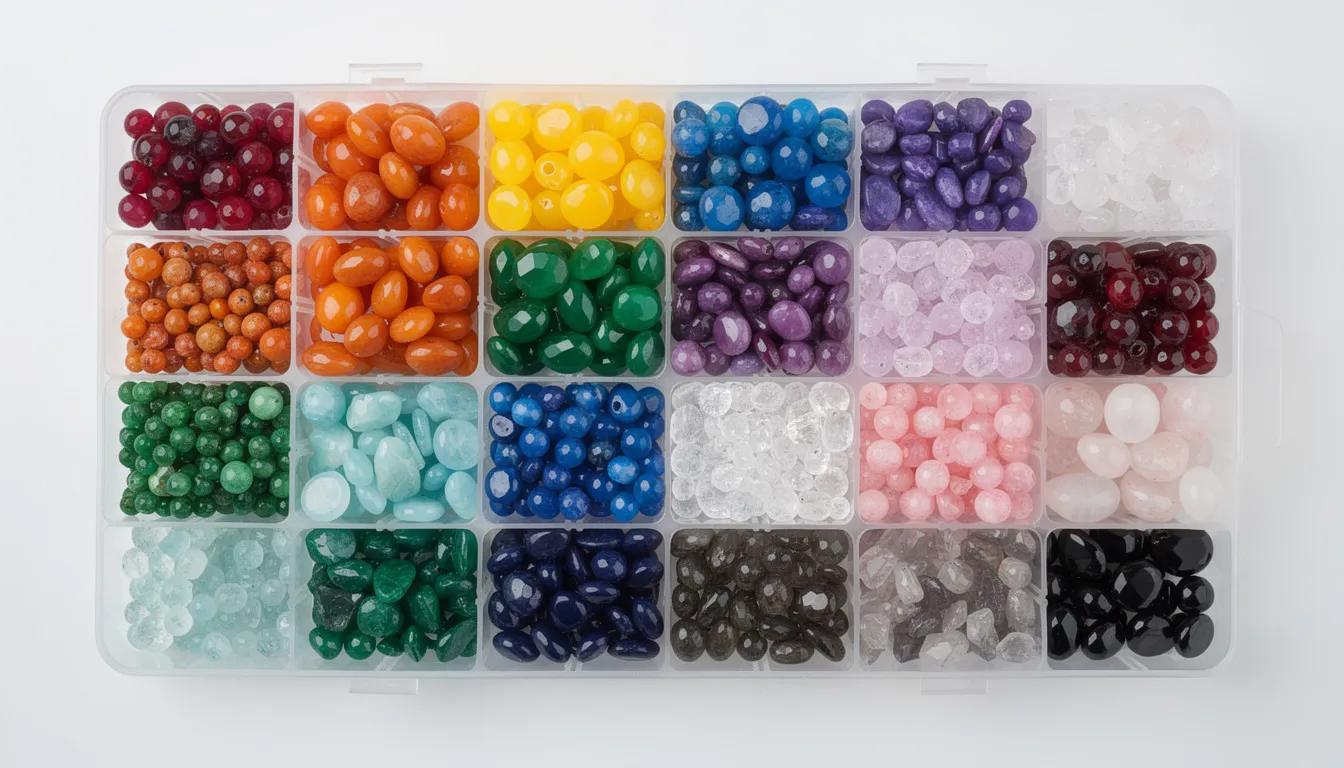
Key Decision Factors
-
Intended jewellery type: Bracelets need durable stones; earrings can feature more delicate specimens; rings require harder materials for daily wear, and understanding the best stones for bracelets helps you balance comfort, symbolism, and longevity.
-
Design style: Match stone character to aesthetic—polished rounds for modern minimalism, natural chips for bohemian pieces
-
Colour palette: Work with complementary or monochromatic schemes; consider what the wearer typically gravitates toward
-
Budget: Many gemstones offer similar aesthetics at different price points; blue topaz can substitute for aquamarine, for example
-
Wearer’s lifestyle: Active lifestyles need harder, more durable stones; occasional-wear pieces can feature softer options
Starting Points for Personalised Designs
-
Birthstones provide an easy customisation hook for gifts and commissions, especially when you explore how 12 monthly birthstones offer protective symbolism.
-
Zodiac associations appeal to customers interested in healing crystals and metaphysical properties
-
Anniversary stones offer additional personalisation opportunities
Building Your Collection
-
Start with versatile “core” stones: clear and rose quartz, amethyst, agate, and jasper
-
These affordable basics cover many design needs and colour palettes
-
Expand into specialised or rare options as your skills and customer base grow
Experimenting Wisely
-
Purchase small project packs or mixed strands to test colour combinations
-
Try different shapes and finishes before committing to larger quantities
-
Keep notes on what works and what sells if you’re creating for others
Semi precious stones offer accessible luxury, natural beauty, and endless creative options for jewellery makers at every skill level. Whether you’re drawn to the deep purple of amethyst, the organic patterns of jasper, or the sophisticated shimmer of labradorite, these materials connect your work to thousands of years of human adornment tradition.
The perfect choice for your next project depends on your vision, your recipient, and the story you want your jewellery to tell. Start experimenting, trust your eye for colour and texture, and let these beautiful natural stones inspire your creativity.
Frequently Asked Questions about Semi Precious Stones for Jewellery
How many types of semi-precious stones are there?
The world of semi-precious stones includes over 130 varieties, each valued for their unique visual appeal and traditional symbolic meanings. This diversity offers jewellery makers a vast palette to create distinctive pieces.
What is special about citrine?
Citrine is often called the merchant's stone because it is associated with wealth, abundance, positivity, and energy. Its warm yellow to amber hues make it a popular choice for jewellery that symbolizes prosperity, especially in November birthstone pieces featuring topaz and citrine, focused guides on the best November birthstone options, uplifting Citrine birthstone jewellery collections, and gold-plated November birthstone necklaces with citrine and yellow topaz.
What is labradorite known for?
Labradorite is prized for its dark grey appearance and stunning flashes of blue, green, and gold, a phenomenon called labradorescence. This captivating play of colours adds a mystical quality to jewellery designs and makes it a favourite choice in many semi-precious gemstone necklace styles.
Which semi-precious stones are durable for everyday wear?
Durable varieties like garnet and topaz, which score between 6.5 and 8 on the Mohs hardness scale, are resistant to scratches and ideal for rings, bracelets, and other pieces exposed to frequent wear.
Do natural patterns and inclusions affect gemstone value?
Natural patterns and inclusions in semi-precious gemstones add character and uniqueness to each piece of jewellery. While some inclusions may affect clarity, they often enhance the stone’s individuality and appeal.
Where can I find ethically sourced semi-precious gemstones?
JewelleryMaker offers over 100 variants of ethically sourced gemstones, ensuring responsible sourcing for jewellery making. Similarly, Cooksongold provides an extensive range of precious and semi-precious stones ideal for jewellery, including bulk multipacks for convenience. Totally Beads specializes in semi-precious gemstone beads that deliver a natural and premium feel.
What is the current market outlook for gemstones?
The gemstone industry is projected to grow from a value of $1.55 billion in 2023 to $4.46 billion by 2033. Pricing is influenced by factors such as clarity, rarity, and market demand, reflecting both economic and aesthetic considerations.
What symbolic meanings do some popular semi-precious stones have?
-
Garnet symbolizes love, energy, and protection, often used in durable rings.
-
Turquoise, ranging from sky blue to green, has been a protective talisman against negative energy for thousands of years.
-
Lapis Lazuli is linked to wisdom, truth, and royalty, noted for its deep cobalt blue colour with golden pyrite flecks.
-
Rose Quartz is known as the gem of unconditional love, promoting self-love, emotional healing, and compassion.
-
Tourmaline is believed to balance energy, provide protection, and inspire creativity, available in nearly every colour.
-
Moonstone is celebrated for its ethereal glow called adularescence, associated with feminine energy and emotional balance.
-
Opal is famous for its play-of-colour effect, making it a captivating choice for unique jewellery.
How have gemstones been valued historically?
Gemstones have captivated humanity since ancient times, embodying beauty, science, and spirituality. Egyptians believed healing crystals like lapis lazuli could aid the soul's passage to the afterlife. The Greeks used amethysts to ward off drunkenness, while the Chinese integrated jade into medicine and cultural rituals. In medieval Europe, gemstones adorned armour and royal regalia for their beauty and protective symbolism, and the enduring historical and cultural significance of amethyst continues to shape how we view this February birthstone today.
Are gemstones used for healing today?
Many people today use healing crystals such as quartz, amethyst, and fluorite to manage stress and promote spiritual alignment, and some are drawn specifically to the February birthstone amethyst for its calming, protective energy. Gemstones are also traditionally associated with celebrations and gifting, often given as birthstone jewellery or special occasion gifts.
What are birthstones?
Birthstones are gemstones linked to each month of the year, believed to influence the life and personality of the wearer. This tradition dates back thousands of years and remains popular for personalised jewellery, especially in designs that highlight 12 monthly birthstones and their protective meanings.
What jewellery settings work best for semi-precious stones?
Prong settings maximize light entry in transparent stones like amethyst and citrine, enhancing their sparkle. Bezel settings offer better protection for softer or opaque stones such as opal and turquoise, making them more durable for everyday wear, particularly in designs like gold-plated earrings with semi-precious stones where both security and shine matter.
What are semi-precious gemstone beads?
These are drilled beads cut from natural stones, used in stringing, weaving, or wiring into finished jewellery designs. They provide real stone texture and natural patterning, lending a premium feel suitable for both casual and special occasion jewellery.
How do bead sizes and hole sizes affect jewellery making?
Bead and hole sizes influence the jewellery’s weight and the types of stringing materials that can be used. Smaller beads suit delicate designs with fine threads, while larger beads require stronger cords or wire.
Which jewellery making techniques are best suited for semi-precious stones?
Techniques such as beading wire stringing, elastic bracelets, wirework, rosary-style chains, and simple macramé with feature stones work well. Gemstones’ versatility allows crafters to mix healing crystals with metal spacers for bohemian looks or combine precious stones with pearls for refined elegance.
Can semi-precious stones be combined with other materials?
Yes, gemstone beads pair beautifully with seed beads, crystal beads, glass beads, pearls, and metal spacers, enabling diverse and layered jewellery designs.
What ethical concerns exist in the gemstone industry?
Many mines, especially in developing countries, face challenges like inadequate safety measures, low wages, and poor working conditions. Environmental degradation from mining activities threatens ecosystems through deforestation, soil erosion, and water contamination. The lack of standardized certification processes undermines market integrity and consumer trust.
How can the gemstone industry become more sustainable?
Addressing socio-economic challenges requires promoting sustainable mining practices and ensuring equitable outcomes for workers. Investing in community development projects can alleviate poverty and empower marginalized communities dependent on gemstone mining, fostering a more ethical and responsible industry.
Leave a comment