

Sapphire is a gemstone that has captivated people for centuries, and it proudly holds the title of the September birthstone. Renowned for its rich blue hues and exceptional durability, sapphire is a prized choice in jewellery around the world. The blue colour of sapphires is caused by trace amounts of iron and titanium, which contribute to their iconic appearance. However, sapphires can come in many colours, including blue, yellow, pink, and green, but blue is the most renowned. This precious stone ranks 9 on the Mohs scale of mineral hardness, making it one of the most resilient gemstones available, ideal for daily wear in rings, necklaces, and other fine jewellery pieces. Sapphires belong to the corundum family of gems, where the red variety is classified as ruby, highlighting their close mineral relationship. High clarity sapphires are rare, as most stones contain inclusions that add to their character and desirability. The classic beauty of blue sapphires, coupled with their enduring strength, makes them a timeless symbol of loyalty and everlasting love.
Sterling Silver: The Perfect Setting for Birthstones
Sterling silver is a favoured metal for birthstone jewellery due to its durability, affordability, and classic look. Its bright, reflective surface beautifully complements a variety of gemstones, including sapphires, rubies, and amethysts. Sapphires are prized for engagement rings and have historic significance in luxury jewellery. Whether fashioned into rings, pendants, or necklaces, sterling silver provides a versatile and elegant setting that enhances the natural beauty of birthstones without overshadowing them.
Modern Birthstones: Tradition Meets Trend
The tradition of birthstones has evolved to blend ancient meanings with contemporary preferences. Traditional stones have deep historical and cultural origins, often associated with religious artefacts, biblical references, and ancient customs. These stones were linked to religious principles, astrology, and longstanding practices, in contrast to the modern birthstone lists that reflect more recent trends and standardisations.
Modern birthstones include not only traditional gems like sapphire and ruby but also newer additions such as tanzanite and spinel, reflecting today’s jewellery trends. Synthetic sapphires have gained popularity as affordable and sustainable alternatives to natural stones, offering the same chemical composition and durability. Beyond their use in jewellery, thin wafers of synthetic sapphire serve as substrates for growing gallium nitride in LED manufacturing, illustrating the gem’s versatility. Sapphires are also employed in high-durability windows for military and civilian equipment, showcasing their practical applications beyond decorative purposes.
Introduction to Birthstones: Meaning and Tradition
Birthstones are gemstones that represent a person’s birth month and are often worn as jewellery to symbolize personal identity, tradition, and good fortune. Each birthstone carries unique significance and meaning. For example, the September birthstone, sapphire, is known for its classic beauty and rich blue color, while the July birthstone, ruby, and February birthstone, amethyst, are celebrated for their vibrant hues and precious status. Various colors of sapphires, including blue, pink, yellow, and green, allow for personalized ring designs. The tradition of wearing birthstones dates back to ancient times, with modern birthstones standardized by the national association of jewelers to ensure consistency and cultural relevance. Today, birthstones are believed to bring health, protection, and luck to their wearers, making them cherished symbols of personal heritage.
History and Evolution of Modern Birthstones
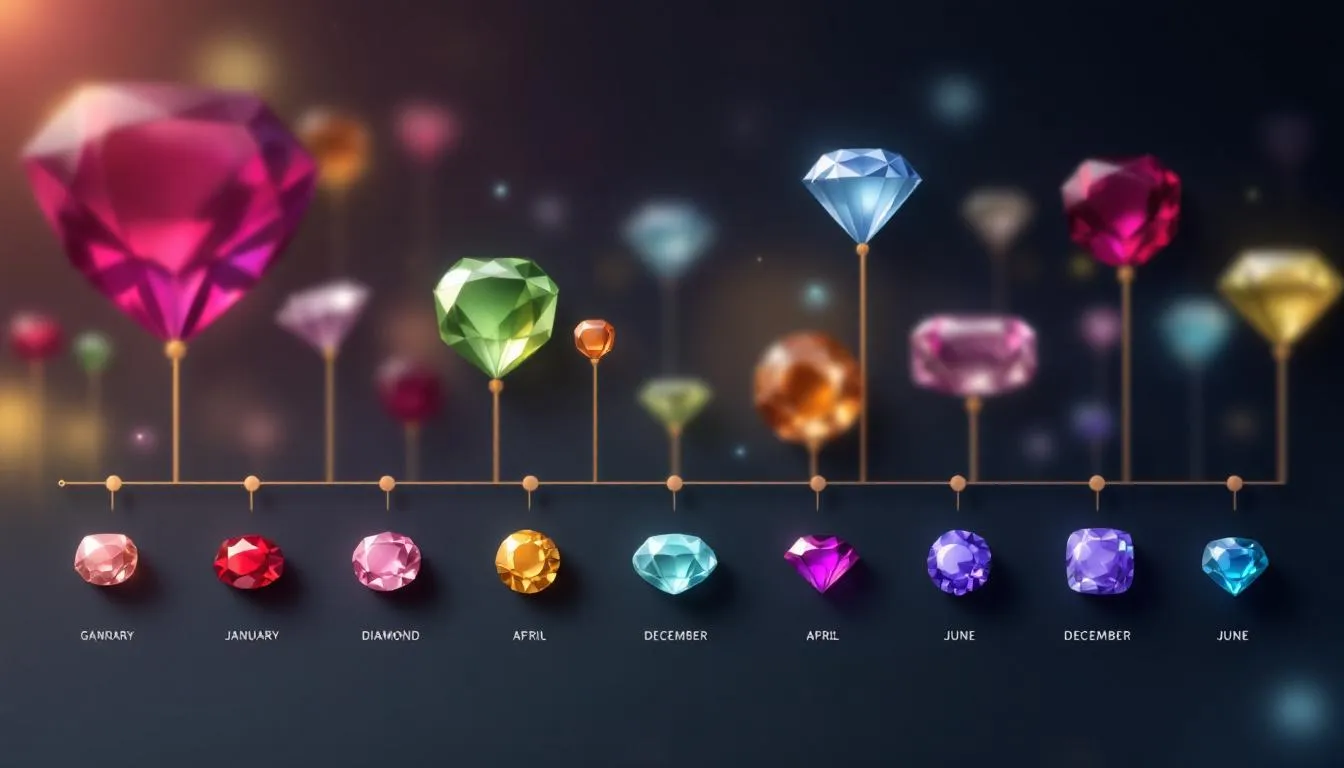
The history of modern birthstones began in 1912 when the national association of jewelers standardized the list of birthstones. This official list includes well-known stones such as garnet for January, diamond for April, and tanzanite, turquoise, and zircon for December. Over time, the list has evolved, with some months now featuring multiple birthstones—for example, the three June birthstones: pearl, alexandrite, and moonstone. This evolution reflects changing tastes and discoveries of new gemstones, while maintaining the tradition of associating specific stones with each birth month. Wearing birthstones has been a meaningful practice passed down through generations, with each stone holding special cultural and personal significance.
Birthstones and Astrology: Cosmic Connections
The connection between birthstones and astrology stretches back to ancient times, when gemstones were believed to harness cosmic energies and offer protection, luck, or healing to their wearers. Each birthstone is linked not only to a birth month but also to specific astrological signs, with unique properties said to enhance the strengths or balance the traits of those born under each sign. For example, the July birthstone, ruby, is associated with passion and vitality, making it a fitting gem for fiery Leos and Cancers. The February birthstone, amethyst, is thought to promote calmness and clarity, resonating with the intuitive nature of Pisces and Aquarius. June is especially unique, offering three June birthstones—pearl, moonstone, and alexandrite—each connected to different zodiac signs and believed to bring their own blend of harmony, transformation, and wisdom. Whether you’re drawn to the mystical qualities of gemstones or simply love the tradition, wearing your birthstone can be a beautiful way to express your astrological identity and invite positive energy into your life. Incorporating these gemstones into your jewelry collection—be it a pearl necklace, a ruby ring, or an amethyst pendant—lets you celebrate both your birth month and your place in the universe with style and meaning.
January's Birthstone: Garnet's Rich Legacy
Garnet, the January birthstone, is celebrated for its wide range of colors, from deep reds to vibrant greens, and its historical significance as a symbol of protection and love. This gemstone has adorned jewellery for centuries, valued for both its beauty and its supposed powers to safeguard the wearer. Garnet’s enduring appeal makes it a cherished choice for birth month jewellery, often set in sterling silver or gold to highlight its rich hues.
February Birthstone: The Purple Variety Amethyst
Amethyst, the February birthstone, is a purple variety of quartz celebrated for its rich color and associations with peace, clarity, and spiritual growth. Its royal purple hue has made it a favorite in jewellery for centuries. Amethyst’s affordability and beauty make it an accessible and meaningful gemstone for birth month jewellery.
March Birthstone: Aquamarine's Calming Hues
Aquamarine, March’s birthstone, evokes the calming hues of the sea with its tranquil blue and green tones. Known for its soothing energies, aquamarine symbolizes courage, clarity, and emotional healing. This gemstone is a popular choice for jewellery that reflects serenity and inner peace.
April Birthstone: The Everlasting Love of Diamond
Diamond, the April birthstone, is synonymous with everlasting love and strength. Its unmatched brilliance and hardness have made it a staple in fine jewellery collections worldwide. Diamonds are often paired with other birthstones, such as sapphires and rubies, to create stunning, meaningful pieces that celebrate personal milestones and relationships.
May Birthstone: Emerald's Lush Green Elegance
Emerald, May’s birthstone, stands out as a lush green gemstone with a rich cultural history, often associated with rebirth, vitality, and wisdom. This precious stone has been cherished since ancient times and remains a symbol of abundance and positive transformation.
June Birthstones: Pearl, Alexandrite, and Moonstone
June offers three birthstones, each with unique qualities and significance. Pearls are prized for their timeless elegance and purity, alexandrite is known for its color-changing properties and rarity, and moonstone captivates with its mystical glow. Together, these three June birthstones provide diverse options for jewellery that celebrates harmony, transformation, and wisdom.
July Birthstone: The Radiant Ruby
In contrast to sapphire’s cool blues, the July birthstone, ruby, dazzles with its vibrant red color. Rubies are among the most precious stones cherished worldwide, symbolizing passion, vitality, and courage. Their rich red hue, caused by traces of chromium, makes rubies a striking choice for jewellery that conveys warmth and energy. Like sapphires, rubies are also a variety of corundum, sharing similar durability and status as precious stones. Whether set in gold or sterling silver, ruby jewellery is a classic expression of elegance and power.
August Birthstone: Peridot's Vibrant Green Color
Peridot, the August birthstone, is renowned for its vibrant green color, which ranges from yellow-green to olive. This gemstone has ancient associations with protection and good fortune, making it a popular choice for jewellery that symbolizes renewal and positive energy. Peridot’s unique hue adds a fresh and lively touch to birthstone collections.
October Birthstone: Opal and Tourmaline's Colorful Charm
October boasts two captivating birthstones: opal and tourmaline. Opal is prized for its mesmerizing play of colors, often displaying a rainbow of hues that make each stone unique. Tourmaline, available in many colors, offers versatility and vibrant charm to jewellery designs. Both stones are popular choices for those seeking birthstone jewellery that stands out with distinctive color and character.
November Birthstones: Topaz and Citrine
November’s birthstones, topaz and citrine, are celebrated for their warm yellows and orange hues, symbolizing calming energies and positivity. These stones are perfect for autumn-inspired jewellery designs and are known for their affordability and abundance.
December Birthstones: Turquoise, Tanzanite, and Zircon
December birthstones encompass a diverse group of gemstones associated with December, including turquoise, tanzanite, and zircon. These December birthstones are celebrated for their unique characteristics, vibrant blue hues, and special significance, offering a range of colors and meanings for those born in this month.
December’s birthstones—turquoise, tanzanite, and zircon—each offer unique shades of blue and symbolic meanings. Turquoise is known for its striking sky-blue color and cultural significance as a protective talisman. Tanzanite, a relatively recent addition to the birthstone list, captivates with its deep blue to purple hues, while zircon offers brilliance and fire comparable to diamonds. These precious gems provide diverse options for December-born individuals seeking meaningful jewellery.
Caring for Sapphire Jewelry
To maintain the beauty and durability of sapphire jewellery, proper care is essential. Avoid exposing sapphire stones to harsh chemicals and extreme temperatures, which can damage their surface. Regular cleaning with mild soap and water helps preserve their brilliance, and storing sapphire pieces in a cool, dry place prevents scratches and other damage. Sapphire jewellery pairs beautifully with other gemstones such as diamonds and pearls, allowing for creative and stunning combinations. Sapphires have a vitreous or glass-like luster, which enhances their visual appeal and makes them a standout choice in fine jewellery. Historically, sapphires have been considered protective stones, believed to shield wearers from harm, envy, and negative intentions. Some sapphires exhibit natural asterism—a star-like phenomenon that adds to their uniqueness and desirability. Sapphires are also used in medical equipment due to their good biological compatibility. With careful maintenance, sapphire jewellery can last for generations, making it a valuable and meaningful investment.
Conclusion
In conclusion, birthstones offer a meaningful way to celebrate one’s birth month, each carrying unique history, cultural significance, and symbolism. The September birthstone, sapphire, is a standout choice for jewellery lovers, known for its stunning blue color, classic beauty, and symbolism of wisdom, loyalty, and inner peace. Beyond decorative use, sapphires have practical applications in high-precision watch bearings and medical equipment, underscoring their versatility. Sapphires are used for high-precision movement bearings in watches because of their scratch resistance, making them an essential component in luxury timepieces. Whether you seek a precious gemstone or a unique jewellery piece, birthstones provide a timeless and eye-catching way to express personal style and connect with your birth month. With their rich heritage and enduring appeal, birthstones like sapphire continue to captivate and inspire across generations.
Frequently Asked Questions (FAQs)
What makes sapphire the perfect choice for the September birthstone?
Sapphire is renowned for its rich blue hues, exceptional durability, and timeless beauty. Its hardness rating of 9 on the Mohs scale makes it ideal for everyday wear in rings and necklaces. Additionally, sapphires symbolize wisdom, loyalty, and inner peace, making them meaningful gemstones for those born in September.
Can sapphires come in colors other than blue?
Yes, while blue sapphires are the most famous, sapphires naturally occur in a variety of colors including pink, yellow, green, and even colorless. These various hues allow for personalized and unique jewellery designs.
What are the modern birthstones for December?
December’s birthstones include turquoise, tanzanite, and zircon. Each offers unique shades of blue and distinct symbolic meanings, providing December-born individuals with a diverse selection of meaningful gemstones.
How do sapphire and ruby relate to each other?
Both sapphire and ruby belong to the corundum family of gemstones. The primary difference is color: sapphires come in many colours except red, while red corundum is classified as ruby. Both are prized for their hardness and beauty.
What are the two November birthstones and their meanings?
The two November birthstones are topaz and citrine. Topaz is known for its warm yellow to orange hues and symbolises love and good fortune. Citrine, with its bright yellow to orange colours, is associated with happiness and healing energies.
How should I care for sapphire jewellery?
To keep sapphire jewellery looking its best, avoid exposure to harsh chemicals and extreme temperatures. Clean sapphires regularly with mild soap and water, and store them separately to prevent scratches. Proper care ensures their brilliance and longevity.
What is the significance of emeralds as a birthstone?
May birthstone, emeralds, are prized for their lush green colour and symbolism of love, wisdom, and abundance. They have a rich history and are believed to bring prosperity and positive transformation to the wearer. Learn more about the power of gemstone jewellery and how it can enhance positivity in your life.
Are synthetic sapphires a good alternative to natural ones?
Synthetic sapphires share the same chemical composition and durability as natural sapphires but are more affordable and sustainable. They are widely used in jewellery and industrial applications, offering an excellent option for budget-conscious buyers.
What are the three June birthstones?
June has three birthstones: pearl, alexandrite, and moonstone. Pearls symbolise purity and elegance, alexandrite is prized for its color-changing properties, and moonstone is known for its mystical glow and connection to harmony and transformation.
Why is sterling silver popular for birthstone settings?
Sterling silver is durable, affordable, and has a bright, reflective surface that complements various gemstones. It enhances the natural beauty of birthstones like sapphire, ruby, and amethyst without overpowering them, making it a versatile choice for jewellery settings.
Leave a comment