Birthstone Month of February: Amethyst Meaning, Colour, History & Jewellery Guide
If you were born in February or you’re shopping for someone who was, there’s one gemstone you need to know: amethyst (a purple variety of quartz, ranging from pale lilac to deep violet). The amethyst birthstone, a stunning purple variety of the quartz family, has captivated jewellery lovers for thousands of years, and it remains the official birthstone for February across the UK and internationally. If you're interested in birthstones for other months, such as September with its sapphire, you can explore meaningful jewellery options as well.
This guide is perfect for anyone born in February, gift-givers seeking a meaningful present, or jewelry enthusiasts interested in the history and care of amethyst.
In this comprehensive guide, we’ll explore everything about the February birthstone—from its rich history and symbolic meanings to practical advice on choosing and caring for amethyst jewellery. Whether you’re looking for the perfect February birthday gift or want to add a meaningful piece to your own collection, you’ll find everything you need right here.
What Is the Birthstone Month of February?
The birthstone for February is amethyst, a breathtaking purple variety of quartz that ranges from soft lilac to deep violet. This designation has been recognised since 1912 when the National Association of Jewelers formalised the modern birthstone list, though amethyst’s connection to February stretches back millennia.
The amethyst birthstone has held its place as the traditional modern birthstone for February for well over a century, celebrated for its historical and cultural significance. Whether you’re in the UK, Europe, or anywhere else in the world, this gemstone is universally recognised as February’s gem, making it a meaningful choice for anyone celebrating a birthday during this winter month.
What makes amethyst truly special is its remarkable colour range. From the palest light lavender to the most intense deep reddish purple, no two stones are exactly alike. Amethyst color is best known for its deep, vivid purple, and uniformity in quality and appearance is highly valued. This variety means there’s an amethyst to suit every taste and style, whether you prefer subtle elegance or bold statement pieces.
Astrologically, amethyst holds significance for both Aquarius (21 January–18/20 February) and Pisces (19 February–20 March), making it a meaningful gem for nearly everyone born in late winter. This dual connection means the February birthstone amethyst resonates with a wide range of personalities and birth dates.
At Saras Beads & Jewellery, we have a particular fondness for working with February’s birthstone, a beautiful member of the quartz family, in our handmade designs. The quartz family is recognised for its range of colors and popularity in jewelry. The rich purple tones complement both our sterling silver and 18K gold-plated settings beautifully, creating pieces that feel both timeless and personal.
February Birthstone Colour: Shades of Purple
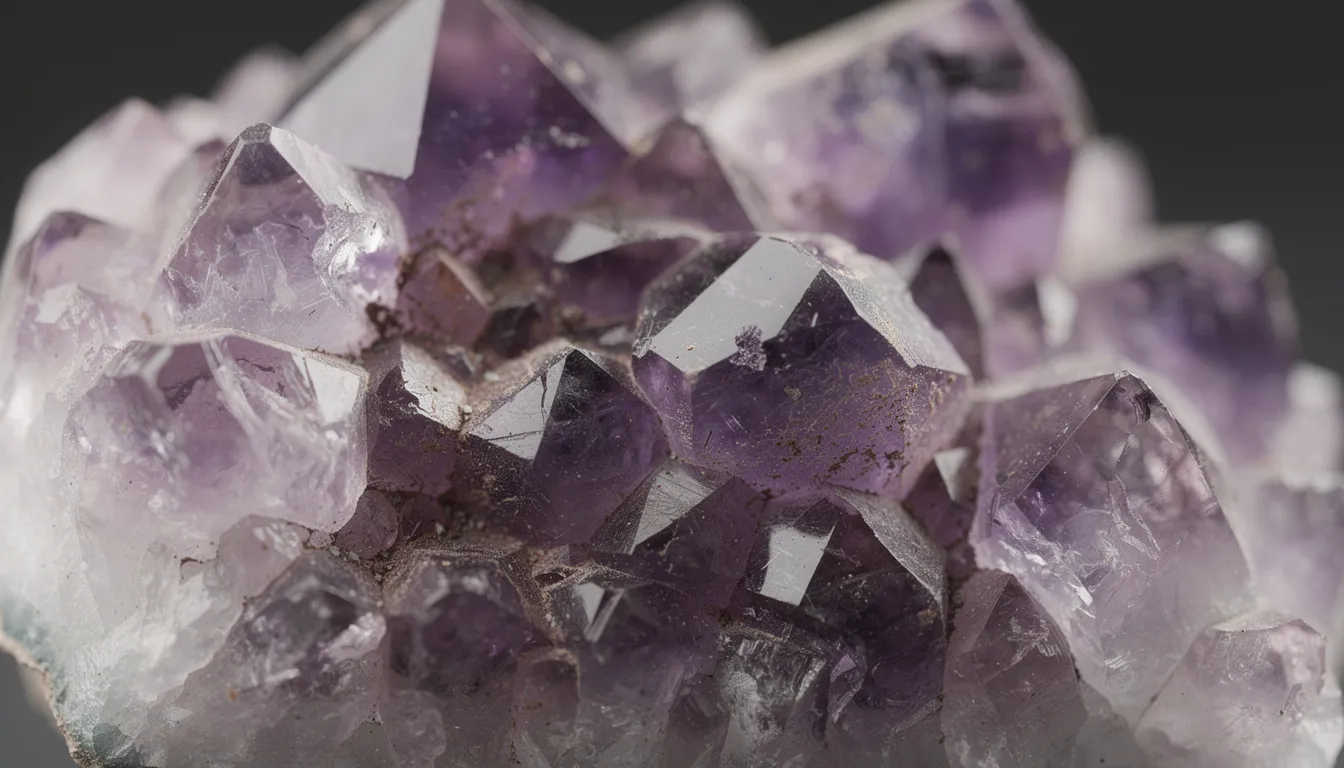
The February birthstone colour is purple in all its glorious variations. From the gentlest pastel lavender to the most intense, velvety violet, amethyst displays a colour spectrum that few other gemstones can match. The amethyst color is especially prized when it is a deep, vivid purple that is consistent throughout the stone, as uniformity in color is a key indicator of quality and desirability. This purple colour has made amethyst a favourite of royalty, clergy, and jewellery lovers throughout history.
The purple hue in amethyst comes from iron and trace mineral impurities within the quartz crystal structure. Natural irradiation from surrounding rocks oxidises these iron impurities (specifically Fe3+ ions), creating the distinctive purple colour. The intensity of the colour depends on the concentration of iron and the amount of natural irradiation the stone received as it formed.
Generally speaking, the most prized amethyst stones display an even, medium-to-deep purple with subtle flashes of red and blue when the light catches them. Collectors and jewellers look for good saturation without the stone appearing too dark or brownish, along with excellent clarity that allows light to pass through beautifully. The amethyst stone is also valued for its spiritual and protective properties, symbolizing peace, balance, and inner strength, which adds to its significance in jewelry and its enduring cultural and historical associations.
Different shades suit different people:
-
Pale lilac and soft lavender tones work wonderfully for everyday wear and complement fair to medium skin tones
-
Medium purple shades offer versatility and suit nearly everyone
-
Deep purple color and intense violet create stunning statement pieces, particularly striking against darker skin tones
At Saras Beads & Jewellery, we typically pair lighter amethyst shades with delicate sterling silver for an airy, feminine look. Our deep violet stones often feature in 18K gold-plated settings for added warmth and luxury. In our beaded designs, we love mixing amethyst with complementary gemstones like blue topaz and peridot for a colourful, Mediterranean-inspired aesthetic.
February Birthstone Meaning & Symbolism
Amethyst is the February birthstone of peace, mental clarity, and protection. For those born in this month, wearing their birthstone carries centuries of symbolic meaning and personal significance that extends far beyond simple beauty. Amethyst symbolizes peace, clarity, and spiritual growth. If you're looking for unique birthstone jewelry, consider these unique dangling sterling silver earrings with rose quartz accents for a distinctive and elegant addition to your collection.
The name “amethyst” derives from the Greek word “amethystos,” which translates directly to “not intoxicated” or “sober.” Ancient Greeks and Romans firmly believed this stone could protect ancient wearers from the effects of alcohol and promote clear thinking. Ancient wearers believed that drinking from amethyst goblets or wearing amethyst amulets would keep their minds sharp even during the most indulgent celebrations.
The symbolic meanings associated with amethyst include:
-
Inner strength and personal power
-
Emotional balance and stability during difficult times
-
Spiritual growth and connection to higher consciousness
-
Sobriety and self-control (in both literal and metaphorical senses)
-
Calm under pressure and peaceful energy
-
Protection from negative thoughts and energies
Traditional beliefs hold that amethyst dispels negative thoughts, eases anxiety, and encourages restful sleep with pleasant dreams. Many people place amethyst near their beds or wear it to promote relaxation and peaceful energy throughout the day. Amethyst is also valued for its healing properties, such as calming anxiety, dispelling anger, and promoting peacefulness. Additionally, amethyst is considered a powerful protective stone, often used to guard against negative energies and psychic attacks.
In crystal healing traditions, amethyst is connected with the crown chakra, which governs intuition, spiritual wisdom, and higher consciousness. Amethyst has also been used in prayer beads and is linked to the Third Eye and Crown chakras. While we present these as traditional beliefs rather than medical claims, many find comfort and meaning in these associations.
Those who wear the February birthstone are often described as creative, thoughtful, and compassionate. There’s a quiet power associated with amethyst wearers—they tend to be deep thinkers who approach life with sensitivity and wisdom.
History & Legends of the February Birthstone
February, with its reflective winter atmosphere, seems perfectly suited to amethyst’s contemplative purple depths. The history of this stone stretches back thousands of years, interweaving with mythology, religion, and royal tradition across virtually every major civilisation.
Greek and Roman Legends
The most famous legend comes from ancient Greece and Rome, where amethyst was intimately associated with Bacchus (Dionysus in Greek mythology), the god of wine and revelry. According to myth, the maiden Amethyst was on her way to worship at the temple of Diana when she encountered the wine god. To protect her from his advances, Diana transformed her into a clear crystal, which Bacchus then stained purple with grape wine in remorse.
This legend led to the widespread belief that amethyst could prevent drunkenness. The ruling class crafted elaborate goblets and drinking vessels from amethyst, convinced it would neutralise alcohol’s effects. Warriors wore amethyst amulets believing it would grant them mental clarity in battle.
Medieval and Renaissance Europe
In medieval Europe, amethyst became a powerful symbol of royalty, piety, and ecclesiastical authority. Bishops and cardinals wore amethyst rings as a symbol of their spiritual office, and the stone featured prominently in religious crosses, rosaries, and ceremonial objects. Its association with sobriety extended metaphorically to spiritual purity and devotion.
Renaissance nobility adorned crowns and scepters with amethyst, valuing it as a symbol of power and wisdom. During this period, amethyst was considered one of the precious gemstones, ranking alongside diamond, ruby, and emerald in status and value.
Famous Historical Admirers
Several notable historical figures had particular fondness for amethyst:
-
Catherine the Great of Russia was an avid collector of amethyst jewellery, favouring pieces from the then-dominant Russian deposits
-
Wallis Simpson, Duchess of Windsor, owned a stunning amethyst, turquoise, and diamond bib necklace by Cartier that remains one of the most famous amethyst pieces in jewellery history
-
Saint Valentine himself reportedly wore an amethyst ring carved with the image of Cupid, connecting the gem to February’s themes of love and devotion
Ancient Egypt
Evidence of amethyst use dates to around 2000 BC in Ancient Egypt, where craftspeople carved the stone into protective amulets believed to ward off fear, guilt, and negativity. Egyptians placed amethyst in tombs to protect the deceased during their journey to the afterlife, valuing its supposed spiritual properties as much as its beauty.
The connection between February, amethyst, and themes of purification and devotion may trace back to ancient Roman festivals of purification held during this month, along with the later association with St. Valentine’s Day. For those interested in meaningful gifts, handmade jewellery inspired by Mediterranean beauty and craftsmanship can be a unique expression during this season.
Where Is Amethyst Found? Key Sources of the February Birthstone
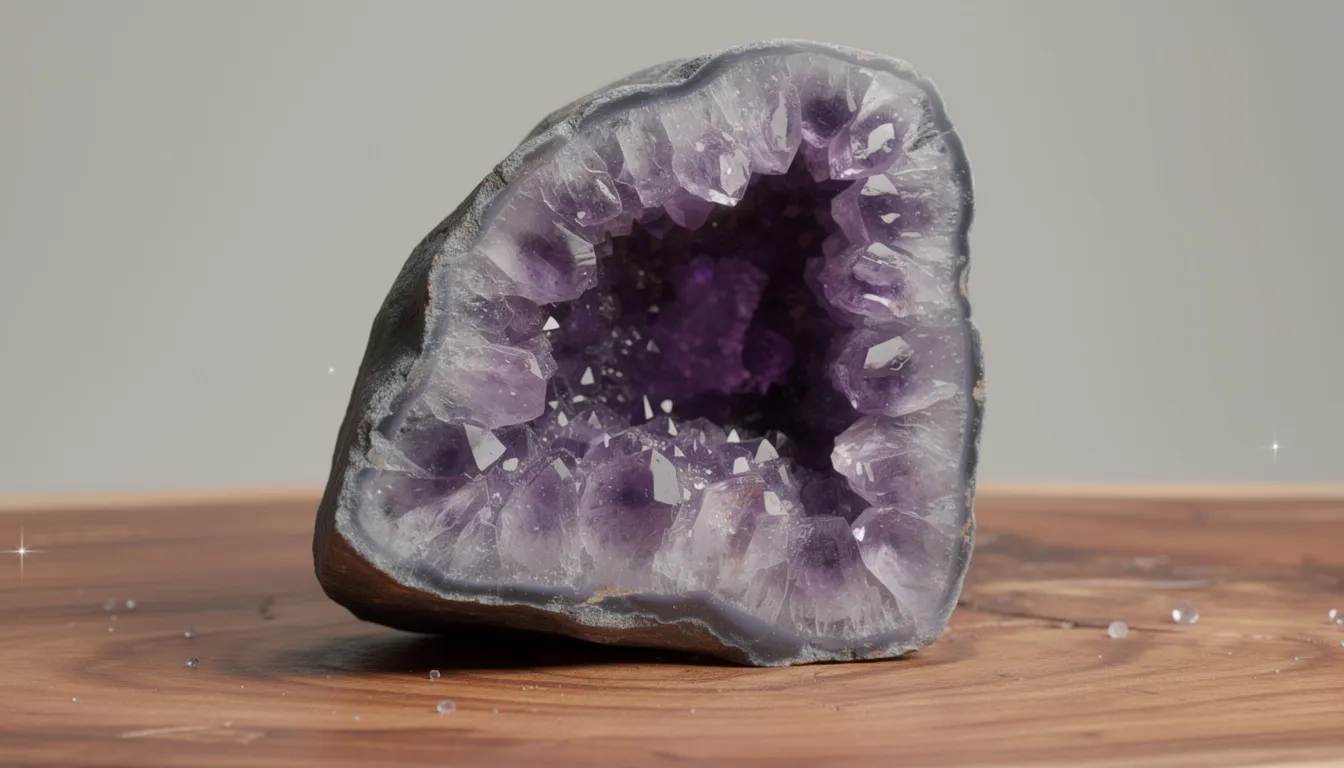
Amethyst is mined across the globe, making February’s birthstone both accessible and wonderfully varied in appearance. Large deposits of amethyst have been discovered and mined worldwide, with Brazil, Bolivia, Zambia, and the United States recognized as key sources of high-quality amethyst. Different regions produce stones with distinctive characteristics, and understanding these origins can help you appreciate the unique qualities of each piece.
Brazil
Brazil remains the world’s largest producer of amethyst, with particularly significant deposits in:
-
Minas Gerais – Known for producing high-quality crystals with excellent clarity
-
Rio Grande do Sul – Home to spectacular amethyst geodes, including some of the largest ever discovered
Brazilian amethyst found in these regions tends to display a wide range of purple shades, from light lavender to deep violet. The country’s vast deposits are responsible for making amethyst accessible to everyday jewellery buyers rather than just royalty.
Uruguay
Uruguay, particularly the Artigas region, produces some of the most intensely coloured amethyst in the world. Uruguayan stones often display a deep, saturated purple that collectors prize highly. The famous Empress of Uruguay geode, standing over 3 metres tall and weighing 2.5 tonnes, came from this region.
Africa
African sources, particularly Zambia and Namibia, have become increasingly important in the fine jewellery market. Zambian amethyst is renowned for:
-
Exceptional colour intensity with bluish-purple undertones
-
Superior luster and brilliance
-
Consistent quality across larger volumes
Other Notable Sources
Amethyst comes from various locations worldwide:
|
Region |
Characteristics |
|---|---|
|
Bolivia (Anahí mine) |
Unique ametrine (amethyst-citrine combination) |
|
Madagascar |
Fine quality crystals with good colour |
|
India |
Traditional source with historical significance, such as the Verdant Harmony: Handcrafted Double Emerald Gold-Plated Ring |
|
Russia |
Once dominant, now less commercially significant |
|
USA (Arizona, North Carolina) |
Boutique sources with collector appeal |
|
South America (various) |
Diverse qualities and colour ranges |
While origin can influence colour and character, the cut and craftsmanship of finished February birthstone jewellery matter just as much. A well-cut stone from any reputable source can make stunning jewellery.
At Saras Beads & Jewellery, we source ethically mined amethyst and prioritise working with responsible suppliers who share our values. Every natural amethyst in our February birthstone collections has been carefully selected for quality and sourced with integrity.
Astrology & the February Birthstone
The connection between amethyst and the zodiac signs that span February adds another layer of meaning for those who value astrological symbolism. If you’re drawn to astrology, understanding how amethyst relates to your sign can help you connect more deeply with your birthstone.
Amethyst and Aquarius (20/21 January – 18/19 February)
Aquarians are known for their innovative thinking, humanitarian values, and sometimes scattered energy. Amethyst is believed to offer:
-
Grounding for big, visionary ideas
-
Calm during social chaos or when feeling overwhelmed
-
Support for clear communication of complex concepts
-
Balance between intellectual pursuits and emotional needs
For the air sign Aquarius, amethyst’s calming purple energy provides a stabilising influence without dampening creativity or independent thinking.
Amethyst and Pisces (19 February – 20 March)
Pisces, the intuitive water sign, shares February with Aquarius. For Pisceans, amethyst is believed to provide:
-
Emotional balance for their naturally sensitive nature
-
Protection for their empathetic, absorbent energy
-
Enhanced intuition and dream clarity
-
Creative inspiration and artistic flow
-
Grounding when emotions become overwhelming
The deep connection between amethyst and spiritual wisdom makes it particularly resonant for mystically-inclined Pisces individuals.
Companion Stones
While garnet (January’s birthstone) can serve as a companion stone for those born in late January or early February, amethyst remains the primary gem for the birthstone month of February. Some people enjoy wearing both stones together, appreciating garnet’s grounding red energy alongside amethyst’s spiritual purple.
Rather than following strict astrological rules, we encourage you to choose pieces that resonate with your personality, intentions, and aesthetic preferences. Your connection to your birthstone should feel personal and meaningful to you.
February Birthstone Jewellery Ideas
Imagine presenting someone with a beautiful amethyst piece for their February birthday or Valentine’s Day—a gift that carries both personal meaning and timeless elegance. The amethyst birthstone is also often given as a gift for the sixth wedding anniversary, making it a thoughtful choice for celebrating lasting love. From delicate everyday pieces to stunning statement jewellery, amethyst works beautifully across every style.
Necklaces and Pendants
February birthstone necklaces and pendants make versatile gifts that suit almost everyone:
-
Delicate solitaire pendants in sterling silver for minimalist everyday wear
-
18K gold-plated chains with amethyst drops for added warmth and luxury
-
Layering pieces that combine beautifully with other necklaces
-
Birthstone charms on adjustable chains for a personalised touch
Earrings
Amethyst earrings offer remarkable versatility:
-
Studs – Classic, suitable for office, brunch, and evening events
-
Huggies – Modern, comfortable for all-day wear
-
Small drops – Elegant movement that catches the light
-
Statement earrings – Perfect for special occasions
Complete your look by pairing these earrings with the Gold-Plated Necklace with January Garnet & Rose Quartz Birthstone and Carnation Flower.
Rings
An amethyst ring makes a meaningful gift or personal treat:
-
Dainty stacking bands that pair with existing rings
-
Minimalist solitaire designs for elegant simplicity
-
Cocktail rings with larger stones for special occasions
-
Bezel-set styles for secure, everyday wear
Handmade Beaded Designs
At Saras Beads & Jewellery, we specialise in handmade beaded bracelets and necklaces that incorporate amethyst alongside other ethical gemstones. Our Mediterranean-inspired designs might pair amethyst with:
-
Copper turquoise for earthy contrast
-
Blue topaz for complementary cool tones
-
Peridot for fresh colour combinations
-
Garnet for rich, warm depth
Practical Considerations
-
All our February birthstone jewellery features hypoallergenic, nickel-free settings—essential for those with sensitive skin who want to wear their amethyst daily for everyday wear without irritation.
-
We also offer bespoke options including:
-
Custom birthstone bracelets designed for children
-
Matching mother-and-daughter sets
-
Personalised February birthstone gifts
-
Commissioned pieces using your choice of amethyst shade
-
How to Choose Quality Amethyst for February Birthstone Jewellery
Selecting beautiful amethyst involves looking beyond price to consider beauty, durability, and responsible sourcing. Here’s what to look for when choosing February birthstone jewellery.
Colour
Colour is the most important factor in amethyst quality:
|
Quality Level |
Colour Characteristics |
|---|---|
|
Premium |
Even, vivid purple with red and blue flashes |
|
Good |
Consistent medium purple with good saturation |
|
Acceptable |
Light purple without brown or grey tones |
|
Avoid |
Brownish, washed-out, or uneven colour zoning |
Be aware that some amethyst undergoes heat treatment to improve or alter colour. Excessive heat can actually turn amethyst into citrine (yellow quartz), while controlled treatment may enhance purple tones. Reputable sellers disclose any treatments.
The distinction between natural amethyst and synthetic amethyst matters to some buyers. Lab-grown amethyst has identical physical properties to natural stone but lacks the geological history. Both are genuine amethyst, but natural stones carry different value for collectors.
Clarity
Look for eye-clean stones without obvious:
-
Fractures that could affect durability
-
Cloudiness that dulls sparkle
-
Visible inclusions that distract from the colour
Some minor inclusions are acceptable and even expected in natural stones, but they shouldn’t dominate the appearance.
Cut
A well-proportioned cut with good symmetry makes amethyst appear:
-
Lively and brilliant rather than flat
-
Evenly coloured throughout
-
Sparkly with attractive light return
Poor cutting can make even high-quality rough look dull and lifeless.
Size and Shape
Amethyst comes in numerous shapes, each suited to different jewellery types:
-
Round – Classic, versatile for rings and earrings
-
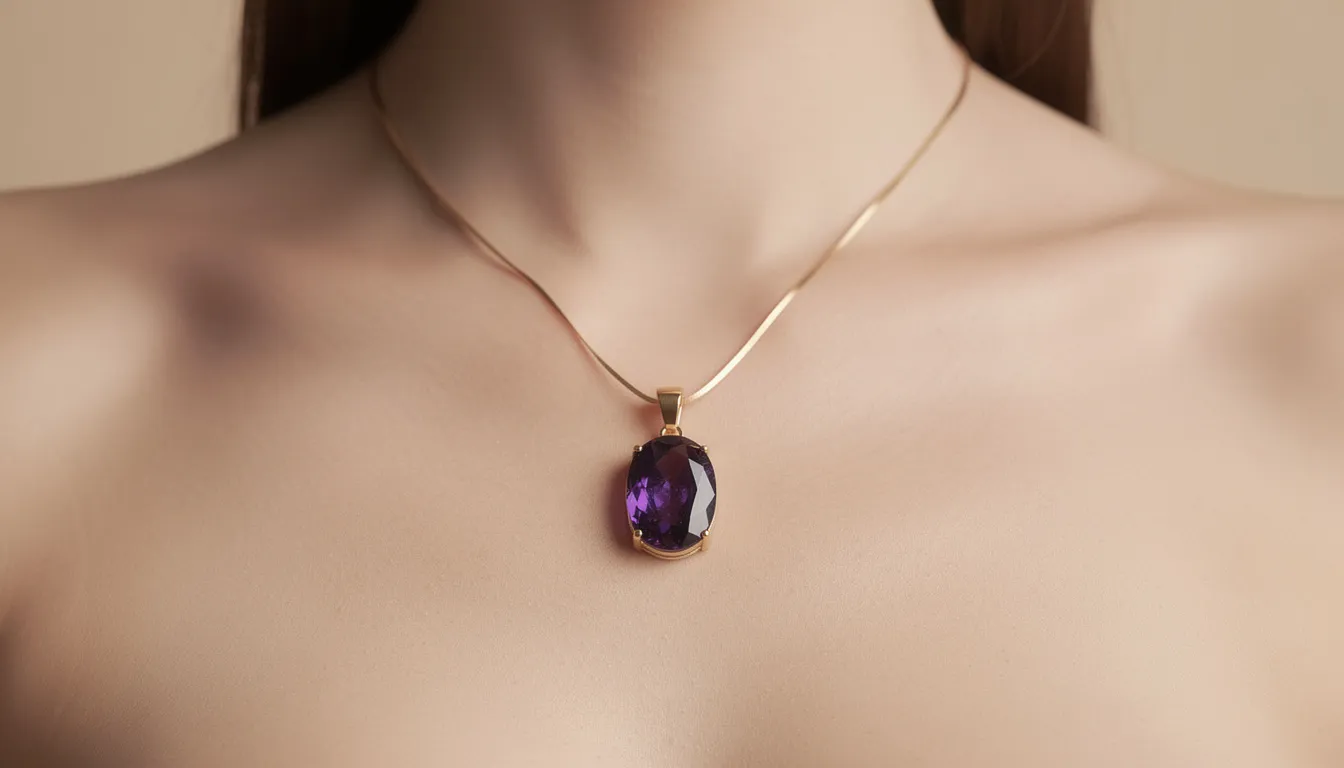
Oval – Elegant, flattering in pendants
-
Pear – Distinctive, beautiful for drops
-
Cushion – Vintage feel, excellent for statement rings
-
Beads – Perfect for bracelets and layered necklaces
Carat weight affects price, but a smaller, higher-quality stone often looks better than a larger, flawed one.
Metal and Setting Quality
The metal and setting matter as much as the stone:
-
Solid sterling silver for durability and hypoallergenic properties
-
Thick 18K gold plating that won’t wear quickly
-
Secure settings that protect the stone
-
Smooth edges for comfortable wear
At Saras Beads & Jewellery, we hand-select each amethyst for our collections, carefully balancing colour, clarity, and artisan design to create pieces we’re proud to offer.
Caring for February Birthstone Amethyst Jewellery
Amethyst has a hardness of 7 on the Mohs scale, making it suitable for everyday jewellery with sensible care. It’s harder than many precious stones and resists scratching from most common materials. With proper attention, your February birthstone pieces will remain beautiful for years.
Cleaning Your Amethyst
Regular cleaning keeps amethyst looking its best:
-
Use lukewarm water (never hot)
-
Add a drop of mild soap
-
Gently clean with a soft brush or cloth
-
Rinse thoroughly
-
Dry completely with a lint-free cloth
Avoid:
-
An ultrasonic cleaner (can damage some stones)
-
Steam cleaning (risks fracturing)
-
Harsh chemicals or strong detergents
-
Bleach, ammonia, or acetone
Protecting Colour and Clarity
Amethyst can be sensitive to certain conditions:
-
Prolonged exposure to direct sunlight may cause gradual fading
-
Extreme temperature changes can cause fracturing
-
High heat can permanently alter colour (potentially turning purple to yellow, like citrine)
-
Extreme temperature shifts should be avoided
For those interested in birthstones, consider celebrating your birth month with May Birthstone: Emerald Gemstone.
Store your amethyst away from windows and heat sources when not wearing it.
Storage Recommendations
Proper storage prevents damage:
-
Keep amethyst pieces in a soft-lined box or pouch
-
Store separately from harder gems like diamond jewelry, ruby, sapphire, and emerald
-
Avoid jumbling with other precious stones that might scratch
-
Use individual compartments or soft wrapping for each piece
When to Remove Your Amethyst
Remove February birthstone rings, bracelets, and other jewellery during:
-
Housework and cleaning (chemicals and impacts)
-
Gym sessions and sports (sweat and impacts)
-
Gardening (dirt and scratches)
-
Swimming (chlorine and salt water)
-
Applying cosmetics, perfumes, or hairsprays
Long-Term Care
With simple, regular care, your February birthstone jewellery will stay bright and beautiful for decades. Think of it as a small investment of time that protects both the sentimental and monetary value of your pieces. Many amethyst pieces become treasured heirlooms passed down through generations—just like the amethyst brooch in Anne of Green Gables that carries such emotional weight across generations.
Saras Beads & Jewellery February Birthstone Collection
At Saras Beads & Jewellery, we’re a UK-based handmade jewellery studio located in Harrow, Greater London. Founded by Sarah Sabraoui in 2021, our studio began as a passion project and has grown into a beloved destination for those seeking meaningful, artisan-crafted pieces.
Our February Birthstone Range
Our amethyst jewellery collection includes: If you're interested in other birthstones, explore our January Birthstone: Garnet Gemstone collection.
-
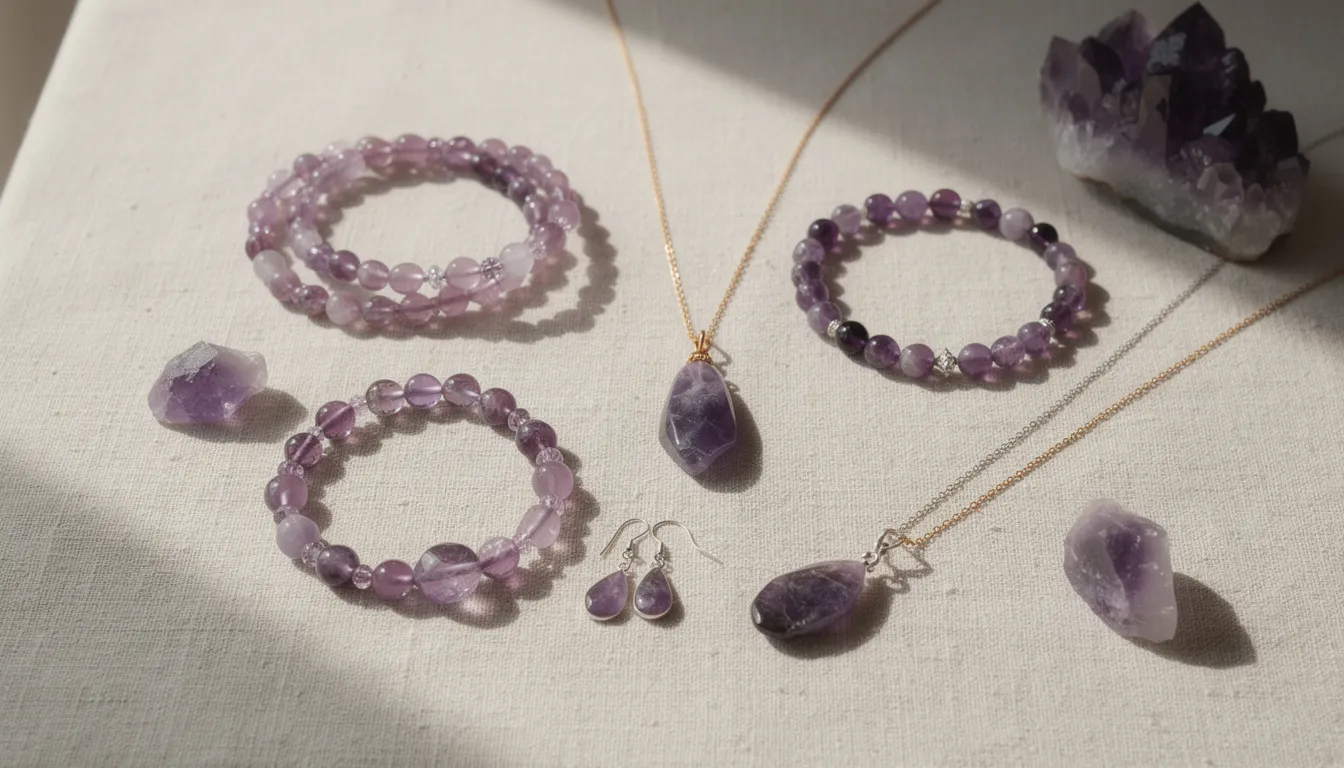
Amethyst necklaces – From delicate pendants to beaded statement pieces
-
Amethyst bracelets – Beaded designs and chain styles
-
Amethyst earrings – Studs, drops, and hoops
-
Amethyst rings – Minimalist bands and eye-catching designs
-
Mixed gemstone pieces – Amethyst paired with turquoise, peridot, and more
Every piece is crafted by hand in sterling silver, 18K gold-plated metals, or our signature mixed-gemstone styles that reflect Sarah’s Lebanese and Mediterranean heritage.
Our Values
What sets our amethyst jewellery apart:
-
Ethically sourced gemstones from responsible suppliers
-
Hypoallergenic, nickel-free materials safe for sensitive skin
-
Mediterranean-inspired designs with meaning and story
-
Artisan craftsmanship – every piece made by hand
-
Quality materials that stand the test of time
Popular February Gift Ideas
Our customers particularly love:
|
Gift Type |
Perfect For: Royal Amethyst Embrace: Handcrafted Double Amethyst Gold-Plated Ring |
|---|---|
|
Personalised February birthstone bracelets – see also our Sterling Silver Ring with Gemstones |
Birthday girls of any age will love exploring our handcrafted gemstone jewellery collection for positivity and wellbeing |
|
Amethyst Evil Eye talismans |
Protection and meaningful symbolism |
|
Elegant amethyst pendants |
Anniversaries and Valentine’s Day |
|
Mother-daughter matching sets |
Special family moments |
|
Beaded amethyst bracelets |
Everyday wear and stacking |
Visit Us or Shop Online
Online: Browse our complete February birthstone collection with free UK shipping on orders over £35 and priority shipping options available.
In Store: Visit our Harrow shop to see amethyst pieces in person.
-
Monday – Saturday: 9:00 – 18:00
-
Sunday: 11:00 – 17:00
We also welcome bespoke orders—contact us to discuss a custom amethyst piece created just for you.
February Birthstone FAQs
Here are quick, clear answers to common questions about the February birthstone month and amethyst jewellery.
What is the birthstone for February?
The birthstone for February is amethyst. The amethyst birthstone symbolizes peace, clarity, and spiritual growth, making it a meaningful choice for those born in this month.
Is amethyst a lucky stone?
Yes, amethyst is often considered a lucky stone. It is also valued for its healing properties, such as calming anxiety, dispelling anger, and promoting peacefulness.
What is the birthstone for February?
The birthstone for February is amethyst, a purple variety of quartz. It displays colours from pale lilac to deep violet and carries symbolic meanings of clarity, calm, and protection. Amethyst has been February’s official birthstone since 1912.
Why is amethyst the February birthstone?
Amethyst became February’s birthstone through a combination of historical symbolism and formal designation. The purple birthstone has ancient associations with St. Valentine (who reportedly wore an amethyst ring), Roman purification festivals held in February, and long-standing traditions in ancient times connecting the stone to spiritual clarity. When the modern birthstone list was formalised in the early 20th century, amethyst was the natural choice for February.
Is amethyst a lucky stone?
Many cultures consider amethyst a lucky stone. Traditional beliefs associate it with:
-
Good fortune in business and personal matters
-
Emotional balance and protection from negativity
-
Clear thinking and sound decision-making
-
Peaceful sleep and positive dreams
While these are traditional and symbolic meanings rather than guaranteed outcomes, many people find comfort in wearing their February birthstone as a daily talisman.
What colour is the February birthstone?
The February birthstone colour ranges from soft lavender to intense, royal purple. The most prized stones show:
-
Even, saturated purple throughout
-
Red or blue flashes in certain light
-
Good transparency that lets light pass through
Different lighting conditions can reveal various colour nuances in the same stone, making amethyst fascinating to wear and observe.
Is amethyst suitable for everyday wear?
Yes, amethyst’s hardness of 7 on the Mohs scale makes it suitable for daily wear. It’s harder than glass and most household materials that might scratch it. For the best results:
-
Clean regularly with mild soap and water
-
Store separately from harder stones
-
Remove during activities that might damage it
-
Avoid extreme heat and prolonged sun exposure
With sensible care, amethyst jewellery will maintain its beauty through years of regular wear.
What’s the difference between natural and synthetic amethyst?
Natural amethyst forms in the earth over millions of years, while synthetic amethyst is created in laboratories. Both have identical physical properties and appearance. Natural stones carry geological history and rarity value, while synthetic options offer consistency and affordability. Reputable jewellers disclose whether amethyst is natural or lab-created.
Whether you’re treating yourself or choosing a meaningful gift for a February birthday, amethyst offers enduring appeal and timeless elegance that never goes out of style. This gem has captivated humanity for millennia, and its beauty remains as relevant today as it was in ancient times.
Ready to find your perfect February birthstone piece? Explore our handmade amethyst collection online, or visit our Harrow store to see these beautiful purple gems in person. For something truly special, contact us about creating a bespoke amethyst piece designed just for you.

 https://sarasbeads.co.uk


Leave a comment