

Introduction to Stone Birthstones
A stone birthstone is a specific gemstone linked to each of the twelve calendar months, traditionally believed to channel unique energies and virtues when worn by someone born in that month. Birthstones are gemstones associated with specific months of the year. This guide is ideal for anyone interested in the meaning, history, and selection of birthstone jewelry—whether you're shopping for yourself or searching for a meaningful gift. People choose birthstones for jewellery and gifts because they add deeply personal meaning to pieces—transforming a simple ring or pendant into a symbol of identity, protection, or connection to loved ones.
The modern birthstones list we use today was standardised in 1912 by the National Association of Jewelers in the United States, creating consistency for the jewellery trade. Since then, organisations have refined the list, adding stones like tanzanite for December in 2002 and spinel for August in 2016 to reflect new discoveries and market preferences.
This ultimate guide will answer your core question—what is my birthstone and what does it mean?—then explore the rich history, symbolic meanings, and practical buying advice you need to make informed choices about birthstone jewellery.
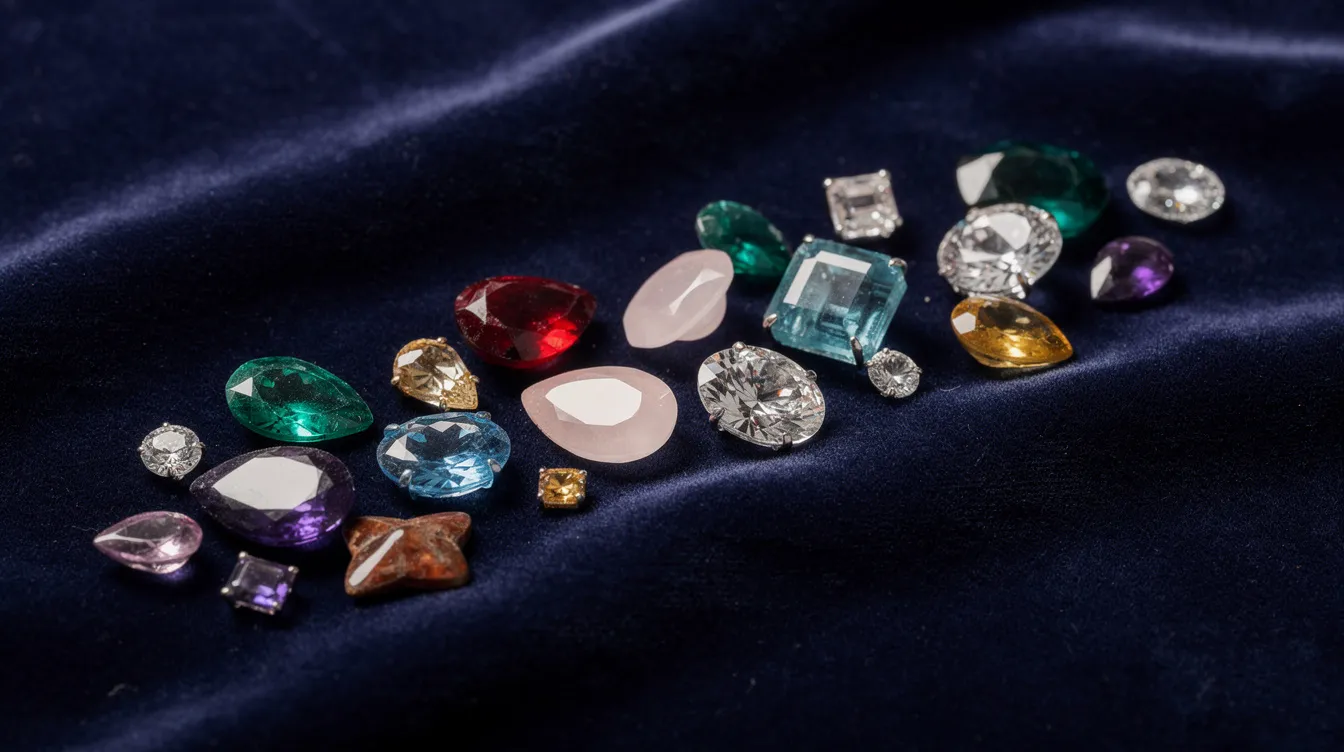
Quick Birthstone Chart by Month (Modern Stones)
Here’s a fast reference to identify your birth month stone at a glance:
|
Month |
Stone |
Typical Colour |
Key Meaning |
|---|---|---|---|
|
January |
Garnet |
Deep red |
Protection & vitality |
|
February |
Amethyst |
Purple |
Calm & clarity |
|
March |
Aquamarine |
Sea blue |
Peace & courage |
|
April |
Diamond |
Colourless |
Strength & eternal love |
|
May |
Emerald |
Green |
Growth & wisdom |
|
June |
Pearl |
White/cream |
Purity & intuition |
|
July |
Ruby |
Red |
Passion & energy |
|
August |
Peridot or Spinel |
Green or varied |
Renewal & resilience |
|
September |
Sapphire |
Blue |
Loyalty & truth |
|
October |
Opal or Tourmaline |
Multicolour |
Creativity & transformation |
|
November |
Topaz or Citrine |
Golden |
Joy & abundance |
|
December |
Turquoise, Tanzanite or Blue Topaz |
Blue tones |
Protection & spiritual growth |
|
Note that some months have multiple accepted precious gems. August peridot shares its spot with spinel, while December offers three options. The two november birthstones—topaz and citrine—give you flexibility based on preference and budget. This article focuses primarily on the most widely recognised modern birthstones. |
|
|
|
Origins and History of Birthstone Stones
The tradition of birthstones traces back to ancient times, particularly the Breastplate of Aaron described in the Book of Exodus. This sacred garment featured twelve distinct gemstones representing the twelve tribes of Israel, each believed to hold spiritual significance and power.
Over centuries, the list of twelve gemstones assigned to each month has evolved. By the Middle Ages, Europeans began associating specific stones with calendar months rather than tribal affiliations. The practice was popularised by 16th-18th century gem traders in Poland, who marketed stones by birth month to boost sales.
The garnet, commonly associated with the color red but found in many hues, was used as a signet ring in ancient Rome and was favored by nobility in the Middle Ages as a symbol of protection and status.
Emeralds were dedicated to the goddess Venus in ancient Rome and believed to symbolize love, fertility, and rebirth. Pearls, unique as the only gems formed within living creatures, were historically considered symbols of purity and were thought to be the tears of the gods.
Rubies have long been associated with royalty and power, believed to bring love, success, and physical strength to their wearers. Topaz was thought to harness the power of the sun, bringing good fortune, virtue, and protection.
In 1912, the National Association of Jewelers released the official list of modern birthstones to clear confusion about the precious gems, establishing a standard that has been refined over time. This modern list emphasises durability, commercial availability, and classic beauty, distinguishing it from traditional lists that often included stones prized for their healing properties.
Birthstones have been surrounded by myths and legends throughout history, with many cultures believing that wearing a birthstone during its associated month enhanced its protective and metaphysical abilities.
Birthstone Stones by Month: Colours, Meanings & Legends
January – Garnet The january birthstone typically displays deep colour red tones, though garnets also appear in vibrant green (demantoid), orange (hessonite), and purple variety (rhodolite). Associated with protection, safe travel, and good fortune, garnets were embedded in medieval warriors’ armour as talismans. The stone remains a symbol of friendship and trust, and many people also explore January birthstones like garnet and rose quartz for their deeper symbolic meanings.
February – Amethyst The february birthstone belongs to the quartz family, ranging from pale lilac to royal purple. It symbolises peace, clarity, and spiritual insight. European royalty prized amethyst, the February birthstone for crowns, and Leonardo da Vinci praised it for enhancing intelligence and dispelling evil thoughts. Its calming energies made it a favourite for meditation, and many guides to amethyst’s meaning and significance emphasise its role in spiritual growth.
March – Aquamarine March aquamarine displays pale blue to blue-green hues reminiscent of sea water. Ancient Greek and Roman sailors wore it for protection on voyages, believing it ensured calm seas. Aquamarines are also associated with marital happiness and superior intellect, representing courage, honest communication, and wisdom—perfect for those who value clear thinking.
April – Diamond The april birthstone needs little introduction. Diamonds score 10 on the Mohs hardness scale, displaying unmatched brilliance in typically colourless form, though yellow and fancy colours exist. Symbolising invincibility, strength, and eternal love, diamonds have become the classic choice for engagement and wedding rings worldwide. The Greeks called them “adamas”—unconquerable.
May – Emerald The may birthstone features rich green hues linked to spring and renewal. Representing growth, wisdom, and emotional balance, emeralds captivated Cleopatra in 1st century BCE Egypt, where she adorned herself with the gem for beauty rituals. Emeralds were dedicated to Venus in ancient Rome and believed to promote healing, enhance intelligence, and allow the wearer to predict the future. Inclusions called “jardin” (garden) are considered part of emerald’s natural character.
June – Pearl The three june birthstones include pearl, alexandrite, and moonstone. Pearl remains most iconic—an organic gem formed in oysters and mussels. Appearing in white, cream, pink, and black, pearls symbolize honesty, purity, wisdom, and are often associated with the divine and eternal youth. Ancient Roman and Byzantine laws reserved pearls for elite classes, underscoring their precious status, and today many people explore June birthstones like pearl, moonstone, and alexandrite through dedicated guides to June’s three birthstones.
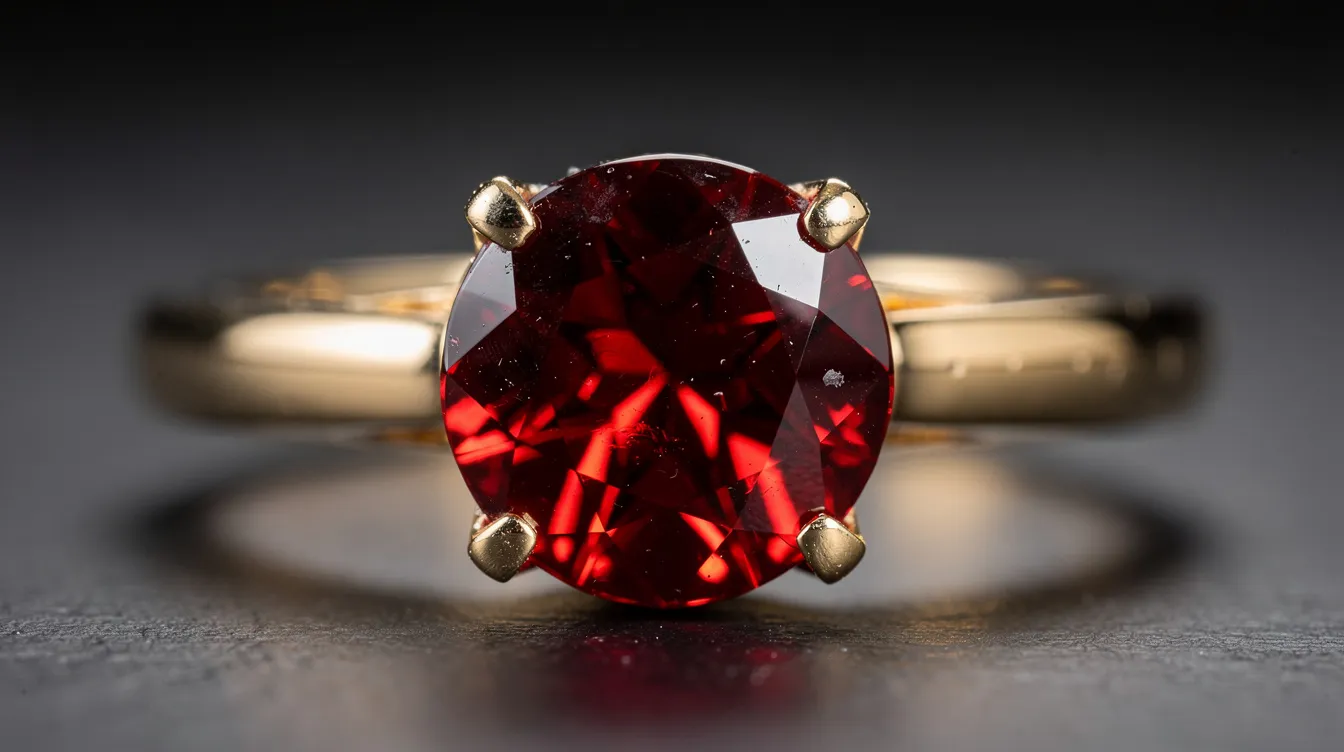
July – Ruby The july birthstone displays saturated red to slightly purplish-red tones, scoring 9 on the Mohs scale. Known in Sanskrit as “ratnaraj” (king of precious gems), ruby represents passion, courage, and life force. It adorned royal jewellery across cultures and was believed to increase the wearer’s stamina and calm anger, which is why ruby birthstone jewellery is still chosen to mark powerful, emotional milestones. Burmese rubies command the highest prices in the world.
August – Peridot / Spinel / Sardonyx The august birthstone peridot shows olive to bright lime green, nicknamed the “gem of the sun” for its golden glow. Hawaiians believed peridot to be Pele’s tears. Peridot is always green but can vary in shade and is believed to protect its wearer during the night, and many jewelers highlight August birthstone peridot jewellery as a symbol of harmony and well-being. Spinel, added in 2016, appears in red, pink, and blue—historically mistaken for ruby in crown jewels. Sardonyx is another traditional stone associated with strength and protection from nightmares. All three stones symbolize renewal and resilience.
September – Sapphire September sapphire typically appears in classic cornflower blue, though pink, yellow, and green sapphires exist. Representing loyalty, truth, and spiritual focus, sapphire holds royal significance—notably the 12-carat blue sapphire engagement ring worn by Princess Diana in 1981 and now by Catherine, Princess of Wales. September birthstone sapphire jewellery is often chosen for its association with wisdom and serenity, and many style guides to sapphire birthstone pieces emphasise its timeless elegance. Sapphires are highly durable and considered protective gemstones believed to shield wearers from harm and bad intentions.
October – Opal / Tourmaline The october birthstone opal displays rainbow play-of-colour with flashes of red, green, and blue. It symbolises creativity, magic, and emotional expression, believed to have healing properties and to inspire spontaneity. Australian opal fields discovered in the 19th century remain primary sources. Tourmaline, another October birthstone, offers a versatile alternative, spanning every colour for those seeking transformation symbolism, and is often paired with opal in October birthstone necklaces featuring marigold motifs.
November – Topaz / Citrine November birthstones include golden imperial topaz and affordably priced citrine in warm yellows to honey-orange tones. Topaz, a key November birthstone, was believed to harness the power of the sun and bring good fortune, virtue, and protection. Citrine, November’s golden gemstone, channels joy, abundance, and creativity, making both stones excellent for gift giving, and many jewellery guides share November birthstone ideas featuring topaz and citrine as well as additional inspiration for November birthstone jewellery.
December – Turquoise / Tanzanite / Zircon The december birthstone options include opaque turquoise, a classic December gemstone, in blue-green shades, prized since ancient Egyptian and Persian times as protective amulets symbolizing success and protection. Tanzanite, discovered in Tanzania in 1967, displays violet-blue hues associated with spiritual awakening and is available in large sizes. Zircon is another December stone linked to good fortune and protection, and many people compare December birthstones like tanzanite, turquoise, zircon, and blue topaz when choosing jewellery. Guides to December birthstones such as blue topaz, tanzanite, and turquoise can also help you understand their unique symbolism.
Traditional vs Modern Stone Birthstone Lists
Multiple birthstone systems exist today. Traditional lists, rooted in 16th-18th century customs and regional availability, differ from modern standardised versions designed for today’s jewellery market.
Notable differences include March’s historical bloodstone (green jasper with red flecks) versus modern aquamarine, and August’s ancient sardonyx versus contemporary peridot and spinel. Traditional stones often carried specific healing property beliefs that modern lists don’t emphasise.
Why do some months have multiple accepted stones? Organisations expanded lists to include more affordable or durable options and acknowledge new discoveries. Tanzanite only entered December’s roster in 2002 after its 1967 discovery; spinel gained August recognition in 2016 after gemologists distinguished it from ruby.
Choose traditional stones if you value heritage and historical authenticity. Select modern options for durability in everyday wear, budget flexibility, or simply because a particular gem resonates with your style. Your birth month stone should reflect your personality and practical needs.
Choosing a Stone Birthstone for Jewellery & Gifts
Beyond symbolism, durability matters when selecting birthstone jewellery. The Mohs hardness scale measures scratch resistance: diamonds rate 10, sapphire and ruby score 9, while garnet ranges 6.5-7.5. Opal (5.5-6.5) and pearl (2.5-4.5) require more careful handling.
Practical recommendations:
-
Everyday rings: Diamond, sapphire, ruby—hard enough to withstand daily wear
-
Pendants and earrings: Opal, pearl, tanzanite—protected from bumps and scratches
-
Bracelets: Topaz, amethyst, aquamarine—good balance of beauty and durability
Consider metal colour pairing: emerald glows in yellow gold, while aquamarine shines in white metals. Rose gold complements garnets and pink tourmaline beautifully.
Gift ideas:
-
Solitaire rings for milestone birthdays
-
Cluster rings mixing family birthstones for mothers
-
Engraved pendants with dates for anniversaries
-
Stacking bracelets featuring multiple loved ones’ birth months
Combining birthstones creates deeply personalised “family stone” pieces—perfect for celebrating connections. Birthstone gifts are ideal for every occasion, offering a personal and meaningful touch.
Care and Cleaning Tips for Birthstone Stones
Proper care preserves colour, lustre, and integrity across years of wear.
General cleaning (hard stones):
-
Garnet, amethyst, aquamarine, diamond, sapphire, ruby, topaz
-
Use lukewarm water, mild soap, and soft brush
-
Rinse thoroughly and dry with lint-free cloth
Special care for delicate stones:
|
Stone |
Care Requirements |
|---|---|
|
Pearl |
Wipe with soft cloth after each wear; avoid perfumes and hairspray |
|
Opal |
Avoid temperature changes; store away from dry conditions |
|
Turquoise |
Keep from strong detergents and prolonged sun exposure |
|
Tanzanite |
No ultrasonic cleaners; handle gently |
|
Storage tips: |
|
-
Use separate compartments or soft pouches
-
Prevent harder stones like diamonds from scratching softer gems
-
Keep pearls in breathable containers, not airtight plastic
Schedule periodic professional inspections for ring settings and prongs, especially on pieces worn daily. This simple maintenance ensures your birthstone jewellery remains the perfect gem for generations.
Whether you’re selecting a stone birthstone for yourself or choosing a meaningful gift for someone special, understanding each gem’s history and symbolism transforms ordinary jewellery into something truly personal. Start exploring birthstone pieces that speak to your story—and wear your birth month with intention.
Frequently Asked Questions about Stone Birthstones
What is the origin of the modern birthstone list?
The modern list of birthstones was established in 1912 by the National Retail Jewelers Association to standardize the stones associated with each month and reduce confusion in the jewelry industry. This list has since been refined to include new stones like tanzanite and spinel.
What does the April birthstone diamond symbolize?
Diamond, April's birthstone, symbolizes innocence, love, and strength. It is renowned as the hardest natural material, scoring a 10 on the Mohs hardness scale, which makes it exceptionally durable and ideal for everyday wear, especially in engagement and wedding rings.
Are garnets always red?
While garnet is commonly associated with the color red, it can actually be found in almost any color, including green, orange, and purple varieties. This diversity makes garnet a versatile and popular choice for birthstone jewelry.
What is special about amethyst?
Amethyst is a crystalline quartz that ranges in color from pale lilac to deep reddish purple. Historically, it was prized by royalty and believed to promote clarity of mind, spiritual insight, and calmness.
Why are emeralds so highly valued?
Emeralds are synonymous with the color green and are known for their breathtaking appearance. They symbolize growth, wisdom, and emotional balance. Their natural inclusions, called "jardin," add to their unique character and charm.
Are pearls natural gemstones?
Yes, pearls are unique as the only gems formed within living creatures, such as oysters and mussels. Most pearls on the market today are cultivated, meaning they are farmed under controlled conditions, which allows for consistent quality.
What makes rubies a popular birthstone?
Rubies are known for their vibrant red color and exceptional durability, ranking 9 on the Mohs hardness scale. They symbolize passion, courage, and vitality, making them a cherished choice for July birthstone jewelry.
Do sapphires only come in blue?
Although sapphires are most famously known for their classic blue hues, they actually come in a wide range of colors, including pink, yellow, green, and even colorless. Their excellent durability makes them suitable for various types of jewelry.
What are the qualities of citrine as a birthstone?
Citrine is a yellow to red-orange variety of crystalline quartz known for its durability. It is associated with healing and happiness and is believed to bring relief from stress and discomfort, making it a meaningful and beautiful choice for November birthstone jewelry.
Leave a comment