

Introduction to Real Emerald Jewellery
Real emerald jewellery represents the pinnacle of luxury and sophistication, steeped in a rich history and cultural significance that spans centuries. These exquisite gemstones captivate with their vivid green tones and unique internal characteristics, making each piece truly one-of-a-kind. The allure of real emeralds lies not only in their rarity but also in the natural inclusions—often referred to as "jardin" or garden—that add depth and character to every stone. Whether set in yellow gold, platinum, or other precious metals, emerald jewellery offers timeless beauty and elegance. From elegant necklaces to stunning emerald rings, there is a perfect emerald piece to suit every style and preference.
Emeralds have been treasured by various cultures throughout history, from Cleopatra's Egypt to the Mughal Empire, symbolizing love, rebirth, and renewal. Their lore is deeply connected to new beginnings and the vibrant green hues of spring, making them a meaningful choice for engagement or anniversary rings. This guide is designed for anyone interested in purchasing, collecting, or learning about real emerald jewelry, whether you are a first-time buyer or a seasoned enthusiast.
Understanding the Quality of Natural Emeralds
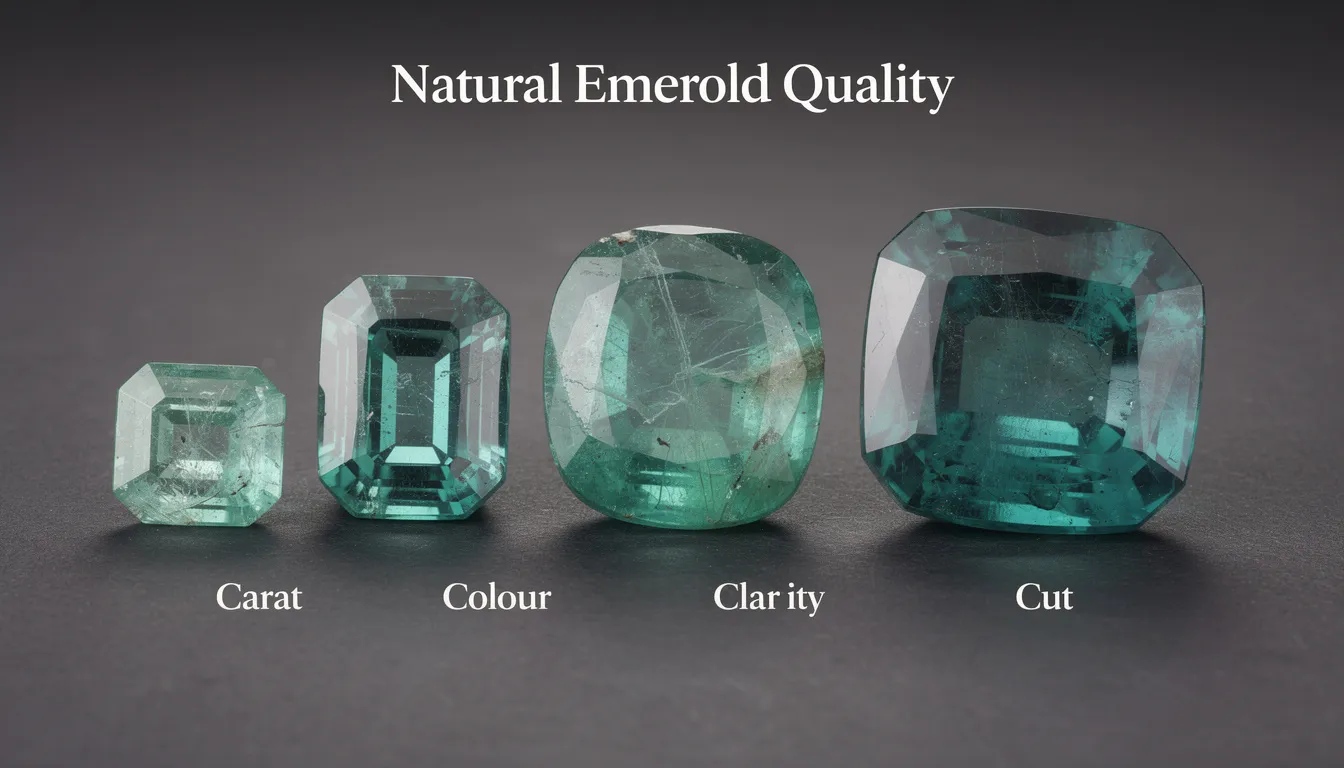
The quality of a natural emerald gemstone is assessed through the modified Four Cs: carat, colour, clarity, and cut. Among these, the most crucial attribute is the stone’s colour, which ranges from bluish-green to intense, vivid green hues. This vibrant green is produced by trace elements such as chromium, vanadium, and iron within the mineral beryl. The varying presence of these elements creates a range of green tones, with emeralds that range from a vivid bluish green to pure green considered the best quality.
Clarity is also important, but most natural emeralds feature visible inclusions that are accepted as part of their natural beauty and authenticity. These inclusions, known as "jardin", are moss-like clusters that affect the clarity of the stone. These inclusions, often visible to the naked eye, form unique patterns resembling a garden, which is why they are affectionately called "jardin." Authentic emerald stones may also contain "three-phase inclusions," consisting of a liquid, a gas bubble, and a solid crystal, which are key indicators of natural origin.
When evaluating emerald quality, it is essential to be aware of common imitations. Fake emeralds often have uniform colour and bubble-like inclusions that differ from the natural jardin patterns. Synthetic emeralds, while chemically identical to natural emeralds, often differ in appearance under magnification and may lack the characteristic inclusions. Real emeralds typically produce little to no "fire" (rainbow-colored flashes) under light, unlike some synthetic or imitation stones.
Using a 10x jeweler's loupe is a valuable tool to detect characteristic inclusions or gas bubbles that might indicate glass or synthetic materials. Additionally, emeralds exhibit dichroism, meaning they show different colours when viewed from different angles, which is another sign of authenticity.
Emerald Jewellery Settings and Yellow Gold
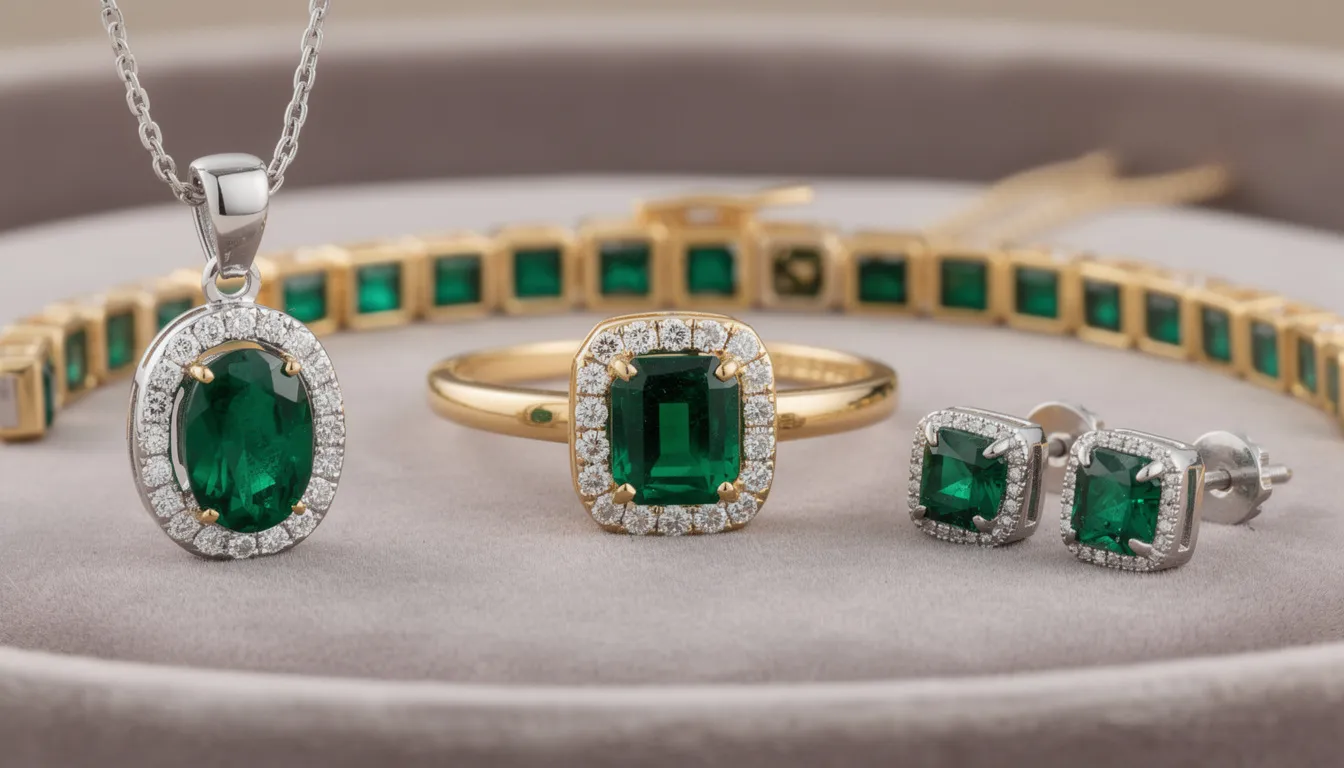
Emerald jewellery can be beautifully set in a variety of metals, including yellow gold, white gold, and platinum. Yellow gold is especially favored for its warm tones, which complement and enhance the lush green hues of emeralds, creating a classic and luxurious look. Platinum and white gold, on the other hand, provide a sleek and modern backdrop that highlights the vivid green tones of the stone. Emeralds are often paired with diamonds, sapphires, and rubies in intricate settings such as halo rings, earrings, and pendants, adding brilliance and contrast to the overall design. When selecting a setting, consider how it showcases the emerald’s natural beauty and the craftsmanship involved, as well as the quality of the accompanying metals and gemstones.
Emerald Ring Designs Featuring Real Emeralds
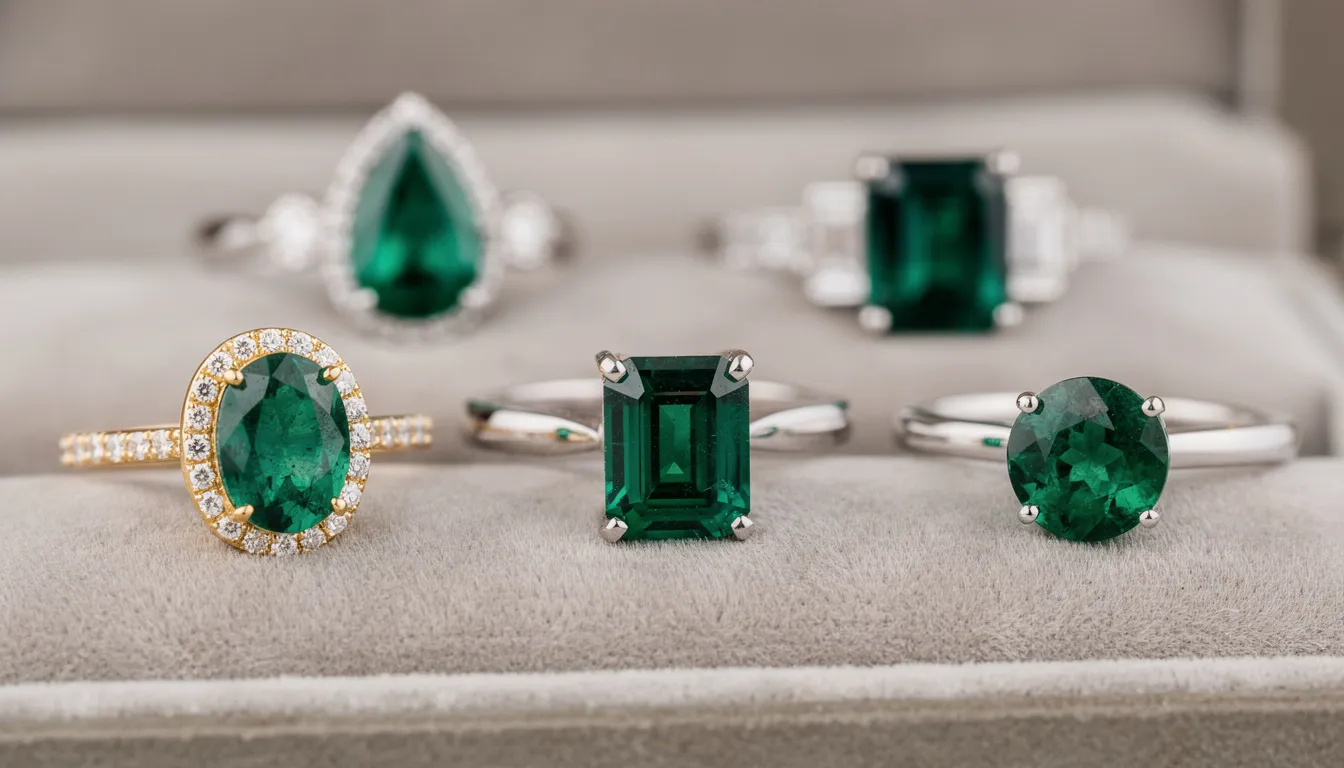
Emerald rings remain a popular and meaningful choice for engagement and special occasion jewellery. They come in a wide range of designs, from classic solitaire rings that emphasize the stone’s vibrant green colour to elaborate creations featuring multiple gemstones in various cuts. The iconic emerald cut, a rectangular step-cut with large facets, is designed to showcase the stone’s clarity and colour, perfectly suited to the emerald's natural six-sided prism formation. However, emeralds are also beautifully fashioned into oval, round, pear, and other shapes.
Emeralds are increasingly popular for engagement rings, representing a personalized and non-traditional choice that stands out for its unique colour and symbolism. When choosing an emerald ring, it is important to consider not only the quality of the stone but also the craftsmanship of the setting and the overall aesthetic appeal. Emerald rings symbolize love, commitment, and timeless beauty, making them a treasured addition to any jewellery collection.
Building a Personalized Emerald Collection
Creating a personalized emerald jewellery collection is a rewarding journey that allows you to express your unique style and appreciation for this remarkable gem. Start with a statement piece, such as an emerald necklace or a pair of earrings, which can serve as the focal point of your collection. From there, add complementary items like rings, pendants, and bracelets to build a cohesive and versatile assortment. Pairing emeralds with other gemstones such as diamonds and sapphires can create stunning contrasts and enhance the overall appeal of your collection. When curating your pieces, consider the style, theme, and quality of each item to ensure a harmonious and elegant collection that reflects your personal taste and sophistication.
The Significance of Green Hues in Emerald Jewellery
Colour is the defining characteristic of emerald jewellery, with vivid green hues being the most prized and valuable. The presence of chromium, vanadium, and iron within the beryl mineral produces a range of green tones, from bluish-green to deep, intense green. Each shade offers its own unique beauty and character, making emeralds versatile and captivating stones. The colour of an emerald can also appear differently depending on the lighting and surrounding environment, sometimes appearing more vibrant or subdued. When selecting emerald jewellery, consider how the stone’s colour complements your skin tone and personal style, as well as how it will look in various settings and occasions.
Jewellery Care and Maintenance for Real Emeralds
Proper care and maintenance are essential to preserve the beauty and longevity of real emerald jewellery. Emeralds are softer than diamonds and sapphires, ranking 7.5 to 8 on the Mohs hardness scale, so they require gentle handling. Avoid exposing them to harsh chemicals, extreme temperatures, or ultrasonic cleaners, which can damage the stone or its setting. Clean emerald jewellery regularly with mild soap and lukewarm water using a soft cloth or brush. Store your emerald pieces separately from other jewellery to prevent scratches and consider using a soft pouch or lined box for added protection. Regular professional inspections can help maintain the integrity of the setting and ensure the stone remains secure.
Investing in Luxury Emerald Jewellery
Luxury emerald jewellery is not only a stunning adornment but also a wise investment. High-quality emeralds, especially those with vivid green tones and minimal inclusions, tend to appreciate in value over time. When investing, consider the overall craftsmanship, rarity, and provenance of the piece, as well as the stone’s quality and treatment status. Emeralds are considered one of the 'big four' precious gemstones alongside diamonds, rubies, and sapphires, making them a desirable addition to any luxury jewellery collection. Whether purchasing for personal enjoyment or as a long-term asset, luxury emerald jewellery embodies sophistication, elegance, and enduring value.
Frequently Asked Questions About Real Emerald Jewellery
What makes a real emerald different from other green gemstones?
Real emeralds are natural beryl gemstones coloured by traces of chromium, vanadium, and iron, which give them their distinctive vivid green hues. Unlike other green stones, real emeralds often have unique inclusions known as "jardin," which are natural internal features that add character and authenticity. They also exhibit dichroism, showing different colours when viewed from different angles.
How can I tell if an emerald is natural or synthetic?
Natural emeralds typically have visible inclusions and colour zoning when viewed under magnification. Genuine emeralds exhibit distinct color zoning, meaning their green hue is not perfectly uniform. Synthetic emeralds often appear too perfect or uniform. Synthetic stones are chemically identical but differ in appearance under magnification. Using a 10x jeweler's loupe helps detect characteristic inclusions or gas bubbles that indicate glass or synthetic materials. Professional certification from a reputable gemological lab is the best way to confirm authenticity.
Are emeralds durable enough for everyday wear?
Emeralds rank 7.5 to 8 on the Mohs hardness scale, making them softer than diamonds and sapphires. They require careful handling and protective settings, especially for rings worn daily, to avoid scratches or damage.
Why do many emeralds have visible inclusions?
Inclusions, or "jardin," are natural features formed during the emerald's creation deep within the earth. These inclusions are accepted as part of the stone's natural beauty and are a sign of authenticity. Authentic emeralds may also contain "three-phase inclusions," which further confirm their natural origin.
How should I care for my emerald jewellery?
Clean your emerald jewellery gently with mild soap and water, avoid harsh chemicals and ultrasonic cleaners, and store pieces separately to prevent scratches. Regular professional check-ups can help maintain settings and stone integrity.
What metals best complement emerald jewellery?
Yellow gold enhances the warm green tones of emeralds, while white gold and platinum highlight their vivid, cool green hues. The choice depends on personal style and the desired look.
Can emeralds be treated to improve their appearance?
Yes, many natural emeralds are treated with oils or resins to enhance clarity. This is a standard industry practice but should always be disclosed by reputable sellers.
What is the significance of emeralds as a birthstone?
Emeralds are the birthstone for May and symbolize renewal, hope, and new beginnings, reflecting the vibrant green hues of spring—qualities increasingly celebrated in modern birthstone jewellery.
Where do the finest emeralds come from?
Colombia is renowned for producing the highest quality emeralds, but fine stones also come from Brazil, Zambia, Pakistan, and Afghanistan.
How can I build a cohesive emerald jewellery collection?\
Start with statement pieces like an emerald ring or necklace and complement with smaller items such as earrings and pendants. Consider coordinating metals and styles for a unified look.
Leave a comment