

Citrine glows with the warmth of captured sunlight, making it one of the most sought-after crystals for those looking to invite more abundance, confidence, and genuine joy into their lives. This golden yellow stone has earned its reputation as a powerhouse for manifestation and mood elevation.
Known widely as the merchant’s stone, citrine is best understood as a crystal that supports money-related goals, strengthens self-belief, and helps clear away the mental fog that holds people back. Its primary connection to the solar plexus chakra makes it a natural fit for anyone working on personal power and willpower.
Core benefits at a glance:
-
Attracts prosperity and supports financial goals
-
Clears negativity and promotes a flow of positive energy
-
Sparks creativity and fresh inspiration
-
Supports mental clarity and confident decision making
Key Themes & Energy Style of Citrine
Think of citrine’s energy like warm morning sunlight streaming through a window—it energizes, uplifts, and helps you feel ready to take on the day. This stone carries a distinctly forward-moving vibration that practitioners describe as active and outward-focused.
Main energetic themes include:
-
Abundance and manifestation
-
Optimism and promoting joy
-
Creativity and new beginnings
-
Personal power and self-worth
Citrine is considered a yang crystal, meaning it emphasizes action, projection, and turning ideas into tangible results. Its golden yellow color symbolizes success, generosity, and a gratitude mindset. Similar to other healing crystals and gems for wellness and energy balance, citrine is believed to transmute negative energy into positive vibrations rather than absorbing it, which sets it apart from many other stones and can complement powerful crystals for trust and healing in emotional work.
Citrine is known to stimulate creativity and inspiration, making it a favored stone among artists and innovators. Entrepreneurs, creatives, students, and anyone rebuilding after setbacks tend to resonate strongly with this gemstone.
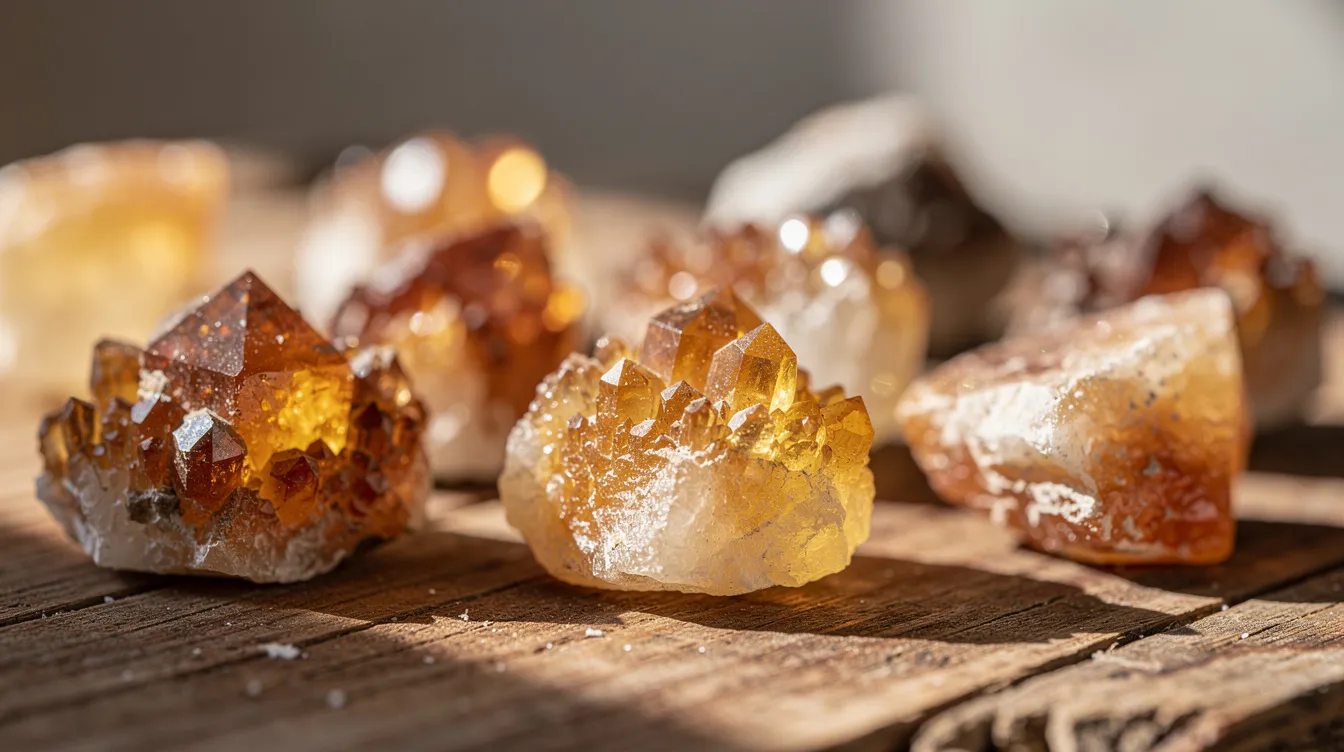
How Citrine Can Help You (Emotionally, Spiritually & Physically)
This section covers practical benefits you might notice when working with citrine in your everyday life. The healing properties span emotional, mental, and spiritual dimensions.
For emotional balance: Citrine is considered a positive stone that promotes joy and optimism while eliminating negative energies. It can help lift low moods, counter self-doubt, and reduce fear of failure. This stone is believed to boost self-confidence, willpower, courage, and motivation, helping to reduce stress, anxiety, and depression. Citrine is said to help release anger and fears, replacing them with joy and enthusiasm, much like other healing crystals and gems for wellness and energy balance.
For mental focus: The energizing properties of citrine can help channel chaotic energy into constructive forms, enhancing creative flow and clarity of thought. Citrine is said to stimulate mental clarity and decision making, helping individuals overcome self-doubt and move forward with confidence. This makes it valuable for work, study, or any situation requiring sustained attention.
For spiritual growth: In manifestation work, citrine supports intention-setting and cultivating trust in your path. Many users report feeling “charged up” with increased vitality and motivation.
Important note: Crystals are supportive tools, not substitutes for medical care. Experiences vary based on personal resonance.
What Is Citrine? (Geology, Origins & Types)
Citrine is a type of quartz with a chemical composition of silicon dioxide (SiO₂) and contains traces of iron that give it its yellow to golden-brown color. It belongs to the same quartz family as amethyst, smoky quartz, and rose quartz.
Citrine has a hardness of 7 on the Mohs scale, making it fairly resistant to scratches, although it can still chip or break easily. This durability makes it excellent for jewelry and daily wear.
Citrine is known for its vibrant color range, which can vary from pale yellow to deep amber tones, depending on the amount of iron present in its structure. The vitreous, glassy shine characteristic of quartz gives citrine its appealing luster.
Here’s what many buyers don’t realize: naturally occurring citrine is relatively rare. Most citrine available on the market is heat treated amethyst, which changes its color from purple to the characteristic yellow of citrine. Some estimates suggest over 90% of commercial citrine stones are heat treated.
|
Type |
Color |
Notes |
|---|---|---|
|
Natural citrine |
Pale yellow to smoky yellow |
Rarer, often earthy tones |
|
Heat treated citrine |
Bright orange or burnt amber |
More common, vivid color |
Where Citrine Comes From (Major Sources)
Citrine is mined worldwide, though certain regions produce particularly notable specimens. The origin can influence color intensity and market value, though the energetic properties remain consistent regardless of source.
Citrine is primarily found in Brazil, Madagascar, Russia, and the United States, with Brazil being the leading producer of high-quality citrine. The Rio Grande do Sul region in southern Brazil yields specimens across a full spectrum from pale lemon to deep golden yellow. Minas Gerais is famous for museum-quality crystals.
Madagascar has emerged since the early 2000s as an important source, supplying vivid golden to orange stones with excellent clarity. Bolivia produces ametrine-bearing citrine deposits from the Anahí mine. Additional sources include Zambia, Russia’s Ural Mountains, Spain, and several locations in the USA.
Citrine often occurs alongside or transforms from amethyst and smoky quartz in the same deposits, reflecting the natural continuum within the quartz family under varying temperature conditions.
Citrine Meaning in History & Culture
Citrine has carried associations with luck, protection, and prosperity for centuries, spanning multiple civilizations and cultural traditions.
Citrine was used and cherished by ancient civilizations for its sunlight-like color, with the Greeks using it as early as the first century B.C. to create engraved gems and jewelry. In ancient Greece, citrine was considered a good-luck charm, able to ward off the evil eye and protect against reptiles, and was worn as a talisman or amulet in jewelry. Romans similarly valued citrine, associating it with Mercury, the messenger god of commerce. The name itself derives from the French word for lemon, “citron.”
During medieval and Renaissance periods, citrine served merchants as protective talismans. During the Renaissance, merchants kept citrine in their cash boxes, believing it would attract wealth and ward off bad business. This practice established citrine’s enduring reputation as a stone for financial fortune.
By the 18th century, Brazil’s citrine deposits fueled European demand. In the 19th century, citrine adorned the combs and tiaras of high society ladies, reflecting its popularity and status as a luxury item. The Art Deco period of the 1920s-1930s saw citrine featured in designs by prestigious jewelry houses.
Modern symbolism positions citrine as a symbol of entrepreneurship, self-made success, and sunny self-expression.
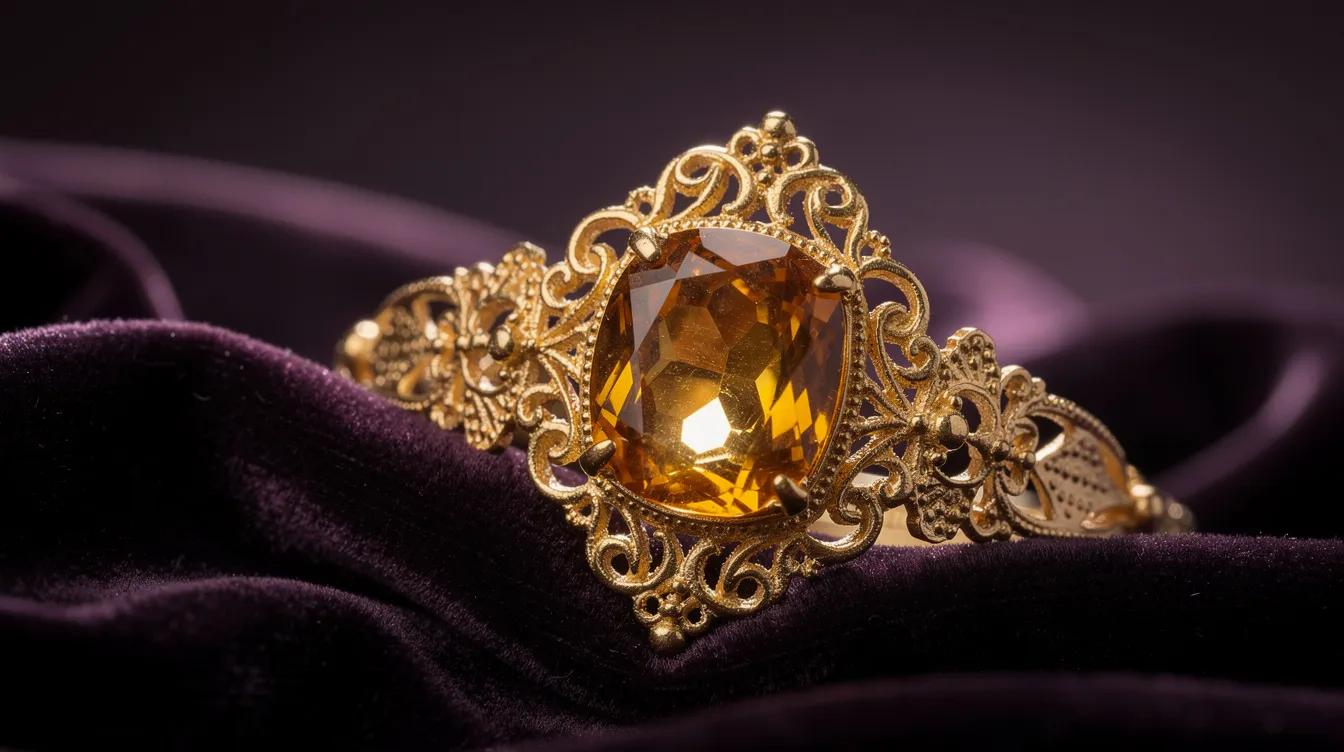
Metaphysical Properties & Crystal Meanings of Citrine
Citrine holds a reputation as a powerhouse for abundance and self-confidence in crystal healing communities. Its metaphysical properties center on several interconnected themes.
Abundance and prosperity: Citrine is often referred to as the merchant’s stone because it is believed to attract wealth and prosperity, making it a popular choice for those seeking financial success. Historically, citrine has been used by merchants and business owners who believed it would bring them good fortune and success in their ventures. Practitioners commonly place citrine near cash registers, wallets, or financial documents.
Manifestation: Citrine is commonly used in meditation to visualize and amplify intentions related to wealth and creativity. It helps maintain motivation over extended periods while focusing on specific goals. Citrine is believed to promote success in business and investment, encouraging generosity while accumulating wealth, which enhances its reputation as a stone of abundance.
Joy and positivity: Citrine is known for its ability to dissipate negative energies and promote a flow of positive energy, enhancing optimism and joie de vivre. It supports gratitude practices and clears energetic clouds from the emotional body.
Self-worth and courage: This yellow stone can help with imposter syndrome, speaking up in professional settings, and claiming your space with confidence.
Creativity: Citrine is often used in meditation practices to enhance personal power and creativity, helping individuals to manifest their ideas and aspirations, especially when incorporated into energy bracelets made with healing gemstones that can be worn throughout the day.
Experiences remain personal—not everyone feels the same effects. Notice how you respond when working with citrine over time.
Citrine and the Chakras & Zodiac
Citrine connects primarily with specific energy centers and astrological associations that inform how practitioners work with it.
Solar Plexus Chakra (Primary): Citrine is primarily associated with the Solar Plexus Chakra, which is located just above the navel and is the center of personal power and confidence. By stimulating the Solar Plexus Chakra, citrine is believed to enhance self esteem, willpower, and personal transformation. Placing citrine on this area during meditation can support enhancing personal power, courage, and clear decision making.
Sacral Chakra (Secondary): Citrine is also linked to the Sacral Chakra, which governs creativity and emotional flow, allowing individuals to embrace life’s joys. Deeper golden-orange specimens particularly resonate with this center, supporting pleasure and sensuality. Some practitioners also note connections to the root chakra for grounding abundance into physical reality.
Zodiac associations: Citrine resonates with several zodiac signs, and many people channel this connection into November birthstone jewellery ideas featuring topaz and citrine for personalised gifts and self-expression:
-
Leo (self-expression, visibility)
-
Sagittarius (expansion, optimism)
-
Gemini (clarity, communication)
-
Scorpio (as a November birthstone)
Anyone can work with citrine regardless of their sign. Astrological recommendations offer guidance, not strict rules. Personal will and intention matter more than chart placements.
How to Use Citrine in Daily Life
These practical methods help integrate citrine’s energy into your routines without requiring elaborate rituals.
Meditation: Hold a citrine crystal or place citrine on your solar plexus while lying down. Visualize golden light filling your body, expanding outward with each breath. This practice supports personal power and clarity.
Home and workspace: It is commonly placed in the wealth corner of a home to attract financial prosperity. In feng shui, this corresponds to the back-left corner from your main entrance. Placing citrine near front doors welcomes opportunity, while desk placement supports focus and career momentum.
Crystal grids: Combine citrine with green aventurine, pyrite, or clear quartz to amplify manifestation intentions. Grid layouts can be simple—a central citrine surrounded by supporting stones works effectively.
Money rituals: Keep a small citrine in your wallet, cash drawer, or near your computer where you handle online banking. Treat it as a symbolic prosperity magnet rather than expecting instant results.
Personal development: Journal your goals while holding citrine to anchor intentions. Review progress regularly, using the stone’s energy as a reminder of your commitments.
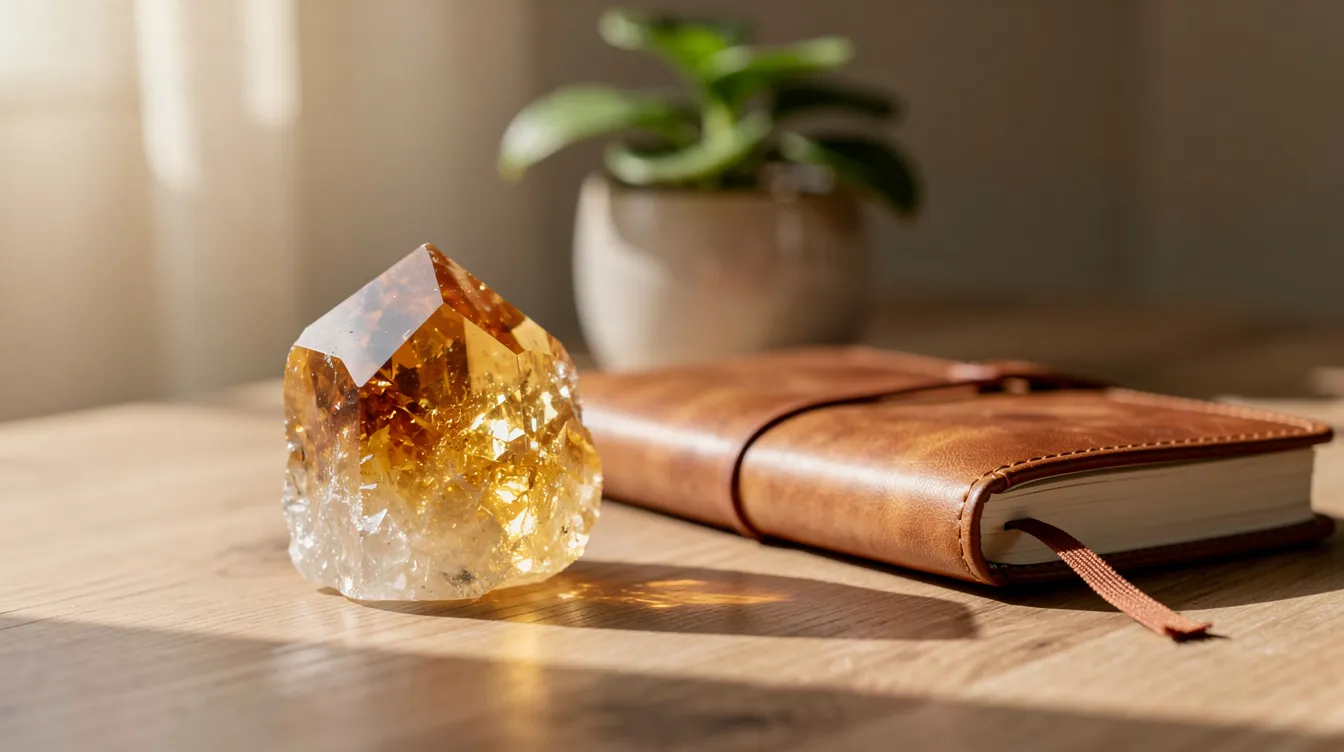
Wearing Citrine (Jewelry, Fingers & Hands)
Citrine is often worn as jewelry to maintain its positive energy in contact with the skin throughout the day, and many people choose November birthstone topaz and citrine jewellery ideas for meaningful gifts and personal talismans. This sustained contact keeps the stone’s energy integrated with your personal aura.
Jewelry types: Rings, pendants, bracelets, earrings, and pocket stones all work well. Dedicated November birthstone citrine gemstone jewellery collections showcase how versatile this stone can be in everyday pieces. Skin contact helps but isn’t mandatory—even stones worn over clothing offer benefits.
Finger placement for rings:
|
Finger |
Symbolism |
|---|---|
|
Index finger |
Ambition, leadership, planet Jupiter energy |
|
Ring finger |
Prosperity, partnership, commitment |
|
Hand choice: Wear citrine on your dominant hand for projecting energy outward toward career goals and external achievements. Choose your non-dominant hand for receiving, inner growth, and personal development work. |
|
Style considerations: Gold settings and warm-toned metals emphasize citrine’s sunny vibration. Pairing with complementary earth tones creates cohesive looks.
If symbolic placement doesn’t resonate, trust your intuition. Where the stone feels most empowering is usually the right choice for you.
Caring for, Cleansing & Charging Citrine
Regular care keeps citrine bright both physically and energetically. Though citrine reportedly transmutes rather than absorbs negative energies, periodic maintenance supports optimal function.
Physical cleaning: Use lukewarm water, mild soap, and a soft cloth or soft brush. Avoid harsh chemicals and ultrasonic cleaners for pieces with delicate settings. Citrine can be rinsed under running water to cleanse it—brief water contact is safe for quartz, though long soaks aren’t necessary.
Sunlight caution: While citrine connects with solar energy, prolonged exposure to direct sunlight can fade its color, especially heat treated stones. Limit sun charging to brief morning or late-afternoon natural light sessions.
Alternative cleansing methods:
-
Smoke cleansing with sage or palo santo
-
Citrine can be cleansed using sound vibrations from a singing bowl or tuning fork by passing the stone through the sound waves
-
Using a selenite plate to cleanse and charge citrine involves placing the stone on the selenite surface for a couple of hours
Charging: To recharge citrine, place it under the moonlight, especially during a full moon, to infuse it with purifying energies. You can also place it on a quartz cluster or in a dish of natural salt indirectly. Some practitioners bury citrine in soil overnight using a protective cloth bag to reconnect with earth energy.
Natural vs. Heat-Treated Citrine
Understanding the distinction between natural and treated citrine helps inform purchasing decisions, though both types serve energetic purposes.
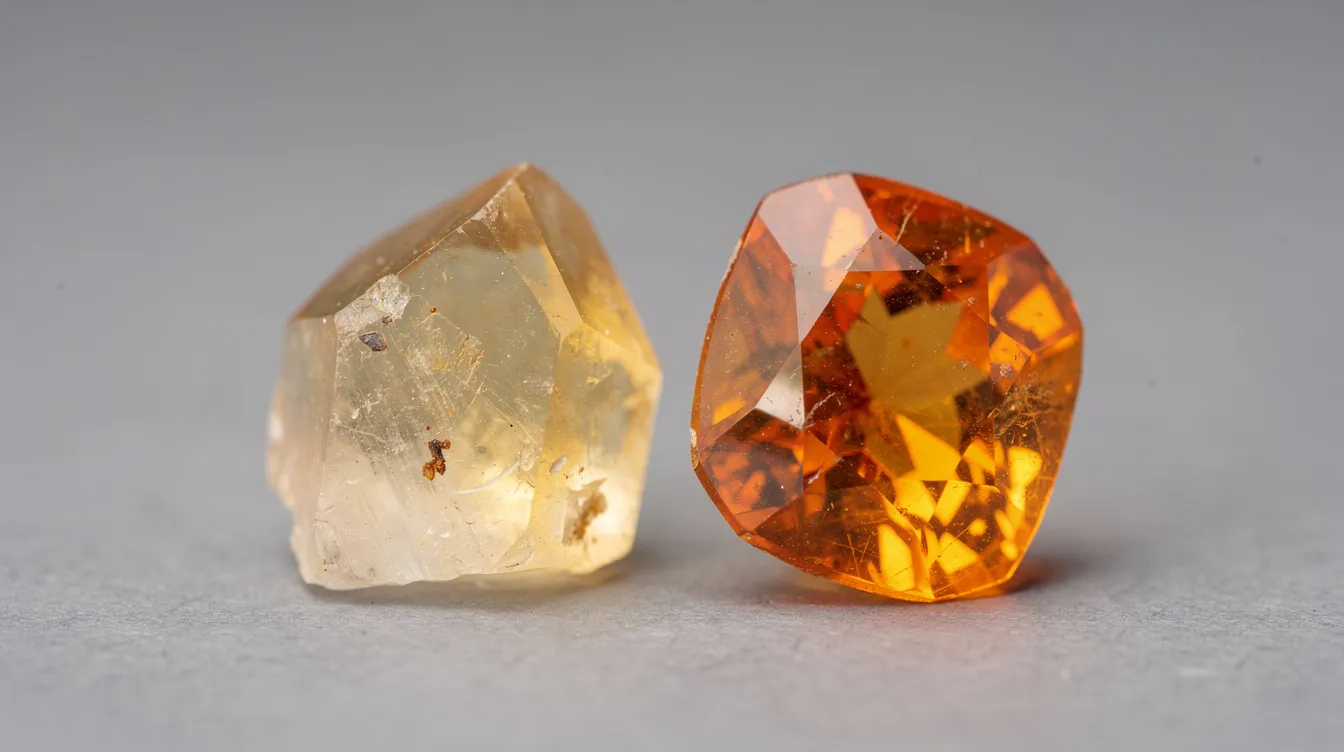
Natural citrine forms through slow geothermal processes where iron impurities oxidize under specific conditions within the earth. This process takes thousands of years. Natural citrine is typically pale yellow to smoky yellow, whereas heat-treated citrine appears bright orange or burnt amber.
Commercial heat treatment applies high temperatures (around 400-500°C) to purple amethyst or smoky quartz, accelerating the color change artificially. Most citrine on the market undergoes this process.
Visual identification tips:
-
Heat treated stones often show white or pale bases with darker orange-brown tips
-
Natural specimens tend toward uniform, subtler coloration
-
Deep, vivid orange usually indicates treatment
Energetic perspective: Many practitioners work happily with both types. Intention and personal resonance matter more than origin for most crystal healing applications. The stone’s energy responds to your focused attention regardless of how its color developed.
Buying tips: Ask sellers for disclosure about treatment status. Choose reputable sources. Select the piece that feels right rather than focusing exclusively on whether it’s natural or treated. Natural citrine commands higher prices ($10-50+ per carat versus $1-10 for treated gems).
Pairing Citrine with Other Crystals
Combining citrine with other stones creates complementary energy blends tailored to specific intentions.
For money and career: Pair citrine with pyrite, green aventurine, or tiger’s eye for grounded, practical abundance work. These combinations support tangible financial goals.
For confidence and visibility: Combine citrine with carnelian or sunstone to support charisma, public speaking, and comfortable self-expression.
For emotional well being: Citrine with rose quartz or amethyst softens self-criticism and supports self-love alongside abundance goals. This balances yang citrine energy with gentler vibrations.
Some practitioners avoid pairing citrine with heavy grounding stones like black obsidian or hematite when seeking uplifting energy, though this remains preference-based. Experimentation reveals what works for your specific needs. Observe how different combinations affect your mood and focus over several days before settling on preferred pairings.
Astrology, Birthstones & Symbolism
Citrine’s meanings connect to timing, astrological signs, and life milestones in several traditions.
Birthstone status: Citrine serves as a modern birthstone for November, often paired with yellow topaz as an alternative, and many people explore the best stones for November birthstones and their significance when choosing meaningful jewellery. December-born loved ones might instead resonate with December birthstone options like tanzanite, turquoise, zircon, and blue topaz. It’s traditionally gifted for 13th or 17th wedding anniversaries depending on regional customs.
Planetary links: Citrine associates with planet Jupiter, representing abundance, expansion, and wisdom. Some traditions also connect it with the Sun for vitality and visibility. Vedic astrology occasionally substitutes citrine for yellow sapphire under professional guidance for prosperity rituals.
Zodiac support: Sagittarians may find citrine enhances their natural optimism and growth orientation. Leos can amplify self-expression and confidence. However, any zodiac sign seeking more positive energy and abundance can benefit from working with this powerful tool.
Choosing Your Citrine & Final Thoughts
Selecting citrine works best when you combine practical considerations with intuitive response. Notice which color appeals—pale lemon, honey golden yellow, or deeper amber. Consider shape: points direct energy, clusters amplify it, and tumbled stones fit pockets easily.
Match your choice to lifestyle needs. Durable settings suit rings worn daily. Smaller gems work for pocket carries. Larger pieces anchor home altars or desks effectively. Budget matters too—heat treated citrine offers accessibility while confirmed natural citrine and high-clarity gems cost more for collectors.
When you bring citrine home, set a clear intention. Name a specific financial goal, a confidence focus, or a creativity project. This activates the stone’s supportive properties toward your aims.
Citrine stands as a steady ally for anyone seeking more abundance, self belief, and brightness. It won’t produce instant magic—no crystal does. What it offers is consistent, supportive energy that compounds over time when you engage with it regularly. Place citrine where you’ll see it daily. Hold it during goal-setting sessions. Let its golden warmth remind you that you’re capable of creating the success you envision.
The real power was always yours. Citrine simply helps you remember it.
Frequently Asked Questions About Citrine
What is the meaning of citrine?
Citrine symbolizes abundance, positivity, and personal power. It is often called the merchant’s stone due to its strong association with attracting wealth and prosperity. Its warm, golden hues are said to bring joy, optimism, and mental clarity, helping users overcome self-doubt and manifest their goals.
How does citrine help with physical stamina and combat fatigue?
Citrine is believed to boost physical vitality and stamina by energizing the body’s energy systems. It is traditionally used to combat fatigue and promote overall wellness, supporting the digestive system and metabolism. Its energizing properties make it a helpful companion for those needing an extra burst of endurance.
Can citrine be used for spiritual growth?
Yes, citrine supports spiritual growth by stimulating the solar plexus chakra, which governs personal power and confidence. It helps users set clear intentions during meditation and manifestation practices, enhancing motivation and aligning their path with positive energy.
How should I cleanse and recharge my citrine?
Citrine can be cleansed by rinsing it under running water or using sound vibrations from a singing bowl. To recharge, placing citrine under lunar light—especially during a full moon—is effective for infusing the stone with purifying energy. Using a selenite plate is another gentle method to cleanse and recharge citrine without risking color fading.
Is natural citrine different from heat-treated citrine?
Yes, natural citrine is rarer and usually has pale yellow to smoky yellow tones, while heat-treated citrine tends to be brighter orange or burnt amber. Both types carry similar metaphysical properties, but natural citrine is often valued higher for its rarity and subtle coloration.
What is the historical significance of citrine?
Citrine has been cherished since ancient times for its sunlight-like color and protective qualities. Ancient Greeks used it as a talisman against evil, and Renaissance merchants kept it in cash boxes to attract wealth. Over centuries, citrine has maintained its reputation as a stone of prosperity and positive energy.
Which zodiac signs are associated with citrine?
Citrine is linked with Leo, Sagittarius, Gemini, and Scorpio. It enhances qualities such as creativity, optimism, clarity, and personal power in these signs. However, anyone can benefit from citrine’s uplifting energy regardless of their zodiac.
Can citrine fade in sunlight?
Prolonged exposure to direct sunlight can cause citrine’s color to fade, especially heat-treated stones. It’s best to limit sun exposure and use moonlight or other gentle methods to recharge the stone.
How do I use citrine for manifestation?
Hold citrine during meditation or intention-setting rituals to amplify your goals. Place it in your workspace or wealth corner to attract abundance. Combining citrine with other stones like pyrite or green aventurine can further enhance manifestation efforts.
Is citrine safe to wear daily?
Yes, citrine’s hardness of 7 on the Mohs scale makes it suitable for daily wear in jewelry. However, avoid harsh impacts and prolonged sun exposure to preserve its color and integrity.
Leave a comment