

This guide explores the beauty, history, and craftsmanship of turquoise with copper in jewelry. Whether you're a collector, artisan, or enthusiast, you'll discover the origins, cultural significance, design techniques, and care tips for these stunning pieces.
Introduction to the Turquoise Stone
Turquoise is an opaque blue-to-green hydrous phosphate of copper and aluminium, prized as a gemstone for thousands of years. Turquoise is a hydrated phosphate of copper and aluminium. Its unique colour and captivating beauty, especially when paired with copper, have made it a cherished stone throughout history. The origin of turquoise can be traced back to ancient times, where it was first used by ancient Egyptians in jewellery and as a talisman for protection. Today, turquoise remains popular as the birthstone for December and is believed to protect against negative energy and bring good fortune.
The formation of turquoise occurs when copper-rich solutions percolate into rocks, combining with aluminium and phosphorous to create the stunning turquoise stone. Often, turquoise is accompanied by a matrix of brown or black veining, which adds to its unique beauty and character, making each stone truly one of a kind. This natural matrix is sometimes called "spiderweb" and can include traces of iron and other minerals, which influence the stone’s colour and pattern, providing a beautiful contrast to the vibrant blue and green hues.
Turquoise is often believed to attract good luck and friendships, instill calm, and alleviate depression, making it a favored stone for both its beauty and its reputed emotional benefits.
Historical Sources and Geological Formation

Turquoise with copper is primarily found in arid regions, with notable sources in the southwestern United States, including the states of Arizona and Nevada, as well as in Mexico and Iran. These locations provide the ideal dry, hot climate that assists in the formation of turquoise. The gemstone forms when copper-rich solutions seep into pre-existing rocks, reacting with aluminium and phosphorous to create turquoise. The presence of iron and other minerals in the surrounding earth can cause variations in colour, ranging from bright sky blues to deeper greens.
Historically, turquoise has been highly valued by ancient Egyptians, Persians, and Native American tribes. The Persian turquoise, often called "heavenly blue," was highly prized and used extensively in architecture and jewellery. In North America, Native American tribes such as the Navajo, Zuni, and Pueblo have long valued turquoise, incorporating it into their jewellery and spiritual practices. Turquoise is considered sacred to the indigenous Zuni and Pueblo peoples of the American Southwest, where it is used in ceremonial and protective contexts.
The name turquoise originated in the 13th century when Venetian merchants introduced the stone to Europe, calling it "pierre turquois" or Turkis stone, reflecting its perceived Turkish origin via trade routes. In Ancient Egyptian culture, turquoise was associated with the goddess Hathor, symbolizing protection and beauty.
Cultural Significance of Turquoise with Copper
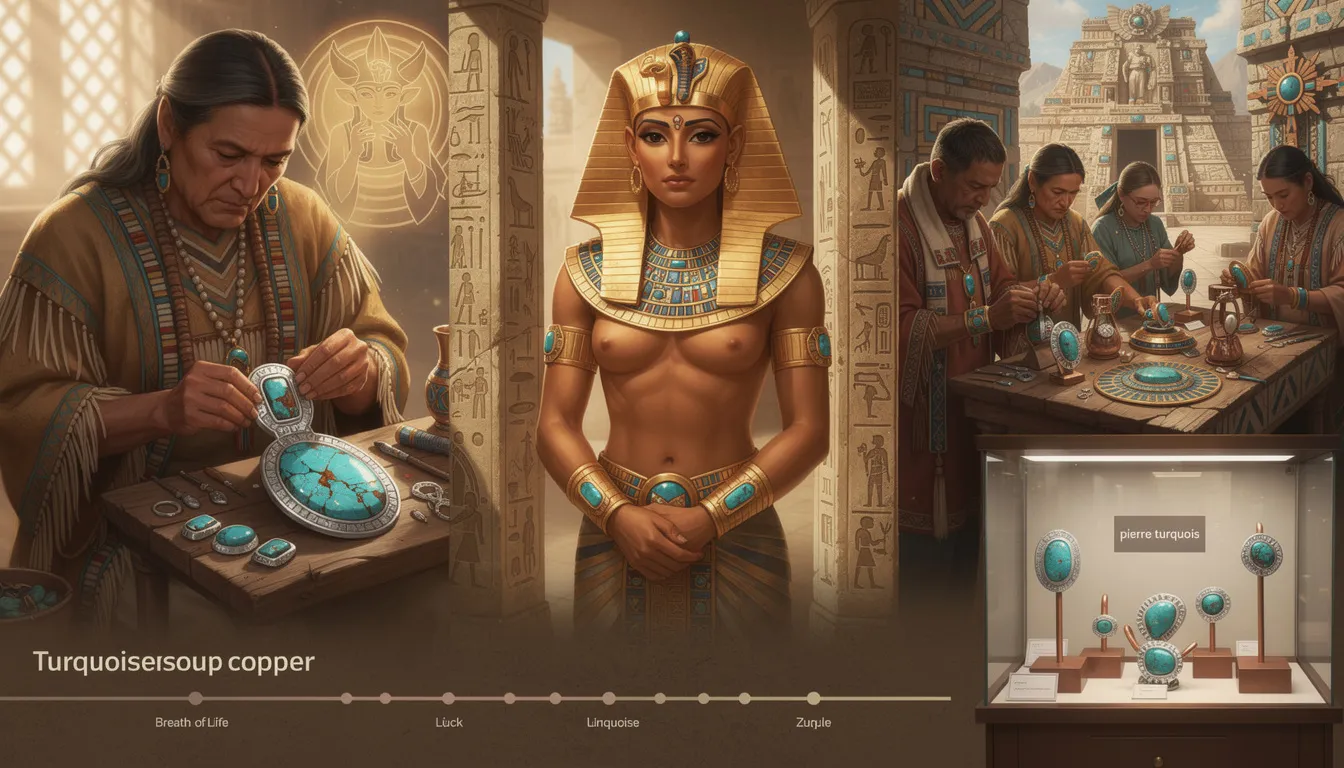
Turquoise holds deep cultural significance across many societies. Indigenous Americans referred to it as the “Breath of Life,” believing it attracted luck, calm, and friendship. In ancient Egyptian culture, turquoise was highly valued and frequently set in gold or silver jewellery, symbolizing protection and beauty. The stone is also sacred to indigenous Zuni, Pueblo, Aztec, and Maya peoples, who prized it for its spiritual significance and ornamental appeal.
In Europe, turquoise was introduced in the 13th century as “pierre turquois” or Turkis stone, a name reflecting its origin and connection to the earth. The cultural importance of turquoise continues today, with many people wearing turquoise jewellery as a symbol of good fortune and protection, bridging ancient traditions with modern fashion.
How Copper Turquoise Is Formed
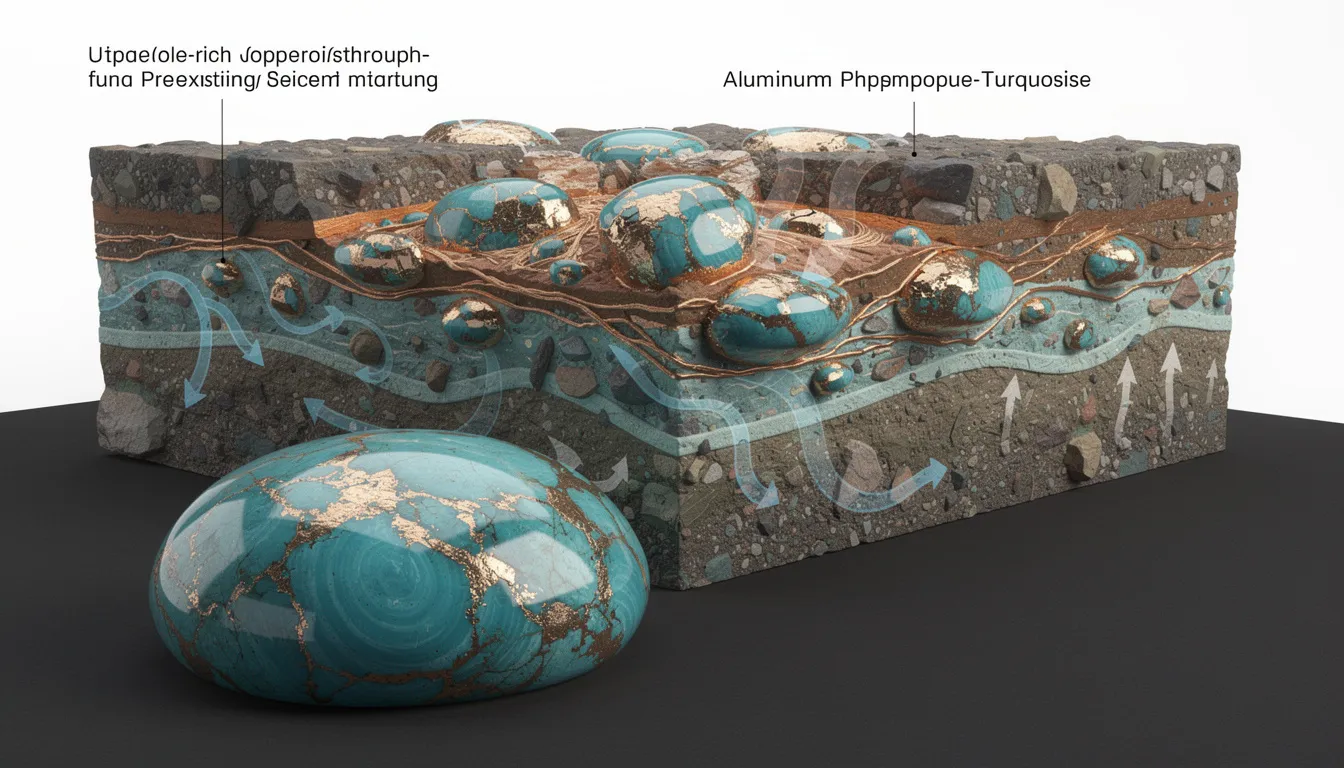
Copper turquoise, a blend of copper turquoise, offers an eye-catching colour combination that enhances any jewellery design. Copper turquoise is created by introducing bronze metal through the turquoise stone, resulting in a unique mix of blues, greens, and metallics. The formation process involves copper-rich solutions percolating into pre-existing rocks, combining with aluminium and phosphorous to form turquoise with copper elements. This natural process results in the vibrant blue and green hues characteristic of copper turquoise stones.
The copper content not only contributes to the stone's vivid colour but also symbolizes the earth, while the turquoise represents the sky, together creating a strong balance and harmony. This unique combination is one of the reasons copper turquoise jewellery is so highly valued and expected to remain popular.
Designing with Copper Turquoise
Copper is a favored metal in jewellery making, especially when paired with turquoise to create unique and stunning pieces. Designing with copper involves carefully selecting the right type, including options like brass or copper turquoise, to complement the turquoise stone’s vibrant hues.
The combination of turquoise and copper in jewelry-making creates a striking and dynamic aesthetic that is both rustic and vibrant. In 2025, the pairing of turquoise and copper remains a staple of Western, bohemian, and artisan jewelry trends and is favored for its earthy yet bold appeal.
The cool, vibrant blue-green hues of turquoise provide a vivid contrast to the warm, reddish-brown tones of copper.
Combining copper with silver or gold accents alongside turquoise is a key trend for creating modern, edgy looks in jewelry. For example, the Touch Of Heaven Turquoise And Copper Healing Bracelet features five genuine turquoise beads and six solid copper beads plated in 18-carat rose gold, merging traditional materials with contemporary design. Similarly, the Isla Copper Turquoise Silver Ring is handcrafted in sterling silver with one genuine high-quality copper turquoise gemstone, highlighting the elegant fusion of metals.
Copper turquoise jewellery is celebrated for its distinctive colour and natural beauty. The combination of copper’s warm, earthy tones with the blue and green hues of turquoise creates a stunning contrast that captivates the eye. This jewellery style is available in various forms, including earrings, pendants, and rings, each showcasing the turquoise stone’s allure.
Artisans often handcraft pieces that highlight the natural matrix and patterns within each turquoise stone, ensuring no two pieces are exactly alike. The malleability of copper allows for intricate wire wrapping and hammered textures that enhance the stone’s beauty and provide a perfect match for the unique characteristics of turquoise. Handcrafted copper and turquoise pieces are also favored as eco-friendly alternatives to mass-produced luxury items, appealing to environmentally conscious consumers.
Artisans set polished turquoise cabochons or beads into copper wire-wrapped or sheet metal designs, showcasing the stone’s vibrant colour and unique matrix. The Copper Turquoise Stud Earrings are designed to make a bold colour statement with their organic-shaped turquoise stones, perfect for those seeking eye-catching accessories.
Jewelry Making Techniques for Turquoise with Copper
Soldering and Shaping
Creating copper turquoise jewellery involves a range of skilled techniques. Artisans use soldering, shaping, and polishing to bring out copper’s natural beauty while carefully setting turquoise stones to ensure a perfect fit. The size, shape, and colour of the turquoise are thoughtfully considered to complement the copper design.
Polishing and Finishing
Jewellery makers may also incorporate metals like sterling silver coated with thick gold plating to enhance vibrancy and visual appeal. Specialized tools such as torches and hammers are essential for shaping copper into intricate designs. The final polishing and buffing steps give the piece a radiant shine, highlighting the harmonious blend of copper and turquoise. For more insights on jewelry-making techniques and trends, read our articles.
Wire Wrapping
Wire wrapping is a popular technique, where soft copper wire is used to secure raw turquoise nuggets without the need for heat, preserving the stone’s natural beauty. This method provides a strong yet delicate setting, emphasizing the hand-crafted quality of the jewellery.
Popular Copper Turquoise Jewelry Pieces
Among the most popular copper turquoise jewellery pieces are:
-
Earrings (including copper turquoise studs and drop earrings)
-
Pendants
-
Bracelets
-
Necklaces
These pieces effortlessly elevate any look with their elegance. Copper turquoise bracelets and necklaces often feature intricate patterns that highlight the natural connection between the two materials. Beyond personal wear, copper turquoise jewellery makes meaningful gifts symbolizing good fortune and protection, making it a favored choice for special occasions and celebrations.
Caring for Your Copper Turquoise Jewelry
To maintain the beauty of turquoise with copper jewellery, it is important to care for it properly. Copper can oxidize over time, developing a rich, darker patina that many find desirable; however, if preferred, this can be gently removed to restore the original shine. Avoid exposing the jewellery to harsh chemicals, perfumes, and prolonged sunlight, as these can damage both the copper and the turquoise stone.
Cleaning and Storage Tips
Storing your jewellery in a dry place and cleaning it with a soft cloth will help preserve its vibrant colours and beautiful finish, ensuring your pieces remain a cherished part of your collection inside your jewellery box for years to come.
Frequently Asked Questions (FAQs) About Turquoise with Copper Jewelry
-
What does turquoise with copper mean in jewelry?
Turquoise with copper refers to jewelry pieces that combine the vibrant blue-green hues of turquoise stones with the warm, reddish-brown tones of copper metal. The combination of turquoise and copper symbolizes the balance between the sky (turquoise) and the earth (copper). This pairing symbolizes a balance between the earth (copper) and the sky (turquoise), creating a harmonious and striking aesthetic. -
Is turquoise with copper suitable for sensitive skin?
Copper can sometimes cause skin reactions in sensitive individuals, especially if worn continuously. However, many copper turquoise jewelry pieces are combined with metals like sterling silver or gold plating to reduce the risk of irritation. It’s best to test a small area or consult with the jeweler if you have sensitive skin. -
How do I care for turquoise with copper jewelry?
To keep your turquoise with copper jewelry looking its best, avoid exposure to harsh chemicals, perfumes, and prolonged sunlight, which can damage both the copper and turquoise. Clean gently with a soft cloth and store in a dry place. Copper naturally oxidizes over time, developing a desirable patina, but you can polish it to restore its original shine if preferred. -
Can turquoise with copper jewelry bring good luck?
Many cultures believe turquoise carries protective and healing properties, attracting good fortune, calm, and friendship. Copper is also thought to amplify these benefits, making turquoise with copper jewelry a popular choice for those seeking spiritual or emotional balance. -
What is the significance of the matrix in turquoise stones?
The matrix refers to the natural veining or patterns, often brown or black, found within turquoise stones. This unique feature adds character and individuality to each stone, making every piece of turquoise jewelry distinct. Some collectors highly value the matrix for its artistic and natural beauty. -
Where is turquoise with copper commonly found?
Turquoise with copper is primarily sourced from arid regions such as Arizona and Nevada in the United States, Mexico, and Iran. These areas provide the ideal conditions for the formation of turquoise stones with copper elements. -
Is turquoise the birthstone for a specific month?
Yes, turquoise is the traditional birthstone for December. It is often gifted to those born in this month as a symbol of protection, good fortune, and beauty. -
Are there different types of turquoise?
Yes, turquoise varies widely in color and quality depending on its origin and mineral content. Some turquoise contains higher amounts of copper, giving it more vibrant blue-green hues, while others may show more iron, resulting in greener shades. The presence of the matrix also varies, influencing the stone’s appearance. -
Can copper turquoise jewelry be combined with other metals?
Absolutely. Copper turquoise jewelry is often paired with sterling silver or gold accents to enhance its beauty and durability. These combinations create modern, stylish pieces that appeal to a wide range of tastes. -
How is copper turquoise jewelry made?
Artisans use a variety of techniques including wire wrapping, soldering, shaping, and polishing to create copper turquoise jewelry. The malleability of copper allows for intricate designs that complement the natural beauty of turquoise stones, often highlighting the unique matrix patterns.
If you have more questions about turquoise with copper jewelry or need advice on selecting the perfect piece, feel free to reach out to us!
Leave a comment