

Taking care of jewellery is essential for preserving the beauty and longevity of your treasured pieces. Proper care of your jewellery not only maintains the appearance of your precious metal items, such as silver jewellery and gold jewellery, but also helps prevent damage caused by everyday wear and environmental factors. Jewellery is often an investment, making its care even more important. Additionally, jewellery often has great sentimental value attached to the pieces, making proper maintenance a way to preserve cherished memories. Different types of jewellery, including sterling silver and gemstone jewellery, require specific cleaning and storage methods to ensure they remain in pristine condition. If you are interested in learning more, you can find helpful articles on jewellery care and trends.
Why Taking Care of Jewellery Matters
Understanding how to clean and store your jewellery properly is a vital part of jewellery care. This knowledge helps protect delicate gemstones and precious metals from scratches, tarnishing, and other forms of deterioration. The simplest method to clean most jewellery is soaking it in warm water with mild dish soap for 10–15 minutes. Always ensure that cleaning solutions are specifically designed for the correct metal or gemstone to avoid unintended damage. Avoid soaking costume jewellery for prolonged periods to prevent damage. It is recommended to clean regularly worn jewellery at least once a month to maintain its appearance and longevity. By following a few tips and incorporating regular cleaning into your routine, you can keep your favourite pieces of jewellery looking their best and enjoy them for years to come.
General Tips for Jewellery Care
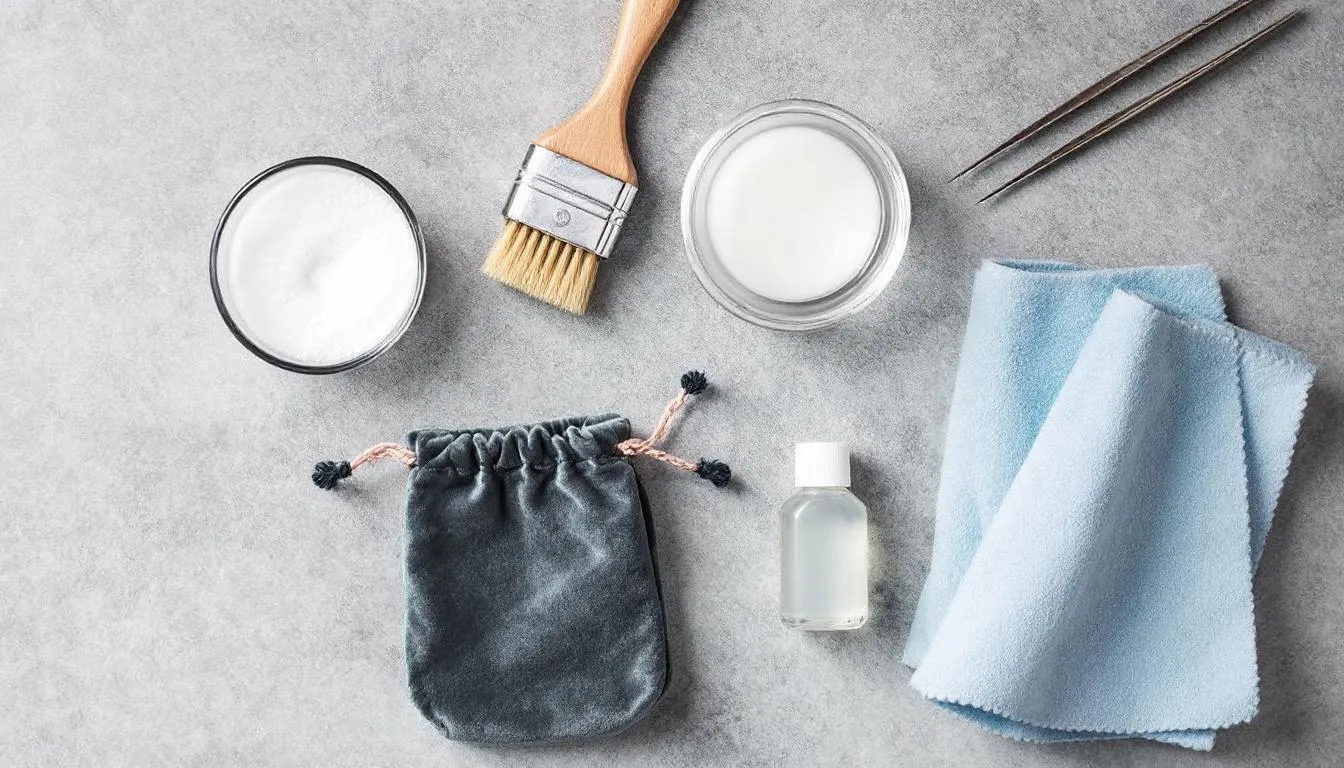
When caring for your jewellery, always handle pieces with a softer touch to avoid scratching or damaging delicate surfaces. Remove jewellery before applying lotions, perfumes, or hand sanitiser, as these products can degrade metals and stones. Store your jewellery in a jewellery box lined with soft fabric or wrap each piece in tissue paper to prevent scratches and tangling. For necklaces, fastening clasps and storing them separately can help avoid knots and damage. When restringing pearl necklaces or delicate pieces, use a silk thread to maintain strength and flexibility. Avoid pulling on chains or pieces containing other stones to prevent breakage or loosening of settings.
Gold Jewellery Care
Gold jewellery, whether yellow gold or white gold jewellery, demands gentle care to preserve its natural lustre. Harsh chemicals and abrasive cleaners can dull the surface or damage the metal, so it’s important to avoid these when cleaning your pieces. To clean gold jewellery effectively, use a mild washing up liquid mixed with lukewarm water and a soft bristled brush. This combination helps remove dirt and grime without harming the gold.
Caring for Yellow Gold Jewellery
For more delicate gold jewellery pieces, a softer approach is recommended. Using a soft cloth with just a few drops of mild detergent allows you to gently clean the item without risking damage. Additionally, it’s crucial to avoid exposing gold jewellery to extreme temperature changes or chemicals commonly found in body lotion and make-up, as these can affect the metal’s finish and durability. Avoid applying hand sanitiser or beauty products while wearing jewellery to further protect its appearance.
Caring for White Gold Jewellery
White gold jewellery requires professional re-plating every few years to maintain its finish and appearance. This is due to the rhodium plating, a member of the platinum family, which enhances its lustre but can wear off over time.
How to Clean Gold Jewellery
Cleaning gold jewellery is simple and effective when done with care. Start by preparing a solution of warm water and a few drops of baby shampoo or mild washing up liquid. Soak your gold pieces in this solution for a few minutes to loosen dirt and oils. Using a soft bristled brush, gently scrub the jewellery to remove any grime, paying close attention to crevices and settings. Rinse thoroughly with clean lukewarm water and dry with a soft, lint-free cloth. Always use cleaning solutions designed for the correct metal or gemstone to preserve the natural lustre and avoid damaging the gold or any attached stones. Avoid harsh chemicals and abrasive materials to preserve the natural lustre and avoid damaging the gold or any attached stones.
Caring for Gold Plated Jewellery
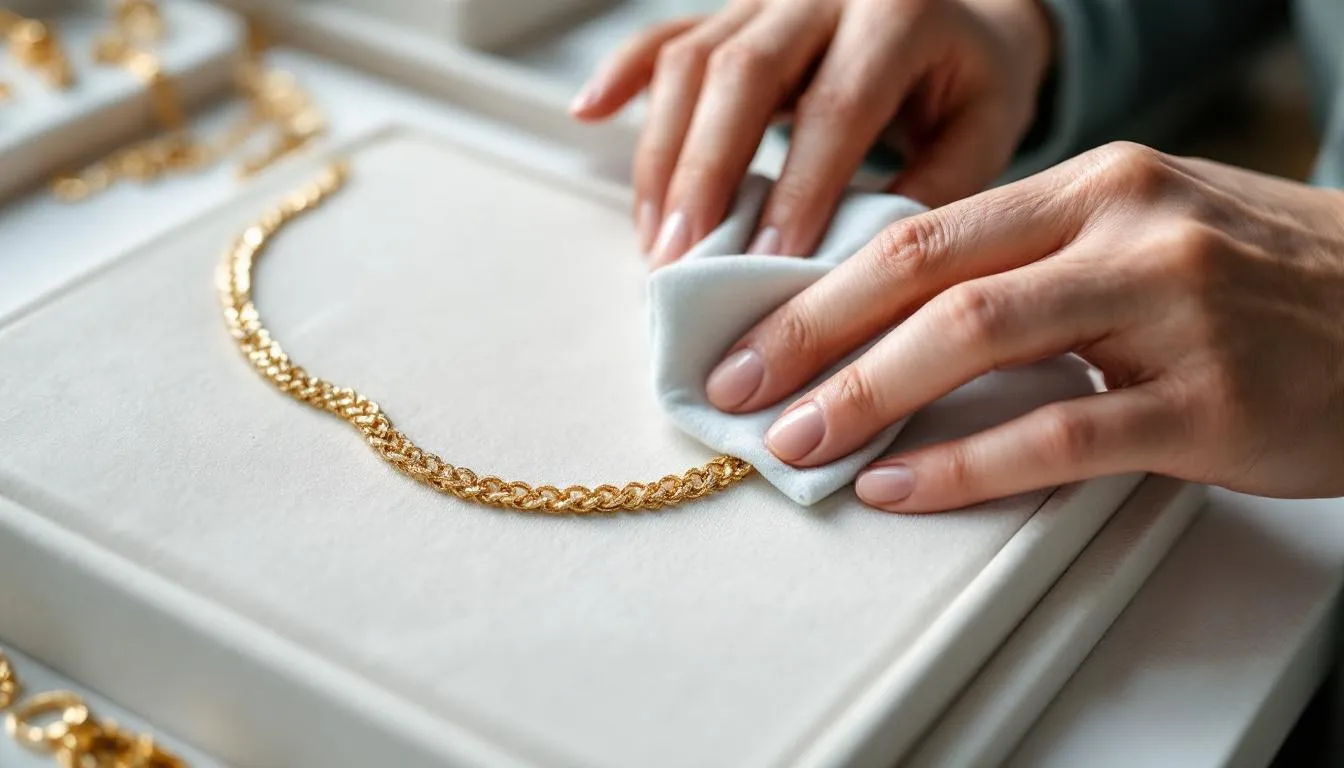
Gold plated jewellery requires special attention because the thin layer of gold plating can wear off if cleaned too aggressively or exposed frequently to harsh chemicals. When cleaning gold plated pieces, use a softer touch to protect the plating. Avoid abrasive cleaners and prolonged soaking, as these can strip the gold layer and reveal the base metal underneath.
How to Clean Gold Plated Jewellery
A practical method for cleaning gold plated jewellery is to wipe it gently with a damp cloth moistened with mild detergent, then dry it thoroughly using a lint free cloth. This approach helps maintain the plating’s shine while minimizing the risk of damage. Proper care ensures your gold plated jewellery retains its attractive appearance for longer.
Gemstone Jewellery Care
Gemstone jewellery requires careful handling and cleaning to avoid damage to the stones or their settings. Use lukewarm water and a soft brush, such as a soft bristled or soft brush designed for delicate surfaces, to gently clean gemstone jewellery.
Cleaning Different Types of Gemstones
For nearly all coloured gemstones, cleaning with warm water and a soft brush is adequate. Synthetic and organic gems can be damaged by acids and chemicals found in many cleaning products, so it is essential to avoid harsh chemicals and extreme temperature changes, both of which may harm the stones or loosen their settings.
Caring for Organic Gemstones and Pearls
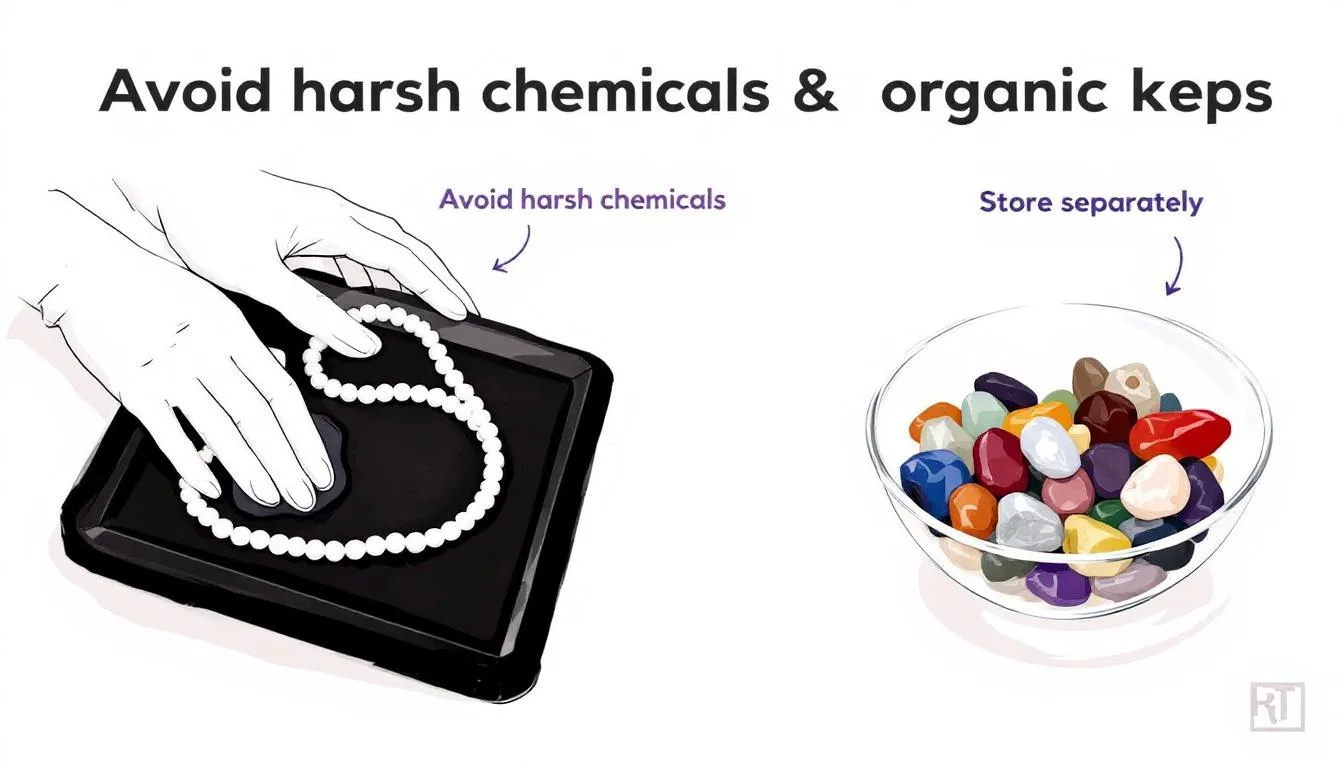
Special caution is needed for delicate and organic gemstones, including pearls and other organic gemstones, as they are more sensitive to cleaning products and environmental factors. Exposure to cosmetics, perfume, or hairspray can damage pearls if not dried. These gemstones often require unique care methods to maintain their natural beauty without causing damage. Store pearls and delicate gemstones separately to avoid damage.
How to Clean Silver Jewellery
Silver jewellery, particularly sterling silver, is prone to tarnishing over time and requires regular cleaning to maintain its shine. To clean silver jewellery effectively, use a polishing cloth or a gentle cleaning solution specifically designed for silver.
Cleaning Silver Jewellery at Home
At home, you can clean silver pieces by mixing lukewarm water with a few drops of mild washing up liquid, then gently brushing the jewellery with a soft brush. Interestingly, wearing silver jewellery can slow down the tarnishing process by reducing exposure to air.
Drying and Maintaining Silver Jewellery
After cleaning, it’s important to dry silver jewellery thoroughly using a lint-free cloth to prevent water spots and further tarnishing. Regular cleaning of silver jewellery helps maintain its natural lustre and ensures your pieces remain looking their best.
General Cleaning Jewellery Tips
When cleaning jewellery at home, always opt for gentle methods that protect the materials. Use a soft cloth and just a few drops of mild detergent diluted in lukewarm water to clean your jewellery. Avoid harsh chemicals and abrasive cleaners, which can cause scratches or damage precious metals and stones. After cleaning, rinse jewellery thoroughly with warm water to remove any remaining cleaning solution and ensure a spotless finish.
Avoiding Common Cleaning Mistakes
Avoid using toothpaste, baking soda, or harsh household chemicals to clean jewellery, as they can scratch and damage it. Gently scrub your jewellery with a soft brush to remove dirt and build up, paying special attention to crevices and settings. After cleaning, dry each piece carefully with a lint free cloth to prevent water spots and preserve the natural lustre of the jewellery. Avoid exposing your jewellery to extreme temperature changes during cleaning, as this can cause damage.
How to Clean Pearls Properly
Pearls are organic gemstones that require special care due to their sensitivity to chemicals and abrasion. To clean pearls, use a soft cloth dampened with a few drops of mild detergent mixed with clean water. Avoid soaking pearls or using abrasive cleaners, which can damage their delicate surface. When cleaning pearls, use a soft cloth dampened with warm water to gently rub each stone individually, ensuring their delicate surface remains intact. All types of pearls should be cleaned with a soft cloth after each wear to maintain their natural beauty.
Drying Pearls After Cleaning
After cleaning, always dry pearls gently with a soft cloth to maintain their natural shine and prevent damage. Regular cleaning with this gentle method helps preserve the beauty of your pearl jewellery without compromising its integrity.
Jewellery Storage Tips
Proper storage is a key aspect of jewellery care that helps prevent damage and maintain the condition of your pieces. Store your jewellery in a jewellery box or wrap each piece separately in a soft cloth or tissue paper to avoid scratching and tangling with other jewellery. Additionally, store jewellery in a dry, soft-lined container to further protect it from scratches and tangles. Even jewellery kept in a box should be cleaned every few months to ensure it remains in optimal condition.
Preventing Tangling and Scratching
Fasten clasps on necklaces when storing to prevent tangling and ensure they remain in good condition. Jewellery boxes often have dedicated compartments for storing rings, earrings, and bracelets. Regular maintenance, such as cleaning and proper storage, is more effective than relying solely on professional cleaning to prevent significant tarnish.
Avoiding Damage from Environmental Factors
Avoid storing jewellery in direct sunlight or places with extreme temperature changes, as these conditions can cause discoloration or damage to precious metals and gemstones. Regular cleaning prevents build-up of dirt and oils, keeping your jewellery looking fresh and vibrant. Remove jewellery before swimming or exercising to prevent damage caused by chemicals or physical impact.
When to Seek Professional Jewellery Care
Sometimes, jewellery requires more than just routine cleaning and care. If your jewellery is damaged or in need of repair, it’s best to take it to a professional jeweller. They have the expertise to assess any issues and provide appropriate repairs without compromising the structural integrity of your pieces. Care should be taken when handling and storing diamonds to avoid scratches. If you are unsure about your diamonds' security, visit a local jeweller for advice to ensure they remain safe and well-maintained.
Professional Cleaning and Valuation
The best news is that your jewellery will very rarely be beyond repair or restoration. You should consider having a detailed insurance valuation for your jewellery to ensure its value is properly documented. If in doubt about the care, repair or valuation of your jewellery, seek the advice of an NAJ member for professional guidance. The NAJ has registered valuers located within the UK, making it easier to find a trusted professional near you.
Preparing Jewellery for Professional Care
Avoid attempting DIY repairs, as this can cause further damage. Before visiting a professional jeweller, clean your jewellery gently with a soft cloth and a few drops of mild detergent to remove surface dirt. Using a cleaning solution or soft bristled brush can also help prepare your jewellery for professional maintenance. Diamonds should be soaked in warm water with a degreasing solution to clean, ensuring their brilliance is restored without causing damage.
Expert Advice and Where to Find It
Seeking expert care ensures your valuable jewellery remains in excellent condition for years to come. To maintain your jewellery, you should consider taking it to a jeweller for a professional clean once a year.
If you're looking for expert advice or want to explore high-quality jewellery, visit Saras Beads & Jewellery. Their knowledgeable team can help you care for your jewellery and find the perfect pieces to cherish for years to come. Saras Beads is available in The Green Quarter, Southall. Visit our shop at Units 4–5, Parkside Yards, 1 Seva Drive, Southall UB1 1GH, or you can also reach out to them online via their website at sarasbeads.co.uk. For those interested in exploring the best jewellery shops in London, check out our comprehensive guide.
Frequently Asked Questions (FAQs) About Taking Care of Jewellery
How often should I clean my jewellery?
It is recommended to clean jewellery regularly, especially pieces that are worn frequently. For jewellery purchased for daily wear, cleaning at least once a month helps maintain its shine and prevents build-up of dirt and natural oils. Even jewellery kept in storage should be cleaned every few months to avoid tarnishing and dust accumulation.
What is the best way to clean different types of jewellery?
Different jewellery materials require specific cleaning methods:
-
Gold jewellery: Use a mild washing up liquid mixed with lukewarm water and gently clean with a soft bristled brush.
-
Silver jewellery: Clean with a polishing cloth or a gentle solution of lukewarm water and mild detergent, followed by drying with a lint free cloth.
-
Diamond jewellery: Soak in warm water with a degreasing solution, then gently brush to restore brilliance.
-
Gemstone jewellery: Use lukewarm water and a soft brush; avoid harsh chemicals and extreme temperature changes.
-
Organic gemstones and pearls: Clean with a soft cloth dampened with warm water and mild detergent, avoiding soaking or abrasive materials.
Can I use household products like toothpaste or baking soda to clean my jewellery?
No, using abrasive household products such as toothpaste or baking soda can scratch and damage precious metals and stones. Always use gentle, jewellery-specific cleaning solutions or mild detergents to protect your pieces.
How should I store my jewellery to avoid damage?
Store your jewellery in a dry, soft-lined jewellery box or wrap each piece separately in tissue paper or a soft cloth to prevent scratching and tangling. Fasten clasps on necklaces to avoid knots, and keep pearls and delicate gemstones separate from harder stones to prevent damage.
Is it necessary to remove jewellery before applying lotions or perfumes?
Yes, to care for your jewellery properly, avoid wearing it while applying beauty products like body lotion, make-up, perfume, or hand sanitiser. These products can contain chemicals that may tarnish or damage metals and stones.
What precautions should I take when wearing jewellery?
Avoid wearing jewellery during swimming, exercising, or activities that expose it to harsh chemicals or physical impact. Also, avoid extreme temperature changes and direct sunlight exposure, which can affect the chemical make up and appearance of some materials.
How often should white gold jewellery be professionally re-plated?
White gold jewellery requires professional rhodium plating every few years to maintain its bright white finish and lustre. This process helps protect the metal and keeps your white gold looking new.
When should I seek professional jewellery care?
If your jewellery is heavily tarnished, damaged, or you suspect loose stones, it’s best to visit a professional jeweller. Regular professional cleaning and inspections help ensure your pieces remain secure and in excellent condition.
Can jewellery be repaired if damaged?
Yes, most jewellery can be repaired or restored by a professional jeweller. Whether it’s a broken clasp, loose stone, or worn plating, expert care can often bring your favourite pieces back to life.
Where can I find expert advice or professional services for jewellery care?
You can seek advice or services in store at reputable jewellers or professional organisations such as members of the National Association of Jewellers (NAJ). They offer cleaning, valuation, repair, and restoration services to help you care for your jewellery with confidence.
Leave a comment