

Semi precious stone beads are the building blocks of handcrafted jewellery, offering natural beauty and tactile appeal that synthetic materials simply cannot replicate. Whether you are creating your first stretch bracelet or designing an intricate multi-strand necklace, understanding these gemstone beads will help you select the right materials for every project. This guide is designed for jewellery makers, crafters, and hobbyists who want to elevate their creations—semi precious stone beads are important because they offer natural beauty, versatility, and unique design possibilities for handmade jewellery.
Quick overview: what is a semi precious stone bead?
Semi precious stone beads are drilled pieces of real gemstones—materials like amethyst, jasper, and rose quartz—cut, polished, and prepared specifically for jewellery making and craft projects. Unlike loose rough stones, these beads arrive ready for stringing, wirework, and bead stitching, with holes drilled through their centres for threading.
These beads have been staples of handcrafted jewellery since at least the 1960s beadwork boom in the UK and US, appearing in bracelets, necklaces, earrings, and mala-style meditation pieces. The term “semi precious” is a traditional trade classification rather than a strict scientific category, and some stones in this range can be quite rare or valuable despite the name.
Core characteristics of semi precious stone beads:
-
Natural or lightly enhanced gemstones shaped and drilled for threading
-
Available in rounds, chips, faceted cuts, and speciality shapes
-
Used primarily for strung jewellery, wirework, and beaded crafts
-
Range from affordable everyday stones to collector-grade specimens
What are semi precious stone beads?
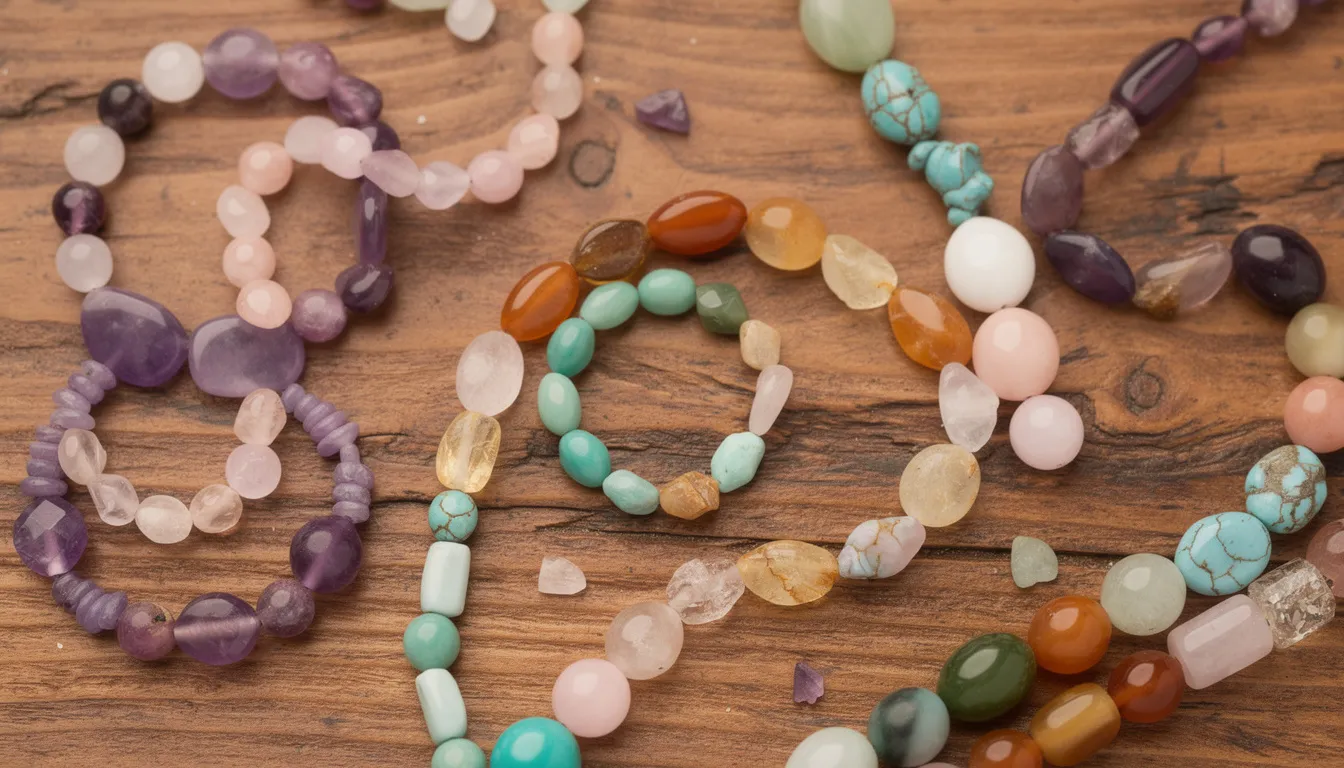
Semi precious stone beads are natural or lightly enhanced gemstones—including agate, jasper, quartz, jade, aventurine, and howlite—that have been shaped into specific forms and drilled for threading onto cord, wire, or elastic. Each bead begins as a mineral formed within the earth’s crust, carrying its own chemical composition and crystalline structure that determines its colour, hardness, and visual characteristics.
The distinction between precious and semi precious stones dates from 19th and 20th century jewellery trade practice. Traditional precious stones include only diamond, ruby, sapphire, and emerald—gems that possess beauty, durability, and rarity simultaneously. Semi precious stones need only one or two of these qualities, though this classification does not always reflect real-world value or desirability.
-
Historical classification: The precious/semi precious distinction emerged from trade conventions, not scientific measurement
-
Value exceptions: High-grade garnet, fine turquoise, and quality tanzanite can command prices rivalling traditional precious stones
-
Reclassification example: Amethyst was once considered precious and priced alongside sapphires until major Brazilian deposits made it abundant enough to shift categories
-
Tactile quality: Real stone beads feel slightly cool to the touch and carry noticeable weight compared with glass or plastic alternatives
-
Chemical foundations: Each stone type has specific mineral compositions—jade exists as either jadeite (NaAlSi₂O₆) or nephrite, while turquoise contains copper and aluminium that create its distinctive blue-green colour
Popular types of semi precious stone beads
When shopping for semi precious beads online, you will encounter dozens of stone varieties. This section covers the popular gemstones that jewellery makers reach for most often, with guidance on how each stone works in finished designs.
Agate and jasper:
-
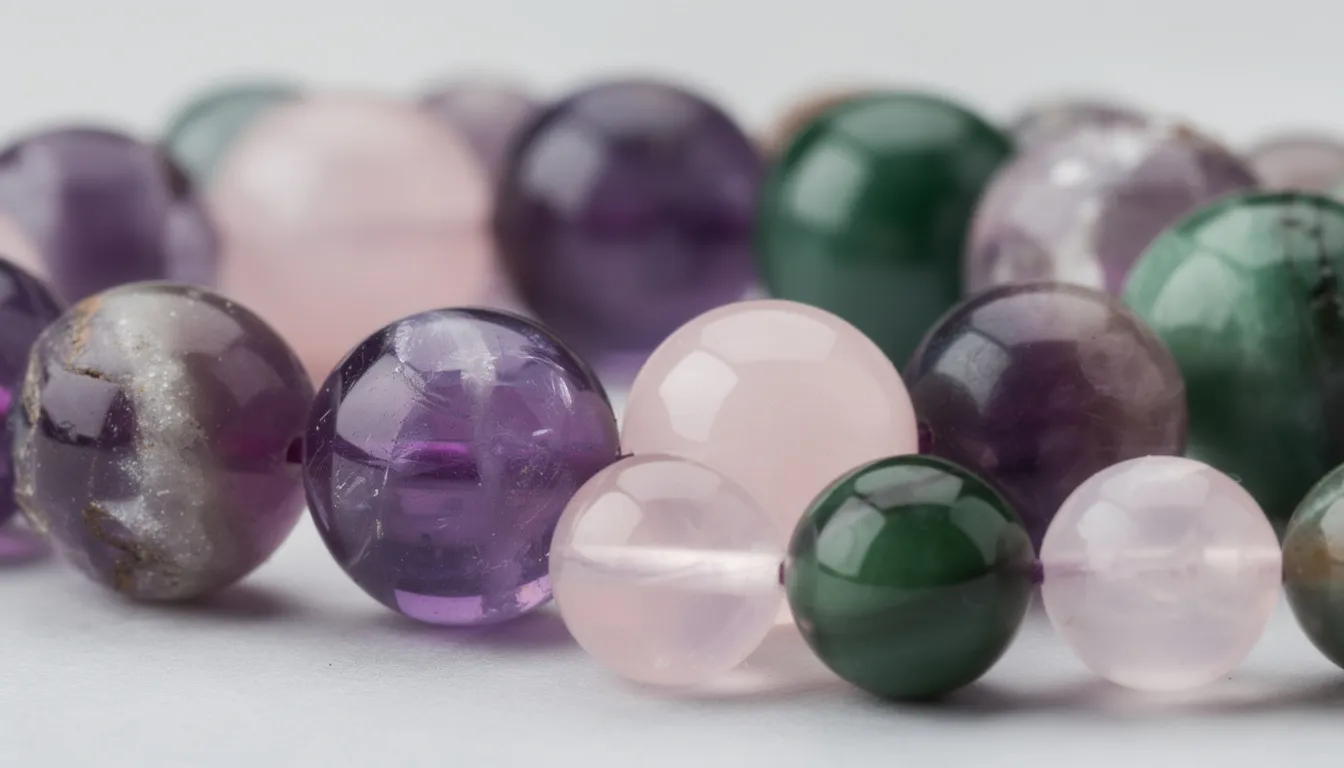
Both stones display banding, speckles, and earthy colours ranging from warm browns and reds to cool blues and greens
-
Ideal for boho bracelets, long layered necklaces, and rustic-style earrings
-
Agate’s unique natural patterns mean no two beads look identical
Quartz family:
-
Clear quartz offers crystal clarity and works as a neutral spacer between coloured stones
-
Rose quartz delivers soft pink tones perfect for romantic and bridal pieces
-
Amethyst provides rich purple that suits both casual and formal jewellery
-
Citrine ranges from pale yellow to deep amber, popular in autumn-toned collections
Jade and aventurine:
-
Both stones take a smooth polish and appear in classic green shades
-
Jade holds particular cultural significance and has been used in Asian and European adornment for centuries, and both stones are popular choices in semi precious gemstone necklace styles for every occasion
-
Aventurine offers subtle sparkle from mineral inclusions within the stone
Graphic contrast stones:
-
Black onyx provides deep, solid black for modern minimalist designs
-
Tiger eye displays chatoyancy—a shifting band of light across golden-brown surfaces
-
Howlite features marble-like white veining, often dyed to imitate turquoise
Other notable varieties:
-
Garnet offers deep red tones in both transparent and opaque forms
-
Fluorite comes in purple, green, and multi-coloured varieties with natural colour gradients
-
Turquoise remains a perennial favourite for southwestern and bohemian styles
Shapes, cuts, and finishes of semi precious beads
Bead shape and cut directly affect how your finished jewellery hangs, feels against skin, and catches light. Selecting the right forms for your project helps you achieve professional-looking creations without advanced techniques.
Classic round shapes:
-
Available in standard sizes: 4 mm, 6 mm, 8 mm, and 10 mm diameters
-
Smooth rounds create uniform strands that drape evenly
-
The most versatile shape for bracelets, necklaces, and basic earrings
Rondelles, coins, and ovals:
-
Rondelles are disc-shaped with flat sides, excellent for layering and spacing
-
Coin beads lie flat against the chest, ideal for delicate station necklaces
-
Ovals add elegance and work well in graduated designs
Textured and organic shapes:
-
Chips and nuggets deliver beachy, rustic aesthetics for casual pieces
-
Each freeform bead is essentially one-of-a-kind, adding natural character
-
Cubes, tubes, and rice beads suit modern strands and rosary-style chains
Speciality shapes:
-
Teardrops function as small pendants without requiring separate findings
-
Heart-shaped beads work for personalised and romantic gift jewellery
-
Barrel beads add chunky dimension and visual weight to statement pieces
Finish options:
-
Smooth polished surfaces give soft, understated looks suited to daily wear and meditation jewellery
-
Faceted cuts add sparkle that catches light, ideal for evening or bridal sets
-
Matte finishes offer contemporary appeal and pair well with metal spacers
Choosing bead sizes and hole sizes
Bead size affects the weight, visual impact, and comfort of your finished jewellery, while hole size determines which stringing materials you can use. Getting these details right before purchasing saves frustration during assembly.
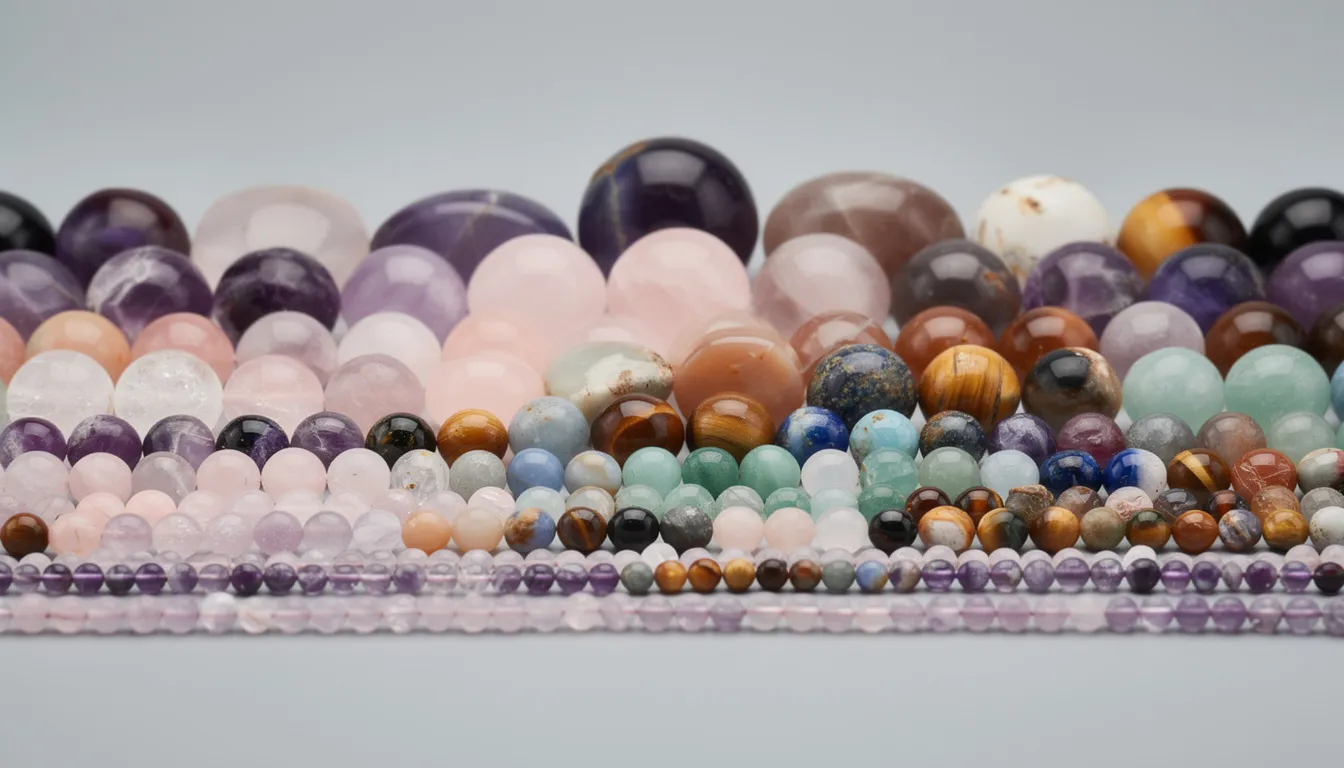
Small beads (2–4 mm):
-
Function as spacers and seed-bead-style accents
-
Work beautifully in multi-strand necklaces and delicate stacking bracelets
-
Allow intricate patterns and colour gradients within designs
Medium beads (6–8 mm):
-
The most common sizes for adult bracelets and simple single-strand necklaces
-
Comfortable for daily wear without excessive weight
-
Standard stock for most bead suppliers and craft shops
Large beads (10–14 mm and above):
-
Create focal accents and statement pieces, especially in bracelets designed around natural stones
-
Popular as centrepieces in mala-style designs (108-bead meditation strands)
-
Work best when balanced with smaller beads or used sparingly
Hole size compatibility:
|
Stringing Material |
Typical Diameter |
Compatible Hole Size |
|---|---|---|
|
Beading wire |
0.38–0.5 mm |
Standard (0.5–0.8 mm) |
|
Nylon thread |
0.2–0.4 mm |
Standard (0.5–0.8 mm) |
|
Stretch elastic |
0.7–1 mm |
Standard (0.5–0.8 mm) |
|
Leather cord |
1–2 mm |
Large-hole specialty |
|
Macramé cord |
1–1.5 mm |
Large-hole specialty |
Most commercial strands are drilled to fit standard beading wire, nylon thread, and 0.7–1 mm elastic. Thicker leather cord requires large-hole specialty beads, which should be clearly labelled when shopping.
Design ideas and jewellery-making techniques
Semi precious stone beads suit a wide range of techniques, from simple stringing projects that beginners can complete in an afternoon to more advanced wirework requiring practice. Here are realistic approaches for creating professional-looking pieces at home.
Simple stringing on beading wire:
-
Create single or double-strand necklaces using crimps and metal clasps
-
Ideal starting point for beginners—requires only wire cutters, crimping pliers, and basic findings
-
Example: A graduated amethyst necklace with sterling silver crimp covers and a lobster clasp
Stretch bracelets:
-
Use 0.7–1 mm elastic with 6–8 mm rounds or nuggets
-
Quick projects producing stackable sets popular since the 2010s wellness trend and ideal for experimenting with creative bead designs for bracelets
-
Example: A set of three coordinating bracelets in rose quartz, clear quartz, and amethyst
Wirework techniques:
-
Wrapped-loop earrings showcase individual statement beads
-
Bead links create rosary-style chains for necklaces and bracelets
-
Caged stone pendants highlight larger, special beads as focal points within handmade beaded jewelry designs
-
Example: Tiger eye teardrop earrings with gold-filled wire wraps
Macramé and knotting:
-
Combine gemstone focal beads with waxed cord, nylon, or silk
-
Create adjustable friendship bracelets and boho chokers
-
Example: A jade focal bead centred on an adjustable black waxed cotton cord bracelet
Bead embroidery and stitching:
-
Incorporate small semi precious chips into beadwoven patterns
-
Mix with seed beads for textured, dimensional pieces
-
Example: Agate chip fringe earrings with glass seed bead accents
Combining semi precious beads with other materials
Mixed-material designs balance cost, weight, and aesthetics while showcasing natural stone to best effect. Understanding which materials pair well helps you create pieces that look intentional and polished.
-
Seed beads and glass beads: Fill out patterns, add colour gradients, and keep bracelets light and affordable; perfect for creating detailed designs where all-stone construction would be too heavy or expensive
-
Crystal beads and cubic zirconia elements: Add sparkle that complements rather than competes with semi precious stones; particularly effective in evening sets where you want glamour without overwhelming natural stone beauty
-
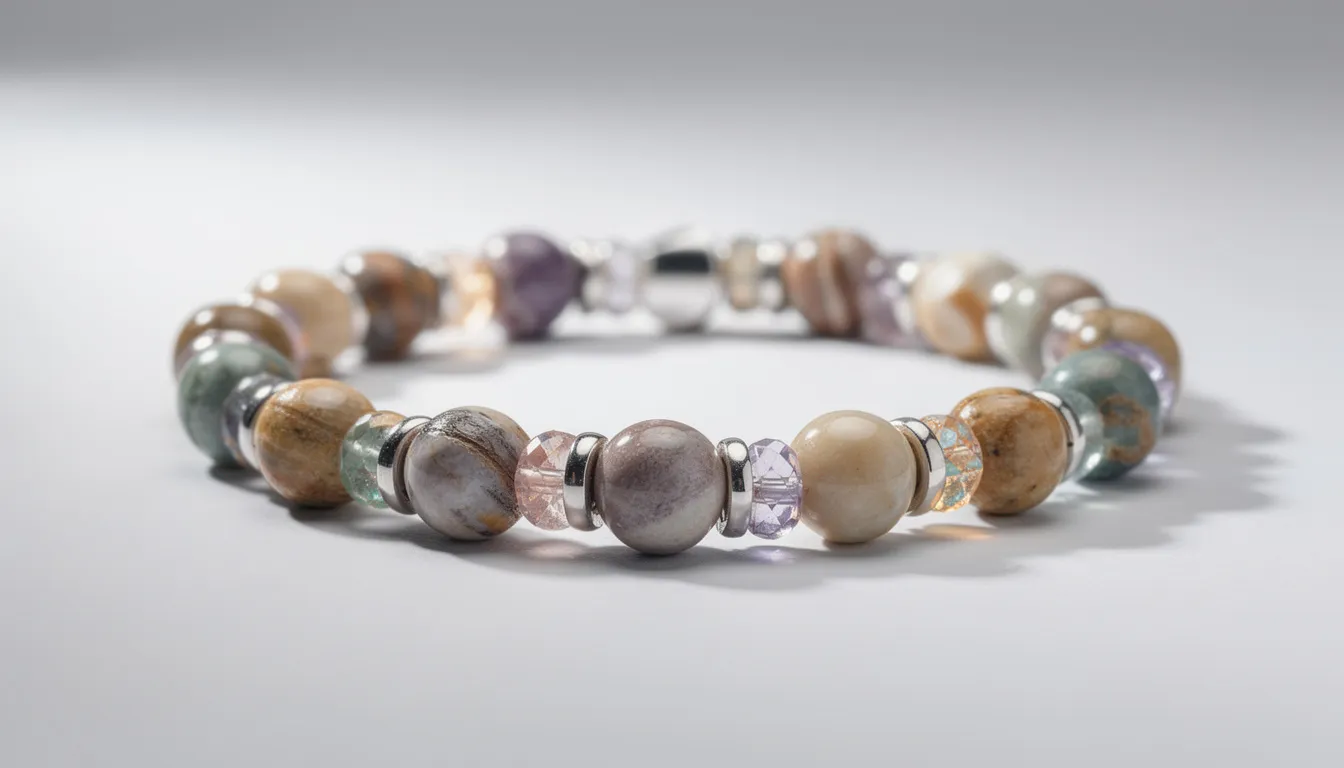
Metal components: Stainless steel, sterling silver, gold-plated, and brass spacers provide structure, shine, and durability; metal spacers between gemstone beads prevent friction wear and add professional finishing touches
-
Pearls: Freshwater and shell pearls partner beautifully with rose quartz, amethyst, and jade in soft, bridal, and vintage-inspired designs; the organic lustre of pearls echoes the natural origins of stone beads
-
Leather and cord: Earthy textures pair naturally with jasper, agate, and tiger eye for bohemian and masculine styles; adjust bead selection for large-hole compatibility
-
Wood and bone: Natural materials complement the organic feel of semi precious stones; work well in ethnic-inspired and eco-conscious designs, and are easy to source from a top beads shop in London
Care, quality, and buying tips
Understanding treatments and quality markers helps you make informed purchases when shopping for semi precious beads online. A few minutes of product description reading can prevent disappointing arrivals and wasted project time.
Common treatments to know:
-
Dyeing: Frequently applied to howlite (often dyed turquoise blue), agate, and cheaper jade substitutes; check whether colour is natural or enhanced, especially when you shop for crystals and gemstone beads
-
Heat treatment: Used to intensify colour in citrine and some amethyst; generally stable and accepted in the trade
-
Stabilisation: Applied to softer stones like turquoise to improve durability; makes the stone suitable for everyday jewellery
Quality checks before buying:
-
Look for consistent drilling—holes should be centred and uniform across the strand
-
Check for minimal chipped edges around drill holes, which indicate careful manufacturing
-
Evaluate polish consistency; beads should have even surface finish without dull patches
-
Confirm secure temporary stringing; loose beads on arrival suggest poor quality control
Basic care for finished pieces:
-
Wipe beads with a soft, dry cloth after wearing to remove body oils
-
Avoid prolonged soaking, which can damage dyed stones and weaken stringing materials
-
Keep pieces away from harsh chemicals including perfumes and cleaning products
-
Store colour-sensitive stones like amethyst away from strong sunlight to prevent fading, especially if you wear handmade beaded jewellery regularly
Smart buying strategies:
-
Consider project type when choosing grades—daily bracelets may not need the highest quality strands
-
Buy from suppliers who clearly describe treatments and origins in product listings and offer educational jewellery making blog resources
-
Order sample strands before committing to large quantities for a major project
-
Check hole sizes match your intended stringing material before purchasing
Summary: why semi precious stone beads belong in every jewellery kit
Semi precious stone beads combine natural beauty, tactile comfort, and creative versatility in ways that synthetic materials cannot match. For modern crafters and jewellery makers, these gemstones offer accessible entry points to professional-looking designs while providing depth for advanced techniques as skills develop.
A focused collection of core stones covers most project needs without overwhelming storage space or budget. Understanding how shape, size, and material combinations work together transforms basic stringing into polished, wearable art that feels as good as it looks.
Key takeaways:
-
Start with versatile stones like rose quartz, amethyst, agate, and jasper in 6–8 mm rounds to cover bracelets, necklaces, and earrings
-
Match hole sizes to your preferred stringing materials before ordering to avoid compatibility issues
-
Combine semi precious beads with metal spacers, pearls, and glass accents to create balanced, professional designs
-
Experiment with colours, textures, and techniques to develop your own signature style—these stones reward creative exploration
Whether you are drawn to the soft pink of rose quartz, the deep purple of amethyst, or the earthy patterns of agate, semi precious stone beads offer endless possibilities for creating jewellery that reflects your personal aesthetic. Find your favourite stones, explore different shapes and sizes, and let natural gemstone beauty inspire your next project.
Frequently Asked Questions about Semi Precious Stone Beads
What are the healing properties of popular semi precious stones?
Amethyst is widely linked to promoting calm, balance, and stress relief, making it a favourite for wellness jewellery. Rose quartz is associated with love, friendship, and compassion, often chosen for pieces intended to convey emotional warmth and connection. Many people believe these stones carry healing and spiritual benefits, using them in jewellery not just for beauty but also for their perceived energetic properties; you can explore these themes further in our guide to the healing properties of amethyst jewellery.
Why are semi precious stones popular in DIY jewellery and healing trends?
The surge in popularity of semi precious stones reflects a growing interest in holistic wellness and mindfulness. Healing crystals and gems for wellness and energy balance are commonly used to manage stress and encourage spiritual alignment. Their tactile presence offers comfort and intention, making them ideal for personal jewellery projects that combine style with meaning.
What types of semi precious stones are suitable for aromatherapy jewellery?
Lava stone is a popular choice for aromatherapy jewellery due to its highly porous, lightweight, and matte black surface. Its texture allows it to absorb essential oils, making it perfect for diffusing calming or invigorating scents throughout the day, especially when you shop for crystals today with aromatherapy use in mind.
How durable are semi precious stone beads?
Durability varies among stones. Many semi precious stones, such as quartz, jasper, and tiger eye, are hard and suitable for daily wear in handmade beaded necklaces and other pieces. However, softer stones like apatite require more careful handling to avoid scratches and chips. Understanding the hardness of your chosen stones helps ensure your jewellery lasts.
What finishes are available for semi precious stone beads?
Beads can be polished to a high gloss for a shiny, reflective surface or left with a matte finish for a more contemporary, understated look. Both finishes have their place depending on the design aesthetic and wearability desired.
How should I care for natural stone beads?
Natural stones should be cleaned gently using a soft cloth and mild water. Avoid harsh chemicals, ultrasonic cleaners, or prolonged soaking, which can damage the surface or alter the colour of treated stones.
What shapes and cuts are common in semi precious gemstone beads?
Semi precious gemstone beads come in a variety of shapes including rounds, chips, nuggets, faceted cuts, ovals, cubes, rondelles, coins, and speciality shapes like teardrops and hearts. Different cuts affect how jewellery hangs, feels on the skin, and catches light—smooth beads offer a soft tactile feel, while faceted beads add sparkle and dimension, as you can see in a handmade mixed semi-precious stone necklace.
Can I combine semi precious gemstone beads with other materials?
Yes, combining gemstone beads with seed beads, crystal beads, glass beads, pearls, and metal spacers allows you to create layered, textured designs. Using gemstone beads as the main focus supported by complementary materials is a popular technique among jewellery makers, especially in pieces like adjustable amethyst and rose quartz bracelets.
What jewellery making techniques work best with semi precious gemstone beads?
Techniques such as beading wire stringing, elastic bracelets, wirework, rosary-style chains, and simple macramé with feature stones are well-suited to semi precious gemstones. These methods highlight the natural beauty and tactile qualities of the stones while providing durable, wearable pieces, particularly in stylish bracelets with amethyst.
How long have crystals and gemstones been used historically?
The use of crystals and gemstones dates back over 5,000 years. Ancient civilizations like the Egyptians, Greeks, and Chinese attributed spiritual significance to these stones. For example, Egyptians believed lapis lazuli aided the soul’s passage to the afterlife, while the Greeks used amethysts to ward off drunkenness. In medieval Europe, gemstones were incorporated into armour and royal regalia for their beauty and perceived protective powers, much as we now use stones for bracelets to express style and meaning.
Why do gemstones continue to captivate people today?
Gemstones have fascinated humanity since the dawn of civilization. Today, they remain cherished for their aesthetic value and versatile applications in education, crafting, and self-care. Their enduring popularity lies in their authenticity—each stone is a unique natural work of art, carrying history, energy, and beauty, whether set in gold-plated earrings with semi-precious stones or simple everyday pieces.
What is the difference between precious and semi precious stones?
Traditionally, only four stones are recognised as precious: diamonds, rubies, sapphires, and emeralds. All other gemstones fall under the semi precious category. However, this distinction is largely historical and does not always reflect a stone’s rarity or value. Many semi precious stones can be equally or more valuable than some precious stones.
How do natural patterns affect semi precious stone beads?
Natural patterns, banding, and inclusions make every strand of semi precious beads slightly unique, adding character and perceived value to jewellery. These organic variations ensure that no two pieces are exactly alike, appealing to customers who appreciate individuality in their accessories.
Leave a comment