

Birthstones are gemstones assigned to each calendar month, creating a personal connection between precious gems and the people born during that time. A birthstone is a gemstone traditionally associated with a specific calendar month. Birthstones are believed to hold special powers, such as protecting the wearer and bringing good fortune. The tradition of wearing birthstones dates back to the 16th century, evolving over time to include the modern concept of each stone representing a specific birth month. Each birthstone is associated with specific meanings and traditions, such as garnet symbolizing protection and amethyst representing peace.
Some months offer just one signature stone, while others—like June, August, October, and December—feature multiple modern birthstones to suit different tastes and budgets. This article provides a quick reference for birthstones for each month, then explores the rich history, symbolic meanings, and practical jewellery ideas behind these cherished gems.
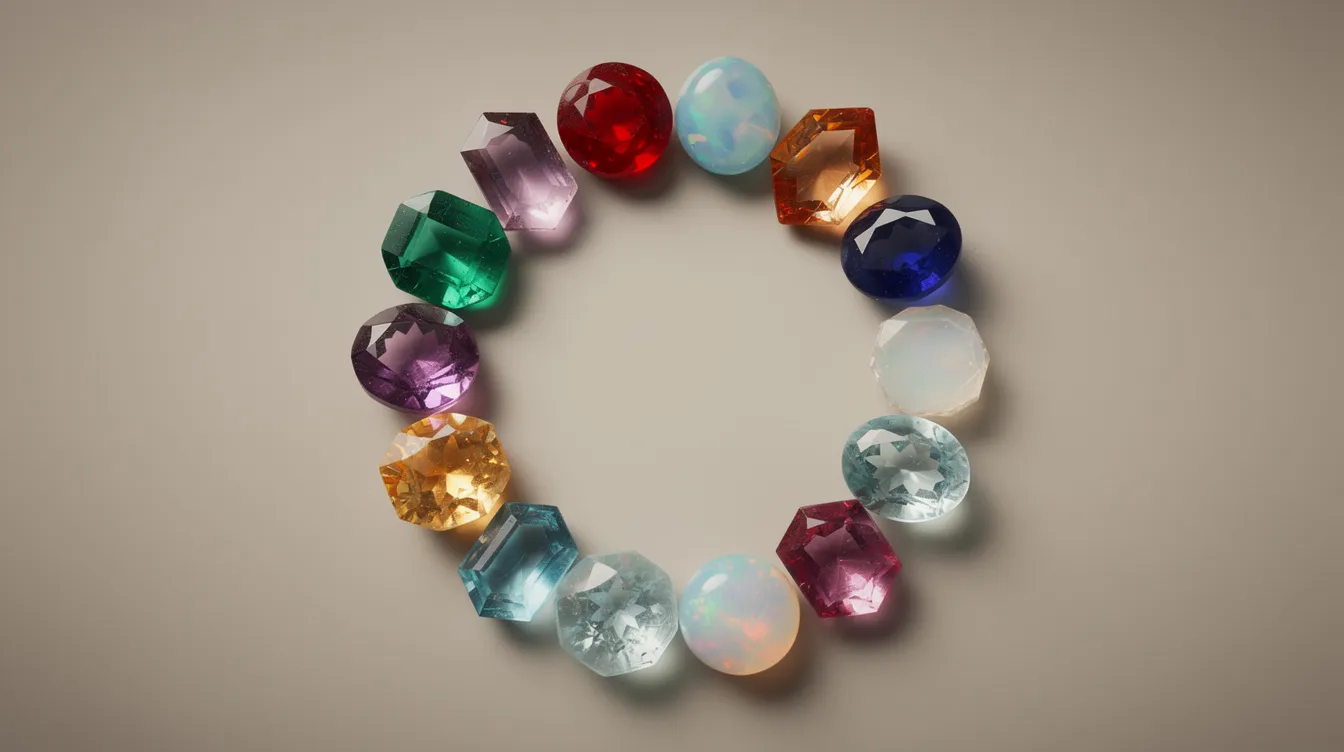
Quick Reference: Birthstones by Month
Need a fast answer to “What is my birthstone?” This section lists all twelve gemstones and their corresponding months at a glance.
|
Month |
Modern Birthstone(s) |
|---|---|
|
January |
Garnet |
|
February |
Amethyst |
|
March |
Aquamarine, Bloodstone |
|
April |
Diamond |
|
May |
Emerald |
|
June |
Pearl, Alexandrite, Moonstone |
|
July |
Ruby |
|
August |
Peridot, Spinel, Sardonyx |
|
September |
Sapphire |
|
October |
Opal, Tourmaline |
|
November |
Topaz, Citrine |
|
December |
Tanzanite, Turquoise, Zircon |
History of Birthstones
The tradition of birthstones is often traced back to the Breastplate of Aaron, which contained twelve gems representing the tribes of Israel. Over centuries, these twelve gemstones became linked first with zodiac signs, then with calendar months as European customs evolved.
The modern custom of wearing a single birthstone tied to one’s birth month began in 16th-century Germany or 18th-century Poland, replacing older practices where people wore a different stone each month to gain full benefits. The National Association of Jewelers in the United States officially standardized the birthstone list in 1912, creating the foundation for the modern list we follow today.
This list has continued to evolve. Tanzanite was added as a December option in 2002, and spinel joined August in 2016. Many months have modern alternatives for birthstones, reflecting changing tastes and newly discovered gems. Understanding the difference between traditional birthstones (older European customs) and modern birthstones (the 1912 list plus updates) helps explain why you might see different stones listed for the same month.
Birthstones by Month: Meanings and Gem Facts
Each month birthstones carry unique colours, symbolism, and cultural significance. Below, we explore what makes each stone special and how to wear it beautifully.
January Birthstone – Garnet
January’s birthstone is garnet, known for its rich red hues and symbolism of passion and energy. While deep crimson is most familiar, garnets actually appear in green hues, orange, and even violet varieties, and many people also associate January with alternative birthstones like rose quartz alongside traditional garnet gemstone jewellery.
Garnet symbolizes love, protection, and self-confidence, making it a cherished gemstone and a source of inspiration. Ancient Romans carved garnets into signet rings for sealing important pledges, and the stone became immensely popular in Victorian mourning jewellery.
-
Colours: Deep red to green, orange, and violet
-
Symbolism: Protection, friendship, loyalty, vitality
-
Jewellery ideas: Cluster rings, pendants, statement earrings
February Birthstone – Amethyst
February’s birthstone is amethyst, a purple variety of quartz that symbolizes peace and wisdom. Its colour ranges from soft lilac to intense royal violet, complementing both silver and gold settings and making amethyst birthstone jewellery a versatile choice for everyday wear and special occasions.
Amethyst is believed to symbolize peace, wisdom, and protection, offering clarity and emotional balance. Greek soldiers once wore amethyst amulets believing the stone prevented intoxication, while medieval clergy adopted it for rings symbolizing spiritual purity.
-
Colours: Pale lilac to deep violet
-
Symbolism: Calm, clarity, spiritual protection
-
Jewellery ideas: Delicate studs, cocktail rings, drop earrings
March Birthstones – Aquamarine & Bloodstone
March has two birthstones: aquamarine, which evokes the colours of the sea, and bloodstone, known for its health and strength attributes. Both belong to the traditional gems associated with this month.
Aquamarine, part of the beryl family, displays serene blue tones and symbolizes courage and serenity. Sailors historically carried it for safe voyages. Bloodstone—dark green jasper flecked with red—connects to resilience and healing, often appearing in signet rings and masculine designs.
-
Colours: Pale blue (aquamarine); dark green with red specks (bloodstone)
-
Symbolism: Serenity, courage, strength
-
Jewellery ideas: Aquamarine engagement-style rings; bloodstone signet rings
April Birthstone – Diamond
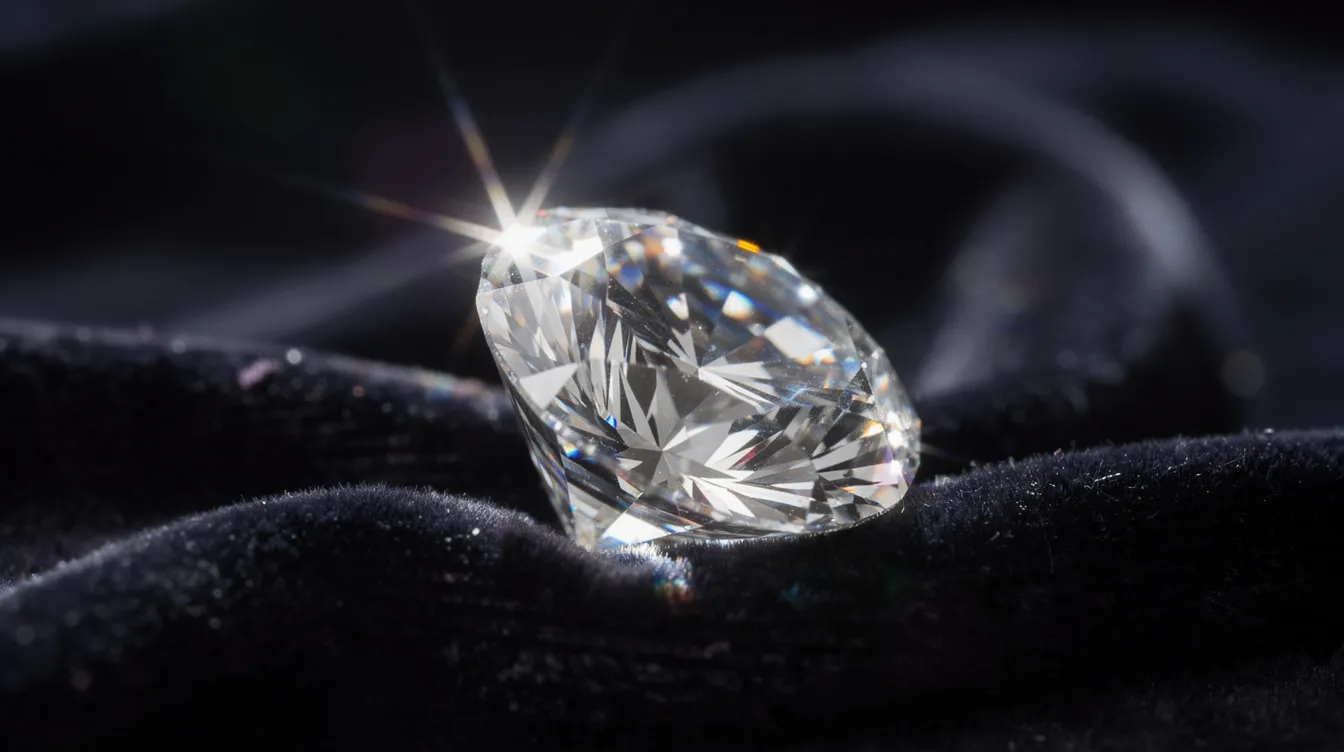
April’s birthstone is diamond, renowned for its brilliance and clarity, symbolizing everlasting love. Rating 10 on the Mohs scale, diamonds offer exceptional brilliance and unmatched durability.
Each birthstone carries distinct traits, and diamonds represent strength alongside their romantic associations. From royal ceremonies to modern engagement traditions, diamonds remain among the most sought after gemstones worldwide.
-
Colours: Colourless (most common); fancy colours available
-
Symbolism: Everlasting love, purity, strength
-
Jewellery ideas: Solitaire pendants, eternity bands, stacking rings
May Birthstone – Emerald
May’s birthstone is emerald, celebrated for its lush green colour and association with love and abundance. Also from the beryl family, emeralds feature natural inclusions called “jardin” that are accepted as part of their character.
Emeralds are associated with love, wisdom, and abundance, believed to bring prosperity and positive transformation to the wearer. Colombia supplies most of the world’s finest emeralds, continuing a tradition stretching back to Cleopatra’s legendary collection.
-
Colours: Saturated green with natural inclusions
-
Symbolism: Renewal, growth, love, wisdom
-
Jewellery ideas: Halo rings, emerald-and-diamond earrings
June Birthstones – Pearl, Alexandrite & Moonstone
June has three birthstones: pearl, alexandrite, and moonstone, each with unique colors and characteristics. This makes the June birthstone category one of the most versatile for gift-givers, with June birthstone guides explaining how pearl, moonstone, and alexandrite jewellery can suit different tastes and styles.
Pearls, organic gems formed in molluscs, offer timeless beauty and symbolize purity and elegance. They suit classic strands and modern minimalist designs alike.
Alexandrite displays a remarkable colour-change effect—appearing green in daylight and reddish under incandescent light. Discovered in 1830 in Russia’s Ural Mountains, it remains exceptionally rare.
Moonstone glows with a soft adularescence that evokes lunar light, connecting to intuition and femininity. The three June birthstones offer distinct aesthetics ranging from classic beauty to mystical appeal.
-
Pearl: Classic white or cream; purity, elegance
-
Alexandrite: Colour-changing green to red; transformation, balance
-
Moonstone: Ethereal glow; intuition, emotional calm
July Birthstone – Ruby
The July birthstone is ruby, one of the precious gems known as the “king of precious stones.” Its vivid red colour—sometimes with pink or purplish undertones—comes from chromium content, and ruby birthstone jewellery is often chosen to mark passionate, heartfelt milestones.
Rubies symbolize love, courage, and prosperity, believed to protect against misfortune and inspire confidence. Myanmar’s legendary mines produce the highly valued “pigeon blood” rubies prized by collectors worldwide.
-
Colours: Vivid red to slightly pinkish-red
-
Symbolism: Passion, vitality, protection
-
Jewellery ideas: Centre stone rings, pavé bands, ruby-accented eternity rings
August Birthstones – Peridot, Spinel & Sardonyx
The August birthstone options include peridot, spinel, and sardonyx, offering three distinctly different looks. Peridot glows in lime-to-olive green, historically called the “evening emerald” by ancient Egyptians, and modern peridot birthstone jewellery collections celebrate its reputation for harmony and well-being.
Spinel appears in vibrant reds and pinks, often confused with ruby throughout history. It offers excellent durability similar to sapphire. Sardonyx, with its reddish-brown and white bands, was favoured by Romans for seal stones representing eloquence.
-
Peridot: Lime green; warmth, positivity
-
Spinel: Reds, pinks, blues; revitalisation
-
Sardonyx: Banded brown/white; courage, eloquence
September Birthstone – Sapphire
The September birthstone is sapphire, famous for its deep blues though it appears in pink, yellow, and other shades as well. Part of the corundum family alongside ruby, sapphire offers excellent durability for everyday jewellery, and many people value sapphire gemstone pieces for their blend of beauty and spiritual symbolism.
Sapphires are said to symbolize wisdom, loyalty, and inner peace, inspiring truth, clarity of thought, and spiritual growth. Royal sapphire engagement rings have cemented this stone’s regal reputation for generations.
-
Colours: Classic blue; also pink, yellow, green
-
Symbolism: Wisdom, loyalty, truth
-
Jewellery ideas: Engagement rings, tennis bracelets, pendants
October Birthstones – Opal & Tourmaline
The October birthstone options are opal and tourmaline, both known for their extraordinary colour displays. Opal features shifting flashes of green, blue, red, and orange—a phenomenon called “play-of-colour,” while tourmaline birthstone jewellery showcases this gem’s soothing hues and balancing energy.
Tourmaline offers a wide array of colours, from pink to green to watermelon patterns. Both stones suit expressive personalities who appreciate coloured gemstones with unusual visual appeal.
-
Opal: Rainbow play-of-colour; creativity, inspiration
-
Tourmaline: Wide colour range; emotional balance, joy
November Birthstones – Topaz & Citrine
November features two birthstones: topaz and citrine, both displaying warm yellows and golden tones. Blue topaz has become especially popular for everyday wear, while golden imperial topaz remains rarer, and detailed guides to November birthstone jewellery and in‑depth looks at topaz and citrine can help you choose the best option.
The two November birthstones complement each other beautifully. Citrine, part of the quartz family, ranges from honey-yellow to amber and symbolizes optimism and abundance, inspiring many designers to create citrine birthstone jewellery that radiates joy and positivity. Both stones remain relatively affordable, making them ideal for larger statement pieces.
-
Topaz: Golden, orange, blue; confidence, healing
-
Citrine: Honey to amber; optimism, creativity
December Birthstones – Tanzanite, Turquoise & Zircon
December birthstones include tanzanite, turquoise, and zircon—all offering variations of blue. This makes December a “blue month” with three birthstones suited to different styles, and many shoppers explore December birthstone options or focus on blue topaz, tanzanite, and turquoise when choosing a meaningful piece.
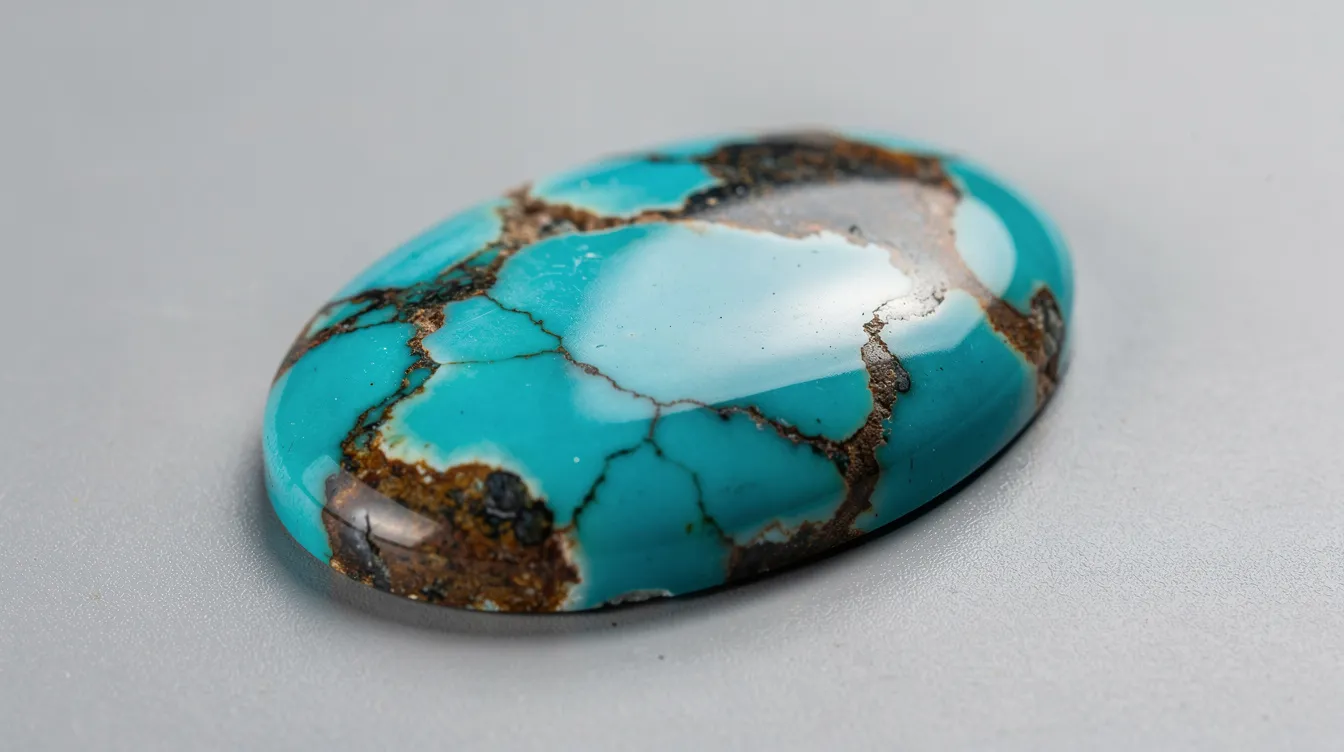
Tanzanite displays vivid violet-blue and comes exclusively from Tanzania, symbolizing transformation. Turquoise, with its opaque sky-blue tones, has served as protective talismans across many cultures, and dedicated turquoise birthstone guides highlight its long history as a symbol of luck and protection. Zircon (not synthetic cubic zirconia) offers fiery brilliance in blue and other hues.
-
Tanzanite: Violet-blue; spiritual growth
-
Turquoise: Opaque blue-green; protection, good fortune
-
Zircon: Fiery blue; clarity, insight
Modern vs Traditional Birthstone Lists
Different cultures and eras assign different stones to each month, which explains why you might encounter varying lists. The modern list stems primarily from the 1912 American standardization plus later updates, while the traditional list draws from older European or Ayurvedic associations.
For example, March’s traditional birthstone was primarily bloodstone, while aquamarine dominates modern lists. August historically featured only peridot before spinel and sardonyx were added as modern alternatives. Some traditional stones like bloodstone remain meaningful gemstone choices for those drawn to historical customs.
Jewellers and countries may follow slightly different lists, so you’re free to choose whichever tradition resonates most with your personal preferences or heritage.
Choosing and Wearing Birthstone Jewellery
Birthstone jewelry is a popular way to celebrate personal milestones and significant life events, making it a thoughtful gift for occasions such as birthdays, anniversaries, and graduations. Incorporating birthstones into jewelry can be done in various ways, such as adding them to rings, necklaces, or bracelets, allowing for personalization that reflects the wearer’s identity or relationships.
Consider matching birthstones to personal style:
-
Bold personalities: Larger centre stones in ruby, emerald, or sapphire
-
Subtle tastes: Delicate pendants or stacking rings with smaller gems
-
Metal pairings: Rose gold for warm tones like citrine; white gold for diamonds and sapphires
Popular jewellery types include everyday studs, symbolic stacking rings, engraved birthstone bracelets, and multi-stone family necklaces featuring children’s or partners’ birth months. Don’t feel limited to your own month—choosing stones that reflect important people or qualities in your life creates equally meaningful connections.
Care Tips for Popular Birthstones
Different gems have different hardness levels on the Mohs scale, affecting how you should clean and store them.
|
Durability |
Stones |
Care Notes |
|---|---|---|
|
Very Hard (8-10) |
Diamond, sapphire, ruby |
Safe for daily wear; professional ultrasonic cleaning acceptable |
|
Medium (7-7.5) |
Aquamarine, garnet, topaz, tourmaline |
Avoid harsh impacts; mild soap and water cleaning |
|
Delicate (5-7) |
Opal, pearl, turquoise, moonstone |
Remove for swimming/cleaning; avoid chemicals and ultrasonics |
|
Store harder stones separately from softer ones in silk pouches or divided compartments. Schedule annual professional inspections for frequently worn pieces like engagement rings or daily birthstone pendants to catch loose settings early. |
|
|
Frequently Asked Questions About Birthstones
What is a birthstone? A birthstone is a gemstone traditionally associated with a specific calendar month. Birthstones are believed to hold special powers, such as protecting the wearer and bringing good fortune.
How do I know my birthstone? Your birthstone is determined by your Gregorian calendar birth month. The tradition of wearing birthstones dates back to the 16th century, evolving over time to include the modern concept of each stone representing a specific birth month.
Can I wear a different month’s birthstone? Absolutely. Many people born in any month choose stones based on colour preference, symbolic meaning, or to honour loved ones.
Is there a difference between modern and traditional birthstones? Yes. Modern birthstones follow the 1912 standardized list with updates, while traditional gems reflect older European or cultural customs. Both are valid choices.
Are lab-grown birthstones acceptable? Lab-grown gems are chemically identical to mined stones and cost significantly less. They’re widely accepted for birthstone jewellery when properly disclosed.
Which birthstones are suitable for everyday wear? Sapphire, ruby, and diamond offer the best durability. Opal, pearl, and turquoise require gentler handling and occasional wear.
Are some birthstones more valuable than others? Yes. Diamonds, rubies, emeralds, and sapphires rank among the sought after gemstones commanding highest prices, while amethyst, citrine, and peridot remain more affordable.
Whether you choose a stone by month, by unique meaning, or simply by the colours you love most, birthstone jewellery connects you to centuries of tradition while celebrating what makes you uniquely you.
Leave a comment