

In Arabic culture, the word Ummi (أمي) transcends the simple translation of "my mother" to embody profound emotional, cultural, and spiritual significance. This term reflects not only familial bonds but also the core of heritage and identity, making it a powerful expression of devotion, respect, and gratitude.
Understanding Ummi offers deep insight into the intimate connection between a child and their mom, highlighting the deep-rooted cultural reverence for motherhood that shapes family dynamics across Arabic-speaking communities worldwide. It also reflects the universal appreciation for maternal love that resonates across cultures.
The Linguistic Roots: "Umm" as the Source
The term Ummi originates from the Arabic root Umm (أم), which means "mother," but its implications extend far beyond this basic definition:
-
The Foundation: Umm represents the "source" or "origin," emphasizing a mother's role as the foundation of life, identity, and emotional well-being.
-
Umm al-Kitab: The Quran is referred to as Umm al-Kitab (the Mother of the Book), symbolizing the ultimate source of divine guidance and wisdom, linking the concept of motherhood to spiritual origins, much like spiritual jewelry such as a “Bismillah Al-Rahman Al-Raheem” necklace beautifully merges faith and daily life.
-
Personal Connection: Saying "Ummi" is a personal and heartfelt acknowledgment that a mother is the origin of one’s existence, comfort, and emotional grounding.
This linguistic depth reveals why Ummi resonates so strongly in both everyday language and spiritual contexts, underscoring the profound change a mother imparts on her child's life from the very beginning.
The Spiritual Significance of Mothers
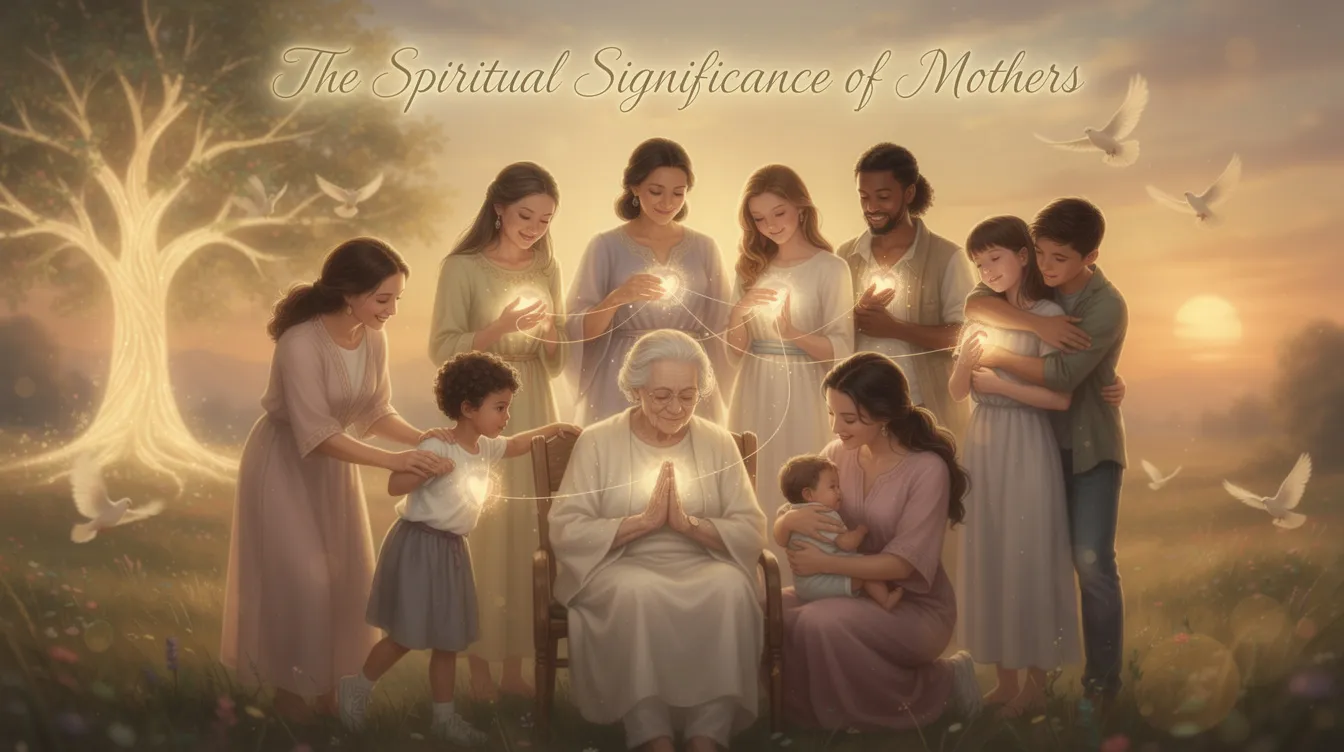
In Islamic tradition, mothers hold a revered status that intertwines with spiritual ideals:
-
The prophetic saying, "Paradise lies at the feet of mothers," highlights that honoring and serving one’s mother is a path to spiritual reward and closeness to God.
-
Qualities like Sabr (patience), Rahma (mercy), and Ithar (selflessness) characterize motherhood, making Ummi a term imbued with sacred respect and divine blessing.
-
This spiritual dimension elevates the role of the mom beyond the familial into a divine relationship, inspiring gratitude, lifelong devotion, and acts of kindness.
Recognizing this sacred connection helps explain why songs like those by Maher Zain, a Swedish R&B singer of Lebanese origin, often celebrate mothers. His song "Ummi (Mother)," released in 2019 as part of an album of the same name, beautifully expresses deep love and appreciation for mothers, reflecting their profound influence on both personal and spiritual levels. The song lasts 4 minutes and 13 seconds, and its heartfelt lyrics convey a child's longing for their mother's satisfaction and love.
"Ummi" in Art and Jewelry
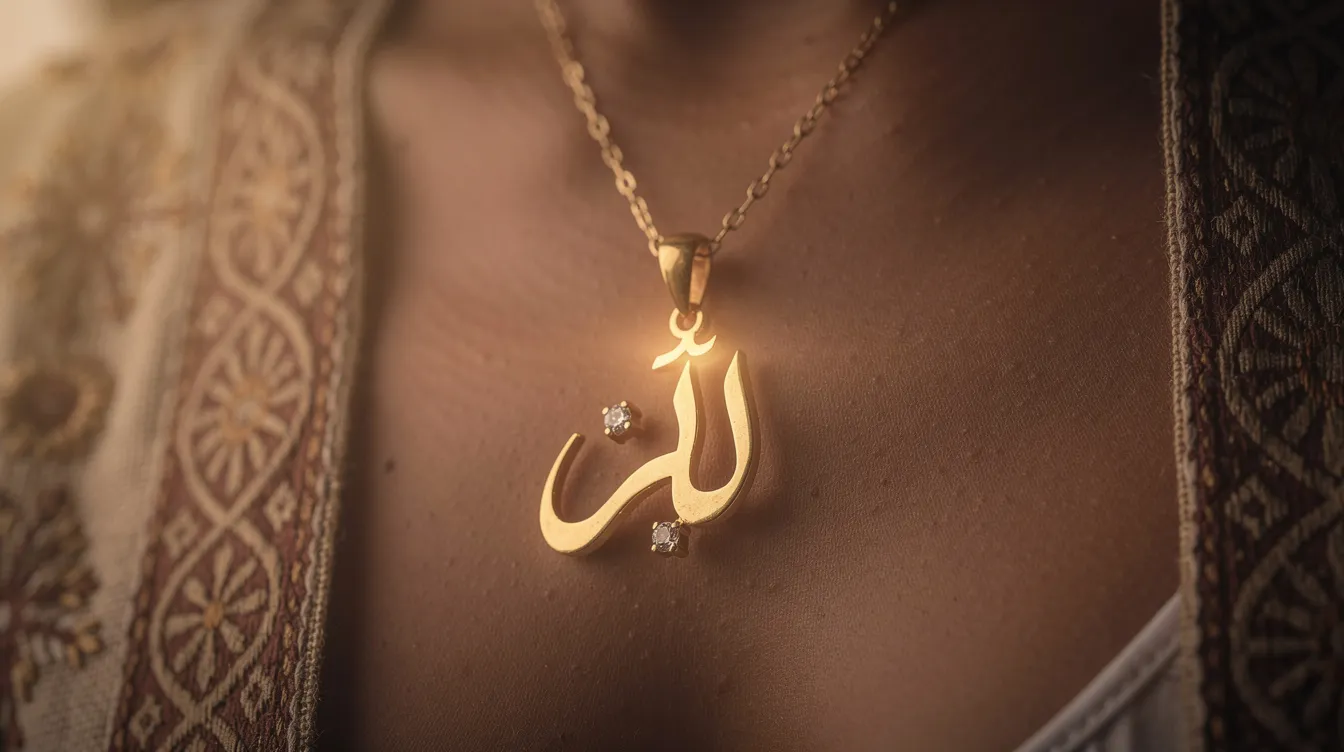
The beauty of the word Ummi extends into artistic expression, particularly in Arabic necklace designs and other jewelry that honor heritage, such as the "Cedar Grace" Lebanon necklace, where it becomes a symbol of love, protection, and cultural identity:
|
Style |
Symbolism |
|---|---|
|
Traditional Calligraphy |
Captures the fluidity and unity of the mother-child bond through elegant script. |
|
Gold & Sterling Silver |
Represents the timeless and precious nature of a mother’s love and sacrifice. |
|
Cradled Designs |
Designs that encircle the word Ummi symbolize safety, nurturing, and protection. |
|
Giving an Ummi Necklace is a meaningful gesture, especially in cultures where expressing love verbally may be limited. It conveys that a mother is the amazon of strength and the source of life—an enduring foundation that withstands time and change. Such jewelry pieces often serve as treasured keepsakes that connect generations and honor maternal devotion. |
|
The Universal Language of the "Ummi"
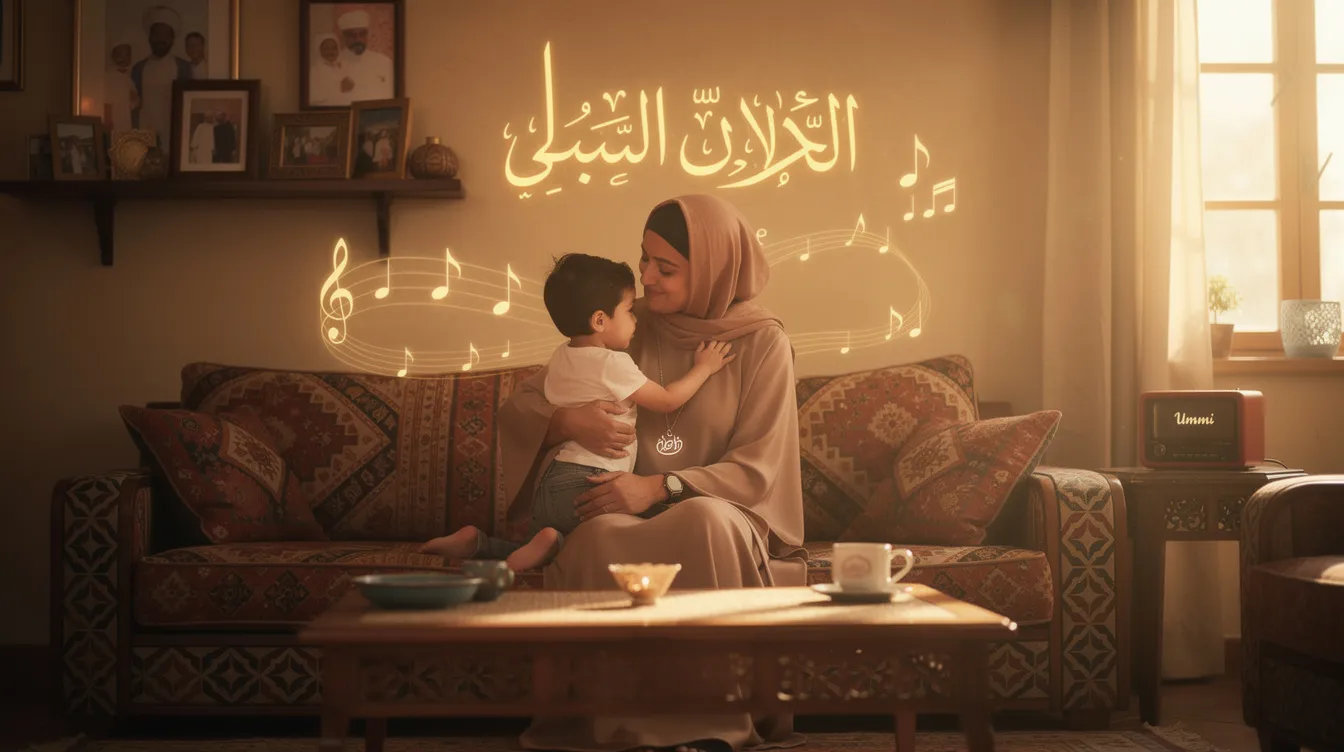
While Ummi is rooted in Arabic, its emotional resonance is universal:
-
It embodies the innate, unconditional love of a mother—a love that transcends language, culture, and geography, often reflected in symbolic pieces like a sterling silver Zulfiqar pendant that speak to strength, protection, and faith.
-
For those in the diaspora, wearing or speaking Ummi serves as a tangible link to heritage and identity, reinforcing familial bonds across distances.
-
The term’s simplicity and depth make it a powerful symbol of connection, grounding individuals in their values, origins, and the importance of family.
This universal appeal explains why Ummi features prominently in global artistic expressions, including romantic "Love in Arabic" necklace designs and other pieces like an eternal embrace sterling silver love necklace, English translations, and adaptations, making it accessible to a broader audience. The song Ummi (Mother) by Maher Zain, for example, has been widely shared and appreciated across cultures, further spreading the message of maternal love and respect.
Related Tags and Cultural Connections
Motherhood, maternal love, Arabic culture, Islamic tradition, Maher Zain, Arabic calligraphy, Ummi necklace, spiritual significance, family bonds, cultural heritage, Arabic music, diaspora identity, and Ummi (Mother) song are some related tags that connect the rich cultural and spiritual layers associated with the term Ummi.
Frequently Asked Questions (FAQs)
What is the difference between "Umm" and "Ummi"?
Umm is the general term for "mother" or "source" in Arabic, while Ummi means "my mother," adding a possessive suffix that personalizes the term and deepens its emotional impact.
Why is "Ummi" often used in Arabic calligraphy jewelry?
The Arabic script for Ummi (أمي) is naturally balanced and aesthetically pleasing, allowing designers to craft pieces that are both visually stunning and emotionally meaningful.
Is "Ummi" only a religious term?
No. Although it carries significant spiritual meaning in Islam, Ummi is widely used across Arabic-speaking communities of various faiths as a heartfelt expression of love and respect for mothers.
What does "Ummi" mean in the context of the Prophet Muhammad?
The Prophet Muhammad is sometimes called Al-Nabi al-Ummi, often translated as "the unlettered prophet." Scholars also interpret this as indicating a pure, original state, linking to the root Umm and emphasizing natural purity and connection to the people.
When was Maher Zain's song "Ummi (Mother)" released?
Maher Zain’s song Ummi (Mother) was released in 2019 as part of an album of the same name, capturing the deep love and appreciation for mothers through heartfelt lyrics and soulful melodies.
Final Thoughts:
Exploring the word Ummi reveals a rich tapestry of linguistic, cultural, and spiritual meanings that honor the pivotal role of the mom. Whether embraced through art, music by artists like Maher Zain, or simple daily expressions, Ummi remains a timeless tribute to the enduring foundation that mothers provide. Embracing this term invites us to cherish and celebrate the profound change a mother brings into our lives, connecting us to our roots, faith, and the universal language of love.
Leave a comment