

If you’re shopping for birthstone jewelry or curious about which month claims the priciest gem, you’ve come to the right place. This guide is designed for jewelry buyers, collectors, and anyone interested in understanding the value and rarity of birthstones to make informed purchasing decisions. Natural diamond—April’s birthstone—holds the crown as the most expensive birthstone in 2026, with high-quality colorless stones commanding $3,000 to $11,000+ per carat. But the story doesn’t end there. This guide breaks down all 12 birthstones by typical retail price, rarity level, and practical wearability.
Quick Answer: What Is the Most Expensive Birthstone?
Natural diamond (April) is definitively the most expensive birthstone in 2026 when comparing per-carat prices for high-quality stones. A well-cut 1-carat colorless diamond with excellent grades typically retails between $3,000 and $11,000, depending on the 4Cs. Diamonds are renowned for their exceptional hardness and brilliance, and their rarity increases significantly in larger sizes and high-quality grades. They also have a high refractive index, which gives them exceptional sparkle known as "fire." Diamonds classified as Type IIa are the purest type known, containing very little if any nitrogen impurities, further enhancing their value.
However, the real extremes emerge in fancy-color diamonds. Top-tier blue, pink, and red diamonds from legendary sources like South Africa’s Cullinan mine or Australia’s now-closed Argyle mine can exceed $1,000,000 per carat at major auctions. The Pink Star diamond sold for approximately $71 million in 2017, while the Hope Diamond remains one of the most famous deep blue diamonds in any private collection or museum.
Among standard birthstone qualities—excluding museum-piece outliers—colorless diamonds still lead the pack. They’re followed closely by:
-
Fine ruby
-
High quality emeralds
-
Natural alexandrite
-
Premium sapphire
This article compares all 12 birthstones by typical retail price range, rarity level, and suitability for everyday jewelry. Whether you’re a jewelry lover seeking the perfect piece or a retailer building inventory, understanding these price dynamics helps you make informed decisions.
Top 12 Birthstones Ranked by Price (Most to Least Expensive)
A birthstone is a gemstone traditionally associated with a particular month of the year, often used in jewelry to represent a person's birth month.
This ranking reflects average high-quality natural stones in 1-2 carat sizes suitable for fine jewelry—not record-breaking auction pieces. Individual stones can move significantly based on quality, origin, and treatment status.
Price Band Key:
-
$$$ = over $1,000/ct
-
$$ = $100-$1,000/ct
-
$ = under $100/ct
Here’s how the most valuable birthstones stack up:
-
Diamond (April) – $3,000-$11,000+/ct – $$$
-
Ruby (July) – $3,000-$10,000+/ct – $$$
-
Emerald (May) – $3,000-$7,000+/ct – $$$
-
Alexandrite (June) – $1,000-$12,000+/ct – $$$
-
Sapphire (September) – $1,000-$3,500+/ct – $$$
-
Opal (October, black varieties) – up to $3,500+/ct – $$$
-
Pearl (June, cultured pearls) – $50-$5,000 – $$ to $$$
-
Garnet (January, rare demantoid) – $500-$3,300+/ct – $$
-
Paraíba Tourmaline (October) – $5,000-$20,000+/ct – $$$
-
Topaz (November) – $25-$400/ct – $$
-
Peridot (August) – $40-$650/ct – $$
-
Amethyst (February) – $20-$100/ct – $
-
Citrine (November) – $10-$50/ct – $
Market conditions from 2024-2026—including the post-Argyle closure supply constraints and record auctions in Geneva, Hong Kong, and New York—continue supporting diamond and ruby at the apex of birthstones cost. These coveted gems maintain their positions through a combination of extreme rarity, cultural importance, and sustained collector demand.
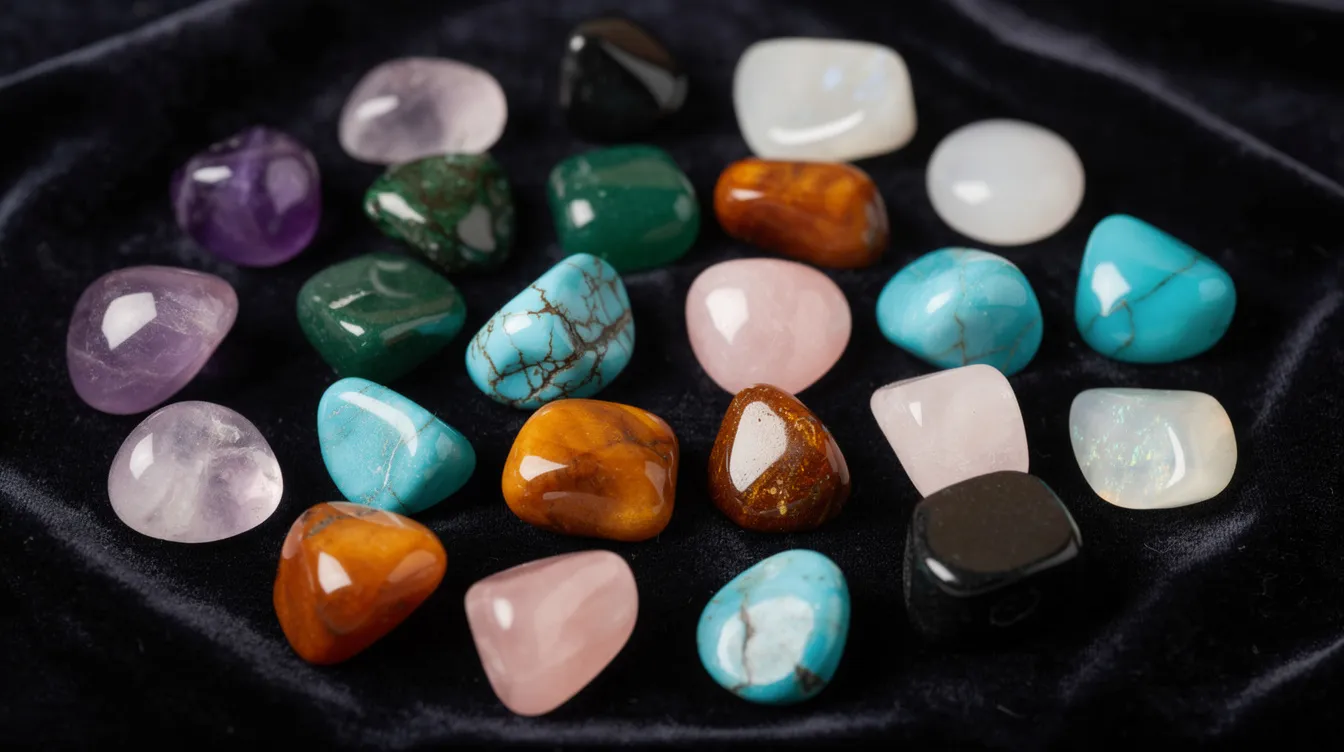
Most Expensive Birthstones in Order: Detailed Overview
This section expands on the price ranking, providing key facts for the five costliest birthstones: diamond, ruby, emerald, alexandrite, and sapphire.
Each subsection covers:
-
Price per carat range (typical retail in 2026)
-
Key color and clarity factors
-
Main sources
-
How rarity affects market value
All price figures reference natural, untreated or minimally treated gems with good cut in roughly 1-3 carat sizes, appropriate for fine jewelry settings. Investment-grade precious stones typically require reputable lab certificates from GIA, SSEF, or Gübelin to verify origin and treatment status.
Diamond
Diamond April is the undisputed champion among expensive birthstone options. Stones graded D-F color with FL-VVS clarity command the highest prices, particularly when paired with excellent or ideal cut grades. Stones with fewer inclusions ("flawless" examples) are exceptionally rare and highly prized. For diamonds, colorless (D-grade) or rare "fancy" colors like pink or blue command the highest prices.
2026 Price Range:
-
Standard colorless (1 carat, well-cut): $3,000-$11,000+
-
Fancy colors (rare blues, pinks, reds): Six to seven figures per carat
-
Flawless yellow diamond variants: Premium pricing above standard yellows
The 4Cs—color, clarity, cut, and carat weight—heavily influence final pricing. Cut quality matters enormously; an excellent round brilliant with perfect proportions can cost 20-30% more than a poorly cut stone of identical weight.
Major sources include Botswana (approximately 50% of global supply), Russia, Canada, and South Africa. Legendary gemstones like the Hope Diamond, the Pink Star, and the Graff Pink Diamond illustrate the extreme top of the market, though these aren’t typical retail benchmarks. The L’Incomparable Diamond Necklace featuring the largest internally flawless diamond also demonstrates diamond’s ceiling potential.
White diamonds with minimal inclusions and no fluorescence, verified by GIA certification with laser inscription, represent the standard for luxury gems in a platinum ring or white gold setting.
Lab-grown diamonds are excluded from this ranking because their wholesale and retail prices continue falling—often under $1,000 per carat—lacking the scarcity that drives natural diamond values.
Ruby
Ruby July frequently rivals diamond in price per carat for the finest specimens. High-quality rubies with intense saturation are scarce, making them one of the most valuable birthstones in the market. Many buyers also seek ruby for its emotional symbolism, and a dedicated July birthstone ruby jewelry collection highlights how this vivid red gem celebrates passion and special milestones. Burmese rubies with pigeon blood coloration—pure, vivid red with minimal purple or brown—represent the pinnacle of this expensive natural birthstones category. The most prized ruby is the "pigeon’s blood" red, known for its pure red tone with a touch of blue.
2026 Price Range:
-
Top-quality untreated (1 carat): $3,000-$10,000+
-
Exceptional pigeon blood Burmese: Exceeds $1,000,000/ct at auction
The Sunrise Ruby, a 26-carat Burmese stone, sold for $30 million at Sotheby’s—equivalent to approximately $1.15 million per carat. This demonstrates ruby’s potential to surpass even diamond at the highest quality levels.
Color quality reigns supreme. The ideal ruby displays:
-
Pure red with strong saturation
-
No brown or purple modifiers
-
Natural fluorescence under ultraviolet light
-
Good transparency
Key sources include Myanmar (Burma)—historically the most prized and now subject to embargoes that inflate values—along with Mozambique, Thailand, and Vietnam. Unheated certification from major labs significantly boosts value, as approximately 90% of market rubies undergo heat treatment.
Gems like alexandrite and high-quality rubies are geologically much scarcer than diamonds, which adds to their value.
Ruby’s long royal history in crowns and regalia, including Britain’s Imperial State Crown, sustains demand and exceptional prices among valuable gemstones.
Emerald
Emerald ranks among the “big three” precious stones alongside ruby and sapphire, typically claiming the third position among most valuable birthstones. Emeralds are classified as precious stones, and high-quality natural specimens with exceptional color and clarity are extremely scarce, significantly increasing their market value.
2026 Price Range:
-
Fine quality (1 carat): $3,000-$7,000+
-
Museum-grade Colombian: Substantially higher
-
Emerald cut stones with rich green color: Premium pricing
Colombian emeralds are especially expensive due to their superior color saturation compared to emeralds from other regions. The ideal emerald displays medium-dark bluish green with even saturation. Chromium and vanadium create emerald’s signature vibrant hue, distinguishing it from other gemstone varieties.
Unlike diamond, emerald tolerates inclusions. The characteristic “jardin” (garden) of internal features is expected and even authenticates natural origin. However, 70-90% of emeralds undergo oil or resin clarity enhancement—this treatment is stable and accepted when fully disclosed.
Major sources and their characteristics:
-
Colombia (Muzo, Chivor): Most prized, commands origin premium
-
Zambia: Cleaner stones, slight discount to Colombian
-
Brazil: Good color, more haziness
-
Afghanistan: Vivid but often heated
The Rockefeller Emerald (18.04 carats, $5.5 million) illustrates the upper market for high quality emeralds. Lab reports with full treatment disclosure are essential for significant purchases.
Alexandrite
Natural alexandrite is one of the rarest birthstones and can surpass diamond in price per carat for exceptional color-change specimens. Stones like alexandrite and tanzanite are found in only a few locations worldwide, limiting their supply. Alexandrite’s remarkable color-changing property—shifting from green in daylight to reddish-purple under incandescent light—makes it extremely rare and highly prized.
2026 Price Range:
-
Good quality (1 carat): $1,000-$3,000+
-
Top Russian or Brazilian with strong change: $5,000-$20,000+/ct
-
Exceptional fancy intense pink to red change: Even higher
Alexandrite’s famous phenomenon results from chromium absorption bands and selective light interaction. The stronger the color appears to shift, the more valuable the stone.
Historic Russian Ural deposits, discovered in the 1830s and favored by imperial collectors, are now largely depleted. Current production comes primarily from:
-
Brazil
-
Sri Lanka
-
East Africa
Most affordable alexandrite jewelry uses synthetic stones that replicate the color-change effect but carry dramatically lower value than natural alexandrite. The crystal structure of synthetic alexandrite is identical, but market value differs enormously.
Sapphire
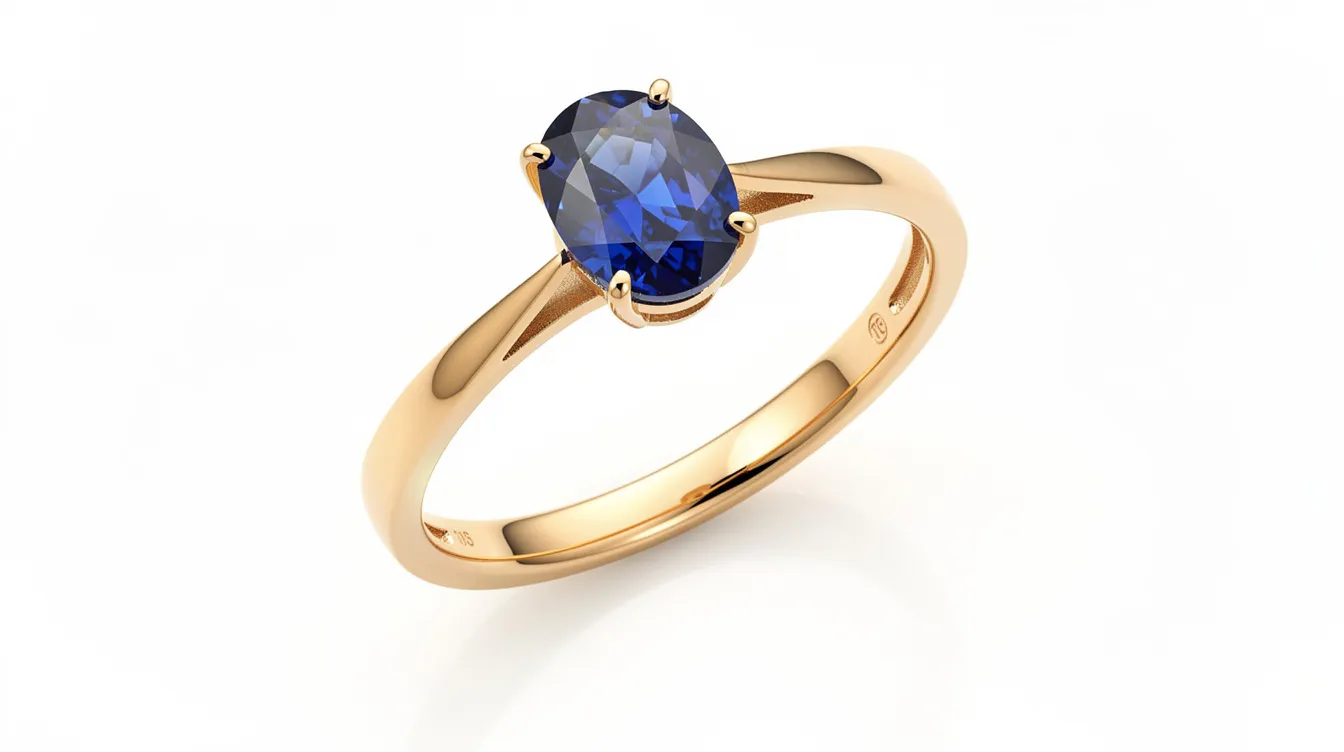
Sapphire completes the top five expensive birthstones, prized for exceptional hardness (Mohs 9) and stunning vibrant blue coloration. Its durability makes it ideal for daily-wear pieces like engagement rings. Beyond beauty and durability, many wearers are drawn to the September birthstone sapphire’s spiritual symbolism, including themes of wisdom, serenity, and mental clarity.
2026 Price Range:
-
Fine blue (1 carat): $1,000-$3,500+
-
Unheated Kashmir “velvet”: $10,000+/ct
-
Padparadscha (pink-orange): $8,000+/ct
The ideal blue sapphire displays medium to medium-dark “royal blue” with strong saturation and good transparency. The velvety blue color of Kashmir sapphires is highly sought after by collectors, contributing to their high market value. However, padparadscha sapphires—showing delicate pink-orange—are even rarer and often more expensive than standard blues.
While blue is the most traditional and valued color for sapphires, they can also come in other colors, including pink, yellow, and green. Sapphires are highly prized for their color, rarity, and historical significance, making them one of the more expensive birthstones.
The Blue Belle of Asia (392 carats) sold for $17.3 million, demonstrating sapphire’s auction potential. The Oppenheimer Blue, while a diamond, similarly shows how rare colors in any stone achieve extreme prices.
|
Origin |
Characteristics |
|---|---|
|
Sri Lanka (Ceylon) |
90% of supply, fine blues |
|
Kashmir |
Historic, “velvet” appearance, rarely available |
|
Myanmar (Burma) |
Deep blue, cornflower varieties |
|
Madagascar |
Growing source, good quality |
|
Thailand |
Commercial grades |
Heat treatment is common and stable in sapphires, but untreated stones command significant premiums. Sri Lankan sapphires remain particularly popular in engagement rings as a diamond alternative, driving demand for high-quality stones.
Cheapest Birthstones in 2026
Not all birthstones demand serious investment. Several remain abundant and highly affordable while offering genuine beauty for everyday wear. These more affordable birthstones make excellent choices for gifts, statement pieces, and accessible luxury.
This section focuses on four of the least expensive: amethyst (February), citrine (November), turquoise (December), and peridot (August). These affordable birthstones reference typical natural stones in commercial sizes (1-5 carats) available in mainstream jewelry stores.
Lower prices make these stones ideal for:
-
Daily wear without worry
-
Wedding gift options
-
Tennis bracelet designs
-
Larger statement pieces without extreme cost
Amethyst
Amethyst, a purple variety of quartz, ranks among the most affordable birthstones due to massive deposits in Brazil and Uruguay. Once considered “royal” and commanding high prices, 18th-century South American discoveries dramatically increased supply. For readers interested in symbolism and history, the February birthstone amethyst meaning and significance and our February birthstone amethyst gemstone jewelry collection offer deeper insight into this regal purple stone.
2026 Price Range: $20-$100/ct for attractive, eye-clean stones
The most desirable amethyst displays rich, even violet to reddish-purple with good transparency and minimal color zoning. Historical significance once placed amethyst among expensive jewel categories, but abundant supply now makes it accessible.
High supply and widespread use in sterling silver and fashion jewelry keep prices reasonable. A young girl’s first piece of fine jewelry often features amethyst for this reason.
Citrine
Citrine—the golden-yellow to orange variety of quartz—likely represents the cheapest birthstones category overall. Its warm tones and durability make it popular in fashion jewelry despite minimal cost. If you’re shopping for November gifts, you can explore November birthstone jewelry ideas with topaz and citrine or a dedicated November birthstone citrine gemstone collection to see how this sunny stone shines in different designs.
2026 Price Range: $10-$50/ct for bright, well-cut stones in 1-5 carat sizes
Most citrine on the market originates as heat-treated amethyst or smoky quartz. This treatment is stable, permanent, and widely accepted in the trade. Natural citrine is actually quite rare, but the treated material is abundant from Brazilian sources.
Citrine’s timeless appeal in bohemian and fashion jewelry, combined with extreme affordability, makes it accessible to virtually any budget.
Turquoise
Turquoise is an opaque blue to green copper mineral with strong cultural importance across regions including the American Southwest, Persia, and ancient Egypt. King Louis XIV reportedly valued fine turquoise among his collection. As one of three modern December gems, turquoise sits alongside blue topaz and tanzanite—our guide to the best December birthstones and a focused December birthstone turquoise gemstone collection show how each option offers its own look and meaning.
2026 Price Range: $10-$200/ct depending on:
-
Color intensity
-
Matrix pattern (black webbing)
-
Treatment status (natural, stabilized, reconstituted)
Top-quality untreated stones from classic mines—Sleeping Beauty in Arizona or older Iranian deposits—command higher prices. However, many commercial stones remain very affordable.
Turquoise requires careful consideration:
-
Softer (Mohs 5-6) and more porous than faceted birthstones
-
Benefits from protective settings
-
Avoid exposure to chemicals and prolonged sunlight
-
Limited supply makes top-quality material increasingly valuable
Peridot
Peridot presents a bright yellow-green to olive-green gem formed deep in volcanic and mantle rocks. Known historically as the “evening emerald,” its distinctive color results from iron content. You can dive deeper into peridot’s value and characteristics as August’s birthstone or browse an August birthstone peridot jewelry collection to see how this vibrant green gem is styled in modern designs.
2026 Price Range: $40-$200/ct for nice 1-3 carat stones
Widespread deposits in Arizona, China, and Pakistan keep supply steady and prices moderate. The most valuable peridot shows deeper green with minimal brown or yellow modifiers.
Considerations for peridot jewelry:
-
Mohs 6.5-7 hardness suitable for careful daily wear
-
Some brittleness requires protective settings
-
Neon green specimens command premium
-
Overall remains one of the cheapest birthstones for its carat weight
Birthstone Price Guide & Rarity: How Costs Are Determined
Birthstone prices depend on the same fundamentals as other gemstones: the 4Cs (for transparent stones), rarity, origin, and treatments. Understanding these factors helps you compare prices intelligently before planning purchases.
The 4 Cs Grading System
The standard grading system for gemstone quality is known as the 4 Cs: Color, Clarity, Cut, and Carat Weight. This system is used to evaluate and compare gemstones, especially diamonds and other transparent stones, and is essential for determining value and quality.
Color
Color evaluation involves three components:
-
Hue: The basic color (red, blue, green, etc.)
-
Tone: Light to dark intensity
-
Saturation: Vividness or grayness
Vivid, well-balanced colors bring highest prices in virtually every birthstone. Concrete benchmarks:
|
Stone |
Ideal Color |
|---|---|
|
Ruby |
Pure red, “pigeon blood” |
|
Emerald |
Vivid bluish-green |
|
Sapphire |
Medium-dark “royal blue” |
|
Alexandrite |
Strong color change (50%+) |
|
Secondary hues (brown, gray, excessive yellow or purple) and color zoning typically reduce value. Compare stones side by side in natural daylight when possible. |
|
Clarity
Clarity describes internal inclusions and surface blemishes visible to the eye or under magnification.
Different standards apply to different stones:
-
Diamonds: Strict clarity scales (FL to I3)
-
Emeralds: Inclusions expected and accepted
-
Alexandrite: Minor inclusions tolerated
-
Demantoid garnet: “Horsetail” inclusions actually add value
Heavily included stones cost less but may be structurally weaker and prone to damage. Balance clarity with color—a slightly included stone with outstanding color often proves more desirable than an internally flawless but pale example.
Cut
Cut encompasses shape and facet arrangement, controlling how light returns from the stone to create brilliance and fire.
For diamonds, excellent cuts (ideal round brilliant, well-proportioned fancy shapes) prove crucial for sparkle and significantly affect price. Hearts & Arrows patterns indicate top precision.
Colored stones often use mixed or custom cuts—oval, cushion, emerald cut—tailored to maximize color retention and carat weight rather than perfect symmetry.
When evaluating any birthstone, look for:
-
Even sparkle across the face
-
Minimal dark “window” areas in the center
-
Pleasing outline proportions
Carat Weight
Carat measures weight (1 carat = 0.2 grams), not direct size, which also depends on cut depth and stone density.
Price per carat jumps at “magic sizes”:
-
0.50 carats
-
1.00 carat
-
2.00 carats
-
3.00 carats
A 2-carat diamond of equal quality typically costs 3-4 times as much per carat as a 1-carat stone—not just twice as much. This exponential pricing reflects rarity curves in nature.
Budget-conscious buyers can consider slightly below thresholds (0.90 ct instead of 1.00 ct, 1.95 ct instead of 2.00 ct) to save money with minimal visible size difference.
Treatments & Enhancements
Common treatments include:
|
Treatment |
Typical Stones |
Status |
|---|---|---|
|
Heat treatment |
Ruby, sapphire |
Stable, widely accepted |
|
Oiling/resin |
Emerald |
Requires disclosure |
|
Irradiation |
Some topaz |
Stable |
|
Stabilization |
Turquoise |
Common for durability |
|
Treated stones are usually more affordable than rare untreated examples. Reputable sellers must always disclose treatments. |
|
|
|
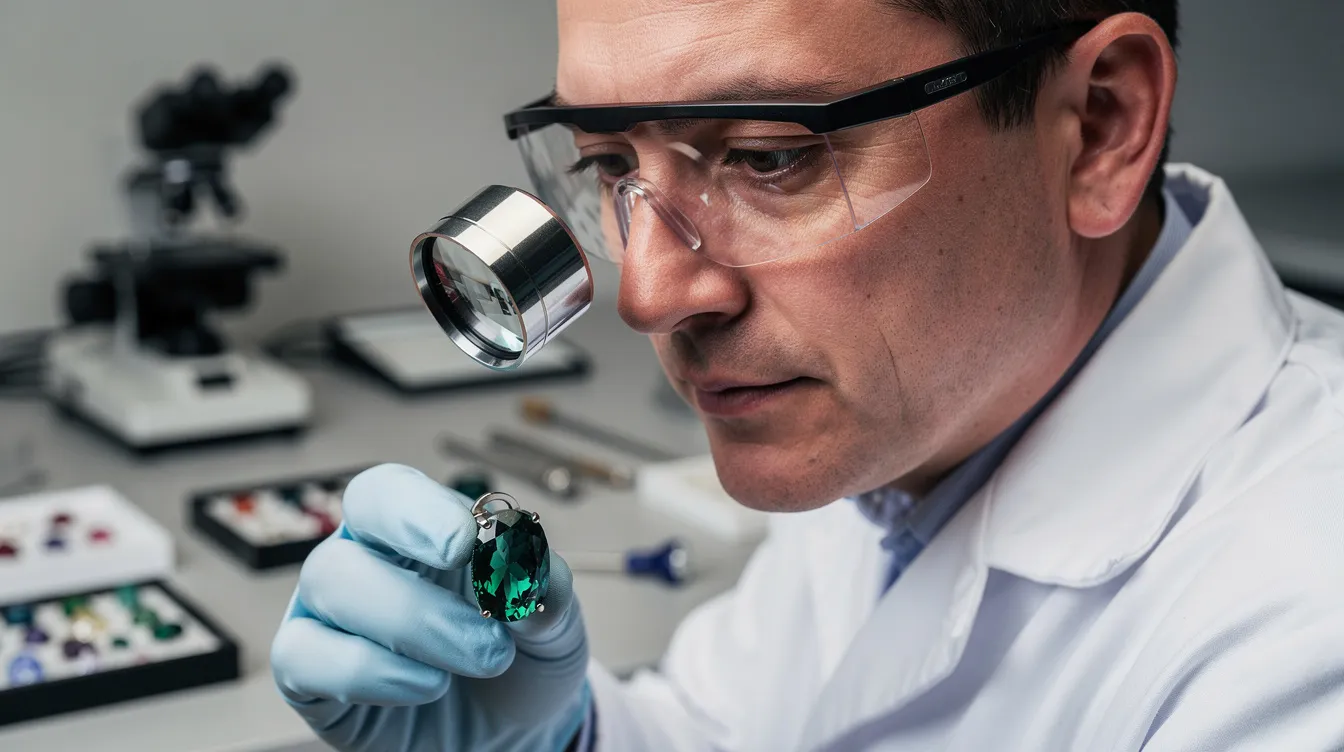
Laboratories like GIA, IGI, SSEF, and Gübelin detect treatments and issue reports indicating presence or absence. Request documentation when spending significant amounts on luxury gems. |
|
|
 |
|
|
How to Choose the Right Birthstone Jewelry
The “best” birthstone isn’t always the most expensive one. Durability, lifestyle, and budget should guide your choice alongside personal meaning.
Focus on balancing color beauty, stone hardness, and significance rather than price alone. Protective settings (bezels, halos) become important for softer or more brittle stones like emerald, opal, and turquoise.
For Jewelry Brands & Retailers
Build collections including both high-end precious birthstones (diamond, ruby, emerald, sapphire, alexandrite) and affordable options (amethyst, citrine, peridot, topaz, garnet).
Metal Selection Guidelines:
-
Platinum ring or 18k gold: Diamond and top-tier colored stones
-
14k gold or sterling silver: More affordable birthstones
Offer multiple carat weights so customers can trade off size versus quality within their budget. Someone seeking ruby July might prefer a smaller, vivid stone over a larger pale example.
Source with certificates for key stones and clearly label treatments per FTC guidelines. This transparency builds long-term customer trust and positions you as a reliable source for right birthstone jewelry recommendations.
Harry Winston and other prestigious houses demonstrate how combining legendary gemstones with exceptional craftsmanship creates lasting brand value.
For Jewelry Lovers & Gift Buyers
Choose a birthstone that feels personally meaningful—whether it matches your calendar month or simply represents a favorite color. The Hutton Mdivani Jadeite Necklace or Christie’s auction records show that personal connection often drives purchasing decisions more than technical specifications.
Prioritize wisely:
-
Color and overall appearance over raw size
-
A smaller vivid stone typically outperforms a larger pale one
-
Consider lifestyle durability needs
If your birthstone is very expensive (diamond, ruby, emerald, alexandrite), consider:
-
Smaller sizes
-
Accent designs with other gemstone companions
-
Alternative gems with similar vibrant hue for everyday wear
Durability recommendations:
-
Daily rings: Diamond, sapphire, ruby (Mohs 9-10)
-
Occasional wear: Opal, turquoise, cultured pearls, peridot
-
Always use protective settings for softer stones
Blue Moon sapphires or similar rare colors make exceptional pieces, but practical daily wear sometimes calls for harder stones.
Key Takeaways & FAQs About Expensive Birthstones
Core Points:
-
Diamond is the most expensive birthstone overall
-
Ruby, emerald, alexandrite, and sapphire follow closely
-
Amethyst and citrine represent the most affordable options
-
Rarity, quality, and untreated status push stones into expensive categories—not just the birth month label
Frequently Asked Questions:
What are the three most expensive natural birthstones? Diamond, ruby, and emerald consistently rank as the top three by price per carat for comparable quality.
Which birthstone is most powerful symbolically? Diamond is traditionally associated with strength, courage, invincibility, and eternal love—making it popular for engagement rings and significant life milestones.
Which birthstones are best for tight budgets? Citrine, amethyst, turquoise, and peridot offer beauty and meaning without significant expense.
Is an expensive necklace always better than affordable pieces? Not necessarily. A well-chosen amethyst or peridot piece can bring more daily joy than an expensive jewel you’re afraid to wear.
Use this information to compare prices, ask informed questions, and select birthstone jewelry that matches both your heart and your budget. Whether you’re drawn to a deep blue sapphire or a sunny citrine, understanding what drives value helps you make confident, satisfying choices.
Leave a comment