

Citrine gemstone meaning centers on its vibrant energy as a golden yellow stone symbolizing abundance, positivity, and transformation. Known for its bright energy, citrine is celebrated for attracting prosperity and promoting joy, making it a perfect stone for those seeking to enhance personal power and positive energy in their lives.
This guide is designed for anyone interested in the deeper meaning, uses, and care of citrine—whether you're a crystal enthusiast, jewelry collector, or simply curious about this vibrant gemstone. Understanding citrine's properties can help you harness its energy for positivity, abundance, and personal growth. By learning about citrine’s origins, symbolism, and practical applications, you can make informed choices for personal empowerment, spiritual growth, or smart purchasing decisions.
Origins and Varieties
Brazil stands as the primary source of citrine, producing a wide range of various shades from pale lemon yellow to deep amber. Madagascar is renowned for its particularly vivid citrine hues, prized for their clarity and intensity. Bolivia offers rarer citrine specimens, often with unique color characteristics that appeal to collectors. Despite these rich deposits, naturally occurring citrine is less common in the market compared to heat-treated stones, making natural specimens especially valuable.
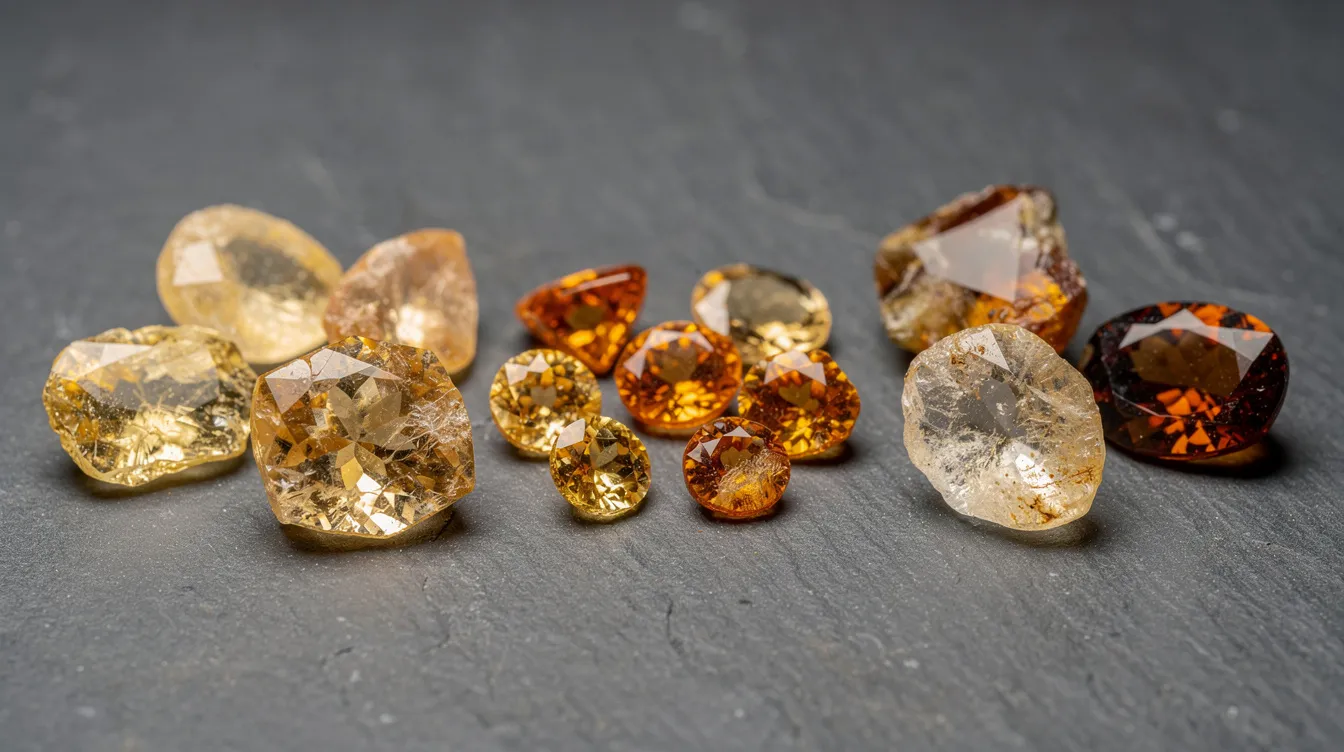
Madeira Citrine and Color Grades
Madeira citrine is distinguished by its deep orange tone, named after the Portuguese island known for its wine, reflecting the stone's rich, warm color. This variety contrasts with the more common pale golden yellow citrine, offering a luxurious, intense hue favored in fine jewelry. Visual examples of Madeira citrine alongside paler stones help illustrate the spectrum of citrine’s color grades, aiding buyers and enthusiasts in identifying quality and preference.
Heat Treated Amethyst and Heat Treated Citrine
Most citrine on the market is produced by heating amethyst, a process that transforms its purple amethyst hues into golden yellows. This heat treatment is prevalent because natural citrine is scarce. Visual cues such as overly uniform color or intense orange shades can indicate heat treatment. Understanding these differences helps buyers make informed decisions, especially when seeking authentic, naturally colored citrine.
Physical Characteristics of the Citrine Stone
Citrine is prized for its crystalline quartz clarity and transparency, often showcasing a luminous glow that enhances its golden yellow appeal. With a Mohs scale hardness of 7, it is durable enough for everyday wear but should still be handled with care to avoid chipping. The term “citrine” derives from the French word "citron," reflecting its lemon yellow color.
Color: Golden Yellow and Other Hues
The golden yellow color of citrine arises from small amounts of iron impurities within the quartz structure. This results in a palette ranging from pale lemon yellow to rich amber tones. Buyers should beware of dyed or stained quartz imitations that mimic citrine’s appearance but lack its natural qualities.
Crystal Form and Hardness
Citrine commonly forms in prismatic or pyramidal crystals, sometimes clustering in groups. Photos showcasing single-point citrine crystals can illustrate its typical crystal habits, emphasizing its natural beauty and structural integrity.
Metaphysical & Healing Properties

Citrine embodies themes of manifestation, prosperity, and positive energy. It is widely regarded as a healing crystal that amplifies joy and optimism while dispelling negative energy and stagnant energy from one’s environment.
Healing Properties
Physically, citrine is believed to support digestion and metabolism, promoting balanced energy and vitality. Energetically, it aids emotional healing by boosting self-esteem, inner strength, and self-confidence, aligning with the solar plexus chakra to foster personal power and courage. Citrine is said to soothe fear and anxiety, instilling confidence by activating the solar plexus, the seat of willpower.
Mental Clarity, Creativity, and Manifestation
By enhancing mental clarity, citrine helps clear emotional blocks, enabling focused action and creative flow. Known as an 'energizer crystal,' citrine enhances mental clarity and creativity, making it easier to think outside the box and generate new ideas. Its association with manifestation makes it a favored stone during meditation to direct intentions with clarity and focus, enhancing creativity and problem-solving abilities.
Uses and Jewelry
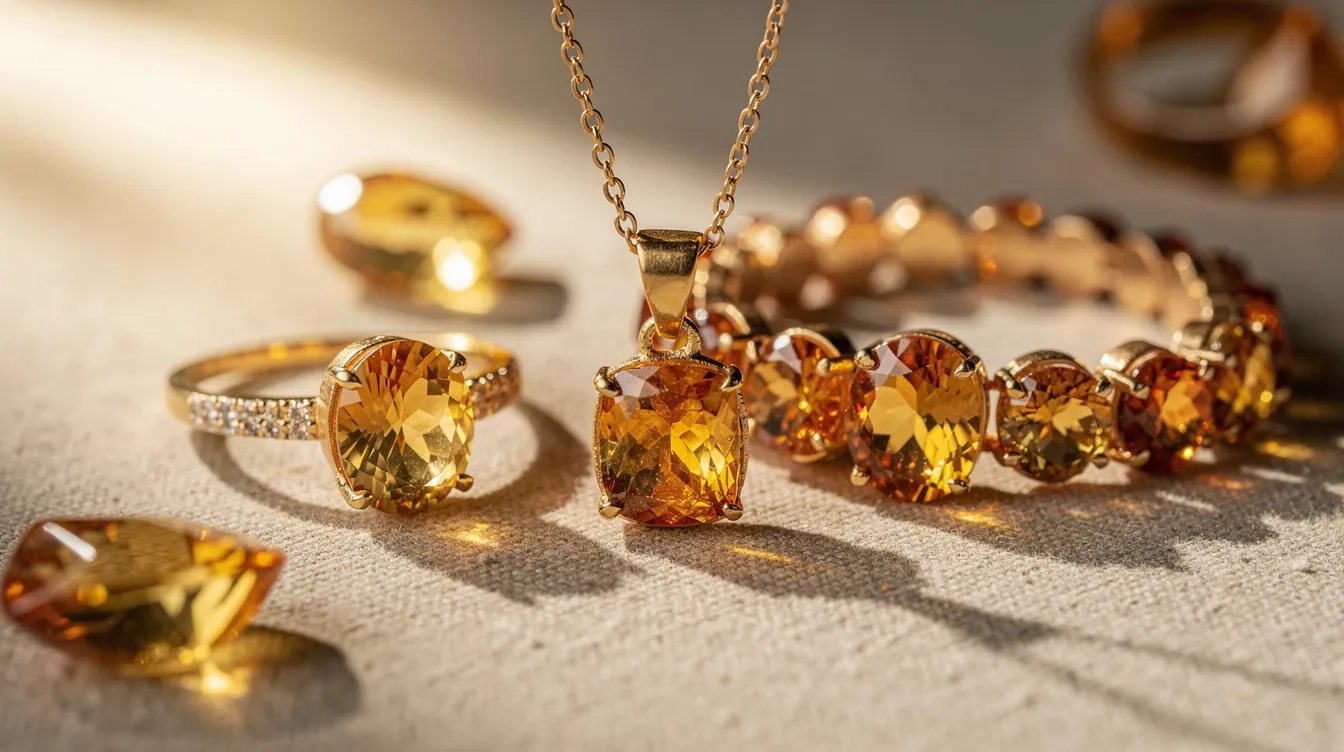
Citrine’s warm tones make it a favorite for various jewelry settings, including rings, necklaces, and bracelets. It is often chosen over similar gems like yellow topaz due to its affordability and vibrant energy, especially for those drawn to handcrafted gemstone jewellery for positivity.
Citrine Bracelet and Everyday Wear
When wearing a citrine bracelet, consider pairing it with metals like gold or silver to complement its golden yellow hues. While citrine is relatively durable, avoid exposure to harsh chemicals and store it in a soft cloth to prevent scratches and preserve its brilliance.
Citrine Crystals in Grids, Meditation, and Feng Shui
Citrine crystals are popular in crystal grids designed to attract wealth and abundance. Placing a single citrine crystal near the solar plexus chakra during meditation amplifies its energetic benefits, promoting self-confidence and personal power. In Feng Shui, citrine is commonly placed in the southeast corner of a room or home to attract abundance and prosperity, harnessing its energy to enhance financial success and positive flow, and it is especially cherished as the November birthstone citrine gemstone.
Care, Cleanse Citrine, and Charge Citrine
Proper care preserves citrine’s vibrant energy and color. Avoid prolonged exposure to heat and direct sunlight, which can cause fading.
How To Cleanse Citrine
Cleanse citrine by rinsing it under running water or passing it through the smoke of white sage or cedar. Avoid harsh chemicals and high temperatures. Citrine can also be cleansed using sound vibrations from a singing bowl or tuning fork by passing the stone through the sound waves to refresh its energy. Using a selenite plate to cleanse and charge citrine involves placing the stone on the selenite surface for a couple of hours.
How To Charge Citrine
Recharge citrine’s energy by placing it under the gentle lunar light of a full moon. While sunlight can energize citrine, limit exposure to avoid color fading. Placing citrine near other crystals like clear quartz or rose quartz can also enhance its positive energy.
Identifying Real Citrine and Buying Tips
Spotting heat treated citrine involves looking for overly uniform color and intense orange hues. Natural citrine often displays more subtle, varied tones. Price varies by color intensity, with Madeira citrine commanding premium rates due to its rich hue. Always request a lab report for high-value purchases to verify authenticity.
Historical Significance of Citrine
Citrine has a rich history of use and symbolism across ancient and classical cultures. Ancient Egyptians used citrine as talismans to draw life force and ward off evil. Greeks used citrine as early as 300 BC for jewelry and engraved gems, associating it with Demeter, the goddess of harvest. During the Roman Empire, citrine was popular in jewelry, often cut into pendants, cabochons, or beads, and used to adorn rings, brooches, and necklaces. In the 17th century, citrine was used to adorn the hilts of daggers and swords, both decoratively and protectively. Citrine is also recognized as the modern birthstone for November and the traditional gift for the 13th wedding anniversary, inspiring many stunning November birthstone jewellery ideas with topaz and citrine.
Final Thoughts
Citrine is more than a beautiful yellow quartz; it is a powerful stone that embodies abundance, positivity, and personal empowerment. Whether worn as jewelry, used in meditation, or placed in your environment, citrine’s vibrant energy can brighten your life and help manifest your goals. To harness its full potential, care for your citrine properly and incorporate it intentionally into your daily routine. Embrace citrine as your merchant's stone and let its bright energy attract wealth, joy, and confidence into your world.
Frequently Asked Questions about Citrine Gemstone Meaning
What is the meaning of citrine gemstone?
Citrine gemstone meaning centers on abundance, positivity, and transformation. It is known as a stone that attracts prosperity, joy, and personal empowerment. Its golden yellow hues symbolize warmth, clarity, and optimism, making it a popular choice for manifesting success and clearing negative energy and for exploring the best stone for November birthstone and its significance.
Key Symbolic Meanings and Uses of Citrine:
-
Diminishes negativity and inspires new beginnings
-
Attracts wealth and prosperity, known as the merchant's stone
-
Promotes joy and optimism, eliminating negative energies
-
Stimulates creativity and inspiration
-
Empowers self-esteem and mental clarity
-
Used as a manifestation stone to turn aspirations into reality
-
Modern birthstone for November and 13th wedding anniversary, often featured in brilliant November birthstone jewelry ideas with topaz and citrine
Where does citrine come from?
Citrine deposits are found worldwide, with major sources including Brazil, Madagascar, Zambia, Russia, Bolivia, and the United States. Brazil is the leading producer, especially known for its wide range of citrine colors. Madagascar produces particularly vivid stones, while other regions offer unique hues and qualities.
How do I use citrine for crystal healing?
You can use citrine in crystal healing by placing it on the solar plexus chakra to boost self-confidence and personal power. It is also effective in meditation to enhance mental clarity and creativity. Carrying or wearing citrine helps maintain its positive energy throughout the day, and placing it in your home can attract abundance and dispel negativity.
Can I wear citrine every day?
Yes, you can wear citrine every day. It is a durable stone with a Mohs hardness of 7, suitable for daily jewelry like bracelets, rings, and necklaces. However, avoid exposing it to harsh chemicals or prolonged direct sunlight to preserve its color and energy.
How do I care for and cleanse citrine?
To care for citrine, avoid heat and direct sunlight that can fade its color. Cleanse it by rinsing under running water, smudging with white sage or cedar smoke, or using sound vibrations from a singing bowl. Charging citrine under lunar light or on a selenite plate helps maintain its vibrant energy.
What stones pair well with citrine?
Citrine pairs well with other stones such as amethyst, rose quartz, aventurine, and pyrite. These combinations can amplify its energies and support manifestation, creativity, and positivity. Avoid pairing citrine with stones like black onyx or hematite, which may overpower its gentle energy.
Is citrine a natural or treated stone?
While natural citrine exists, much of the citrine on the market is heat-treated amethyst or smoky quartz. Heat treatment enhances the yellow to orange hues but can affect value and rarity. Natural citrine typically has softer, pale yellow tones, whereas treated stones often display more intense colors.
What is the significance of citrine in history?
Historically, citrine was used by ancient Greeks and Romans for jewelry and talismans. It was believed to protect against snake venom and the evil eye, and to attract abundance and prosperity. Renaissance merchants kept it in cash boxes to ward off bad business, earning citrine the nickname "merchant's stone."
Leave a comment