

Introduction to Natural Quartz Crystals
Natural quartz crystals are among the most abundant and fascinating minerals found on Earth. Composed primarily of silicon and oxygen, these crystals form a fundamental part of the planet’s geological makeup. Quartz crystals are celebrated not only for their striking beauty but also for their diverse benefits, making them a sought-after material among collectors, jewellers, and healers alike. They occur in a wide range of colours, from colourless and transparent forms known as rock crystal or clear quartz, to vibrant varieties like pink quartz and smoky quartz. As a key component in many rocks and minerals, quartz plays a crucial role in the Earth's crust, comprising about 12% of its mass. In fact, quartz is the second most common mineral or mineral group in Earth's lithosphere. Studying minerals such as quartz crystals helps us better understand the Earth's composition and the geological processes that have shaped its formation over millions of years.
Different Types of Natural Quartz Crystals
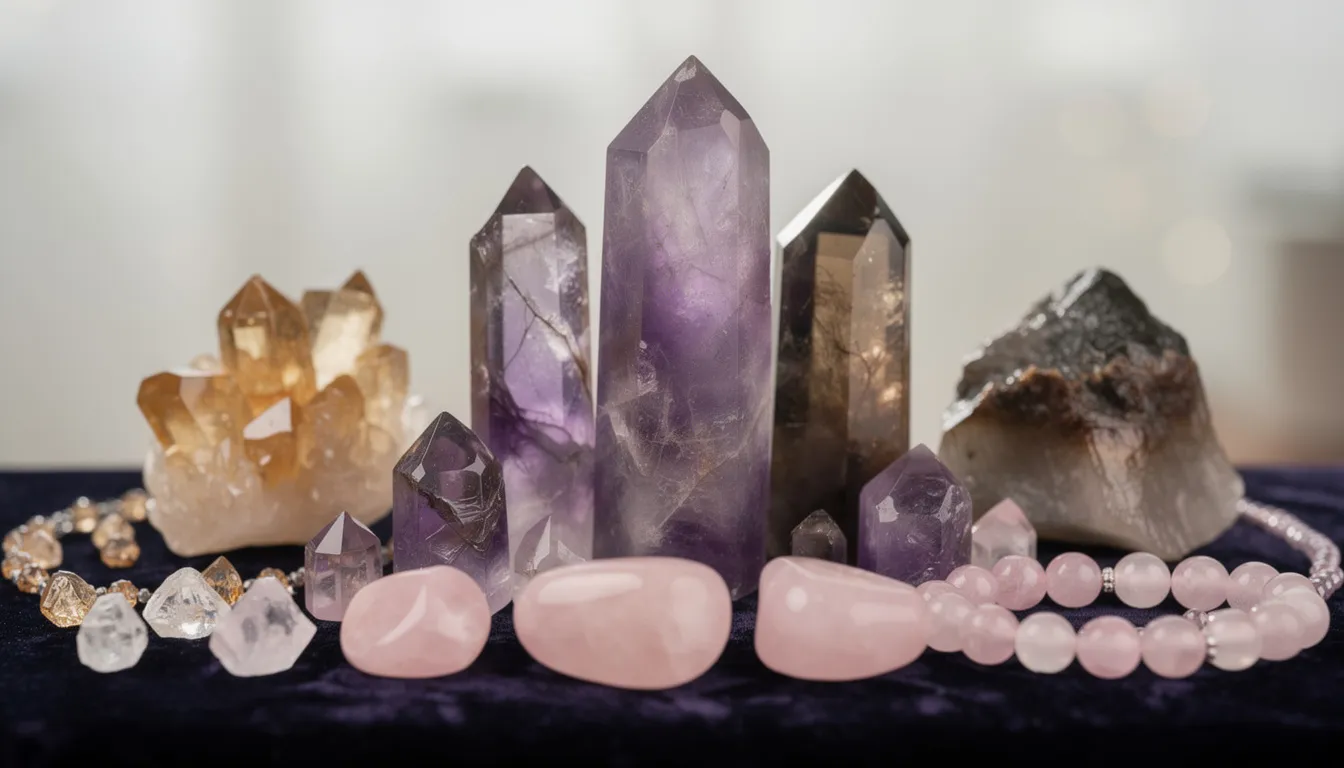
Quartz crystals come in numerous types, each distinguished by unique properties, colours, and metaphysical attributes. Among the most popular are amethyst, citrine, and smoky quartz. These varieties display a spectrum of colours, influenced by natural impurities and inclusions within the crystal structure. Rose Quartz is cherished for its gentle energy, associated with love and emotional healing, adding to the diversity of quartz's appeal. Quartz crystals can be transparent, translucent, or opaque, and their shapes and sizes vary widely—from tiny, delicate beads used in jewellery to large crystals prized for display and collection.
The distinct colours and formations of these quartz types contribute to their widespread use in decorative objects and jewellery, valued for their durability and aesthetic appeal. Furthermore, each type of quartz crystal is believed to possess specific metaphysical properties, making them popular in energy healing practices. For example, amethyst is often associated with calming energy, while citrine is linked to abundance and positivity. Amethyst is particularly known for its ability to calm stress, while Citrine is celebrated for attracting abundance, further enhancing their appeal in metaphysical circles.
Characteristics of Smoky Quartz
Smoky quartz is a captivating type of quartz crystal characterised by its smoky brown to black colour. This distinctive hue results from the presence of natural impurities within the quartz, which absorb light and give the crystal its unique appearance. Smoky quartz is not only admired for its beauty but also for its hardness and durability, making it a favoured material in both jewellery and decorative items. Citrine promotes imagination and success, while Smoky Quartz helps dissipate negativity, further enhancing their appeal in both aesthetic and metaphysical contexts. It is also known as a powerful grounding and protective stone, often used to dissipate negativity.
Beyond its physical attributes, smoky quartz is revered for its metaphysical properties. It is believed to promote stability and grounding, helping to reduce stress and anxiety. This makes smoky quartz a popular choice among collectors and healers, who often use it in combination with other crystals to enhance its effects. Whether worn as jewellery or used in meditation, smoky quartz offers both aesthetic and spiritual benefits.
How Natural Quartz Crystals Form
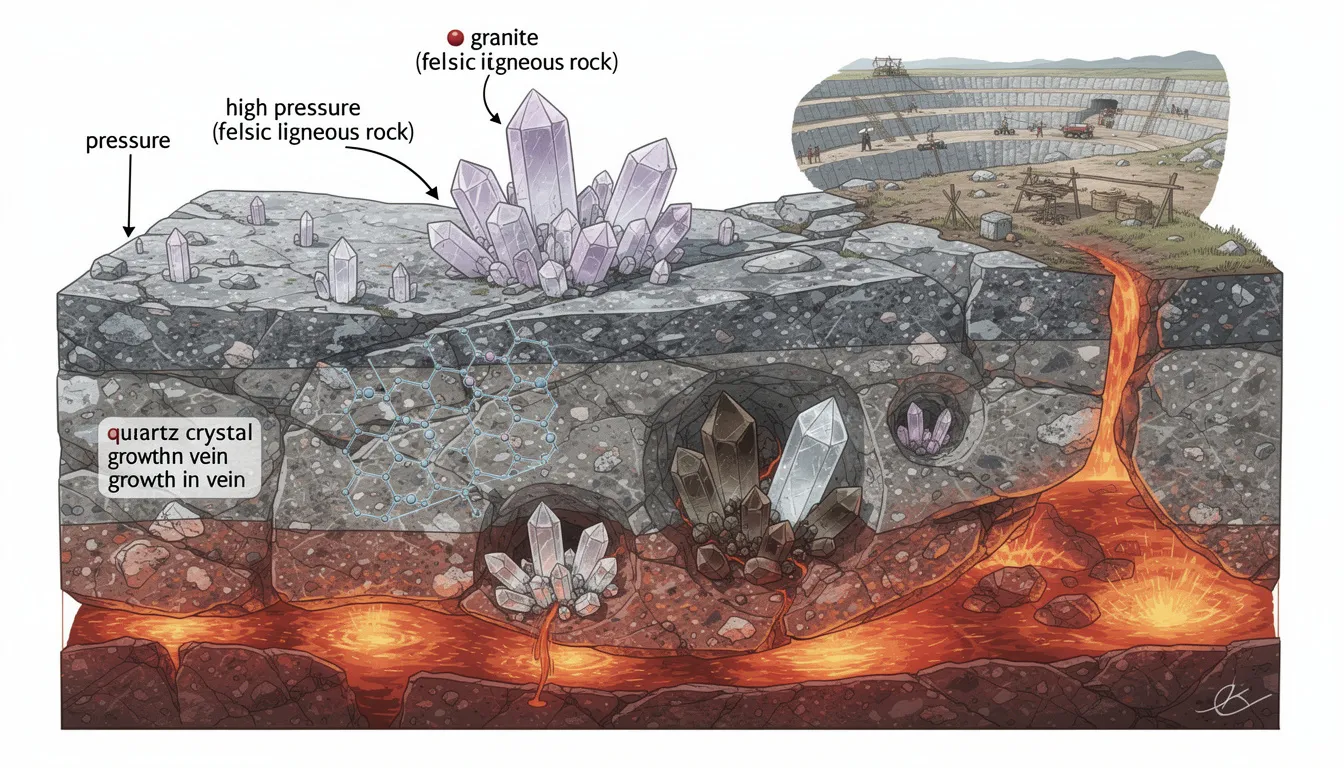
The formation of natural quartz crystals is a fascinating geological process that occurs deep within the Earth’s crust. Quartz is composed of silicon and oxygen atoms arranged in a specific crystal structure. This structure forms under conditions of high pressure and heat, where silicon and oxygen combine in the presence of other minerals and fluids. Over time, these conditions allow quartz crystals to grow, sometimes forming large, impressive clusters.
Quartz crystals are commonly found in rocks such as granite and sandstone, where they develop through complex interactions between geological factors. The size and shape of quartz crystals depend on the environment in which they form, resulting in a diverse range of formations from small, colourless crystals to large, richly coloured specimens. Quartz is a defining constituent of granite and other felsic igneous rocks, further highlighting its geological significance. Natural quartz crystal specimens are often mined in developing countries using primitive mining methods, which can impact both the environment and the communities involved. Quartz is extracted from open pit mines, a process that allows access to large deposits of this versatile mineral. Understanding the formation of quartz crystals provides valuable insight into the Earth’s history and the dynamic processes shaping its surface.
Geological Importance of Quartz Crystals
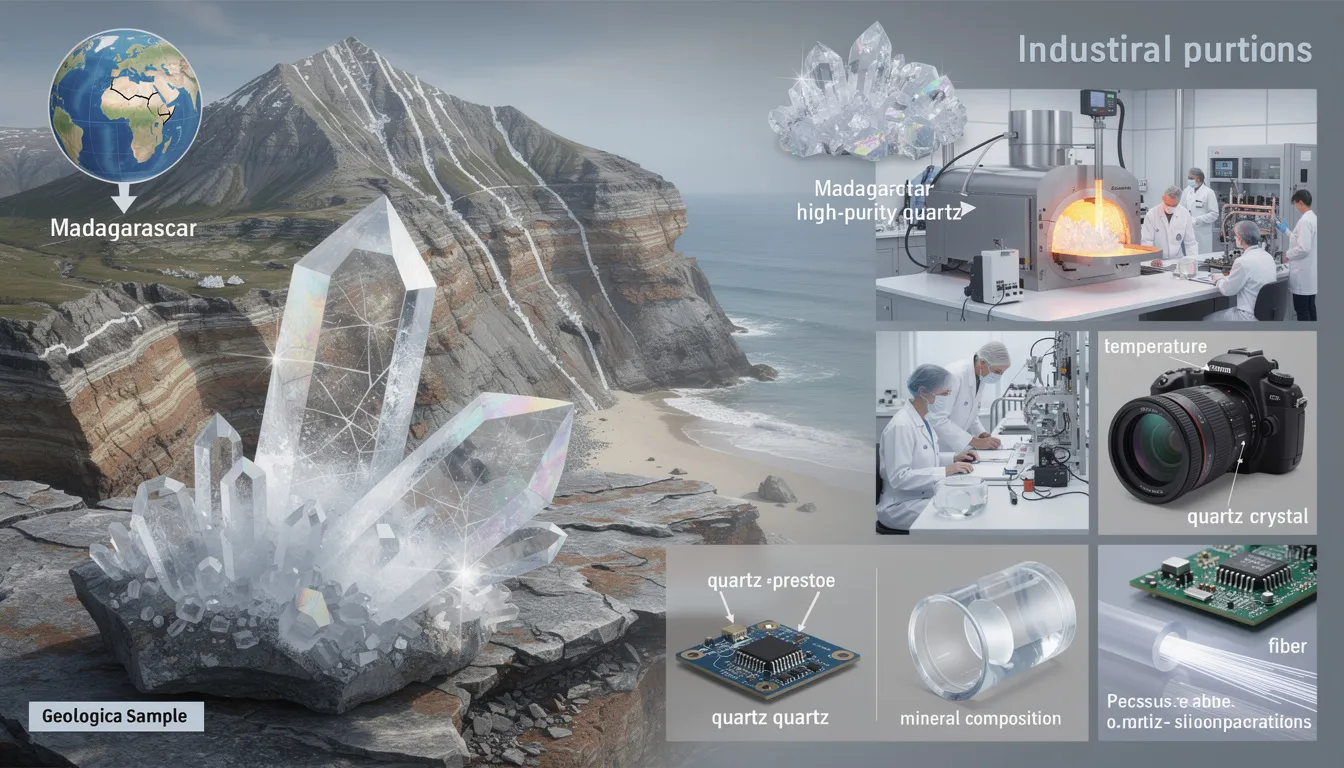
Quartz crystals hold great geological importance as a major component of the Earth’s crust. They are found in various geological settings, including mountains, valleys, and coastal regions, and serve as indicators of geological activity and mineral composition. Their presence in rocks helps geologists interpret the conditions under which those rocks formed.
In addition to their natural occurrence, quartz crystals play a vital role in industrial applications due to their unique physical properties. They are used in the manufacture of electronics, optics, and precision instruments, where their hardness and ability to transmit light are essential. Quartz is highly resistant to mechanical and chemical weathering, making it suitable for industrial uses. High-purity quartz is melted and used in the production of glass, fiber optics, and silicon wafers for semiconductors. Madagascar is known for producing some of the finest optic to near-optic crystal quartz, further highlighting the global significance of this mineral. Studying quartz crystals thus not only enhances our understanding of the Earth’s geological history but also supports technological advancements.
Chemical Composition of Natural Quartz Crystals
Quartz crystals are chemically composed of silicon and oxygen atoms arranged in a tetrahedral lattice, forming silicon dioxide (SiO2). This precise combination gives quartz its characteristic hardness and transparency. Quartz scores a 7 on the Mohs scale of hardness, making it highly resistant to scratches. However, natural quartz crystals often contain impurities such as iron or titanium, which influence their colour and other properties. For example, the presence of iron can give rise to amethyst’s purple hue or smoky quartz’s brown tones. Structurally, quartz is classified as a framework silicate mineral and compositionally as an oxide mineral, which further explains its stability and versatility.
The chemical composition of quartz is fundamental to its behaviour and applications. Its stability and resistance to weathering make quartz a durable mineral, while variations in impurities create the wide range of colours and types found in nature. By studying the chemical makeup of quartz crystals, scientists gain deeper insights into the Earth’s mineralogy and the processes that govern crystal formation.
Uses and Applications of Natural Quartz Crystals
Natural quartz crystals have a broad range of uses, spanning from ornamental to industrial applications. Their beauty and durability make them a popular choice for jewellery and decorative objects, where clear quartz, amethyst, citrine, and smoky quartz are commonly featured. Natural quartz specimens can be used as impressive sculptural pieces for interior displays or collectors' cabinets, showcasing their aesthetic and geological significance. Quartz crystals are often cut into beads, cabochons, or faceted stones to enhance their natural colour and clarity.
Beyond aesthetics, quartz crystals hold a significant place in energy healing practices. Many people believe that quartz possesses metaphysical properties, such as amplifying energy, promoting clarity, and balancing emotions. Quartz is also used in meditation to enhance psychic abilities and spiritual growth, making it a staple in holistic wellness and spiritual work. Natural quartz crystals are increasingly sought after due to the popularity of crystal healing, as more individuals turn to these minerals for their perceived energetic benefits.
In industry, quartz is indispensable. Its unique ability to conduct and manipulate light and electricity makes it essential in the production of electronic devices, watches, and optical instruments. The consistent vibration frequency of quartz crystals is utilized in oscillators for accurate timekeeping in clocks, watches, and computers. Interestingly, the resonant frequency of a quartz crystal oscillator can be altered by mechanically loading it, showcasing its adaptability in precision applications. The versatility of quartz crystals underscores their importance across various fields.
Natural Quartz Crystal Clusters
Crystal clusters are natural formations where multiple quartz crystals grow together in a specific pattern, creating stunning visual displays. These clusters vary greatly in size, from small groupings to large crystals that captivate collectors and enthusiasts. Large quartz geodes can serve as focal points in home decor, adding a touch of natural elegance to interior spaces. The unique shapes and arrangements of these clusters highlight the natural beauty and complexity of quartz formations.
In metaphysical circles, crystal clusters are believed to possess powerful energy. They are said to promote balance and harmony, amplify intentions, and clarify thoughts, making them valuable tools in meditation and healing practices. Collectors prize these clusters not only for their aesthetic appeal but also for their energetic qualities, often using them as focal points in their collections.
Collecting and Caring for Natural Quartz Crystals
Collecting natural quartz crystals is a rewarding hobby that requires careful handling and preservation to maintain their quality. Quartz crystals, while durable, can be delicate due to their shape and inclusions, so it is important to handle them with care to avoid damage. Proper storage involves keeping crystals in cool, dry places, often sealed in glass cases to protect them from dust and environmental stains.
Collectors and healers may use specialised techniques and equipment to preserve the natural beauty and energetic properties of quartz crystals. Regular cleaning and mindful handling ensure the longevity of these minerals, allowing each person to enjoy their unique qualities for years to come. Preserving quartz crystals is essential to maintaining their value and effectiveness, whether for display or spiritual work.
History and Cultural Significance of Quartz Crystals
Quartz crystals have a rich history steeped in folklore and cultural significance. Ancient civilisations, including the Egyptians and Greeks, highly valued quartz for its beauty and believed it held spiritual power. These cultures often used quartz crystals in rituals, jewellery, and as talismans, attributing magical and healing properties to the mineral.
Throughout history, quartz crystals have been associated with myths and legends, symbolising purity, clarity, and protection. The lore surrounding quartz reflects the deep connection humans have had with this natural material, viewing it as a bridge between the physical and spiritual worlds. Exploring the history and folklore of quartz crystals enriches our appreciation for their cultural and metaphysical importance.
Use of Natural Quartz Crystals in Architecture and Design
In modern architecture, natural quartz crystals are increasingly incorporated for their aesthetic appeal and durability. Quartz is used in a variety of applications, including worktops, flooring, and decorative features, where its unique colour and texture add elegance and strength to spaces. Engineered quartz offers durability, scratch resistance, and low maintenance, making it an ideal choice for both functional and ornamental purposes. Additionally, engineered quartz, made from natural quartz crystals mixed with resins and pigments, offers even greater versatility and customization for architectural designs.
Architectural designs that incorporate quartz crystals often combine them with other natural stones and materials to create harmonious and visually striking environments. The versatility of quartz allows architects and designers to explore innovative uses, enhancing both the beauty and functionality of buildings. The inclusion of quartz crystals in architecture is a testament to their enduring appeal and practical benefits.
Frequently Asked Questions about Natural Quartz Crystals
What are natural quartz crystals made of?
Natural quartz crystals are primarily composed of silicon dioxide (SiO2), formed by silicon and oxygen atoms arranged in a tetrahedral lattice. This composition gives quartz its characteristic hardness and transparency.
How can I identify different types of quartz crystals?
Different types of quartz crystals can be identified by their colour, clarity, and formation. For example, amethyst is purple due to iron impurities, citrine has a yellow to orange hue, and smoky quartz appears brown to black. The shape and size of the crystals can also provide clues to their type.
Where can I buy natural quartz crystals?
Natural quartz crystals can be purchased from mineral and crystal shops, online retailers specialising in gemstones, and at gem and mineral shows. It is advisable to buy from reputable sources to ensure authenticity and quality.
How should I care for my natural quartz crystals?
To care for natural quartz crystals, handle them gently to avoid chipping or breaking. Clean them regularly with a soft cloth and mild soap, and store them in a cool, dry place away from direct sunlight to prevent fading or damage.
Are natural quartz crystals used in industry?
Yes, quartz crystals are widely used in various industries, including electronics, optics, and watchmaking, due to their hardness, piezoelectric properties, and ability to transmit light and conduct electricity.
What metaphysical properties are associated with quartz crystals?
Quartz crystals are believed to amplify energy, promote clarity of thought, and balance emotions. Many also value the benefits of wearing crystal bracelets for healing and daily well-being. Different varieties have specific associations; for instance, amethyst is linked to calmness, while citrine is associated with abundance and positivity.
Natural quartz crystals continue to captivate people worldwide, offering a remarkable blend of natural beauty, geological significance, and versatile applications. Whether you are looking to explore their metaphysical properties, add to your collection, or incorporate them into your work or home, understanding the unique qualities of quartz crystals ensures you can fully appreciate and care for these extraordinary minerals.
Leave a comment