

Beads for friendship bracelet projects have transformed the traditional craft, evolving designs beyond simple embroidery floss patterns. Making friendship bracelets has evolved far beyond simple embroidery floss patterns. Today’s beaded friendship bracelets offer endless possibilities for personalization, from spelling out names with letter beads to creating intricate patterns with seed beads.
This guide is for beginners, parents, teens, and anyone interested in crafting meaningful jewelry. Whether you’re helping kids with their first bracelet project or designing sophisticated pieces for teens and adults, this article covers everything you need to know about bead selection, materials, and design. Understanding bead selection matters because it ensures your friendship bracelets are not only beautiful and personal but also durable enough to last and be cherished. The right beads can make the difference between a bracelet that breaks after a few days and one that becomes a treasured keepsake.
The key to successful friendship bracelet making lies in matching your bead selection to your skill level, budget, and intended use. A bracelet meant for daily wear at school requires different considerations than one created for a special gift or concert exchange. This complete guide will walk you through everything you need to know about selecting beads for friendship bracelets, from understanding different materials and sizes to organizing your supplies for maximum efficiency.
Types of Beads for Friendship Bracelets
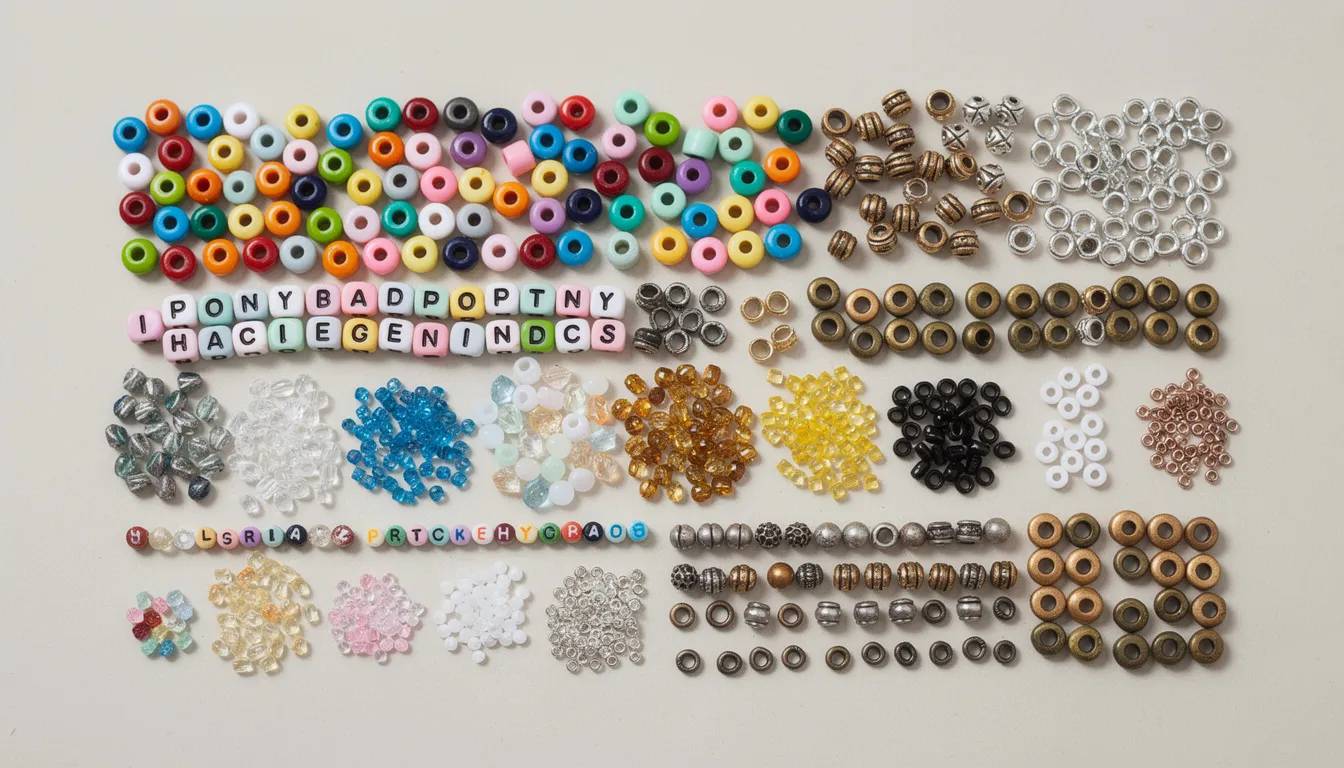
Understanding the main bead categories helps you make informed choices for your projects. Each type offers unique advantages depending on your design goals, skill level, and budget constraints. Polymer clay discs, pony beads, and glass seed beads are ideal for friendship bracelets due to their durability and vibrant colors.
Pony Beads represent the foundation of beginner-friendly bracelet making. Pony beads are generally plastic and have a large hole that makes them easy to string. These large 6mm plastic beads feature oversized holes that easily accommodate thick elastic cord, making them perfect for kids and first-time bracelet makers. Available in virtually every color imaginable, pony beads cost approximately $5-10 per bag and provide enough beads for multiple projects. Their barrel shape and smooth edges ensure comfortable wear, while their lightweight nature prevents the finished bracelet from feeling heavy on the wrist.
Acrylic Beads are another budget-friendly option suitable for beginners. Their large threading holes make stringing easier, and they come in a wide variety of colors and finishes, adding vibrant flair to your friendship bracelets without breaking the bank.
Polymer Clay Beads bring an artisanal touch to friendship bracelet projects. These handmade polymer clay beads, typically 6-12mm in size, feature unique patterns and colors that make each bracelet truly one-of-a-kind. They are lightweight, skin-friendly, durable, and waterproof, making them ideal for everyday wear. While more expensive than mass-produced options, clay beads add significant visual interest and perceived value to finished pieces.
Letter Beads have revolutionized personalized friendship bracelet designs. Letter beads are perfect for providing a personalized touch to friendship bracelets. You can personalize friendship bracelets by adding letter beads to spell names or meaningful words. Letter beads are made of durable plastic and are easy to wear. Typically measuring 6-7mm and made from durable acrylic or plastic, these alphabet beads allow you to spell names, words, or meaningful phrases directly into your bracelet pattern. The standard white beads with black letters remain the most popular choice, though colored options add creative flair to any design.
Letter beads are often sold in mixed packs, which may require multiple packs for specific words. Smart purchasing strategies help you avoid common frustrations with letter bead projects. Rather than buying individual letters, invest in presorted letter bead sets that include multiple copies of common letters while limiting excess uncommon letters like Z, Q, and X. Most friendship bracelet names and phrases rely heavily on vowels (A, E, I, O, U) and common consonants (S, T, R, N), so consider purchasing these letters separately in bulk quantities.
Seed Beads offer the most sophisticated option for experienced crafters. These tiny 2-4mm glass or plastic beads, sized from 6/0 to 11/0, enable intricate, refined designs that rival professional jewelry. Glass seed beads are commonly used for intricate designs but may require thinner stringing material. Size 6/0 beads work well for beginners transitioning from larger beads, while 11/0 beads require steady hands and good eyesight but create incredibly delicate, detailed patterns.
Round Beads in the 4-8mm range provide the perfect middle ground between simplicity and elegance. Available in glass, metal, or gemstone materials, these smooth spherical beads roll comfortably against the skin and work well as focal points or consistent pattern elements throughout your design.
Spacer Beads may be small (usually 2-5mm), but they play a crucial role in creating balanced, professional-looking bracelets. These tiny decorative elements separate larger focal beads, prevent crowding, and add subtle texture to your designs without overwhelming the main pattern.
Letter Beads for Personalized Bracelets
Letter beads transform friendship bracelets from simple accessories into personalized messages of love, friendship, and shared memories. The personalization possibilities are nearly endless, from spelling out names to creating inside jokes that only you and your friend understand.
Standard 6mm white letter beads with black letters provide the classic foundation for most personalized designs. Their high contrast ensures excellent readability, while the neutral color scheme complements any accent bead colors you choose to add. These beads typically cost $8-12 per complete alphabet set and offer the best value for crafters making multiple bracelets.
Colored alphabet beads open up exciting design possibilities. Pastel letter beads work beautifully for spring-themed bracelets, while neon colors create eye-catching pieces perfect for festivals or concerts. Metallic finishes in gold and silver elevate simple friendship bracelets into more sophisticated jewelry pieces suitable for older teens and adults.
Heart and star shaped alphabet beads add decorative appeal beyond simple communication. These novelty letter beads cost slightly more than standard options but create unique focal points that enhance the overall bracelet design. For those interested in meaningful jewelry, an engraved heart necklace also makes a thoughtful and stylish choice. They work particularly well for special occasion bracelets or gifts celebrating significant milestones.
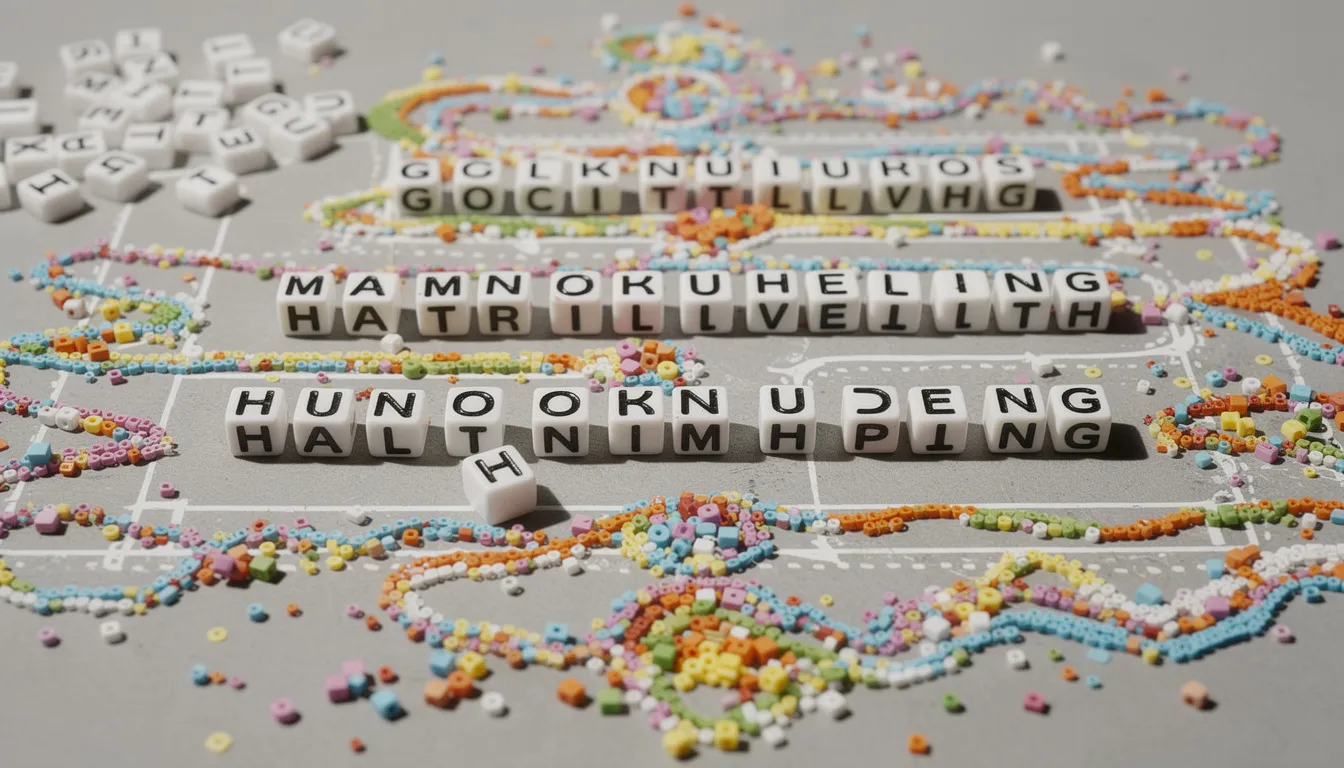
When planning your bracelet, remember that longer words require careful measurement to ensure they fit comfortably on the intended wrist. A typical adult bracelet accommodates approximately 25-35 beads total, so plan accordingly when spelling out longer names or phrases.
Choosing the Right Bead Size and Material
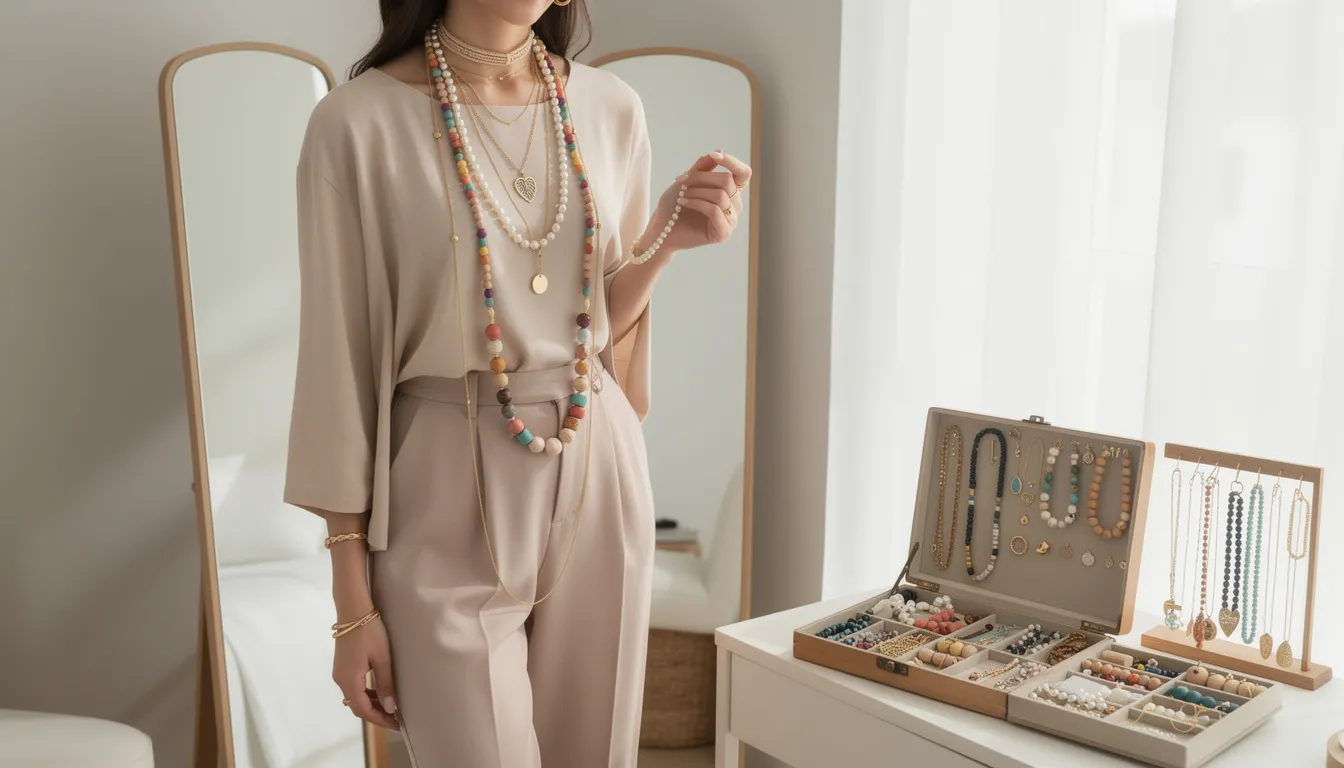
Choosing beads involves considering material, size, color, and design for durability and comfort. Bead compatibility with stringing material is crucial for ensuring durability and comfort. The material of beads affects the bracelet's look, weight, and durability, so it's important to select beads that not only match your design vision but also feel comfortable and last through regular wear.
Successful bead selection requires understanding the relationship between bead size, wrist measurements, and stringing materials. These technical considerations determine whether your finished bracelet will be comfortable, durable, and appropriately sized for its intended wearer.
-
Wrist size directly impacts your bead quantity needs.
-
Children typically wear bracelets measuring 4-6 inches in circumference, requiring approximately 20-25 beads depending on size.
-
Adult bracelets generally measure 7-8 inches, accommodating 25-35 beads comfortably.
-
Always measure the intended wearer’s wrist when possible, or follow the general guideline of allowing enough room to slide two fingers under the finished bracelet for a comfortable fit.
-
-
Hole size compatibility with your chosen stringing material prevents frustrating project delays.
-
Most beads feature holes designed for elastic cord ranging from 0.5-1mm in diameter.
-
Smaller seed beads and some gemstone options may require thinner cord, while large pony beads can accommodate much thicker stringing materials.
-
-
Bead Material Options:
-
Plastic Beads: Offer the best combination of affordability and practicality for everyday friendship bracelets. Lightweight and available in countless colors and shapes, plastic beads cost approximately $5-15 per bag and provide enough materials for multiple projects. They’re ideal for kids’ bracelets, mass exchange projects like concert bracelets, and anyone prioritizing low cost over luxury materials.
-
Glass Beads: Provide superior durability and visual appeal at a moderate price increase. A typical strand of glass beads costs $10-30 depending on size and quality, but offers enhanced scratch resistance and richer, more vibrant colors than plastic alternatives. Glass beads work beautifully for gift bracelets intended for long-term wear and add perceived value to your finished pieces.
-
Metal Beads: Represent the luxury option for special friendship bracelets. 14k gold-filled, sterling silver, or high-quality plated options range from $15-50 per strand but create heirloom-quality pieces suitable for milestone celebrations. Use metal beads sparingly as accent pieces to control costs while adding significant visual impact.
-
-
Mixed bead combinations often produce the most interesting results.
-
Combining different materials creates texture and visual interest while allowing you to balance cost considerations.
-
For example, using primarily plastic beads with a few metal accent pieces provides luxury appeal at a fraction of the cost of an all-metal design.
-
With the right beads in hand, let's look at the essential supplies to help you assemble your friendship bracelet efficiently.
Essential Supplies for Beaded Friendship Bracelets
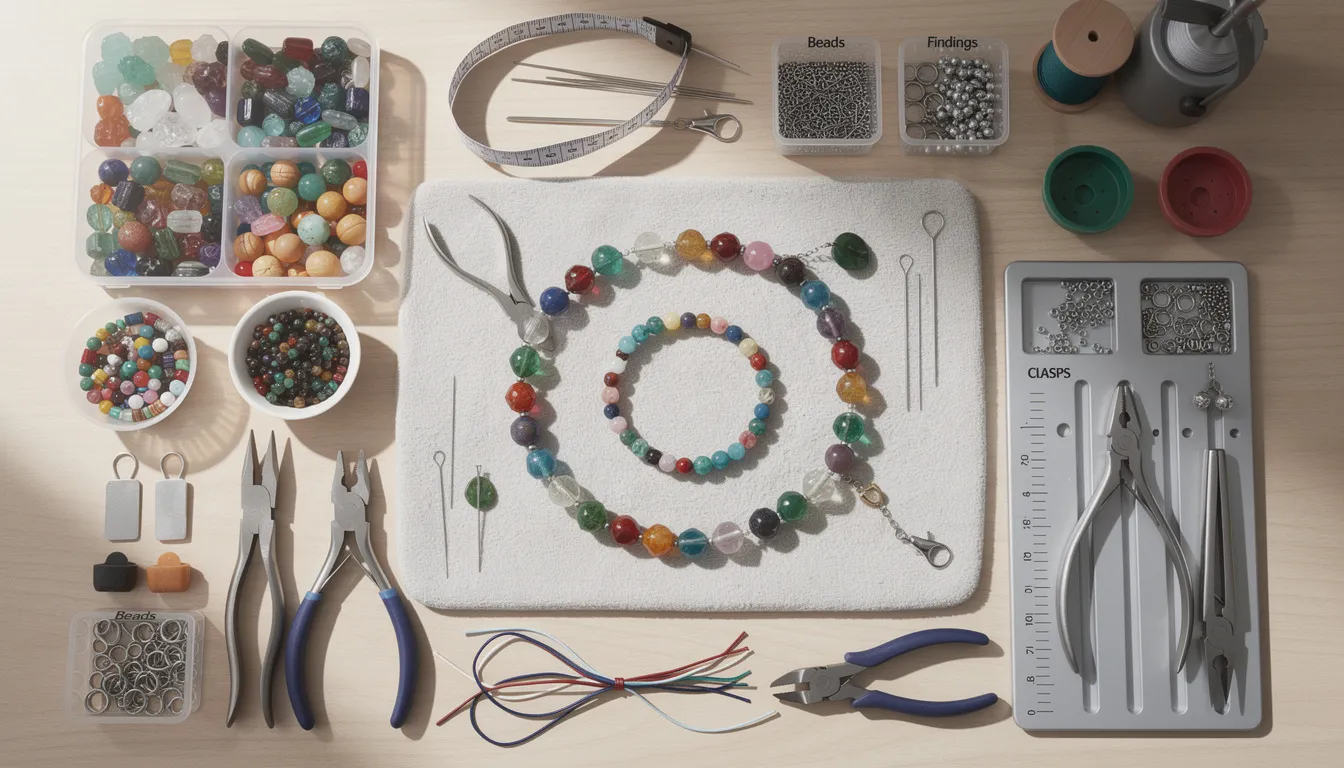
Beyond beads themselves, several essential supplies ensure your bracelet-making projects proceed smoothly and produce professional-quality results. Having the right tools makes the difference between enjoyable crafting sessions and frustrating struggles with tangled cord and dropped beads.
-
Elastic Beading Cord: Forms the foundation of most modern friendship bracelets. Choose cord measuring 0.7-1mm in diameter for compatibility with most bead types. Clear cord remains virtually invisible in finished bracelets, while colored options can complement or contrast with your bead selection. Quality brands like Stretch Magic offer superior durability and elasticity retention, making them worth the slight additional cost for important projects.
-
A good length for the string when making friendship bracelets is around 70 inches, folded in half. This length provides enough material to comfortably string beads and tie secure knots, with some extra length for adjustments.
-
You should tie off the elastic string with three to four knots to secure the bracelet. Applying a small dot of clear nail polish or beading glue to the knot helps prevent it from loosening during wear.
-
Beading Needles: Simplify the threading process, especially when working with smaller beads or multiple strands. Large-eye needles accommodate thicker elastic cord, while collapsible needles compress to fit through tiny seed bead holes before expanding to hold your cord securely. These specialized tools cost just a few dollars but dramatically reduce project completion time, making the process a lot easier and helping you eventually finish your bracelet with less frustration.
-
Sharp Scissors: Ensure clean cord cuts that prevent fraying and create neat, professional-looking knots. Folding craft scissors offer portability for mobile crafting sessions while maintaining the precision needed for delicate work. Avoid using household scissors, which often leave ragged cuts that complicate the finishing process.
-
Measuring Tools: Help you plan accurate bracelet lengths and maintain consistent spacing throughout your design. A standard ruler works for basic measurements, while specialized bead boards feature measurement grooves and curved channels that hold beads in place during planning stages. These tools prevent the frustration of discovering sizing errors only after completing the entire bracelet.
-
Tape or Clipboard: You can use tape or a clipboard to hold the top of the bracelet in place while making it. This prevents beads from sliding and keeps your strings aligned along the line you plan, making the process a lot easier and more organized.
-
Clear Nail Polish or Beading Glue: Provides essential knot security for finished bracelets. A tiny dot of clear nail polish applied to completed knots prevents them from loosening during wear, significantly extending bracelet lifespan. Professional beading glue offers superior hold but costs more than nail polish for occasional crafters.
Bead Selection and Design Tips
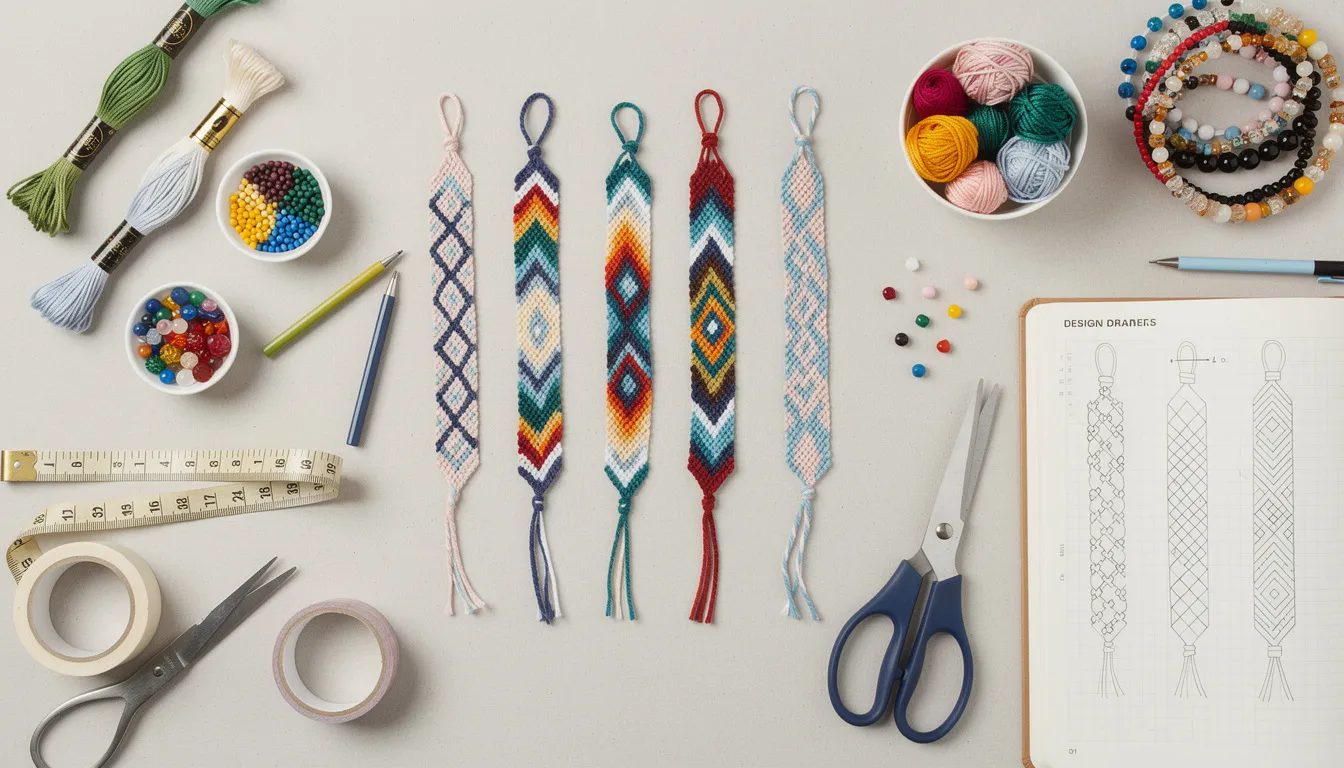
Creating visually appealing friendship bracelets requires more than simply stringing random beads together. Understanding basic design principles helps you develop patterns that are both beautiful and meaningful while avoiding common mistakes that result in chaotic or overwhelming final products.
Tips for Bead Selection and Design:
-
Start with a limited color palette of 2-3 coordinating colors to create cohesive, sophisticated designs.
-
Too many colors often result in busy, childish-looking bracelets that lack visual focus.
-
Choose one dominant color, add a complementary accent color, and consider a neutral (white, black, or clear) for balance and separation between bolder elements.
-
-
Purchase beads in bulk bags rather than small compartment trays for easier handling during active crafting sessions.
-
Bulk quantities provide better value while reducing the frustration of running out of key colors mid-project.
-
Small compartment organizers work well for storage but prove cumbersome during actual bracelet construction.
-
-
Plan your complete bead pattern on a flat surface before beginning to string.
-
This crucial step allows you to visualize the finished design, ensure you have sufficient quantities of each bead type, and make adjustments before committing to the final pattern.
-
Take a photo of your planned layout for reference during the stringing process.
-
-
Use a bead board with measurement grooves for precise sizing and professional results.
-
These specialized tools feature curved channels that hold beads in their intended positions while you plan, measure, and adjust your design.
-
The investment in a quality bead board pays dividends in reduced project time and improved outcomes.
-
-
Alternate focal beads (like letters or large decorative elements) with smaller spacer beads for balanced, readable designs.
-
Too many focal beads clustered together create visual chaos, while strategic spacing allows each element to shine.
-
This technique works especially well for name bracelets where you want the letters to stand out clearly.
-
-
Consider color psychology when selecting your palette.
-
Blue conveys calm and trust, making it perfect for friendship bracelets.
-
Pink represents love and caring, while gold suggests luxury and special occasions.
-
Understanding these associations helps you create bracelets that communicate your intended message effectively.
-
Good organization can make every step of bracelet design easier. Next, we’ll cover effective storage and supply management.
Trends and Popular Styles in 2025
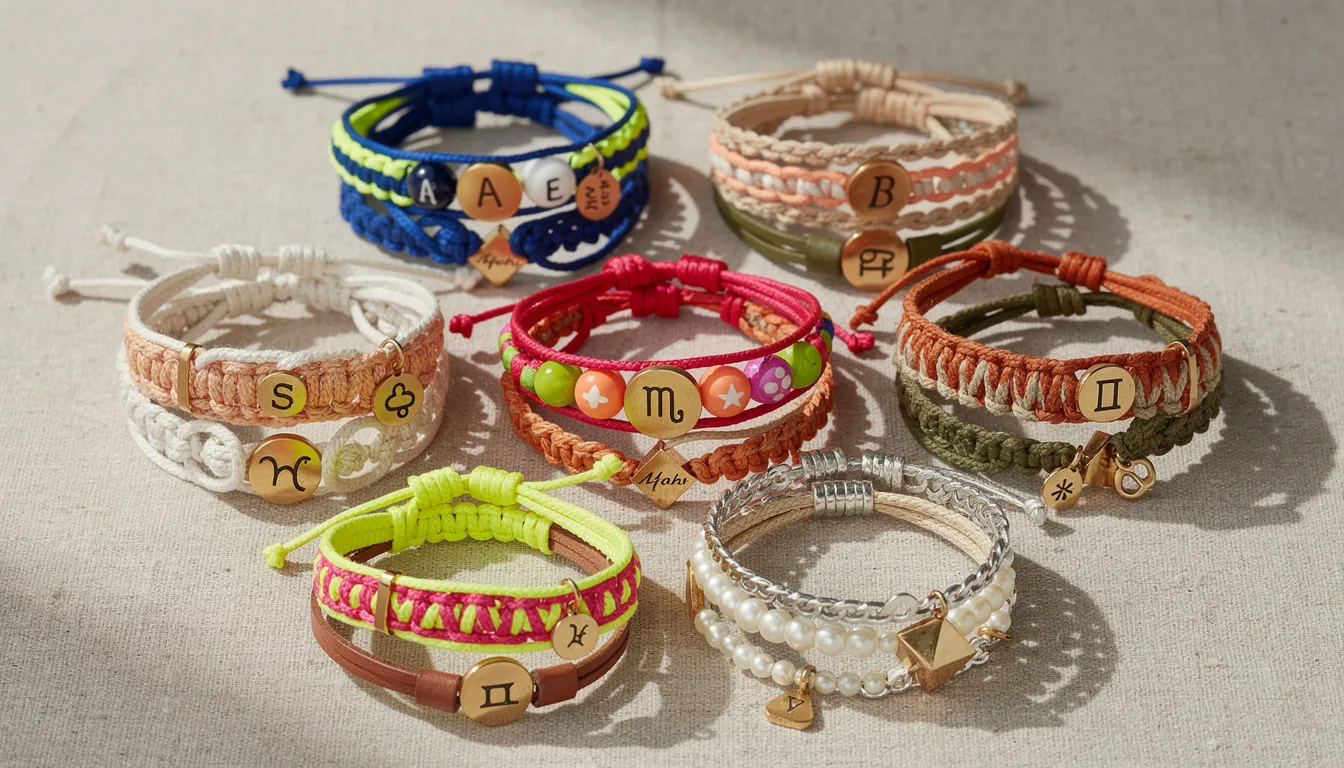
Friendship bracelets continue to evolve, blending traditional techniques with modern aesthetics. Current trends in 2025 emphasize personalization, layering, and a mix of bold and natural palettes.
-
Personalization: Adding names, initials, or meaningful words with letter beads is more popular than ever.
-
Layering: Wearing multiple friendship bracelets together, mixing different styles, colors, and bead types, creates a trendy and personalized look.
-
Color Combinations and Patterns: Bright, bold colors such as neon pinks and electric blues are in demand for a cheerful, energetic vibe. Pastel hues like lavender and baby blue are favored for a softer, more delicate aesthetic. Natural and earthy tones are trending for bohemian-inspired designs.
-
Bead Choices: Polymer clay discs, pony beads, and glass seed beads are ideal for their durability and vibrant colors. Lightweight acrylic beads and natural wooden beads are also popular for their comfort and style.
-
Theme-Based Palettes: Color palettes can reflect personal connections, favorite themes, or special occasions, making each bracelet unique.
-
Design Elements: Current designs often feature a mix of bold and natural palettes, with personalized elements and creative layering for a modern, expressive look.
Friendship bracelets are a modern twist on popular styles from the past, often made with colorful beads and threads. They are often made as a fun activity for kids, especially during summer or camp. The use of adjustable closures in friendship bracelets allows for a better fit and ease of wear, making them comfortable and versatile for all ages.
Conclusion
Selecting the right beads for friendship bracelet projects transforms simple crafting into meaningful jewelry creation. Whether you’re working with kids on their first pony bead bracelets or designing sophisticated pieces with seed beads and metal accents, understanding bead types, sizes, and materials ensures your projects succeed.
Remember that the best bead choices depend on your specific needs: pony beads for beginners and children, letter beads for personalization, and glass or metal options for more refined designs. Consider your audience, budget, and intended use when making selections, and don’t hesitate to mix materials for interesting textures and cost-effective luxury touches.
Start with simple projects using larger beads and basic patterns, then gradually explore more complex techniques as your skills develop. With proper planning, quality supplies, and organized storage, you’ll create beautiful, durable friendship bracelets that celebrate the special bonds between friends and family members. The time you invest in understanding bead selection will pay dividends in every bracelet you create, ensuring your hard work results in pieces that are treasured for years to come.
Finally, customise your bracelet with Saras Beads & Jewellery to add a unique and personal touch that truly reflects your style and story.
Frequently Asked Questions (FAQs)
What types of beads are best for friendship bracelets?
-
Pony Beads: Ideal for beginners and kids due to their large holes and lightweight design. They come in many colors and are easy to string on thicker cords.
-
Acrylic Beads: Budget-friendly and easy to string, great for beginners. Available in a variety of shapes and finishes to add flair.
-
Polymer Clay Beads: Lightweight, skin-friendly, durable, and waterproof, perfect for everyday wear. They offer unique, handmade patterns for a personalized look.
-
Letter Beads: Perfect for adding personalized names or messages. Usually made of durable plastic with clear, readable letters.
-
Seed Beads: Great for intricate and delicate designs, suited for experienced crafters. Available in various sizes and colors for detailed patterns.
-
Glass Beads: Offer durability and vibrant colors for long-lasting bracelets. They add a polished, high-quality finish.
-
Metal Beads: Provide a luxurious touch, best used sparingly as accents. Options include gold-filled, sterling silver, and plated beads.
How do I choose the right bead size for my bracelet?
-
Consider the wrist size of the wearer; smaller wrists need fewer and smaller beads.
-
Larger beads (6-8mm) are easier to handle and create bold patterns, ideal for beginners.
-
Smaller beads (2-4mm), like seed beads, allow for detailed designs but require thinner stringing materials and more patience.
-
Ensure bead holes are compatible with your chosen string or elastic cord thickness to avoid difficulties while stringing.
-
For children, larger beads with bigger holes are preferable for ease of use and durability.
What materials should I use for stringing beads?
-
Elastic Beading Cord: Offers stretch and comfort, especially for adjustable bracelets. Choose 0.5-1mm thickness for compatibility with most beads.
-
Embroidery Floss or Waxed Cord: Ideal for braided designs and a more traditional look. Use quality floss to prevent fraying and ensure durability.
-
Nylon or Polyester Thread: Strong and flexible, suitable for seed beads and delicate designs.
-
Choose a cord thickness that fits easily through bead holes without being too loose, ensuring a secure fit.
How do I secure knots to prevent bracelets from coming undone?
-
Tie multiple knots (3-4) tightly to ensure strength and durability.
-
Apply a small dot of clear nail polish or beading glue to the knot for extra security.
-
Tuck knots inside a bead or use crimp beads as covers to hide and reinforce the knot.
-
Allow any glue or polish to dry completely before wearing the bracelet to avoid slippage.
How can I keep my beads organized during crafting?
-
Use bead boards with grooves and measurement markings to plan and hold beads in place.
-
Store beads in clear stacking containers or snap-close organizers for easy access and visibility.
-
Keep letter beads sorted alphabetically using ice cube trays or small compartment organizers to speed up the search.
-
Label containers or bags to quickly find colors and types of beads during projects.
-
Organize beads by size, color, and material to streamline your crafting process.
How long should the string be when making friendship bracelets?
-
A good length for the string is around 70 inches, folded in half, to allow enough material for stringing beads and tying knots.
-
Longer strings provide flexibility for adjustments and tying secure knots at the ends.
-
For smaller wrists or simpler designs, you can reduce the length accordingly but always leave extra length for comfort.
What are some tips and tricks for making friendship bracelets with beads?
-
Plan your bead pattern on a flat surface before stringing to visualize the final design.
-
Use a bead needle to speed up threading, especially with smaller beads or multiple strands.
-
Secure the bracelet’s starting point with tape or a clipboard to keep beads from sliding.
-
Alternate letter beads with spacer beads for improved readability and design balance.
-
Tie knots carefully and evenly to maintain bracelet symmetry and durability.
-
Practice makes perfect—start with simple patterns and gradually try more complex designs.
Can I mix different types of beads in one friendship bracelet?
-
Yes, mixing bead types like pony beads, letter beads, and spacer beads adds texture and visual interest.
-
Combining materials such as plastic and metal beads can create a balanced look with both casual and elegant elements.
-
Ensure all beads have compatible hole sizes for your chosen stringing material.
-
Plan your design carefully to maintain a cohesive color palette and pattern flow.
How do I measure for a comfortable fit?
-
Measure the wrist circumference of the intended wearer with a flexible tape measure.
-
Add about half an inch to one inch to the measurement for a comfortable fit that slides on easily.
-
Consider the bead size and thickness of the string when calculating the final bracelet length.
-
When in doubt, choose a slightly larger size to avoid a tight fit that might tear or cause discomfort.
How should I care for my beaded friendship bracelets?
-
Avoid exposing bracelets to water for extended periods to prevent wear on certain bead materials.
-
Store bracelets in a dry, cool place away from direct sunlight to preserve color and elasticity.
-
Gently clean with a soft cloth if beads become dirty.
-
Check knots periodically and re-secure if needed to maintain durability.
Leave a comment