

Every calendar month has at least one gemstone tied to it—each with its own colours, symbolism, and history. Whether you’re shopping for a thoughtful gift or building your own collection, understanding birthstones by month helps you discover the perfect piece with unique meaning. This guide is perfect for anyone interested in the meaning behind birthstones, whether you're shopping for a thoughtful gift, building your jewelry collection, or simply curious about gemstone traditions. Understanding birthstones matters because it allows for more meaningful gifting and personal expression through jewellery.
Quick Answer: Birthstones by Month
Each birth month has at least one officially recognised stone, and some months offer two or three options. Here’s the modern list: January – garnet; February – amethyst; March – aquamarine (with bloodstone as the traditional alternative); April – diamond; May – emerald; June – pearl, alexandrite, moonstone; July – ruby; August – peridot, spinel, sardonyx; September – sapphire; October – opal, tourmaline; November – topaz, citrine; December – tanzanite, turquoise, zircon.
Later sections expand on each stone’s colours, meanings, and how to select birthstone jewellery for gifting or yourself. The quick version: find your month, note your stone, and read on for the deeper story.
What Is a Birthstone?
Birthstones are specific precious gems associated with the month—or sometimes zodiac sign—of a person’s birth. They appear most often in personalised jewellery such as rings, necklaces, bracelets, and earrings, making them a natural choice when you want a piece that feels uniquely yours.
The tradition of birthstones dates back to ancient times, with some historians linking their origin to the twelve gemstones of the breastplate of Aaron in the Bible. The modern list of birthstones was established between the 16th and 18th centuries, and in 1912, the National Association of Jewelers released an official list to clarify the gemstones associated with each month.
Each birthstone is associated with unique meanings and characteristics that reflect the qualities of individuals born in that month, adding significance to the jewelry.
Each stone carries certain qualities: protection, everlasting love, clarity, or courage. These associations stem from colour symbolism, folklore, and centuries of jewellery tradition. While modern birthstones were standardised in the 20th century, the idea of “one gem per birth month” stretches back much further and appears across many cultures.
Birthstones remain popular for milestone gifts—birthdays, anniversaries, new baby celebrations, and other moments that call for something with timeless beauty. They blend sentimentality with fashion, offering emotional resonance through symbolism rather than scientific claims.
Origins & History of Birthstones
The concept of birthstones evolved over centuries, drawing on religious texts, medieval customs, and modern marketing. No single origin story exists, but several key traditions shaped what we wear today.
The most commonly cited link is biblical: the twelve gemstones set in the Breastplate of Aaron, as described in Exodus. Jewish historian Josephus connected these stones to the twelve tribes of Israel, the twelve months, and zodiac signs in the 1st century. Early Christian writers like St. Jerome encouraged wearing these stones for divine virtue, cementing their spiritual importance.
By the 14th to 16th centuries in Europe, people began wearing stones linked to zodiac signs and calendar months, often rotating gems throughout the year for good fortune and protection. Between the 16th and 18th centuries, European jewellers published early birthstone lists—though these varied widely by region.
The major modern milestone came in 1912 when the National Association of Jewelers in the United States published an official birthstone list to reduce confusion. This list was updated in 1952, again in 2002 (adding tanzanite for December), and in 2016 (adding spinel for August). Today, two parallel systems exist: traditional stones from older regional lists and modern birthstones from industry-standard charts. Both remain in use.
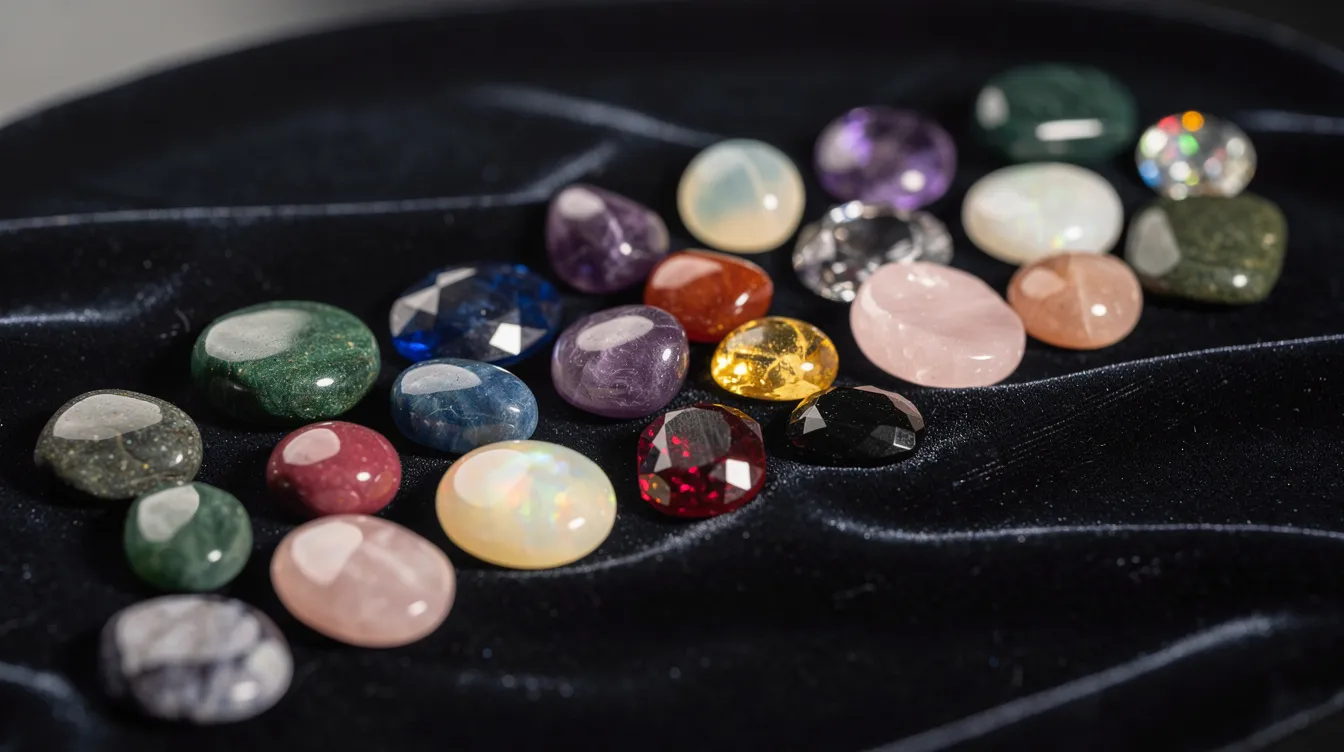
Birthstones by Month: Colours & Meanings
This section walks through each month from January to December, covering the best-known modern birthstone, key colours, symbolic meanings, and notes on durability for jewellery.
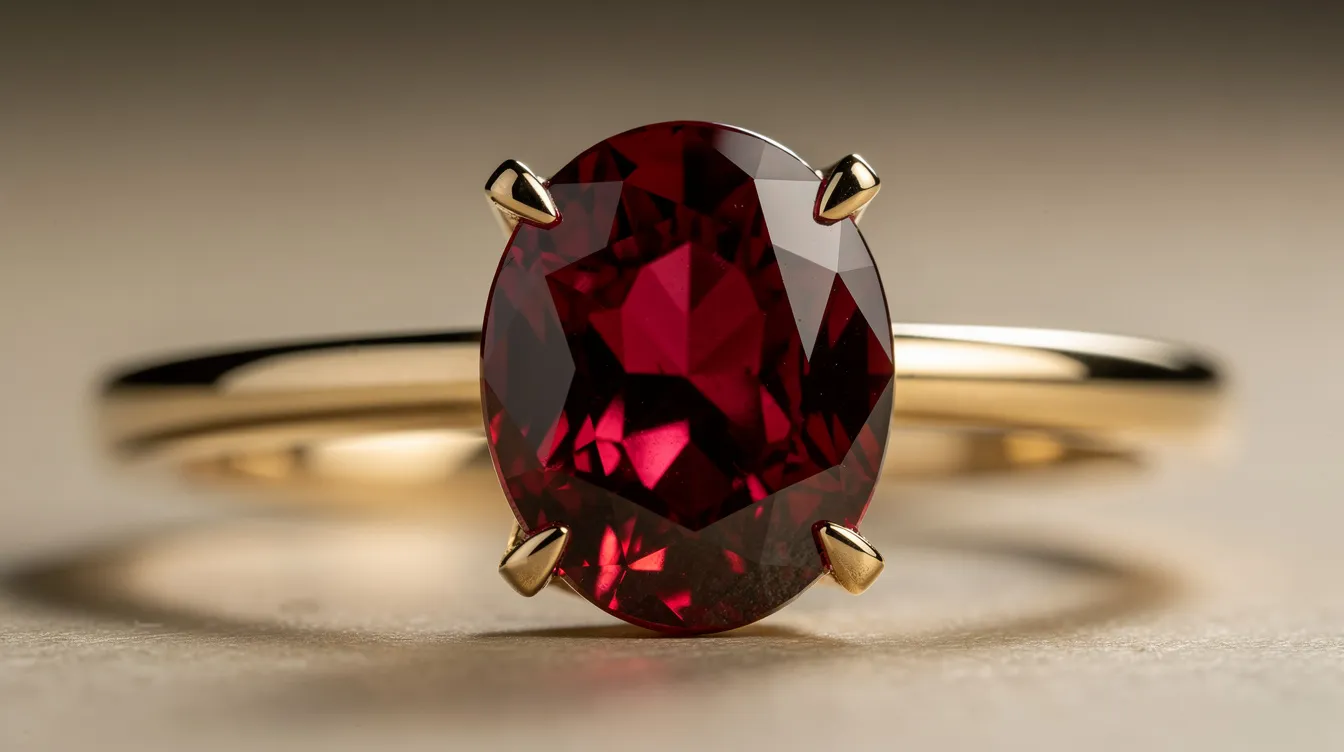
January – Garnet. January’s birthstone appears most often in classic deep red, though garnets also come in green (tsavorite), orange (spessartite), and other hues. This stone symbolises protection, loyalty, and safe travel. Ancient Romans used garnets in signet rings, and traders carried them along the Silk Road as talismans. With a Mohs hardness of 6.5-7.5, garnet works well in everyday ring designs.
February – Amethyst. The february birthstone is purple quartz ranging from soft lilac to royal violet. Ancient Greeks believed it prevented intoxication, while the Church later associated it with spiritual clarity. This purple variety symbolises calm and protection. Large deposits in Brazil and Zambia have made amethyst widely affordable—a member of the quartz family that brings classic beauty to any setting.
March – Aquamarine and Bloodstone. The march birthstone in modern lists is aquamarine, an icy blue to blue-green beryl connected with the sea, sailors, and marital harmony. Traditional stones include bloodstone—dark green jasper with red flecks, associated with vitality and courage among Roman soldiers. Aquamarine dominates modern jewellery for its serene colours.
April – Diamond. The april birthstone needs little introduction. Diamond rates 10 on the Mohs scale—the hardest natural gem—with unmatched brilliance. Beyond colourless stones, fancy colours like yellow and pink are highly valued. Diamonds symbolise everlasting love, strength, and commitment, cementing their role in engagement rings since the late 19th century.
May – Emerald. May’s stone is deep to vivid green beryl linked to spring, rebirth, and love. Cleopatra famously adored emeralds. Fine specimens often show natural inclusions called “jardin,” requiring protective settings. This gem symbolises growth, patience, and emotional healing—a fitting tribute to anyone born in spring.
June – Pearl, Alexandrite, Moonstone. The three june birthstones offer remarkable variety. Pearl, an organic gem from oysters, symbolises purity and wisdom. Alexandrite, a rare chrysoberyl, shifts from green in daylight to red under incandescent light. Moonstone displays a dreamy blue sheen. This range suits different styles and budgets, making the june birthstones unusually versatile.
July – Ruby. The july birthstone is red corundum ranging from pinkish red to deep “pigeon’s blood” tones. Sanskrit texts call ruby ratnaraj, meaning “king of gemstones.” It symbolises passion, courage, love, and prosperity. With Mohs hardness of 9, ruby creates durable heirloom rings that bring joy across generations.
August – Peridot, Spinel, Sardonyx. The august birthstone options include peridot (lime to olive-green, called the 'gem of the sun' by ancient Egyptians and believed to protect against nightmares), spinel (a colourful gem once mistaken for ruby in British crown jewels, added in 2016), and sardonyx (banded onyx used in ancient times for cameos). These stones are associated with strength, healing, and protection. Peridot’s distinctive glow and historical reverence make it a standout choice.
September – Sapphire. The september birthstone is best known as rich blue corundum, but sapphire occurs in pink, yellow, green, and colourless varieties too. It symbolises wisdom, loyalty, inner peace, and sincerity—appearing in famous royal engagement rings. With hardness of 9, sapphire handles daily wear beautifully.
October – Opal and Tourmaline. The october birthstone choices include opal, with its distinctive play-of-colour, and tourmaline, available in a rainbow of hues from pink to green to “watermelon” bicolour. Opal symbolises creativity, confidence, and hope but requires careful handling. Tourmaline offers a more durable everyday option.
November – Topaz and Citrine. The two november birthstones are topaz (warm yellows, imperial orange, and treated blue varieties) and citrine (yellow to honey-brown quartz). Both belong to affordable gem categories and symbolise joy, abundance, and mental clarity—perfect for autumn-inspired designs.
December – Tanzanite, Turquoise, Zircon. The december birthstones include tanzanite (violet-blue, discovered in Tanzania in the 1960s, added to official lists in 2002), turquoise (opaque blue-green, considered a sacred stone believed to provide protection and health, revered in ancient Egypt, Persia, and the Americas), and zircon (high-brilliance natural stone distinct from cubic zirconia). All three symbolise wisdom, protection, and new beginnings.
Traditional vs Modern Birthstone Lists
There isn’t one definitive chart. Traditional stones reflect older European customs, while modern birthstones follow industry-standard lists agreed by major jewellery associations.
The 1912 U.S. list and later updates created a widely adopted modern chart. Tanzanite was added for December in 2002; spinel joined August in 2016. Older traditions still favour stones like bloodstone alone for March or turquoise as December’s sole option.
Concrete differences include: June shifting from primarily pearl to pearl plus alexandrite and moonstone; August expanding from sardonyx to include peridot and eventually spinel; December gaining tanzanite alongside turquoise and zircon. Changes occur when new gemstone discoveries emerge, mining improves, fashion trends shift, and jewellers see marketing opportunities.
Choosing either traditional or modern stones is perfectly acceptable. The “best” choice resonates personally and suits how you’ll wear the jewellery.
Choosing & Caring for Birthstone Jewellery
Beyond symbolism, consider durability, lifestyle, and setting style when selecting a birthstone piece.
Mohs hardness measures scratch resistance on a 1-10 scale. Very durable stones (9-10) include diamond, sapphire, and ruby—ideal for daily-wear rings. Moderately durable stones (7-8.5) include aquamarine, garnet, spinel, zircon, topaz, tourmaline, and alexandrite. More delicate stones (under 7) include emerald, opal, pearl, turquoise, moonstone, and tanzanite—better suited to pendants, earrings, or occasional wear.
Thoughtful design choices protect softer gems: bezels and halos shield vulnerable stones, secure clasps keep charm bracelets safe, and metal colours enhance appearance. Yellow gold warms citrine and garnet; white metals complement cool blue tones like aquamarine and sapphire.
For care, birthstone jewellery should be cleaned regularly to maintain its beauty and luster. Use a soft cloth to gently wipe birthstone jewellery after wearing it to remove oils and dirt. Store birthstone jewellery in a soft pouch or a separate compartment to prevent scratching. Avoid exposing birthstone jewellery to harsh chemicals, as they can damage the stones. Take birthstone jewellery to a professional jeweler for deep cleaning and inspection at least once a year.
Birthstone jewellery blends personal storytelling with colour and craftsmanship—ideal for building a sentimental collection over time.
Creative Ways to Personalise with Birthstones
Birthstones work as a versatile design language for marking relationships, milestones, and personal values.
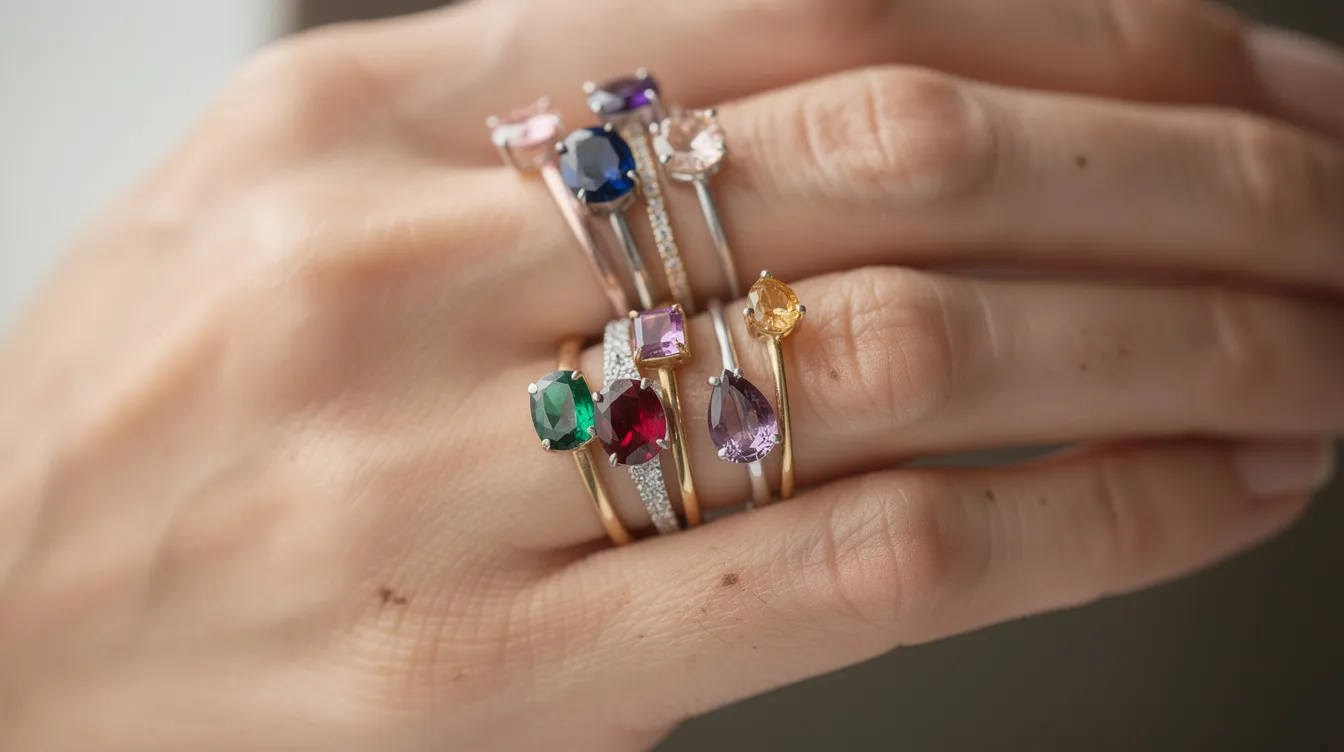
Consider stacking rings featuring multiple family members’ birthstones, or a pendant with children’s stones arranged in a meaningful order. Mismatched earrings can represent two partners. Subtle options include setting a tiny birthstone inside a wedding band, using birthstone accents around a central diamond, or adding removable charms to a bracelet.
Combining traditional and modern stones adds depth—bloodstone and aquamarine together for March, or turquoise and tanzanite for December. Custom engraving alongside birthstones creates extra meaning: dates, initials, or short phrases connecting to the stone’s symbolism like “strength,” “hope,” or “always.” A loved one receiving such a piece holds something truly personal.
Frequently Asked Questions About Birthstones
Do I have to wear my own birth month’s stone? Not at all. Many people mix stones for aesthetics or to attract qualities associated with other months. There are no strict rules—choose what resonates with you.
Do birthstones really bring good luck or protection? While no scientific evidence supports these claims, the tradition and symbolism can feel emotionally meaningful. In ancient times, soldiers carried bloodstone for courage, and sailors wore aquamarine for protection. The power lies in personal significance.
Are zodiac birthstones different from month birthstones? Yes. Zodiac systems assign stones to astrological signs, which sometimes overlap with calendar months but follow separate traditions. January’s garnet, for example, may also connect to Aquarius or Capricorn depending on the source.
How do I choose between multiple stones for one month? Consider colour preference, durability, budget, and personal connection to each gem’s story. For December, tanzanite offers striking violet-blue, turquoise brings ancient reverence, and zircon provides brilliant sparkle at accessible prices.
What if I inherit jewellery with someone else’s birthstone? Wear it as a tribute, resize it, or repurpose the stone into a new design. Sentimental value transcends birth month rules—a grandmother’s ring carries meaning regardless of which stone it holds.
Discover your birthstone, create something meaningful, and let birthstone jewellery tell your story one gem at a time.
Leave a comment